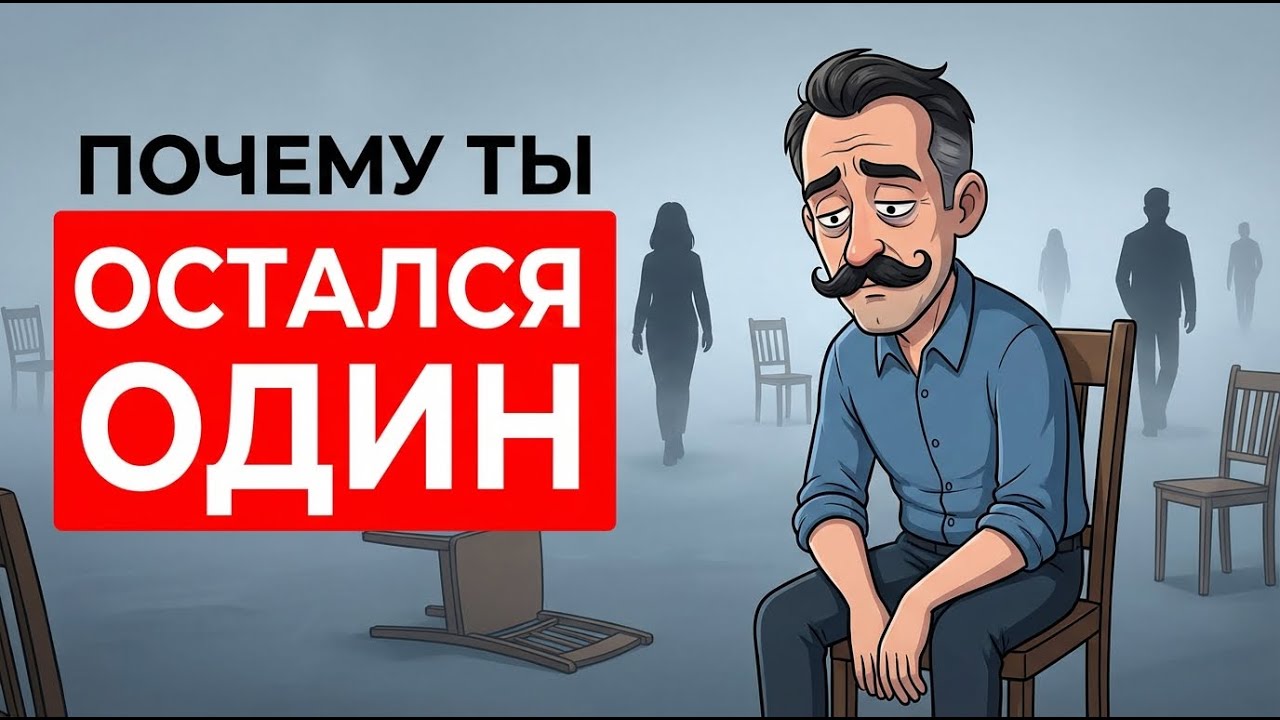
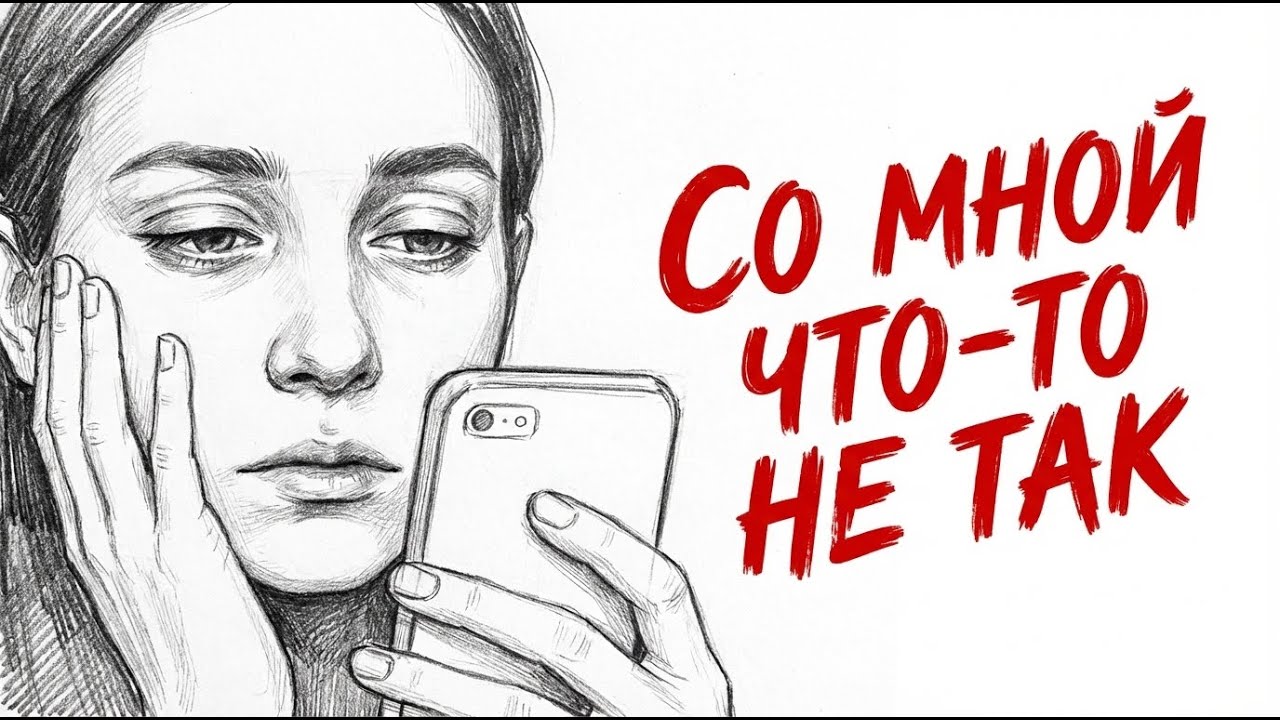
Explore why people stay silent when hurt and how to gently express discomfort to preserve relationships and self-respect.
Key Takeaways
- Silence when hurt is often about avoiding risk, not weakness.
- Questioning your feelings is common but can prevent healthy expression.
- Gentle communication can prevent silence from damaging relationships.
- Repeated silence can lead to emotional distance and invisibility in relationships.
- Small, honest statements can open dialogue and improve connection.
What the video covers
- People often stay silent when mildly hurt because the offense is subtle and not dramatic.
- Silence is not weakness but a risk-avoidance strategy to prevent conflict or awkwardness.
- We may question the validity of our feelings, doubting if we have the right to be offended.
- Expressing discomfort takes time and skill, which is often unavailable in the moment.
- Silence preserves peace temporarily but can build internal tension and emotional distance.
- Fear of being seen as difficult or overreacting encourages silence.
- Sometimes silence is chosen to avoid arguing with habitual arguers or when previous attempts to speak were ignored.
- Silence can feel like holding on to a connection but may actually empty it.
- The goal is not to eliminate silence but to distinguish peaceful silence from silence that causes internal conflict.
- Starting with small, gentle boundary-setting phrases can foster intimacy and understanding without drama.
Chapters
- 00:00The Moment You Feel Hurt but Stay Silent
- 00:33Realizing the Hurt After the Moment Passes
- 01:02Silence as a Risk-Avoidance Strategy
- 01:32Fear of Negative Reactions and Self-Doubt
- 01:56The Challenge of Expressing Discomfort
- 02:28Temporary Peace vs. Internal Tension
- 03:11Reasons Behind Choosing Silence
- 04:05Learning to Distinguish Healthy and Harmful Silence
- 04:33Gentle Boundary Setting to Foster Connection
- 05:20The Consequences of Habitual Silence
Full Transcript — Download SRT & Markdown
Speaker A
Do you know that moment when someone does something seemingly ordinary, without shouting or obvious rudeness, but for some reason, it makes you uncomfortable? Not a big offense, not a drama, just a quiet internal feeling of "that was unnecessary." And in that

Speaker A
moment, you don't respond. Not because you agree, and not because you don't care. You just go silent, watch, nod, and smile out of politeness, but inside, the wheels are already turning. And the most annoying part is that you
Speaker A
often realize you were hurt only a minute later, when the conversation has moved on, the moment has passed, and you are left alone with it. Then you get home, and your brain starts doing what it does best: replaying the scene
Speaker A
like a highlight reel. I should have said it like this. I should have stopped it; why did I stay silent? And you come up with the perfect response, but only in your head. But in reality, you did the usual thing again: smoothed
Speaker A
it over, swallowed it, and retreated into silence. And here is an important point that is rarely spoken about honestly. Silence in these situations is almost never about weakness. It is more often about risk. Because the moment you say, "That makes me
Speaker A
uncomfortable," or "Stop, that's not okay," you aren't just saying a phrase; you are setting events in motion and changing the dynamic between you. And your brain knows this. It knows that your honesty could lead to awkwardness, an argument, or defensiveness. "Come on,
Speaker A
I was just joking." "You take everything too personally; here you go again." And sometimes, even if the person is decent and non-aggressive, the mere possibility of such a reaction is scary. Also, to put it humanly, we are often unsure if we even have the
Speaker A
right to be offended. This is truly a killer. You feel the sting, but you immediately start questioning yourself.
Speaker A
Maybe I'm actually overreacting? Maybe they had a hard day, maybe I misunderstood. And while you are conducting this trial within yourself, on the outside you remain silent because you feel you first need to prove to yourself that your feelings
Speaker A
are valid. As if a feeling must be legally formalized before you have the right to voice it. And there is one more reason, the most mundane and most common one. We just don't have time; we don't have time to formulate it. The
Speaker A
feeling appears faster than the words. It’s already unpleasant inside, but to express it carefully—without accusing, without destroying, without turning it into a drama—takes time.
Speaker A
But the conversation goes on, the person is looking at you, the pause is becoming strange, and you choose the familiar path. "Oh, never mind," because it saves the moment. It’s like a "don't break things right now" button. And for a second, it feels
Speaker A
easier, because a conflict didn't happen. But the unpleasantness didn't go anywhere. It just got put on hold.
Speaker A
And that is exactly why a paradox arises later on. We stay silent to preserve our relationships and our peace. But silence often builds up internal tension, which later either bursts out or turns into coldness. You seem to keep communicating, but more
Speaker A
cautiously, without that softness, and with an inner distance. And the person might not even understand what happened, because nothing happened out loud, but inside you, everything happened.
Speaker A
Another trap is the fear of being difficult. We are terrified of looking like someone who makes a mountain out of a molehill, takes constant offense, or can't take a joke, especially around people who love to say, "Oh, just relax." And in such moments, you learn to be convenient, to stay silent, to smile, to let it slide, because being convenient seems socially safe, but it comes at a simple price. You gradually stop being yourself in such conversations. And yes, of course,
Speaker A
there is another side to it. Sometimes you stay silent because you don't want to argue with someone who always argues. Sometimes you stay silent because you have already tried speaking and were not heard. Sometimes you stay silent
Speaker A
because you are afraid of losing the connection. Because sometimes honesty feels not just like a phrase, but like a threat. If I tell the truth, they will leave. And so, silence looks like a way to hold on, although, in fact, it
Speaker A
often does the opposite. The connection becomes empty. And here is the moment that I think is the most important. If you recognize yourself in this, the goal isn't to stop being silent altogether, because sometimes silence is a genuine choice, and it can be wise.
Speaker A
The goal is something else. It is learning to distinguish silence that leaves you at peace from silence that stays in your head all evening. Because if you stayed silent and you feel empty inside, okay, you let it go. But if you
Speaker A
stayed silent and are left with the feeling that you betrayed yourself, that is a signal. And you can start with something as simple as possible, without drama or a serious talk. Not "you traumatized me," not "we need to
Speaker A
talk about our relationship," but literally one phrase that brings you back into contact with yourself. Like: "Listen, that sounded unpleasant to me for some reason," or: "Wait, I don't want to swallow that right now." This is not a conflict; it is setting a
Speaker A
boundary in a gentle way. It is a way not to let a moment die in silence.
Speaker A
Because when you say at least something, you don't necessarily start a drama. Sometimes you start intimacy. Sometimes the person really didn't mean to hurt you. Sometimes they will say: "Shoot, I'm sorry, that’s not what I meant." And this will be that rare moment when
Speaker A
you feel: "I’ve been heard." But if a person reacts aggressively, you also get an important answer. Just not the one you wanted. So, yes, we go silent when something hurts, because silence is the quickest way to avoid risk. But
Speaker A
if this silence becomes a habit, it gradually makes you invisible in relationships and conversations. And the saddest thing is not that you aren't understood, but that you stop giving yourself a chance to be understood.
Speaker A
if this silence becomes a habit, it gradually makes you invisible in relationships and conversations. And the saddest thing is not that you aren't understood, but that you stop giving yourself a chance to be understood. y
Topics:silenceemotional boundariescommunicationconflict avoidancerelationshipsself-respectemotional healthpsychologyassertivenessinternal conflict