Skip to content
Get App

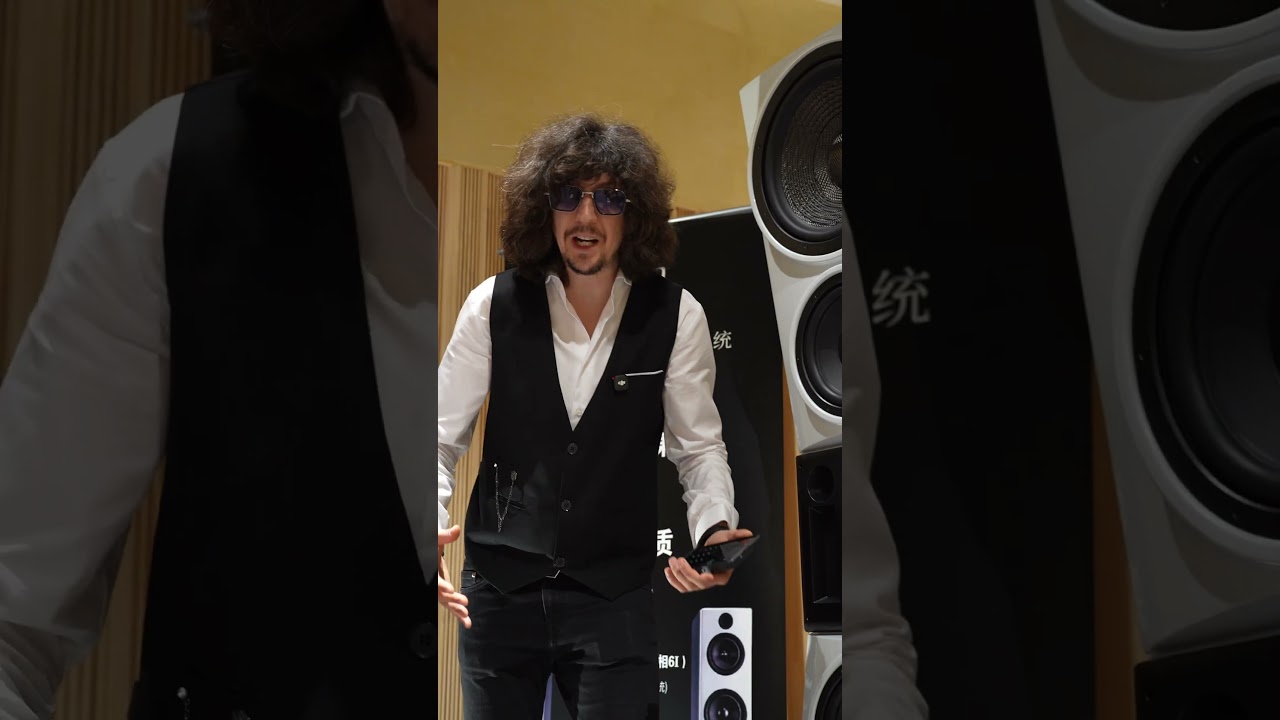
当软件像牛奶一样便宜,我们还要交付什么 / 与郭宇聊 Agent 时代还有 Vibe Coding 之后的路 - Indigo Talk EP52

A deep conversation with Guo Yu on AI-driven software, ByteDance's rise, and the future of work in the Agent era.

Key Takeaways

  • AI-driven recommendation systems have transformed product development and user engagement.
  • Software is becoming as cheap and instantly deployable as everyday commodities like milk.
  • The future of work will shift dramatically, reducing the need for large teams through AI automation.
  • Emotional human connections remain vital despite increasing AI sophistication.
  • Startups and small teams can leverage AI to compete with large enterprises, but accountability remains a challenge.

What the video covers

  • Guo Yu shares his journey from Alipay to ByteDance and insights on the early AI-driven recommendation systems at Toutiao.
  • Discussion on how Douyin unexpectedly became a massive success and the evolution of ByteDance's product strategy.
  • Exploration of the transition from traditional software distribution to instant AI-powered software and its implications.
  • The impact of AI on work culture, including the potential end of traditional employment post-AI revolution.
  • Challenges faced by large enterprises in adopting AI due to accountability concerns.
  • The rise of 'One Man Companies' enabled by AI, allowing individuals to manage large-scale operations alone.
  • The emotional connection between humans will strengthen even as AI advances.
  • Insights into the competitive dynamics between Douyin and Huoshan and their user base expansion.
  • The importance of mastering prompt engineering and constraining language models for effective AI use.
  • Reflections on burnout among engineers and the reevaluation of meaningful work in the AI era.

Answers

Questions about this video

Who is Guo Yu and what is his background?

Guo Yu is a well-known figure in China's tech industry, having started at Alipay in 2011 and later joining ByteDance through an acquisition. He has extensive experience with AI-driven products and startups.

How did ByteDance's AI-driven recommendation system evolve?

ByteDance's recommendation system was initially experimental and opaque, relying on neural networks and continuous tuning. Over time, it became a core driver of products like Toutiao and Douyin, significantly improving user engagement.

What does the video say about the future of work in the AI era?

The video suggests that traditional work structures will change drastically, with AI enabling individuals to manage tasks that previously required large teams, potentially ending the era of conventional employment post-AI revolution.

Full Transcript — Download SRT & Markdown

00:00
Speaker A
At first, we never expected Douyin to take off like it did. A lot of people love putting typos in their video subtitles. And once they add those typos, the completion rate goes way up. In the future, any software we get
00:11
Speaker A
will be as cheap as milk. Silicon Valley has lots of flaky startups, especially tiny ones. They build around scraps from the models. People don't need the strongest model, maybe just the most suitable one. Make Pro Users even more powerful.
00:23
Speaker A
And you can simultaneously manage hundreds of Agent Servers. One person is enough. One person equals what used to be a company of 50 or 60 people at that kind of scale. But for large enterprises, including Japanese companies, they have a lot of concerns
00:35
Speaker A
because no one can be held accountable. I think going to work started with the Industrial Revolution and should end after the AI revolution. You can spend half a day to replace a two-week iteration cycle. But the problems you want to think about
00:46
Speaker A
are far more complex than before. I see a lot of my engineer friends who are a bit burned out. So after the burnout, many engineers, myself included, are all rethinking what's really worth doing. Why are you so famous on X?
00:57
Speaker A
So many watch the real Guo Yu sit and talk. Emotional connection between people as AI gets more and more advanced will only grow stronger. Welcome back to INDIGO TALK. For this episode, I've invited an online friend I've known for years.
01:23
Speaker A
Guo Yu. OK. Say hi to everyone, Guo Yu. I hardly need to introduce Guo Yu. If you're on YouTube or on X a lot, you probably know him. He's very famous. I finally got him here. OK, Guo Yu, why not introduce yourself?
01:40
Speaker A
Some viewers may not know you well. Hi everyone, I'm very happy today to be on INDIGO TALK to record this podcast. I'm Guo Yu. If you've ever seen my story online, you'll know me a bit better. Let me briefly introduce myself.
01:56
Speaker A
In 2011, I was working at Alipay. That was my first job in China's tech industry. Then in 2013, I first came across—I gave a talk at Alipay—I first encountered Bitcoin in April when it was right at $100.
02:11
Speaker A
And as you know, in 2013, if you go back to that era, lots of people from southern cities, the southern tech hubs, were flocking to Beijing. That was when China's mobile internet, you could say, began to explode because people were moving from
02:27
Speaker A
feature phones to smartphones. Even among my former colleagues at Alipay, many started moving to firms focused on mobile app development or companies developing new smartphone brands like OPPO and Vivo. So in 2013, many people went to Beijing. And at the time
02:47
Speaker A
due to some turns in my own life, I made up my mind, and in 2014 went to Beijing to join a friend's startup. We worked on it for about 10 months in Zhongguancun, on Suzhou Street. We slept on the floor.
03:05
Speaker A
And our company back then was Duoshuo and Tuchong. It was partly funded by the Weibo Fund, so with Indigo, we also had some ties, though we hadn't met then. Right, right. I was still at Weibo in 2013 running platform business and investing.
03:21
Speaker A
I was in charge of the APIs. Duoshuo, Tuchong—I know them. Right. That later also became an opening for ByteDance to acquire us because Weibo had also invested in ByteDance early on, so they probably used this as a way to exit.
03:36
Speaker A
Anyway, in December 2014, our company—I got a call from Zhenyu. He said, come back and let's talk. Like, ByteDance wanted to acquire us. But back then he didn't say ByteDance; it was Toutiao—nobody knew ByteDance. He said Toutiao wanted to acquire us.
03:52
Speaker A
And I was like, what's Toutiao? I mean, I'd actually seen lots and lots of startups since Beijing had quite a lot of interesting startups then, like 36Kr, very early on. Keep was just getting started too. There were so many of these
04:07
Speaker A
products just getting off the ground. But Toutiao was not a particularly fancy product. Toutiao had just closed a Series C of $100 million in 2014, and young people like us rarely used it. I think we took part in that round too.
04:21
Speaker A
Yeah, you did. Right. That's when I started learning about Toutiao, this company ByteDance, what kind of company it was because we were all clueless. After we joined the company, there was even one employee who left after a few months
04:36
Speaker A
because he felt the company wasn't very reliable. What a shame. OK, right. When we joined Toutiao, they'd already moved from Jinqiu to the Yingdu Building. The Yingdu Building is right by the Zhichun Road exit. There, on Zhichun Road.
04:57
Speaker A
Right, a Walmart downstairs, and upstairs was an office. We had about two floors of offices, yeah. And this company and its product, I knew nothing about. For a while after I joined, we kept maintaining what we'd built at our startup.
05:16
Speaker A
Only later did we start gradually moving on to work on some of Toutiao's core products. Now called a middle platform, though nobody seems to use that term anymore. Because ByteDance's structure was really more about having a very strong business support division
05:31
Speaker A
supporting all the products and a very strong monetization division supporting these other products' monetization and ads. So at the time, I first realized there were companies driven by AI. Looking back now, yeah. What year was that?
05:47
Speaker A
2015, '17 or so. AI-driven in 2015. OK, no Douyin in '15, and it ran on AI. Right, no Douyin yet in 2015. But this company's products all ran on recommendation algorithms. There's a fun story from back then that I always tell in my talks.
06:03
Speaker A
Back then, Zhang Yiming asked all of us to use our company's products. He said you could promote to your relatives and friends the products we use. Ideally, get everyone to install them. And I had a relative who used
06:18
Speaker A
Toutiao, but they really didn't want to see a certain kind of news, so they tapped that Dismiss button meaning "not interested." But they told me a few days later, on the home feed, they still saw similar news. So I went to the recommendation system
06:32
Speaker A
algorithm engineers. I said, this bad case was reported to you, so why does similar stuff still show up?
06:38
Speaker A
And they roughly explained to me that they're basically parameter tuners. In each experiment they run, the retrieval they set up can't always block 100% of that stuff. I hadn't worked with rec systems then. I was curious. What, even you don't know how it works?
06:52
Speaker A
After they explained it, I realized for products driven by neural networks like this, they're also constantly running experiments to improve it all. So back then, some code was already running in a black box just like today's typical neural network-driven LLMs.
07:10
Speaker A
You don't know exactly how it works; you can only use experiments to keep improving toward what you want. So from then on, I felt Toutiao was a very special company. Because where I'd been before, whether Alibaba or Alipay
07:23
Speaker A
or other startups, I knew about none had products that were driven by neural networks, by AI. Now, 10 years later, this has become very common. But for ByteDance, 2015 was actually a very tough year because a lot of staff left
07:45
Speaker A
since there was no Douyin yet and Toutiao's DAU, MAU, and retention had hit a plateau. So many people left that year, a pity. In December 2016, after working on it for over ten months, we built Douyin and Huoshan.
07:58
Speaker A
After they launched, by 2017, ByteDance's whole situation finally improved significantly. Let me add a side story. When you were doing rec algorithms, we were improving our feed at Weibo. We found it strange back then, but we didn't have good rec algorithms.
08:11
Speaker A
Ours were still very manual. Because Weibo had a problem. Weibo put the social graph first. Right, who you follow matters, like X. Users: "Why can't I see who I follow?" Because of complaints like that: "They posted it, why can't I see it?"
08:27
Speaker A
Because back then, we were also trying rec algorithms to filter, just filtering stuff out, just a big pool that filtered it out. And users kept...
08:35
Speaker A
We at Weibo were always caught between recs and the following feed, struggling with this for a long time. So that later didn't work out. Right, sure, let me add a small side note. Right, actually, text-based recommendation rec products for text and images,
08:48
Speaker A
although they rely on neural networks, their audience reach and the effect they can achieve don'
09:05
Speaker A
a more mass-market video rec product so lots of resources went to Huoshan Video that product since Huoshan first targeted the masses But the Douyin-Huoshan competition went back and forth for four or five years Douyin ultimately broadened its user base
09:23
Speaker A
By "broadened," I mean it took a product popular with 18-to-20-year-olds and people in their twenties and gradually turned it into one for everyone from seven to seventy to use Then the historic goal Huoshan was meant to achieve, once Douyin did it
09:37
Speaker A
the two were merged So at first We didn't expect Douyin either to become such a hit When it started back in 2016 it was also a very small team Right, and it wasn't even called Douyin I think it was ZZ Video or something
09:51
Speaker A
It was a very, very... Then they acquired musical.ly, right? and changed the product after the merger Because its product format was actually a lot like musical.ly Then after musical.ly was acquired and Alex joined the whole product form after that
10:05
Speaker A
including its recommendation algorithm and the underlying core engine were significantly upgraded And it broadened its user base well so it became a hugely mainstream product That was something we never expected at first I spent a long time on the platform team
10:19
Speaker A
And the businesses we supported changed very quickly Sometimes you'd support one business like live streaming for a while We ran live streaming, a product called Million Heroes, not sure if you know it That's history now. Right, back then
10:33
Speaker A
we spent a lot of money on CCTV's Spring Festival Gala and people answered quizzes on it and you could watch live on your phone and answer, like a trivia game The 1 million prize one. Yes, exactly The host was pretty famous for a while
10:48
Speaker A
Yeah, very famous, it was fun Then for a while after that we started supporting this so-called Micro Runtime running on Douyin and TikTok for these mini programs those engines And I basically spent a long time working on that
11:02
Speaker A
Then you could take games and all sorts of JS bundles and publish them dynamically onto it So sometimes after you scroll past a video you keep scrolling, hit an ad and after the ad there might be a game
11:13
Speaker A
a game you can play right there I built those in the beginning So I was basically a hands-on engineer And though I was at Toutiao for years I never managed a team, nor did I want to Until later, in 2019
11:28
Speaker A
because by 2019, even for ByteDance acquiring users had become really hard There's a stat I remember vividly Acquiring one new user externally and bringing them in cost over 50 RMB Pretty crazy. Even ByteDance, so good at retention what we called an app factory
11:46
Speaker A
found it hard to get new users I felt what I could do in my era was basically all done So by mid-2019 I wanted to leave The handover took about half a year At Lunar New Year 2020, I went home
12:02
Speaker A
and then traveled to Japan and then the pandemic broke out After the outbreak international travel was banned so I couldn't get back to Beijing So in the end, even the resignation and returning my computer were all done by my colleagues
12:13
Speaker A
half a year later when they got to Beijing So you've stayed in Japan the whole time?
12:17
Speaker A
Back then, yes, that's right So because of a trip I ended up having to stay in Japan Then I got a visa here a long-term residence visa then permanent residency, and I live here So leaving ByteDance was quite serendipitous, it wasn't
12:35
Speaker A
a clean, complete exit Because the pandemic cut it short so the whole thing was kind of random But also fate. Right, fate's plan I think the pandemic changed a lot of people's destinies It became, for many people, a hugely important turning point in life
12:51
Speaker A
Right, because when I met you it was probably 2021, maybe 2022 on Clubhouse we may have met on some shows. Yes, then you had left ByteDance and your life had entered a relatively free state Right, those years. Did you consider
13:09
Speaker A
your life after gaining that freedom or anything else you wanted to do? In that situation, there in Japan Right, actually in 2019 when I wanted to leave I'd already lined up several options Some friends went to Singapore Singapore was a pretty common
13:22
Speaker A
choice for ByteDance veterans because it's a tax-free country and they might mainly wanted to change their tax status by choosing that country But I don't really like the tropics I grew up in Shenzhen and don't love the tropical climate
13:39
Speaker A
I actually made a list including Canada Canada was a very early option for me If I'd made that choice back then then during the pandemic I'd have gone to Canada via Express Entry That's quite possible too Because back then everyone got approved
13:52
Speaker A
Right, everyone got approved Right, and later on the reason I ended up staying in Tokyo was that across all the scores, I felt this country scored somewhat higher Because by then I'd already decided to leave the tech industry
14:06
Speaker A
and live my own ordinary life You made that decision, right? You didn't want to stay in tech Right, because I felt tech opportunities were mainly in Beijing and what we could do was basically done This whole cycle I think it basically
14:19
Speaker A
ended the mobile internet cycle It was basically over, until— looking back now—late 2022, when AI's boom happened again So the time to really rest was maybe two or three years Which happened to overlap with COVID Back then I went out on my own
14:40
Speaker A
posting on X and writing, around 2021 during the pandemic, I felt I wrote an article at the time saying our whole era seemed to shift into a new age Suddenly so many things sped up Partly because COVID meant Stay at Home
14:56
Speaker A
or Work from Home and also some new treatments And especially SpaceX with its rocket recovery That was really impressive back then My partners here started investing back in 2019 It was really... we invested in SpaceX it was purely for
15:13
Speaker A
the stars and the sea, a donation to Musk We had no expectations back then I thought it surely wasn't that solid That was just the thinking But after that tech accelerated faster and faster especially what you just said
15:24
Speaker A
ChatGPT was born on Nov 30, 2022 Since you trade US stocks Right, I followed you on X back then We both had US stocks and crypto, anyway we'd often interact a bit Back then, in the US stock market
15:39
Speaker A
AI suddenly pulled the market up As we said earlier. Right, so how did you Let's start here, since over the years AI's development, as many listeners or everyone knows: 2022, 2023 to 2024, 2025, right?
15:54
Speaker A
All those early years were the chatbot era Then from mid-2025 vibe coding began catching on I think that term was coined by Andrej Karpathy, right?
16:02
Speaker A
Right, I think he coined it. Then in 2015 as model capabilities improved and vibe coding emerged people used Cursor and later fully automated coding At that point, I noticed you over here very quickly getting into this coding mode
16:19
Speaker A
It felt like you'd gone back since at ByteDance you were also executing and implementing So how does implementation now differ in nature from when you did it as an engineer?
16:29
Speaker A
What did vibe coding feel like to you or what was it like? I think the most important thing is once AI takes over coding itself and you step back into an observer role you first adapt to a whole identity shift
16:42
Speaker A
Because traditional tech engineers were more like what you just said: I'm the one executing We'd have a small team deciding what to build working in two-week or week-and-a-half iteration cycles to set goals, build, design, and test including all the releases
17:01
Speaker A
and watching experiment results Now, that two-week iteration cycle with vibe coding and so-called agentic coding might take a team of one or two just half a day to complete a cycle For me, at first my initial thought was
17:20
Speaker A
that my role needed to change Even now, I and many others are still adapting to this role transition Because it means I have to deal with many things I wasn't good at before I have to think about many things I'd never considered before
17:33
Speaker A
Let me guess What kinds of problems? Before? Right Because now you must also be the engineer you must also be the architect and the designer and PM too The PM role matters most, actually because most execution work whether design or architecture
17:51
Speaker A
or technical execution AI can now handle all that well for you So you must get good at asking questions and able to find the language space Essentially, you need to constrain the model's language space You need to know
18:03
Speaker A
what kind of language to use with it to get what you want a really important result And you need to know what language structure can keep it pushing this thing forward so it keeps advancing what you want to do
18:16
Speaker A
and keeps running your experiments And because there's a loop you also need to know how it can use the experiment results to improve and adjust the direction of your experiments So writing code has become it's become a more complex mental activity
18:34
Speaker A
rather than the simple mental activity it used to be So it hasn't actually gotten easier Right, it hasn't gotten easier If you want to do a lot you can get it done in half a day instead of a two-week iteration cycle
18:45
Speaker A
but the problems you have to think about are far more complex Now you're on your own I see everyone as a Creator or a Craftsman or a Craftswoman When you set out to do something the choices and decisions you face
18:57
Speaker A
are as complex as what a small squad an execution squad used to have to think through You have to play everyone's role Because you make all the decisions AI can't fully automate decisions yet Not just because it lacks context
19:12
Speaker A
but mainly, it lacks intent of its own Because it has no intent it can't make all your decisions for you I don't know if today's much-hyped so-called personal assistants or what they call personal agents, will ever get there
19:27
Speaker A
once they have rich enough context not just giving you suggestions but proactively deciding for you I don't know. At least that's not possible right now So each of us faces a mental burden much heavier than before with far more to think about
19:43
Speaker A
So actually, back in 2025 from October to November through February or March this year I saw many of my engineer friends getting a little burned out after working intensely for a while Intense work two or three months of it
19:56
Speaker A
maybe going without food or sleep to do what used to take them a year or two That's totally normal Because the human brain runs on very little energy and it can't keep up with AI's speed Having to make so many decisions affects
20:10
Speaker A
our autonomic nervous system and makes us really anxious leaving us unable to calm down and truly think So after burning out, I and many other engineers are all rethinking what's really worth doing and at what pace we should collaborate with AI
20:27
Speaker A
Let me add to what you said earlier about engineers becoming all-rounders Over the past month or so I hadn't done much coding before since I didn't have much need for it But now I want to take a lot of my knowledge management
20:38
Speaker A
or some trading-related stuff and information management and turn them into products to launch And that's when I realized that back when I was at Weibo since I led product teams and also ran tech and lots of products those ways of writing product requirements
20:52
Speaker A
are still really useful Like writing specs writing PRDs and docs maybe not as detailed as before but with that process, once you've gotten your thinking clear and then hand it to the AI the deliverables you get I think their usability
21:10
Speaker A
is better than just letting it run And second but it might also constrain it So I usually give it some requirements work out an execution plan with it and then let it execute At this stage, planning comes first
21:22
Speaker A
What you just said really resonates First, you need to be someone with ideas Second, you have to be a product manager Right, then constrain it. OK, one more But actually, you know, Claude Code has recently decided to drop plan mode
21:35
Speaker A
because the loop or what we call agentic coding has itself become strong enough You can chat with it for 30 minutes first and lay out every spec to execute in great detail then have it run toward the goal in one go
21:49
Speaker A
all of that But now what people want more is for it to be able to keep running 24/7 And that can cover everything you used to want to plan because what we can think of isn't as much as what AI can
22:02
Speaker A
So over the past six months I've barely used Plan Mode at all And that's another issue as SOTA models keep changing and the harness keeps evolving you, as a human engineer also have to adapt to its changes, and that
22:17
Speaker A
also leaves many people a bit burned out Right, I feel in my own view, I feel if I don't discuss with it the implementation plan or process I kind of lose my sense of control I don't know if you feel that
22:32
Speaker A
Yeah, I lack a bit of that control How exactly did you build it? Because I still want to be in the loop Of course, for some things I can move up another level of abstraction and not think at all about
22:43
Speaker A
how the code gets implemented But some business-layer logic I still need to understand because after I move something up a level I still want to see exactly how you did it and why you did it that way So sometimes
22:52
Speaker A
I don't make a plan I let it finish, and then I say tell me your reasoning so I can learn Basically let it teach me That's one method I use now. OK Right, my own experience is lately I've been letting go a lot more
23:05
Speaker A
And as I mentioned the second major change beyond the shift in roles I think there's an even more important change which is that software itself is no longer hard-coded Sure, you can use SOTA models to code up software really fast
23:22
Speaker A
and then take its interface whether it's a Web App or an iOS App and give it to others to use as a fixed pattern, a fixed flow But software itself has fundamentally changed I remember one day when I pulled an all-nighter
23:33
Speaker A
chatting with my good friend Dongxu By then, he had already back in January or February he was already controlling several hundred different VMs running nonstop for a whole night to do something really big burning billions of tokens in one day
23:50
Speaker A
And he said at the time he felt he could use this matrix-like network of agents to build any software So I later realized that software itself not only in form and structure has changed its coding has also become
24:04
Speaker A
on-demand, to finish a task, reach a goal something you do that you can toss once you're done or that you just use for yourself that kind of thing The way I see it, before, our AI-driven recommendation engines took the content of software we built
24:20
Speaker A
and personalized it for everyone But now even the software itself can be fully customized For everyone, your software is yours and mine is mine Our software may not be compatible, and needn't be because we're just trying to reach
24:36
Speaker A
our own goals or the goals of a very, very short-lived small organization by coding software on the fly So software itself is changing, which means engineers have to shift very quickly their thinking to handle these changes Because our thinking was,
24:51
Speaker A
myself included, I spent about three or four months vibe coding a lot of products Right, this is actually like we— You must've made a dozen-plus products I took a look Yeah, actually I made 30 products and many haven't been released
25:03
Speaker A
30-plus OK Yeah, 30-plus, many unreleased Those are just the released ones, but Right, this is no different from what we did back at ByteDance As an app factory back then many of our products died before launch or were released
25:18
Speaker A
but missed their goals or ROI We killed off many of them too products we thought didn't make sense But I realized in this process, I was still using the previous era's product thinking making software for people who can't code
25:35
Speaker A
And that itself is changing a lot especially in the last two or three months with what I call First Class Harness I think there are two kinds, of products I call First Class Harness like Claude Code, like Codex
25:49
Speaker A
now called ChatGPT, or like DeepSeek Harness, DSH This kind of First Class Harness is built by SOTA model factories and labs as their first-layer harness With its progress, many functions software had to perform have all been swallowed up
26:06
Speaker A
You could say it's internalized them If you want a First Class Harness to build your CRS to build all kinds of so-called management systems it takes 2, 5, 10 minutes So for these needs software no longer needs to exist
26:20
Speaker A
I mean software distribution where you take software build it and ship it for me to use, put it in an app store for everyone to use that's kind of lost its meaning because software can be made instantly So what we're thinking about now
26:33
Speaker A
including a major shift I'm pondering is mainly this Of course I have to adapt to a new role because now I have to think as a founder about what to do But the more important thing is the internet's next step
26:45
Speaker A
including the operating system's next step what it should look like. If you follow AI news you'll find some people have already started building a completely new operating system mostly based on Linux making a new Linux distro Right, basically treating Agents
27:00
Speaker A
as First Class rather than applications as First Class, letting Agents operate this operating system Of course a new operating system to complete its basic OS APIs and to deliver the basic features of complex application software takes a long time to build up
27:17
Speaker A
So actually OpenAI took another route: it bought lots of Macs and had its next-gen models use these Macs. Right, that's a good one because the Mac itself is a really good Unix distribution with very mature tools It has very, very
27:32
Speaker A
mature software whether for creative work or filmmaking So I think this route is a fairly reasonable one So in the future you'll see what I use on my phone connects to a remote Mac of mine say, my Mac at home
27:46
Speaker A
through ChatGPT, via OpenAI's tunnel into my home or through some of my own Cloudflare tunnels back to my home or back to my server in Tokyo So I'm remotely operating a computer So that computer in the longer run
28:01
Speaker A
will definitely become specialized It'll become some kind of Linux distro Looking even further out, say five years out, I think all compute I mean, the servers we now see in server rooms Right now, if you buy a server in a data center,
28:15
Speaker A
you install the OS yourself, right? And that OS might be Ubuntu or some other Linux distro Then you install a bunch of software In the future, that might turn into as you quoted me in the outline, essentially a
28:28
Speaker A
so-called Virtual Agent Environment Right, right, Virtual Agent Server I think all the compute we rent in the future might all be Virtual Agent Servers with an Agent operating the entire OS to handle whatever we need to do Exactly yeah
28:46
Speaker A
Let me guess Since I've been on Grok Bot a lot lately Yeah, I don't know if you— Yeah, Grok Bot feels really geeky Yeah, it's pretty fun Under the hood, its Linux distro is a bit like an Agent OS
29:04
Speaker A
Why? When you need to, you can go in and see what it's doing It has a mini browser, a mini Finder, a file manager, and a Terminal But most of the time, you don't need to open it You just talk to your Agent
29:14
Speaker A
And of course all your Agents share this one computer That's called an Agent OS Then I ran an experiment With its current version, on my MacBook at home, I installed Grok Bot Then on my Mac mini at home,
29:29
Speaker A
I also installed Grok Bot Once both were installed, its cloud computer knew I'd installed it on these two devices. I told it which computer I was using "You're on the MacBook" "Can you reach my other computer?" It said, "Via Grok Bot on the Mac mini
29:44
Speaker A
I can connect to it just grant me access" So it forms this kind of relationship the cloud computer might be doing overall coordination while Agents run in that environment and it can also reach your local machine So I can get
29:55
Speaker A
my MacBook, the cloud VM, and my Mac mini to share all data And on its— let me think, on its Virtual OS I mean the Agent OS I don't need to know any command-line stuff. I just say "Install Node for me,"
30:08
Speaker A
"install this or that," "I need to solve this problem," and it installs it automatically It says, "No need to open my terminal either, just tell me, and I'll do it for you." And it all forms a little network
30:17
Speaker A
Pretty fun Right, let me share something Right, in Codex since February they've also supported both remote SSH and so-called remote control I've been sharing on my Twitter the difference between the two One is via the regular SSH port
30:32
Speaker A
to control it. The other is actually through Codex itself there's a WebSocket connection that tunnels through private networks letting you use any other machine, any machine at all or a phone to control all your compute But they didn't treat this
30:46
Speaker A
as a selling point in their marketing Yet ChatGPT's Codex app actually has supported these features all along So later on when setting up my server room I have several bare-metal machines running all kinds of services After buying them—
30:58
Speaker A
Now I don't even have to buy them, since it can use a computer to buy them After that, all the deployment— because an email is sent to your Gmail with an initial random root password Then once it gets
31:09
Speaker A
that root password, it goes in and installs its key pair Then after installing that key pair it can delete the password Then everything else it handles on its own There's a actually a fairly big— When I first used this method
31:24
Speaker A
to manage my compute, my first thought was: What if OpenAI gets hacked, or its connection gets hijacked?
31:34
Speaker A
It'd become the world's biggest botnet Because you could use one Agent to control hundreds of thousands or even millions of compute resources That's pretty scary It's a serious security risk In the future, when everyone manages their computers through Agents,
31:49
Speaker A
that will pose a major security risk So to sum up: what we just talked about is, first, the user interface and the changes in software itself The interaction layer's becoming more like what we call LUI a Language User Interface
32:07
Speaker A
So it's extremely changeable It's not that I take all the features and tune them into one for everyone and ship it to you. You don't need that because everyone asks the base model to generate the interface they need
32:21
Speaker A
But there's a problem here I think for many of us who've done product and tech, we know but ordinary people may not know how to describe what they need to get results I think that's a gap I'm curious how you see this
32:36
Speaker A
I think needs come at many different levels Lately many are talking about Facebook's Muse For a product like Muse, the need it meets is helping people handle simple tasks automating emails and phone calls If you've been following my Twitter
32:51
Speaker A
you'll see that around March or April, I built something Right, I tried it I've used it too I've recommended your thing to others The phone-calling one Thanks, thanks. OK Actually after I released it a lot of Europeans kept using it
33:02
Speaker A
Portuguese speakers and Spanish speakers were using it Of course now people can more easily use Facebook's Muse though it's only open to Americans now But at its core, the needs it serves are the mass market's really simple needs
33:14
Speaker A
I want to call and book a restaurant When I travel to a country I'm not familiar with I need to book some things and have it manage all my information That task itself no longer needs specialized software As for Muse, it's
33:26
Speaker A
actually integrated into Facebook's various messaging apps They have Instagram they have WhatsApp, right? they have all kinds of messaging apps so it doesn't need to release a separate app for people to download It can take all these communication channels
33:41
Speaker A
and tie them tightly around Muse and manage them through Agents This in itself is something in our daily lives that we'd use lots of software to handle as a workflow But now you don't need workflows To get anything done
33:54
Speaker A
you tell it your ad hoc need and it may keep working on that need until it reaches your goal So I think it's a great example Because before, when I was building Tuwa, I wanted to cover part of the functionality
34:07
Speaker A
the phone-calling part Then when building Wanman I wanted to take all the software and integrate it together so that you could use Agents to automatically manage calls, emails, and all kinds of complex communication But now, as we approach October
34:21
Speaker A
we can already see the big super apps already building in these basic features Because these basic features these Agent capabilities can help most people handle their everyday needs As for more complex creation itself of course you need more advanced models
34:36
Speaker A
SOTA models You can build around Claude Code you can build around Codex to create You're unlikely to create with Muse It can do similar things, but creation if you have more complex needs you have to use a more SOTA model
34:49
Speaker A
But for most people's needs products like Muse can already very easily accomplish the basic things they want to do without relying on specialized software So specialized software's distribution I mean its distribution well, its distribution What's the Chinese word again?
35:07
Speaker A
right, its distribution Right, distribution is now hardly needed But let me build on what you said because just yesterday I had an idea and summed it up We've reached, how to put it a point where people don't need
35:24
Speaker A
the strongest model maybe just the most suitable model for the most suitable scenario That's where we are now Maybe for the past two years, we chased because mass-market needs weren't settled Now I'd divide them into what you just called specialized
35:35
Speaker A
I'd maybe call Muse a personal convenience model since it takes people's daily connections or this kind of work and integrates it all into the model Then there's another type what you said: I want to produce I want to write code
35:48
Speaker A
make art, do lots of creative work and then there's what's called a personal productivity model That's where Claude or Codex or other models become really useful with stronger interfaces Then there's another part on top of that for enterprises
36:03
Speaker A
it's productivity collaboration maybe more professional, making Agents or this kind of model capability fit enterprise workflows better The Agent OS you just mentioned letting models learn to use a Mac mini then use Linux, use the Mac mini and then, within the enterprise,
36:17
Speaker A
tie lots of things together This may demand more from the model And then there are two more model types This would be one category where ByteDance has a real edge: entertainment models and generation Because now there's Seedance, right?
36:29
Speaker A
Seedance plus the Hongguo platform I think it's already a closed loop AI generates, humans consume short dramas Humans watch—though it's human-driven But actually they've also built...
36:40
Speaker A
I saw you shared a tool recently, right? Right, BytePlus made one A tool for overseas creators They've basically taken it from selling video generation models to the whole video creation tool service, and bundled it all together Right, so I think
36:56
Speaker A
this entertainment angle I mean, individuals want convenience but an even bigger personal need is entertainment Right now I think things like Seedance or other kinds of short drama generation AI interactive game generation Many mini/mobile games need no devs now
37:11
Speaker A
Then through social platform feeds brands or professional creators generate them and make interactive games for you to play And as all this develops and we get more Metaverse devices I feel ByteDance and Meta in this space will still hold a major gateway advantage
37:27
Speaker A
Both companies are doing the metaverse Earlier metaverses just came too early A few years later, it might have worked One last point I'd add the fifth category we might need the most powerful models for scientific exploration That may need the very best models
37:44
Speaker A
And for this tier of models I mentioned before we connected that these model companies probably won't release them for you to use They may partner with labs or larger pharma companies or research institutions and sign annual deals: "You can use it,
37:57
Speaker A
and we split the profits" That kind of arrangement, I think Defense contracts too follow that same kind of model Right, I'd roughly split them into five, following your point and tying it together. OK Actually, on that topic, I think
38:08
Speaker A
enterprise adoption right now is still in an awkward spot If you've been following the news Microsoft just released their new operating system, as I understand it an OS for enterprise work Because originally, they used Copilot to manage Office
38:25
Speaker A
Now they've moved Office below the Agent layer letting the Agent operate Office You can check the Microsoft CEO's tweet Copilot, right. They turned all of Copilot into an operating system Of course, it's hardly Copilot anymore though they've kept the brand
38:41
Speaker A
They actually want to accelerate Agent-centric automated workflows being adopted in enterprises Because companies are still hesitant First, they don't know how to use this thing to improve their org structure and boost efficiency They can cut costs say, by laying off certain
38:59
Speaker A
people they don't need But they still don't know how to build around Agents their whole flow of info and money We haven't yet seen big companies go fully AI-centric Small companies so-called One Man Companies, OPCs or small teams
39:17
Speaker A
will naturally use these tools as a new solution But for big enterprises including Japanese companies they have a lot of concerns because no one can take responsibility It's a huge, huge change Only the CEO or board can make that call
39:31
Speaker A
Middle managers may see the opportunities but don't dare act Sometimes they won't even use DeepSeek say, Chinese models, for some tasks fearing things will get distilled and that their internal information could leak to other companies So enterprise adoption, I think
39:50
Speaker A
is still at a very, very early stage That includes what you just mentioned: power for AI data centers is another major issue At the model level, we can already see as you just mentioned a key hierarchy: frontier models
40:04
Speaker A
for research, SOTA models, productivity models for creation, then below, cheaper faster responding models for users' personal needs And maybe even cheaper ones models like DeepSeek you can use for anything without worrying much about cost That means you can automate extensively
40:22
Speaker A
like managing farms managing all kinds of factories I call all of this "on-site AI" because on-site AI needs edge computing because in a day it may have to handle huge amounts of info Take a camera, for example in a day it has to process
40:35
Speaker A
quite a lot of information and within that information it may need specific recognition Say on a ranch, it needs to spot which cattle might have gotten out It needs to recognize the cattle It can't send every image to OpenAI
40:48
Speaker A
That's impossible So it has to handle it at the edge using very, very cheap models running nonstop 24 hours a day So as I understand it in October 2026, right now overall, AI adoption AI's impact on human society
41:06
Speaker A
on organizational structures and on business is still at a very, very early stage From an investment perspective if I had to position it, I'd say even though we're speeding up what we've managed to do is only about 2% or 3%
41:19
Speaker A
A great many things still haven't been solved. Right, I think its current spread among users has only reached these pro users I mean, the more active users people who like learning and research They got to use it first
41:32
Speaker A
I mean, I think AI products because they aren't like a game or like the software we had before where everything is laid out on screen and you press a button for a result They're not like that. It's a blank page
41:45
Speaker A
You go in and first need an idea then start it up and use it Since most of us are kind of lazy or they've never thought about how to ask questions or how to state what they need or I simply have no ideas at all
41:55
Speaker A
because I go to work at a company my boss hands me tasks I finish them and I leave Right, no ideas, home in bed watching TV Right so AI now falls into two categories One is for, say, pro users
42:04
Speaker A
making pro users even more powerful I mean, think about it, you can build 30-plus vibe-coding apps alone and at the same time you can manage hundreds of agent servers one person is enough One person equals what used to be
42:15
Speaker A
a company of maybe 50 or 60 people At that scale, you can command this army It's like taking pro users like you and amplifying them 10x But for a lot of people they don't really get that chance. Maybe
42:27
Speaker A
I think, looking at Gemini and ChatGPT and so on there are lots of survey results, right?
42:30
Speaker A
Users still treat them as search engines every day asking things a search engine could find maybe a bit more convenient. OK, that's it I think if you look at how people are distributed, maybe only around 2% or 3% can become pro users
42:43
Speaker A
and the vast majority of people I think will need another form of AI to fill their time what I just mentioned, what ByteDance is doing right now Deep-level consumer entertainment has always been the very core of ByteDance because by capturing
42:59
Speaker A
everyone's attention we monetize via ads The ultimate monetization is through ads But AI products like Hongguo short dramas their whole way of making money is still fairly uncertain right now Even though, like you just said the loop is fully closed: you pay Seedance
43:14
Speaker A
to generate a video then upload that video to Hongguo and others may pay to watch your video But then in economic terms it becomes a perfectly competitive market because someone will always use cheaper tokens and spend more time on more experiments
43:28
Speaker A
so the price goes lower Eventually, the price may fall to just slightly above the model's generation cost The profit will become very, very thin to the point of being almost meaningless because you still need computers to process it all, and pay for power
43:42
Speaker A
So from a macroeconomic standpoint if a market is perfectly competitive its eventual price will be virtually identical to its cost Then nobody makes money Right, nobody makes any money Then it becomes a so-called public good Some people now believe
43:57
Speaker A
Right, including people in Silicon Valley intelligence will become a public good A public good Right commoditized Of course it'll hugely boost productivity I mean, before, we say we go to the supermarket and milk is cheap Why is it cheap?
44:12
Speaker A
Because there are lots of these centralized factories producing milk Now think of software as milk In the future, any software we get to complete our own work the things we use ??
44:24
Speaker A
the things that help us reach our goals whether it's software or something else will get as cheap as milk Right, that's a pretty major change So actually, my focus has kind of shifted from creating software to the next stage
44:43
Speaker A
namely, what creating software itself is ultimately meant to achieve But honestly, right now I'm also kind of lost A while back, Xiao You and I I mean Evan You, in Singapore talked for about half an hour After his startup
44:57
Speaker A
was sold to Cloudflare, he's also a bit burned out now thinking about what to do next maybe beyond focusing more on his personal life say, beyond returning to family, maybe I think the questions we need to think about should go deeper
45:13
Speaker A
like observing for 3 to 6 months and then deciding where to put our main energy on which thing And this reminds me ByteDance was also founded back in 2012 And they spent two years validating their first idea: whether a recommendation system could
45:29
Speaker A
in text and image recommendation have a significant effect Then they really had to wait until 2016 Actually, back in March 2015, at our annual meeting in Okinawa, what we discussed then— the key topic was that the environment now let people watch videos on phones
45:51
Speaker A
watch videos on mobile data Only then did video recommendation reach a mature stage where it was worth a try So I've been wondering: if we're not in a mature environment, and our users don't know how they're meant to use our product,
46:06
Speaker A
and still use decade-old startup logic to build some software, trying to reach users who need it, and then distribute that software to them, is that whole thing not very meaningful? I really envy kids today. They carry no baggage
46:21
Speaker A
They may just grow up in an era like this It never even occurs to them: I'll make something and sell it to someone Maybe that simply doesn't mean very much Kids don't think that way at all. Right They seem to live...
46:33
Speaker A
Even I live pretty carefree now These kids have no wants or desires Right, and people are even more...
46:37
Speaker A
Free of desire. Truly free of desire He just started college too and he has no desire to make money. Mostly, he just enjoys his own little hobbies Right. My kid used to love geography and study it every day
46:53
Speaker A
He'd make things every day, then play around with them and go on, what was it, Reddit Their sense of community is great Right, it's because many people, when kids grow up they have to...
47:05
Speaker A
we had lots of life pressure; they don't If in the future we're better off, these kids, I think, may well gravitate more toward interest communities because they face so little pressure They follow their hobbies. I think Japan was actually very affluent for a time
47:19
Speaker A
and after the bubble economy the whole society entered this state I think AI will bring our entire next generation to that state If Elon Musk's big talk comes true, in maybe 10 years, or 15, we won't need money anymore
47:33
Speaker A
and robots will do everything for us then I think that's quite possible Quite possible That state you just described— that is, for our next generation, I think...
47:44
Speaker A
You said you're searching for meaning, searching to build the next software or maybe not the next software, but the next thing to deliver As I think about it now, because I myself...
47:55
Speaker A
Let me share my own experience I've actually had many of the same doubts as you I used to invest in small companies too I'd ask, you build products and software, then raise money—for what?
48:05
Speaker A
And over the past two years, especially this year, in 2026, I haven't really... After so many trips to Silicon Valley, there are so many flaky startups there especially tiny ones. Right all they build is model leftovers, just some tiny little thing
48:18
Speaker A
I'd say these products have zero value But it's what you said: software needn't exist so you don't need to build these features I feel like now...
48:28
Speaker A
But I think people still need each other Like, why is it that you're so famous on X, and so many people like watching the real Guo Yu talk?
48:36
Speaker A
Emotional bonds between people, as AI gets more intelligent and advanced, will grow stronger Right, it'll grow stronger I really want to see a real person here talking about their own stuff, sharing because that's genuinely interesting So I think
48:49
Speaker A
offering a real-human feel is pretty important. Right Here you can use Pro, use ??
48:53
Speaker A
So how do you offer it? I once set myself a small goal. I said, I'd productize myself Productize myself, take my own...
49:00
Speaker A
this... because I can tweet now, you can tweet too And if there's a... if I take this Attention of mine and productize it, could everyone then come into a community-like place?
49:10
Speaker A
Lots of what I think about gets organized by AI Agents automatically into something you can share something you can read directly so you get my Attention And before, I had a community and some small groups People wanted an API for my community
49:24
Speaker A
so they could just read it directly letting their Agent read what my Agent wrote for me That second relay would be interesting So what I want to deliver is my Attention to other people and that way we create
49:38
Speaker A
a connection where ideas collide like how today's show connects us Our chat is fun and maybe many viewers watching will find our chat fun too, because we're focusing our Attention intensely and releasing it to everyone That isn't software
49:52
Speaker A
It's media. So software is media Everything is media Going forward, everything is media That's one way I see it What you deliver isn't software What you deliver is media Each time you vibe-code a product, the act and the result are both part of media
50:08
Speaker A
Users take it and digest it OK, they're satisfied Just like watching a short video OK, that felt great today I want to see you again tomorrow Post another—vibe-code them one tomorrow You keep stimulating them like that And then this thing will
50:23
Speaker A
create a sense of community all centered on a particular theme Say you're into US stocks now I'm into US stocks now too I also do some primary-market investing And lots of people will be interested They still like to talk with people there
50:36
Speaker A
KOLs will emerge, so I think this bond is still pretty important That's my personal take I'm curious what you think Right. Like a creator I used to follow named Zara Zhang She wasn't originally a programmer but she's built a lot of products
50:50
Speaker A
mostly around Keynote and she's very popular online She once posted a tweet that really stuck with me. She said Now if you want your startup's product demo to get more traffic the only thing you need to do is put a real person on camera
51:04
Speaker A
Go on camera and present your product Right, I think it's basically because as AI slop keeps piling up anyone can use AI to create whatever they want the signal-to-noise ratio gets super low So you have to, in this age of abundant content,
51:21
Speaker A
differentiate yourself And the most important differentiator is showing up on camera as a real person Then your content makes up a tiny slice of the internet and may be the part that stands out most But only if you're good on camera, right?
51:35
Speaker A
You can't just say whatever Actually, back in the indie creator era this phenomenon of competing through differentiation was already extremely common And much of that differentiation was hacking the recommender, you know If you use Douyin, every so often
51:53
Speaker A
there's some ordinary person who blows up a completely unknown creator pushed to the center of all the traffic Maybe just because they somehow managed to hack the most human part of the algorithm Of course there are some tricks
52:10
Speaker A
Back when we worked at ByteDance there was a team dedicated to fighting this kind of algorithm hacking For example, one classic trick was typos A lot of people liked to put typos in their video subtitles At first I thought
52:26
Speaker A
it was to dodge censorship. Later I found that after adding those typos their completion rate rose a lot Because people go back to check the typo So classic algorithm hacks like that were soon caught by algorithm engineers and then filtered out
52:45
Speaker A
Of course, we don't know how users— the content creators— will try to hack the algorithm Though algorithm engineers built it they're really just parameter tuners and can't control its internal logic So the way I see it whether we're distributing AI content
53:00
Speaker A
or content from real people at its core it's hacking this mental-model traffic With so much AI content now and so little real-person content if you do it really well you'll naturally get more attention. In the early traffic pool
53:14
Speaker A
your test results will be stronger Then you'll be pushed into a larger traffic pool But as you just said this idea that everything is media I think that's a really important trend What we're distributing now— what exactly is it?
53:27
Speaker A
Is it our software or are we using software to distribute our stories, to create our so-called personal brand or do you want to monetize through a personal brand All these things may be going from the usual A to B to C to D
53:42
Speaker A
and then flipping it around And this is, as I said earlier one major change we need to adapt to It's a question I've been thinking about What do we want software to achieve?
53:52
Speaker A
If we can bypass software and still achieve that goal maybe we don't need software itself Right, if all the goals we want are goals achieved through intelligence then intelligence itself is enough For most people if their goal is to kill time
54:07
Speaker A
whether they watch short videos or AI videos on Hongguo or TikTok they'll end up spending their time So the form of the entertainment product doesn't really matter Douyin took a big share from Tencent When gaming, you can't watch short videos
54:22
Speaker A
When watching them, you can't game Right, same goes for long-form video So all entertainment products compete directly. The forms look different but compete directly for users' time If we view work and life goals as these ends of spending time
54:40
Speaker A
then the form of software in between commercial software B2B software factory software or personal apps what it is may not matter at all So this is, in our time, the biggest, most vital change we'll face I think it's actually
54:58
Speaker A
an industrial revolution, right? Like the Spinning Jenny of eighteen-something Because your end goal is making clothes Whether people make the clothes or factory machines make them doesn't really matter at all You just need to reach your goal So in the future, maybe
55:14
Speaker A
Right. As you just said, it ultimately helps people reach goals Because this is worth thinking about Take these products we just mentioned I mean, before, maybe software itself was the goal Making clothes was the goal Wearing clothes is my goal
55:34
Speaker A
So the level of our goals has to move up There's a lot you no longer need to do Like writing software now I know I don't need to write code to implement that process I just give it a request
55:44
Speaker A
and you build the interface I want or no interface at all Just move this thing from A to B for me and the job is done or just let others see it So people's ultimate goals, human purpose when AI agents are advanced,
56:00
Speaker A
how do you think that will change? What will people become? Sense of purpose? I think the masses will probably still live much like they do today It's just that many people, once basic needs are quickly met, will turn to their own hobbies
56:14
Speaker A
People will of course live longer And over those longer lives, what people pursue may no longer be a career nor being, at some company, just a cog but what they truly want to do So this really is a bit like
56:28
Speaker A
what you mentioned about Japan: after the bubble burst, how the so-called Heisei slacker generation lived When I first retired to Japan, I often drove around, and one day I drove to Kujukuri Beach in Chiba, and saw lots of people surfing there
56:43
Speaker A
I got curious: why were these surfers out even on weekdays surfing there? Later I learned that quite a lot of young people in Japan are increasingly not taking full-time jobs They do arubaito, i.e. temp work To them, temp income means freedom
57:00
Speaker A
and it's not far off full-time pay Of course, that's largely because Japan's wealth gap is so small So whatever job you do, the pay is about the same So they work three, rest four Three days of temp work a week
57:13
Speaker A
four days doing whatever they want like surfing Right? This lifestyle is actually a lot like when your material wants are very low or all the needs you have are met by society you're free to pursue whatever you really want to do
57:32
Speaker A
These things might be your hobbies, or your hobby, pursued for years, becomes your career So in Japan, actually, some Olympic competitors, like skateboarders, aren't professionals They just did it as a hobby and gradually, growing up, built up years of interest
57:51
Speaker A
and after gaining professional experience and skills, chose to compete in the Olympics I think this is a key sign of how this Heisei slacker society has developed over so many years It's not like F1 drivers who invest lots of time
58:04
Speaker A
to finally get a return It's simply an interest-driven result Of course, for the masses, most people will still think about how to kill their time because that time has no value to them But among the masses there'll still be
58:20
Speaker A
a sizeable minority who can use AI to massively boost their productivity In absolute numbers, far more than under traditional education And it'll be much more equal A child born in a village might have no way to get a standard university education
58:39
Speaker A
If they wanted to make software, they had no way to make that happen But now even a kid from the countryside, as long as they're willing to change, can get what they want This is actually what we always
58:53
Speaker A
talked about at Douyin before: a very important philosophical idea If you treat Douyin as an information cocoon, immersed daily in what you want to see, of course you'll become useless But if you treat Douyin as a window to a bigger world
59:09
Speaker A
and actively train your algorithm then you can learn anything you want to learn If you want to learn to grow plants, how to grow and care for flowers you can choose to grow and tend flowers So on Douyin there are
59:22
Speaker A
lots of influencers and creators I remember one, in the remote west, a mountain-village kid who loved catwalks He kept using plastic scraps and rags to make clothes and walked the runway in the farm fields Later on, he relied on
59:36
Speaker A
by constantly posting videos like that he actually walked runways in Milan, Italy In the old days when you had no way to share your ideas wishes, and stories with everyone no matter how you spread your ideas your neighbors and fellow villagers
59:50
Speaker A
would only think you were crazy But with tools like these you can use them to step onto a bigger stage and aim for higher goals I think AI is the same Of course, for most people if we lived in the previous generation
60:05
Speaker A
like us—we're from the last generation our childhoods were in the last century So for us we may have fixed mindsets But kids of the next generation don't have those fixed mindsets So I think in absolute numbers in absolute numbers of people
60:22
Speaker A
a lot of creativity will still emerge Of course, proportionally most people will still want to play and consume entertainment But the change AI brings is so huge that in absolute numbers even this small proportion will create enormous explosive productivity or creativity
60:43
Speaker A
We'll see many things we never even imagined before It's a very interesting era Right, so I think I said before I forget on which show, that this time you could call it an industrial revolution but I think it's a Renaissance
60:59
Speaker A
A Renaissance, yes, this is a Renaissance That's the 1400s to the 1500s when all of a sudden productivity seemed to rise and lots of nobles spent a lot of money supporting many retainers and creative artists who then went on to make artworks
61:15
Speaker A
and science and art both flourished And now we've entered that era again As we just said you put it really well just now about Japan's Heisei slackers today Japan has actually been through something like this just without AI
61:28
Speaker A
it was caused by its economic model which created this situation And now, globally, all of our next generation will thanks to AI's productivity gains, have more time More time is a double-edged sword really it means they can't find jobs
61:45
Speaker A
No job, so more time But even without a job, maybe since overall living standards keep rising I mean, the poverty floor is rising, right?
61:55
Speaker A
Even the worst-off person today lives better than a king 300 years ago right? You have every gadget And in an era like this you have more time and if you... people have two choices Because before our generation or the one before us
62:11
Speaker A
had this idea in our heads that we have to go to work we must go to work we were raised to go to work Going to work has existed 100+ years since industrialization I think going to work began with industry, should end after AI
62:26
Speaker A
Right, they don't need to work, like Japan where young people prefer gig work because they genuinely choose to Because I have more wealth and time to allocate freely so I'll choose to do things based on my interests And people will diverge here
62:43
Speaker A
Of course, many of them will want nothing at all have no drive to get ahead they can watch short dramas or play games there are lots like that now, right?
62:53
Speaker A
but they can still get by as long as they don't do society much harm And the second is still because humans our species is very special there are always people who I mean, Think different who always have different ideas
63:05
Speaker A
there are always people like that or our species would be long gone And they'll seize the best of the Renaissance, the AI Renaissance and use all these tools Because now... I was musing yesterday we now have tools of infinite possibility
63:19
Speaker A
really, tools of infinite possibility As long as you have limitless ideas you can do limitless things We're in this era because it lets you truly shine an era where you can fully shine, really And with another year or two
63:33
Speaker A
of progress in AIGC intelligence as long as your mind has enough agency and that unique human creativity to blend with these AI things you can really make so, so many works, what we call Artifacts or some different forms of media
63:50
Speaker A
I mean, different things And once you have these things you'll quickly form such a Community and have people in it who identify with you join in creating. I think society may shift from us joining companies to work to Pro Users
64:07
Speaker A
creating what we call media and many people around that media building a Community and in it emerges a kind of cyclical world So social media is still very important Social media still matters, yes yes, OK I added a bit to that
64:25
Speaker A
Right. Let's imagine what the future holds which brings us to the last topic we happened to touch on this boundary We also want to—since you're kind of a youth role model—startup, then acquired then retired, right?
64:40
Speaker A
You succeeded and could now fully live life your own way And the AI revolution arrived right then bringing tools with limitless potential to do limitless things In this era, what can we offer the young or our peers or those a little younger than us
64:57
Speaker A
in the way of advice? I think young people today have two very distinct concerns Some are anxious they'll soon lose jobs or can't find a job at all As AI cuts costs and boosts efficiency companies have fewer job openings
65:14
Speaker A
So many people see little hope for the future Another group may not be facing this yet Kids, when it comes to AI, are actually very interested as it lets them make all kinds of things They can make toys they couldn't before
65:27
Speaker A
and games they couldn't make before So there's so much they can play with And I believe these two generations, the transitional one and the younger one, are, in terms of AI's role in their real lives and the impact it has,
65:40
Speaker A
the two most defining generations After these two generations, the even younger kids who follow, say, kids only two or three today when they grow up, AI will already be something in their lives that feels totally familiar So they won't feel this is
65:55
Speaker A
anything special to them like older people using WeChat or them using QQ—it's simply normal So it depends on how young you are If you're now at a stage where you're forced to look for a job then all you can do is
66:13
Speaker A
keep adjusting your goals But I think the most important idea is what Indigo just said stop treating a job as the bible of your life, or a golden rice bowl Don't treat a job as mandatory If you don't take a job,
66:26
Speaker A
your options are limitless And at that point short term, it'll amplify your anxiety because you don't know what to do But the reason you choose not to take a job is that you're escaping a long-term slide If you look at investing,
66:41
Speaker A
Say you're trapped in a losing stock and you must decide whether to exit it It's not about deciding on a specific price, when you'll get out, or how much you'll lose but if there's a better option. That's one
66:53
Speaker A
Second: is it on a very, very long downhill ski slope? If having a job is on a very, very long downhill slope—say, before Reform and Opening-up, many workers including my dad, worked in so-called golden-rice-bowl collective factories or state-owned enterprises
67:13
Speaker A
or work units And they felt that if they went south to Shenzhen or Guangzhou to do business they'd face huge risks One risk we can't really understand was losing their years of seniority So back when my dad went down south,
67:30
Speaker A
he even made a point of paying hundreds a month for unpaid leave Why did he want to keep that post?
67:36
Speaker A
Because he worried that if he went into business and didn't make it he'd have to come back and work again But the mine closed a few years later People from Northeast China surely remember this more vividly because so many workers were laid off
67:52
Speaker A
So the most important thing, for young people looking for jobs now, the most important thing now is first to change your mindset Once you've changed that mindset, and stop seeing a job as a core goal you must pursue,
68:02
Speaker A
though in the short term you'll feel anxious, unsure what to do, but long term it's clearly the right choice Of course, choosing not to take a job depends on what the job actually is If it's some really dull work unit
68:15
Speaker A
and you treat it as an iron rice bowl or some people choose grad school, I think it's totally unnecessary But if you can join a cutting-edge AI lab and become one of its creators that kind of work is still worth doing
68:32
Speaker A
Right. As for the options beyond a job, how to explore the world, how to earn the income you want, I think in China, kids from the south are much more attuned to this than kids from the north because many families
68:46
Speaker A
in Guangzhou and Chaoshan grow up around business So Shenzhen is actually a really interesting place So here's a very concrete suggestion If readers here or listeners are about to look for a job but feel lost, my suggestion is,
69:02
Speaker A
first, stop chasing a stable job Second, you can go take a look down south see how people in Shenzhen face all this In college, I had a lot of friends, two of my roommates were from Chaoshan He'd never even thought about
69:17
Speaker A
working after graduation, in 2010 or 2011 I was curious, and he said his family just had this mindset: you'd rather be a small business owner than work for somebody else He didn't know why his family had this mindset
69:30
Speaker A
But this mindset, passed down generation after generation, by the time it reached his head had become like an indelible imprint So he won't work for someone else He can run a small business Chaoshan and Fujian folks are like that
69:41
Speaker A
Right, the business can be really tiny but he won't work for someone else because he feels employees never get ahead I think this idea is really useful in the AI era Employees never get— Right, right. Be your own boss
69:53
Speaker A
Be your own OPC or be your own boss some other way But if you don't know how to be your own boss, go check out Shenzhen I think you'll meet many seasoned people and from them you can gain that kind of valuable experience
70:05
Speaker A
Right, Shenzhen too And in the US, the Bay Area's like that San Francisco is like that Yeah, it's pretty interesting The stock trading example you gave I think was really vivid. Yeah If you hold a stock that keeps falling,
70:19
Speaker A
the trend keeps sinking, it really does before dropping it, first pick a direction that can go up and then switch over. Right That opportunity cost is very high Very high. The key thing in investing is not to lose out on opportunity cost
70:32
Speaker A
Don't lose out on opportunity cost or it's just gone. Right I think that's a really important judgment I think this was great We had a really fun chat today We started from Guo Yu's time at ByteDance It's my first time hearing this from him
70:48
Speaker A
Then we got into using AI Agents how they can do Vibe Coding and his take on how user interfaces are changing and then Agent OS, the topic I'd set up beforehand We talked about that quite a lot how Agent OS should work together
71:05
Speaker A
Then after that, how intelligence comes in different stages and how it's distributed and how people will use it whether intelligence will get commoditized and from commoditization we moved to what matters most in this era I brought up a Renaissance earlier
71:21
Speaker A
to use that analogy again And after that we talked about after this new Renaissance, what young people should do and how to view the changes of our time I think we talked for exactly 70 minutes My shows usually run 60 to 75 minutes
71:36
Speaker A
Today was great, that's the usual pacing Right, thank you Guo Yu for joining today Your first time on INDIGO TALK. We hope we can soon, when the time comes, maybe when models change again, do another episode and share with everyone Guo Yu's
71:50
Speaker A
Vibe Coding or new products or rather, not call it a product not make software anymore, but deliver a very special kind of Service or a kind of Experience to your fans and to everyone so they can experience your new ideas. OK
72:02
Speaker A
We hope to talk again next time OK, thanks for today. Thank you, Indigo See you next time
Topics:AI revolutionByteDanceDouyinAgent erasoftware automationrecommendation algorithmsstartup journeyprompt engineeringwork cultureOne Man Companies

Get More with the SozAI App

Transcribe recordings, audio files, and YouTube videos — with AI summaries and speaker detection. 30 minutes free.

Or transcribe another YouTube video here →