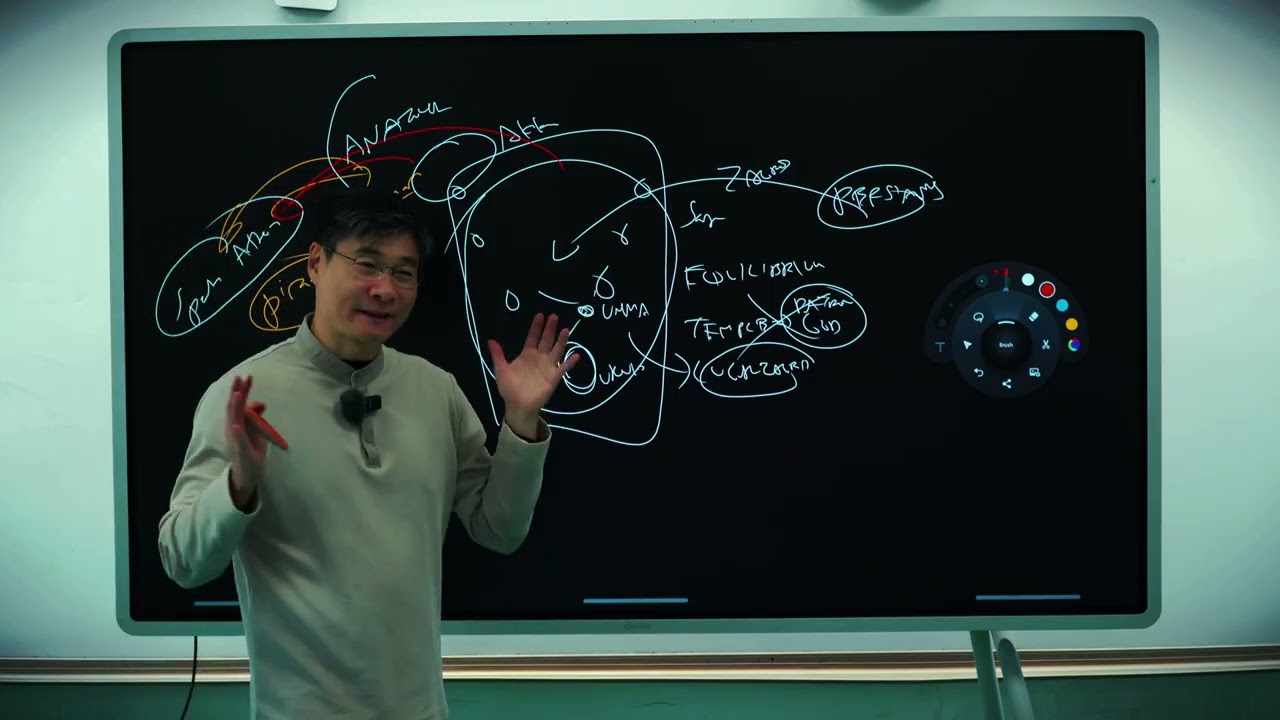
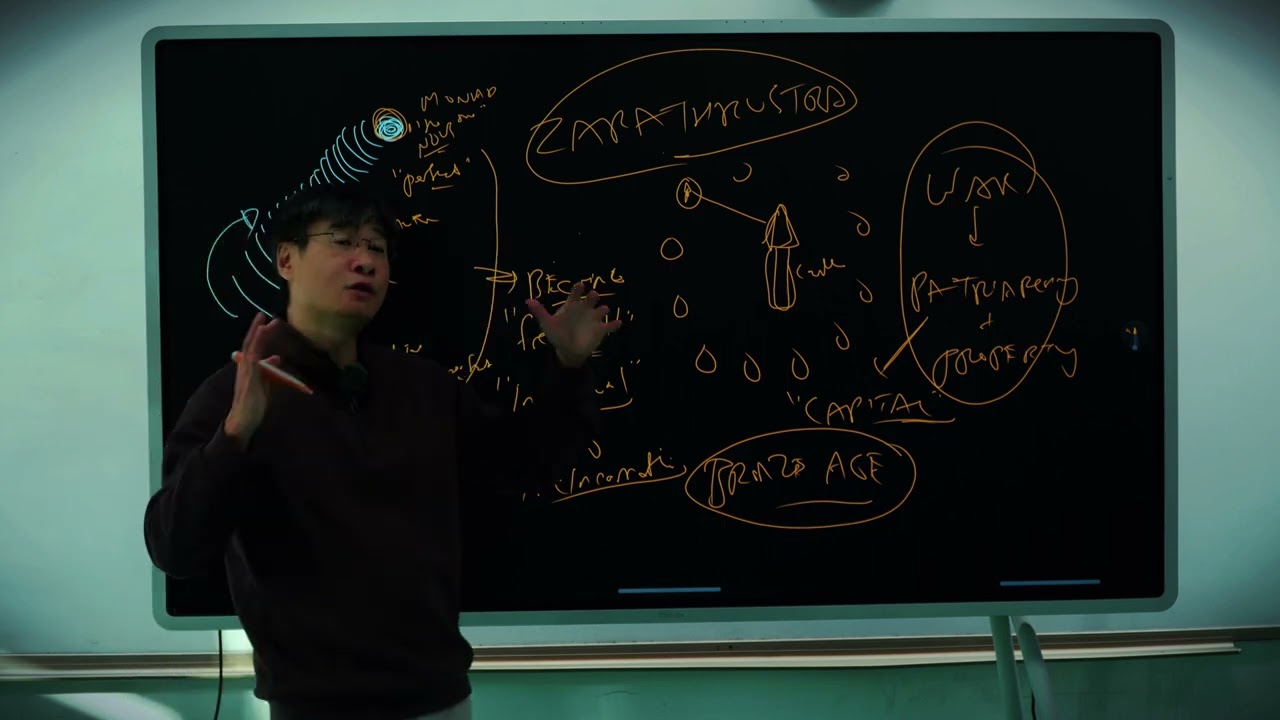
Explores the Big Bang, evolution, human identity, and the limits of current scientific models in understanding the universe and the mind.
Key Takeaways
- The Big Bang and evolution are foundational but incomplete scientific explanations for the universe and life.
- Human identity and personality are complex and not fully explained by genetics or evolution alone.
- Current scientific models have significant gaps, including the nature of dark energy and memory storage.
- Science often resists paradigm shifts even when existing models face unresolved problems.
- Understanding the mind requires integrating neuroscience, psychology, and critical examination of accepted theories.
Summary
- The video explains the Big Bang theory as the origin of the universe and the subsequent formation of stars, planets, and life on Earth.
- It covers the theory of evolution, emphasizing random genetic mutations and survival of the fittest as key mechanisms.
- Human dominance is attributed to cooperation, language, and the ability to store and pass on knowledge.
- Neuroscience insights are discussed, focusing on how the brain filters experiences into memories categorized by emotions.
- The video critiques current scientific paradigms, such as the Big Bang and evolution, highlighting unresolved problems like dark energy and lack of human diversity.
- It introduces the concept of identity as a psychological construct shaped by multiple roles and worldviews.
- The uniqueness of the human mind and personality is questioned, particularly how personality forms from birth despite evolutionary expectations.
- The video points out gaps in scientific knowledge, such as the unknown location of memory storage in the brain.
- It challenges accepted scientific models, suggesting they are paradigms resistant to change despite their shortcomings.
- Overall, it encourages critical thinking about established scientific theories and the complexity of human consciousness.