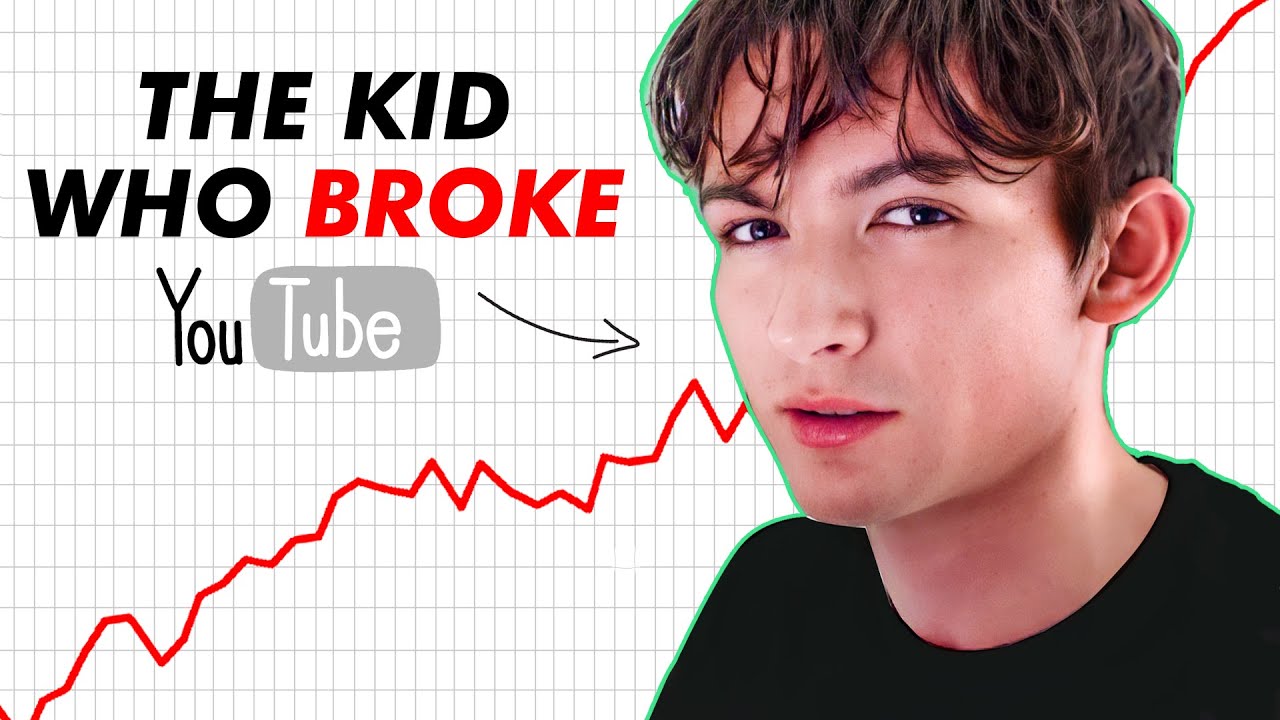
Analysis of Ryan Trahan's $0.01 series reveals a new YouTube growth formula combining retention, episodic accessibility, and audience engagement.
Key Takeaways
- Innovative retention techniques can revive daily vlog formats on YouTube.
- Making episodic content accessible to new viewers is crucial for growth.
- Consistent upload timing and thematic elements build audience familiarity.
- Deliberate imperfection and emotional moments deepen viewer connection.
- Audience engagement tactics like interactive resets can amplify hype and reach.
What the video covers
- Ryan Trahan's $0.01 series has gained 2 million subscribers in a month by innovating YouTube growth strategies.
- The series follows a three-part formula: giving the algorithm what it wants, solving episodic content challenges, and audience hacking.
- Daily vlogs, once considered outdated, are revitalized by Ryan through retention tactics like drip-feeding context and retention sentences.
- Ryan builds familiarity by uploading consistently at 10 a.m. EST and using a recurring theme song and outro.
- The videos are deliberately imperfect, blending retention-optimized moments with emotional, personal connections.
- Each episode includes a four-part intro to quickly onboard new viewers, making the series accessible to newcomers.
- Standalone thumbnails with high click-through color schemes and foreshadowing help attract viewers who missed earlier episodes.
- The series is framed as a high-stakes challenge, merging daily vlogs with current YouTube content trends.
- Audience hacking is achieved through interactive elements like the 'great recess' reset by donations, creating platform-wide hype.
- Ryan's approach outperforms traditional vloggers, even surpassing Casey Neistat's prime monthly views.
Chapters
- 00:00Introduction to Ryan Trahan's $0.01 Series Idea
- 00:40Part One: Giving the Algorithm What It Wants
- 01:23Retention Tactics and Drip-Feeding Context
- 02:03Retention Sentences and Foreshadowing Techniques
- 03:11Building Audience Familiarity and Consistency
- 03:57Emotional Connection and Deliberate Imperfection
- 04:44Part Two: Solving the Episodic Content Problem
- 05:32Standalone Thumbnails and Visual Strategy
- 07:02Part Three: Audience Hacking and Engineering Hype
- 07:53Impact and Platform-Wide Attention
Full Transcript — Download SRT & Markdown
Speaker A
You know what? I have this idea. I can't stop thinking about it. I keep telling myself it's crazy. I shouldn't do it. No, I'm gonna do it. I'm gonna do it. The crazy idea Ryan Trahan is talking about
Speaker A
here has just changed the formula for growing on YouTube. His new daily series, where he crosses America with one penny, has gained his channel 2 million subscribers in the last month. I closely studied each episode and started to
Speaker A
realize something. Ryan has stumbled across a new growth method for YouTubers that was hiding in plain sight. All the episodes in the penny series are built around a three-part formula, a video formula that has turned this guy into
Speaker A
America's fastest growing YouTuber. And it starts with part one: giving the algorithm what it wants. Now, the title of this part might confuse you because daily vlogs aren't supposed to work. They were huge five years ago, but in recent
Speaker A
times, YouTube has been dominated by high-effort content uploaded a few times per month with big stakes and even bigger budgets. The reason vlogs are typically not as good at holding audience retention, the art of keeping people watching from the first to the last
Speaker A
second, is if you give the algorithm a choice between two videos, it will pick the one with higher attention to go viral. But the penny series has changed everything. Ryan uses a few really smart tactics to make these episodes addictive
Speaker A
to watch. First of all, let's watch the intro to episode 1. There's something he does really well here. This is a penny, and I'm going to use it across America in the next 30 days. Here's the rules. Rule
Speaker A
number one: all profit must come from the penny. Hey y'all, can anyone sell me a pen for this penny? You just started a revolution. Rule number two: all grub, boarding, and transportation must come from the profit from the penny. You guys want to buy this
Speaker A
pen for a dollar? Thank you so much. Thank you. Guys, notice how Ryan gives context on how the challenge works and then jumps into action and then repeats the cycle again. I call this tactic drip-feeding context. Ryan does this in every episode to make
Speaker A
sure he never has boring lumps of explanation. He also uses retention sentences throughout these videos. So, I'm telling you now, we basically have everything we need to finish this challenge. Almost. I will explain at McDonald's, and then I'm going to tell
Speaker A
you guys the game plan, which is accompanied by some really, really, really, really big news. And so, I'm kind of vibing. Like, I'm kind of in a good mood. I'm kind of just excited to eat this meal, enjoy it, as long as someone doesn't
Speaker A
freaking reset us in real life on the way to Walgreens. We'll be fine. Why am I not going to be surprised if that happens? Foreshadowing. Like, this is one of the oldest retention techniques in the book. Ryan is constantly teasing you
Speaker A
with what's coming next, giving you a reason to keep watching. Even take this episode, for example. Ryan constantly hints at the next city without revealing what it is. Getting ready to go to the airport to go to the next city. Just have
Speaker A
to shift our focus to the next city, to the next city, in the next city. Doing some research on this next city. I'm, I'm going to—it's a secret. You really think I'm going to tell you? It's literally a secret. It's a surprise. It's literally more fun if you don't know what it is. And then I do that shot where I'm like, it's gonna be worth it. I promise this. Not only helps view duration but also the return rate, so that more people tune
Speaker A
in the next day. When he ends an episode with a sentence like this: I have kind of big news to tell you in the morning, so I'll see you then. You just can't wait for the next video. While these things
Speaker A
are important, lots of other smart YouTubers already do this. The next tactics make all the difference. Firstly, Ryan is putting on a master class in how to build familiarity with an audience. He has uploaded this series at 10 a.m. EST each day, so people can make
Speaker A
it part of their daily morning routine. He also uses the same music throughout the series. This track here is basically the theme tuned to his own sitcom. [Music] And his outro song has been searched 147,000 times this month. But by far the most
Speaker A
important thing is not about the edits or what Ryan cuts out. It's about what Ryan leaves in. His videos are deliberately imperfect. Sometimes this is just as silly as his camera falling. Other times it's sharing an emotional moment with the world. I like, I've been
Speaker A
asking everyone this: if you had the chance to just say one thing to the world, what would it be? Man, if you guys, anybody going through hard times right now, like just straight up be positive and keep moving forward and keep your head up. You
Speaker A
know, that's all we could do. You know, help those who are willing to help themselves. And let's feed America. [Music] The penny series videos are basically a pendulum swinging between retention-optimized moments and deeper connections to his personality. A lot of YouTubers
Speaker A
are neglecting this side of the equation, something Ryan has capitalized on. However, these tactics might have helped him solve the retention issue with vlogs, but there's another major hurdle the penny series needed to overcome, which brings us on to part two: the episodic
Speaker A
problem. Content with multiple episodes has always struggled to bring in new viewers. If you don't watch the first episode, typically you are unlikely to watch any others. Series also often rely too heavily on the audience already knowing the creator. But Ryan solves this
Speaker A
in three smart ways. Number one: each of his episodes has an intro that quickly gets you up to speed with what's happening and hooks you into the story. Ryan typically follows a four-part intro structure: greeting, one-line explainer, update, and first
Speaker A
objective. Follow along yourself. Good morning, sleepyheads. This morning I woke up and forgot I was trying to cross America starting from one penny. It is day six. We have six dollars and 32 cents. We are in Las Vegas, like 10% of the way across the
Speaker A
country. MrBeast, don't you worry even one bit, sweetheart. I'm going to deliver you this penny no matter what. But first, morning routine. A new viewer has all the context they need to enjoy the video right away. The
Speaker A
second thing is Ryan has made standalone thumbnails. What I mean by this is each thumbnail looks like it's for an individual challenge video, not necessarily a series. The secret is Ryan planned and shot all of these images in advance, and it shows. The
Speaker A
concept itself is 90% of why these thumbnails are great. Ryan and his team put together the most interesting action shots to visually show the challenges he was planning to undertake. There's a heavy focus on blue and green
Speaker A
color combinations. These colors are often correlated with higher click-through rates. Just like in the episodes, Ryan also uses his thumbnails to foreshadow the events taking place. The result is images that, when you see them, are interesting even if you missed
Speaker A
previous episodes. And perhaps the most important is number three: the series itself is a high-stakes challenge. In a way, Ryan has fused the daily vlog with the current optimized meta. And just in case you were wondering, for comparison,
Speaker A
Ryan has done more than double the views per month than Casey Neistat did in his prime. High-stakes daily vlogs could be the new algorithm beta. So now we have two parts of the formula: retention and optimizing for new viewers,
Speaker A
but part three is where Ryan's best idea comes into play: audience hacking. You see, as the MrBeast Squid Game video has shown, the best YouTubers not only know how to make great videos, they know how to engineer hype.
Speaker A
How does Ryan do this? The great recess. [Music] I was waiting all video to say that, but really the concept of being reset by a donation is genius. Not only does it give the series a really interesting twist, it
Speaker A
also grabs the attention of the entire platform. Dozens of massive YouTubers have made tweets, shorts, and even full-length videos about their donations. This unlocks new fan bases for Ryan's series. Not only is the algorithm pushing new viewers to his videos, but ot
Speaker A
also grabs the attention of the entire platform dozens of massive youtubers have made tweets shorts and even full-length videos about their donations this unlocks new fan bases for running series not only is the algorithm pushing new viewers to his videos but other
Speaker A
creators are too and the reason it all works the whole series was for a great cause ryan has changed youtube and raised over 1 million dollars for people in need and i'm feeling brave so for every subscriber this video gets i'll
Speaker A
donate not one but five pennies to ryan's fundraiser go ahead bankrupt me [Music]
Topics:Ryan TrahanYouTube growthdaily vlogcontent retentionaudience engagementvideo strategyepisodic contentYouTube algorithmthumbnail designaudience hacking