Skip to content
Get App

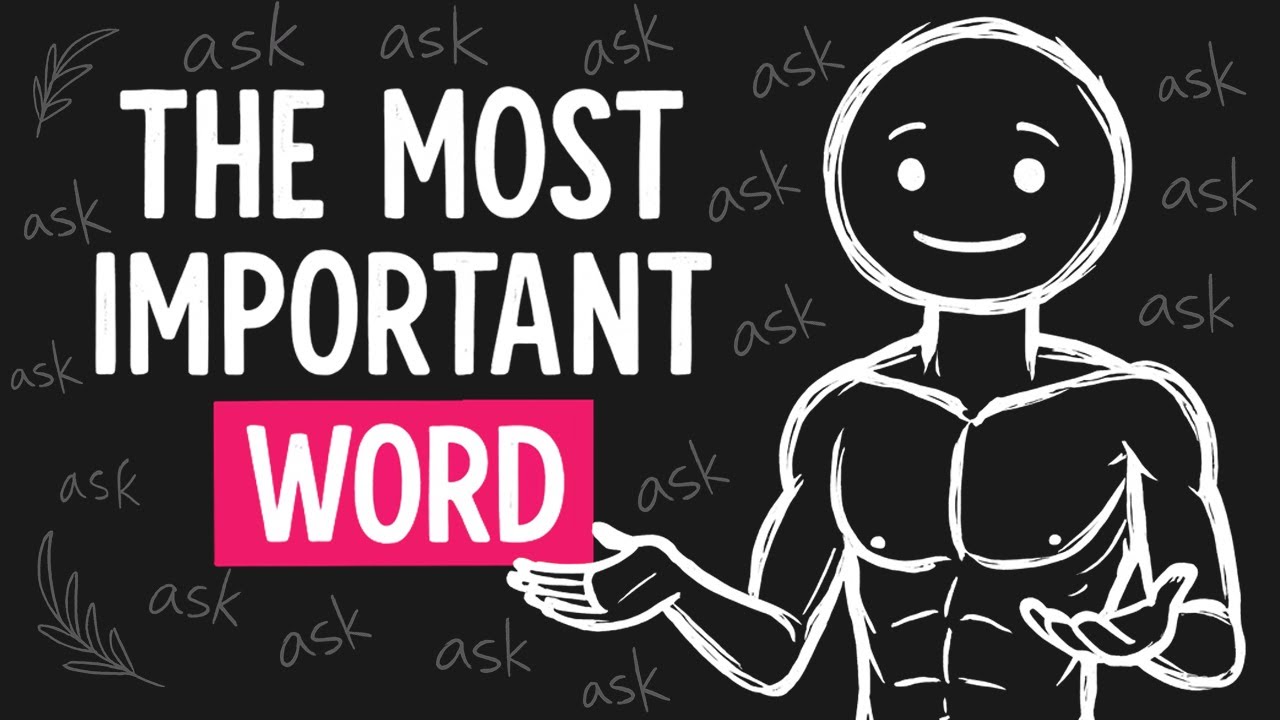
The Learning Method Schools Won’t Teach You

Discover three unconventional learning methods to learn faster and retain knowledge better, bypassing traditional school techniques.

Key Takeaways

  • Making mistakes deliberately helps your brain learn faster by focusing on gaps.
  • Switching between subjects keeps your brain engaged and prevents mental fatigue.
  • Using visual, emotional, and logical techniques together locks knowledge into memory.
  • Traditional education systems resist these methods due to structural constraints.
  • Fast learning is only effective if you focus on the most important content.

What the video covers

  • Traditional schooling and parental teaching often promote ineffective learning habits.
  • The Mistake Method encourages making intentional mistakes to accelerate learning by identifying knowledge gaps.
  • Productive Procrastination involves switching between subjects to maintain focus and prevent boredom.
  • Memory Laundering uses multi-sensory techniques—drawing, storytelling, and explaining purpose—to deeply embed knowledge.
  • Schools avoid these methods due to logistical challenges like class size and rigid schedules.
  • These methods enable fast learning but require focusing on the crucial 20% of content that matters most.
  • The video provides practical examples, such as learning history and chemistry, to illustrate each method.
  • Memory champions succeed not because of superior brains but because they use better information processing techniques.
  • The video promises a follow-up on how to identify the most important material to learn efficiently.
  • Overall, it challenges conventional learning approaches and offers actionable strategies for rapid mastery.

Answers

Questions about this video

What is the Mistake Method and why does it help learning?

The Mistake Method involves making intentional mistakes to identify gaps in knowledge. This helps the brain learn faster by focusing on what you don't know rather than only reviewing what you already understand.

How does Productive Procrastination improve focus?

Productive Procrastination improves focus by switching between two subjects when boredom or fatigue sets in. This tricks the brain into thinking it is escaping work, keeping it engaged and alert.

What is Memory Laundering and how does it aid retention?

Memory Laundering is a technique that involves reading, drawing, storytelling, and explaining the importance of information. This multi-sensory approach embeds knowledge in multiple brain areas, making it nearly impossible to forget.

Full Transcript — Download SRT & Markdown

00:00
Speaker A
You've been learning wrong your whole life. Schools taught you wrong. Your parents taught you wrong. Everyone's an idiot. You think learning takes months, years even. You think you need to sit in classrooms, take notes, do homework, study for tests. Wrong. Some people
00:15
Speaker A
learn entire subjects in days, not because they're smarter, because they know three methods. I'm about to show you exactly how they do it, and by the end of this video, you'll never approach learning the same way again. Chapter
00:26
Speaker A
one, the mistake method. Schools say avoid mistakes. Get it right the first time. Study hard so you don't mess up, idiots. The truth? Make mistakes on purpose, right from the start. Your brain learns faster from failures than successes. Example, learning about World
00:41
Speaker A
War II. Close the book first, then ask yourself, explain what happened in World War II. Start talking. So, Germany invaded Poland and, uh, something about Japan attacking. And wait, how did America get involved? Exactly. Hit a roadblock. Perfect. Write it down. Need
00:56
Speaker A
to learn America's entry into war? Then go back and read just that part. Fill the gap. Try explaining again. Keep repeating. Close book. Explain again.
01:05
Speaker A
You're failing every few minutes on purpose. Your brain only remembers the stuff it struggled with. Schools can't do this. Why? Class size. One teacher, 30 students, no time to track each kid's mistakes. Easier to teach everyone the same thing. But knowing what to learn is
01:18
Speaker A
only half the problem. The other half, actually focusing long enough to learn it. Most people can't. The second method fixes this. Chapter two. Productive procrastination. Your brain gets bored easily. When it's bored, it looks for escape. Use that. Pick two subjects you
01:34
Speaker A
need to learn. Math and Spanish. Start with math. Your brain gets tired. Wants to quit. Perfect. Don't quit. Switch to Spanish instead. Suddenly, your brain wakes up. Spanish feels like freedom.
01:45
Speaker A
You focus way better. Why? Your brain thinks it's escaping math. Spanish becomes the fun option. Even though Spanish is also work, your brain is an idiot, but a useful idiot. Keep switching. Math gets boring, switch to Spanish. Spanish gets hard, back to
02:00
Speaker A
math. Your brain never gets tired. Always thinks it's escaping to something better. Schools hate this. Why? It destroys their schedule. No structure.
02:08
Speaker A
Students learning different things at different times. Chaos. Administrators need predictable curriculums. This isn't predictable. But what if you forget everything next week? Most people do.
02:18
Speaker A
The third method fixes this. Makes forgetting impossible. Chapter 3. Memory laundering. This makes knowledge stick forever. How you wash information through different brain parts? Step one, read something for 5 minutes. Normal.
02:31
Speaker A
Step two, draw it. Your visual brain wakes up. Step three, make it a story or a joke. Your emotional brain locks it in. Step four, explain why it matters.
02:40
Speaker A
Your logical brain locks it in by understanding the purpose. Example, chemistry. Atoms have electrons, protons, neutrons. Read about them.
02:47
Speaker A
Boring. Now, draw them as party guests. Electrons are the crazy ones dancing everywhere. Protons are the bouncers keeping order. Neutrons don't care about anything. Next, make a story. Electron walked into a bar. Whatever. Be stupid about it. Finally, explain why it
03:01
Speaker A
matters. Electrons jumping around is why electricity works. Protons staying put is why atoms don't fall apart. Neutrons are like the chill roommate keeping everything balanced. Your logical brain locks it in by understanding the purpose. Now, that information lives in
03:15
Speaker A
four places in your brain. Try to forget it. You can't. Memory champions use this. They don't have better brains.
03:20
Speaker A
They just launder information better. Smart people, not idiots. Here's the problem, though. You can use these three methods to learn fast, but if you don't know how to find the crucial 20% worth learning, what's the point? Most people
03:32
Speaker A
get these methods, but still waste time on the wrong things. They learn fast, but learn the wrong stuff. That's why I made this video breaking down exactly how to learn anything so fast, it's almost unfair. Watch it next.
Topics:learning methodsfast learningmemory techniquesproductive procrastinationmistake methodmemory launderingstudy tipseducation reformfocus techniquesBetterU

Get More with the SozAI App

Transcribe recordings, audio files, and YouTube videos — with AI summaries and speaker detection. 30 minutes free.

Or transcribe another YouTube video here →