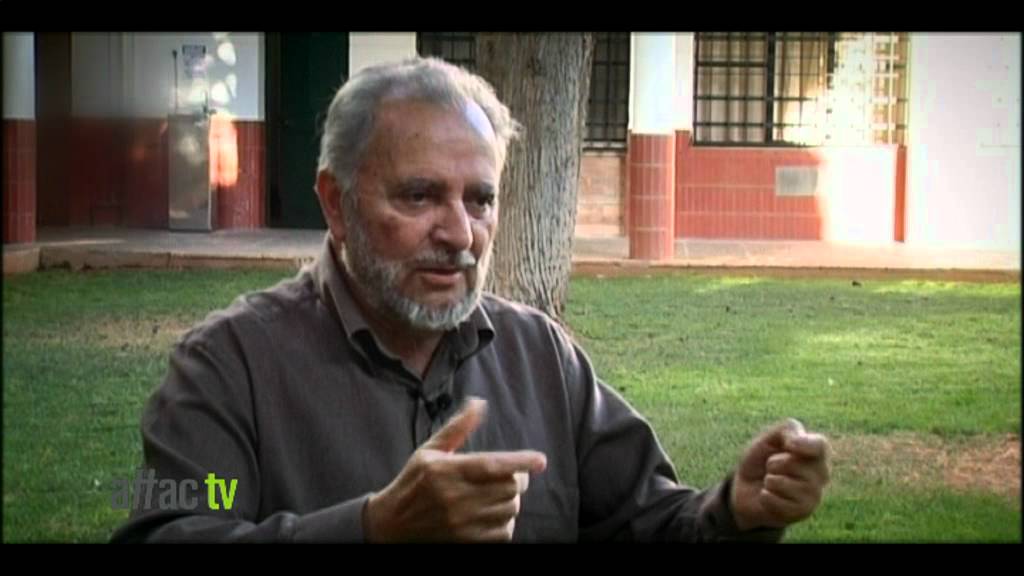
‘Overwhelmed with death threats’: Pollard explains why … — Transcript

Jonathan Pollard explains why he withdrew from Knesset race amid death threats and political pressures from both left and right.

Key Takeaways

  • Pollard withdrew from politics due to severe backlash from both political left and right.
  • His political views emphasize strength in hostage negotiations and skepticism of current government policies.
  • He calls for a more principled conservative right-wing movement distinct from Netanyahu's Likud.
  • Pollard highlights the importance of Israel's military and strategic independence from foreign influence.
  • The October 7 attacks marked a turning point in his political and personal outlook.

Summary

  • Jonathan Pollard announced his Knesset candidacy but withdrew due to overwhelming death threats.
  • Threats came mainly from the left due to his stance on the hostage crisis, advocating strength over concessions.
  • Right-wing critics, especially Bibi supporters, accused him of insufficient gratitude toward Netanyahu for his release.
  • Pollard expressed thanks to multiple individuals and divine intervention for his release, not solely Netanyahu.
  • He criticized the Israeli government’s response to the October 7 attacks, feeling betrayed and abandoned.
  • Pollard identifies as a conservative nationalist and rejects being labeled a Bibi loyalist.
  • He argues Likud lacks a clear conservative philosophy and criticizes Netanyahu for pulling back on key right-wing policies.
  • Pollard advocates for military self-sufficiency and strategic independence, emphasizing an 'Israel First' doctrine.
  • He recounts historical examples of Israel asserting independence in military decisions, contrasting with current US influence.
  • Pollard stresses the need for a reconfiguration of the right-wing political landscape in Israel.

Full Transcript — Download SRT & Markdown

00:00
Speaker A
Jonathan Pollard, hello. How are you? Fine, thank you very much. You know, you're one of my many heroes. I even did a whole podcast about you myself, like 40 minutes.
00:10
Speaker A
The whole story with everything that you've been through. Mhm. I'm not sure if it was 100% correct, but I hope so.
00:18
Speaker A
Uh, thank you. Thank you. Thank you. And let's start with the politics stuff. Forty-eight hours ago, you announced that you're running for the Knesset.
00:28
Speaker A
And anything changed? Yes, I decided yesterday, uh, for several reasons to withdraw. Um, I had heard that it was going to be a quote bumpy ride.
00:41
Speaker A
Uh, and, um, those predictions were correct. I got, um, overwhelmed with, uh, death threats.
00:50
Speaker A
Death threats? By who? The major problems were from the left.
00:58
Speaker A
From the left? From the left.
01:16
Speaker A
Care? Because of my position on the hostage, um, crisis. Um, it was a problem over the past couple of years because again of my, uh, position that, uh, the hostages should be brought out by strength, not by, uh, concession.
01:36
Speaker A
And there are people on the left who, um, made a career out of using the hostage crisis as a means of undermining the coalition government. So, when I came out with my positions and I reiterated them recently, um, this lit, uh, a fire, uh,
01:45
Speaker A
Really? Under these guys and it was pretty bad. On the right, uh, the problem comes from, if you'll excuse me, the Bibi-ists.
02:03
Speaker A
Really? And they feel that I have not shown enough hakarat hatov for the president, uh, for the prime minister, for, uh, securing my release. And I tried to tell people that I have expressed thanks to Bibi each and every time that I've been
02:26
Speaker A
asked. However, it doesn't mean that I, uh, hold my view of current the current situation, the matsav, hostage to some presumed lifelong obligation to thank Bibi for having secured my release. There were other people who, who figured perhaps more prominently in my
02:44
Speaker A
release and this included not the least of which was Hakadosh Baruch Hu, of course. Uh, my late wife Esther alav hashalom, Ron Dermer, uh, Miri.
02:55
Speaker A
Really? Yes, very much. Miri and, uh, Sheldon Adelson and Rabbi Pesach Lerner.
03:15
Speaker A
There were a host of people that played very important roles in securing my release at the end of the Trump administration. And they seem to have just been forgotten.
03:26
Speaker A
Um, so yes, I owe thanks. I am thankful to the Prime Minister for allowing Ron to work for my release. However, when October 7th came, everything ended for me as far as my thanks was concerned.
03:44
Speaker A
Uh, up until October 7th, I labored under the misperception that I, my abandonment and betrayal were exceptions to the rule.
03:59
Speaker A
You know, I still believe that we never left a soldier behind. Well, on October 7th, what I saw was that the government, the army, and the intelligence community had betrayed and abandoned the entire country. And it was at that point that I just said, um,
04:11
Speaker A
I can't remain silent anymore. Two, two, two questions about it. One, so they're scared that you will have a lot of mandates. So, you don't know, not sure how to say it in English. A lot of voters? That you will, you will battle
04:27
Speaker A
the Likud in the elections? The left actually wanted me to keep more. They wanted it in order to pull votes from Bibi, but they didn't understand a fundamental fact about me.
04:47
Speaker A
I'm a conservative. I'm a nationalist.
05:02
Speaker A
Yeah, I think that's understood.
05:20
Speaker A
Yeah, and any, any votes, any mandates that I had was lucky enough to, to win with Otzma Yehudit, the party that I was running under, would have gone into a conservative
05:35
Speaker A
coalition, but the left sometimes, you know, they, they don't understand things if it, you know, they have their own conceptia, if you will, or misconceptia of political reality. And the right mostly Bibi's partisans felt that I was undermining him by
05:42
Speaker A
pulling votes away from him. Uh, but anybody who has listened to me or has read what I've written over the since October 7th knows that I am not a Bibista. I consider Bibi part of the problem.
05:53
Speaker A
And, um, I, I want a reconfiguration, if you will, of the right wing. The Likud right now is not a right-wing party. I've asked people if they could please explain to me what the political philosophy of the Likud is, and I get these blank
06:14
Speaker A
stares, and they say, "Well, it's Bibi." Isn't it just because it's a very big party, and the bigger the party is that she can have a specific It's the big tent. It's the big tent, um, It's like the
06:22
Speaker A
Democrats and the Republicans. They have to include everything. The, the problem is with the Likud.
06:38
Speaker A
Uh, they don't really act on anything. In, in a, uh, from a conservative standpoint, there are many things I can point to where Bibi pulled back.
06:53
Speaker A
Um, this includes the application of civil law to Jewish settlers, uh, Jewish citizens, Israeli citizens in Judea and Samaria, uh, to any number of other, other things with regard to sovereignty, even a limited application of sovereignty in the territories. I mean,
07:04
Speaker A
I could just go through lists and lists. Things like abrogating Oslo, saying the whole thing is a joke. It's been a murderous joke and we've got to stop it.
07:22
Speaker A
Again, you know, I, I can spend literally hours where many members of the Likud, true to a conservative philosophy, wanted certain legislations passed. Okay.
07:38
Speaker A
And Bibi just stepped in and said, "No."
07:47
Speaker A
But isn't the, isn't it one of those things that Ariel Sharon once said, uh, "Things that you can't see from here, things that you can't see from here, you see, you see another way while you
08:00
Speaker A
get to the, to be the prime minister. You have those limitations, the Americans, the Europeans, the
08:14
Speaker A
This, this is a very important point that, that you just raised, and it's one that is not raised enough.
08:22
Speaker A
Donald Trump, he says, "No." You say, "I want to." He says, "No." [snorts] Two of the most important principles that I've been trying to push are on the one hand, the need for military self-sufficiency.
08:31
Speaker A
But this, okay. Just, let's just deal with it on a principle basis. And we now know I, I'm sorry we had to be hit over the head by this, but in light of our experiences during the Biden administration, that military
08:43
Speaker A
self-sufficiency to the largest extent that we can, we can, we can accomplish that is in our national strategic national interest.
08:58
Speaker A
On the other side of that coin is what I call strategic independence. And that means developing a concept of Israel Rishona.
09:21
Speaker A
An Israel first doctrine. And I'll give you an example of that. You remember that during the Biden administration we were just about to go into Lebanon. Because we Hezbollah finally came in.
09:31
Speaker A
Was bombarding us. Um, seventh day or the 10th day, something like that. It was like almost two weeks after the war in Gaza started.
09:39
Speaker A
Okay. Okay. And, um, the Biden administration made it very clear that we were only to go in partially.
09:50
Speaker A
And even then for a very short period of time. And most of us understood that this was an opportunity that we had to finish off Hezbollah.
10:06
Speaker A
Okay. And we blinked, as they say. We blinked. So when I discuss this matter with certain people in the Prime Minister's office and in the Kirya, I reminded them of something.
10:21
Speaker A
That during the '73 war, mhm, when Kissinger stopped the aerial supply of Israel, uh, our government, and I have to say this for legal reasons allegedly, okay, parked an aircraft at Tel Nof airbase, an A-4 Skyhawk with two unconventional weapons under
10:37
Speaker A
its wings. Okay. And we told the Americans to fly their satellites over at a certain time and to take a look at that airplane.
10:55
Speaker A
And the next day the airlift commenced.
11:00
Speaker A
Yeah, but I'm not sure you can do this time with Donald Trump. I think he will overreact to it.
11:09
Speaker A
No, we're dealing with Biden. Ah, okay, we're still with Biden. And so I was asked, the people on every time I mentioned this story looked at me in horror.
11:16
Speaker A
And they said, you won't, you, you would do this again. War. And I said, I don't view nuclear weapons as something that is that bad. It's because of my training. I was trained basically as a Soviet General Staff
11:32
Speaker A
Officer. I wasn't trained as an American Staff Officer. What do, what does this mean? It means that I unders- my understanding of weapon systems and how they're to be used is fundamental.
11:42
Speaker A
Okay. Um We started to be dependent only on the American weapons. On the American weapons. We were shocked at what happened when France embargoed when de Gaulle um embargoed the Mirage 4 I think there were 50 of them.
11:57
Speaker A
Something like that. Um and suddenly we found ourselves dependent crim- I say criminally dependent on the United States. And one I remember I went to uh Israel Aircraft Industries for a meeting 2 years ago. I think it was 2 years ago.
12:16
Speaker A
And I walked by this mock-up of an airplane and I stopped. And I looked at it. And it was the Lavi.
12:23
Speaker A
Lavi. And one of the gentlemen that was escorting me to the meeting said, "What are you thinking?" Because I was just standing there looking at it. And I said that was maybe the last opportunity we had to be independent.
12:39
Speaker A
to be independent. course. And um there it is as a museum piece. Well, I don't view our independence as something that's contextual. That is as dependent if you will on anyone's goodwill. You know, they gave us an inch, so we took a
12:58
Speaker A
quarter of an inch. I'm not looking for that. I'm not looking for favors. And especially when you're dealing with a madman, and yes, I just said it, a madman like Donald Trump.
13:10
Speaker A
For the good or for the worst. For the good or for the worst. He does not respect weakness. This is why Who is heroes?
13:18
Speaker A
Erdogan. Yeah. God forbid. Erdogan. Putin. Yeah. Okay. Kim Jong-un. I mean North North Korea. I mean these are his heroes. Yeah, yeah. So, you've got to be a tough guy.
13:31
Speaker A
in them. Because he's jealous that he can't act in in some way similar to them.
13:36
Speaker A
Yes. So, when Bibi is accommodating, slavishly accommodating to him, I call Bibi a doormat for him.
13:45
Speaker A
Basically, you have no respect from a guy like Trump. But does he have a choice? Yes, he has a choice.
13:51
Speaker A
a choice? I Can he tell Donald, "I'm uh I found out through my experiences in 30 years in prison that an individual always has a choice. The consequences may not be to his liking.
14:05
Speaker A
Yeah, exactly. We are afraid of the consequences. sometimes you have to do what's right even if it if the consequences of of acting on your own self-interest may seem at the moment to be negative.
14:20
Speaker A
You still have to act independently. Look, um as far Let me give you an example of where something like that works.
14:30
Speaker A
At the end of the 12-day war, Okay. as you remember, Donald said to turn off the planes.
14:37
Speaker A
Correct, but he used an epithet. He used profanity. [ __ ] planes, yeah. Yeah. Exactly.
14:44
Speaker A
And at that moment, Bibi should have said, "I'm sorry, I didn't get your communication. I didn't hear it on time. It was too late.
14:54
Speaker A
too late, and the planes were en route, and they dropped their bombs, and okay.
14:59
Speaker A
It wasn't working. There was a storm. and let the planes come back. But instead, he turned the planes around.
15:06
Speaker A
And that was a I consider it a criminal mistake, not criminal in the legal sense, but in the in the sense in the sense of morally. It was uh it was a criminal mistake. We lost four wonderful people in Beersheba
15:22
Speaker A
because of that. And for me, even losing one person is one too many. Jonathan, is it possible we we probably share the same views on a lot of things, but is it possible that Bibi in his position as prime minister
15:39
Speaker A
sees a lot of things that we just don't get them? For For example, his relationship with Donald Trump, maybe he's certain 100% the moment he says it tells him no, he will stop all the weapons, stop all the
15:53
Speaker A
relationships, abandon us in the United Nation, or something like that. Oleh I Oleh I what? That he will abandon us?
16:01
Speaker A
Before the last election in the United States presidential election, I was asked um who I was in favor of. Okay.
16:11
Speaker A
And I said, you know, of course Donald Trump. I mean, okay. But, I said, "Oh, I wouldn't be unhappy if uh Kamala Harris had been elected or was to be elected. And uh they looked at me like I
16:24
Speaker A
was a Michigan and she said, "They said, why on earth would would you be okay with that?" I said, "If it works out that way, I would be okay with that because her administration would force us to become
16:40
Speaker A
independent. We wouldn't have a choice. We would have to as as I like to say, put on our big boy pants and start acting like we were a nuclear power.
16:51
Speaker A
But do you think it's possible to with that will be totally self Totally self No country is is an you know, an autarky. No no country is completely independent. Even North Korea, as an example, is is absolutely dependent upon the Chinese and the
17:08
Speaker A
Russians for military support. Look, I laid out I have laid out over the past 3 years um three or four strategic projects that we absolutely, positively must uh, industrialize if we are to have uh, a on the one hand a deterrent and on the
17:29
Speaker A
other hand a war-winning military machine from day one, first strike. Okay. And these are not nuclear, okay?
17:36
Speaker A
Let me just get that out. And when I've talked about I've written about them in fact in uh, Israel National News.
17:43
Speaker A
And when I talk about them with military industrialists at the highest of levels here or people from the Kirya who are in the weapons procurement and R&D departments uh, they look at me and they say the same thing. The Americans won't let.
18:04
Speaker A
And my answer to allow us to develop our us to do that. And my response to that is is it possible to develop these systems in collaboration with other countries?
18:17
Speaker A
Probably yes. Yes, and they admit yes. But it's this look of fear on their face that just communicates to me the fact that they don't see us as independent.
18:30
Speaker A
You know what it reminds me of? The spies, the American dream the American dream who said we were as grasshoppers, you know, in the eyes of the giants.
18:37
Speaker A
Well, this is the same look I saw on their face and I said but look I came with an incredible amount of money uh, from uh, an overseas investment company Okay. for a the production of a certain weapon
18:54
Speaker A
system here. It was an extraordinary amount of money. And I tried for a year to get this company's attention.
19:04
Speaker A
Uh, and they they were scared. Of course. Not about me. Not about where the money was coming from but the fact that the Americans would never allow them to develop this system.
19:17
Speaker A
So, again, as I said, I've done everything publicly. I've I've written about this in Israel National News extensively uh about the three or four weapon systems we absolutely have to produce and they'll be One of them is what we call a hypersonic
19:35
Speaker A
glide vehicle, an HGV, and the Chinese have an interesting cheap version. It's $100,000. That's all it is. Uh we need maneuvering reentry vehicles on ballistic missiles, and we need uh a collaborative combat aircraft, a CCA of a design that I came
19:52
Speaker A
up with uh from World War II. It's a It's a German design. And a strategic bomber, unmanned strategic bomber. You mean like B-52, but with no pilot?
20:03
Speaker A
a like a B-2, B-1, or yeah, but and everybody keeps telling me we can't build this, and we can. We actually can.
20:12
Speaker A
So, these are just some of the things that uh the programs that I've talked about uh practically speaking.
20:19
Speaker A
And everybody admits, yes, they would be critical for us um either to prevent or to win the next war.
20:28
Speaker A
Um but nobody wants to take the risk. Look, the procurement process in the Kirya has to be completely reformed.
20:37
Speaker A
Okay? I've talked to a lot of technical people in this country from startups who don't want to take any money from the Kirya, none, because the red tape and the just the bureaucratic hassle is too much.
20:53
Speaker A
much. I know. So, they they get their own private money and uh baruch hashem, they come out with with wonderful equipment.
21:01
Speaker A
Okay. Here's a problem with the drones that suddenly it's a problem. Well, it shouldn't have been suddenly.
21:08
Speaker A
Yeah, it's a problem for seven It's been around for correct And when Bibi, and here the Bibists are going to be, you know, sweating bullets when I say this and gnashing their teeth. Okay, Bibi, you know, today comes
21:22
Speaker A
out with a statement. Yeah, I told them this seven years ago. Yeah. Well, excuse me.
21:27
Speaker A
It's like a man telling a woman, "I love you." and then waiting 10 years before saying, "I'd like to marry you." It doesn't work that way. Yes, as a Rosh Hamemshala, if he knew that there was a problem, then he had the ability, he had
21:40
Speaker A
the the legal ability go and do something. Go and do something. He didn't do that.
21:47
Speaker A
And it's the same Give me a solution in two months. He was in my office. Correct. Look, everybody knows or should know about the drone problem down in the Negev.
21:58
Speaker A
Yes, of course, with the smuggling of With the smuggling and everything else. And when I wrote a a a possible solution, which I published in I Israel National News, when I wrote a possible solution, uh all the technical guys in the army that I
22:16
Speaker A
shared this with said, "We could do this tomorrow." It can't be that difficult to handle it.
22:21
Speaker A
It isn't. It isn't. It isn't. The men that we have lost, the so the Hayalim that we have lost in Lebanon because of the drones, the blood is on the hands of the Kirya and the Rosh Hamemshala, and that means
22:36
Speaker A
Bennett as well, not just Bibi. There are solutions right now that we could adopt, not just the nets that they're using to put over It's ridiculous because all the Hezbollah has to do is put a proximity fuse on these drones so that the minute
22:52
Speaker A
they stop uh they go off. And then what happens? Okay, so this is window dressing, as we say. This looks like they're doing something okay?
23:02
Speaker A
Um there are very practical things that we could do that would save lives. And we aren't doing them.
23:07
Speaker A
aren't you doing it? Because there's a bureaucratic mindset right now in the Curia. The as I said, the procurement office and the and MOFA, you know, the the the part the the division that's involved with the developing things.
23:23
Speaker A
They're they don't understand world war. They think, you know, like the Americans think actually that we have all the time in the world to figure something out.
23:32
Speaker A
So, we have a procedure that has to go step by step. another 45 minutes ceasefire another 45 days ceasefire?
23:41
Speaker A
How how do the Americans sees it? They know that they're still fighting on the border. They see all the drones, the missiles. We attack, they attack. How can they consider it a ceasefire?
23:52
Speaker A
Oh the am I missing something here? the Second World War started in the West, this is during the winter of of 1940.
24:02
Speaker A
There was what was Poland, right? When Poland was September '39. That lasted a few weeks.
24:09
Speaker A
But, [clears throat] um, when war was turning to the West, there there was what was called not a blitzkrieg, but a sitzkrieg, a sit sitting war by the West. And they sat.
24:25
Speaker A
What do you mean? What What do you mean? The Germans performed what's called blitzkrieg in against Poland and the West Stahleut. in the West practiced what was called sitzkrieg, sitting. They just didn't do anything. They just sat there.
24:40
Speaker A
Well, in many respects, this is worse what Trump is doing. It's worse by saying we're going to have 45 more days or 10 more days or 10 hours or whatever.
24:52
Speaker A
What what happens at a minimum is that you're telling the Iranians we're scared. I mean, that's how they see it. Yes, of course.
24:59
Speaker A
And this is a problem with with the Americans for the past 47 years, ever since the Iranian Revolution, when [clears throat] the Khomeini came into power, they really haven't appreciated the nature of the threat in Tehran. They think that they're just, you know, like
25:16
Speaker A
thugs and we can deal with thugs. We can have a deal, okay? Every administration has felt that way. But they they have smart people, they have CIA, they have all the spies in the world, satellites.
25:28
Speaker A
I don't know. Just remember this is this is They don't really understand No, they don't. How can they not understand that the Iranians don't see the world the same way do they do? They they don't.
25:40
Speaker A
I know that when I was in the intelligence community and working on terrorist-related problems, I had to explain to people what the nature of jihad was.
25:53
Speaker A
And I got waved off, you know, we don't want to hear this. This is Why not? Why they don't want to Because they didn't believe in it. You know, these are normal in what? These are normal guys, you
26:02
Speaker A
know, they they're just using the issue or the the the topic or the idea of jihad as a cover for what they're doing.
26:09
Speaker A
And I and I kept telling people and I kept telling them they really I kept telling them they really believe this stuff. You know, they strap on bombs, they walk into a supermarket and kill 40, 50 people because they think they're
26:24
Speaker A
going to heaven, paradise with 70 virgins. And I got laughed at. Really? You know, are are you serious? This is this is stupid. What's the real politics in here?
26:35
Speaker A
No. So, why do why do they think that it's a cover for what? They think that these are just regular people who are using religion uh in an unusual way. And I tried to tell them at the time, this is how long
26:50
Speaker A
ago was this? 40 years ago? That if you think, you know, the North Koreans are crazy, you're wrong.
26:59
Speaker A
They they have a very logical and predictable strategic doctrine, which is regime survival. The Iranians don't think that way.
27:12
Speaker A
They do not think that the IRGC and and the mullahs, they do not think this way.
27:18
Speaker A
You know, these are the 12ers she is. You know, this is their philosophy. And they look at me and they go, "What is that got to do with anything?" So, you have to understand that there yes, there are a lot of people, thank
27:31
Speaker A
God, in the American intelligence and military community that do understand the nature of the IRGC, but they're essentially powerless powerless to take a guy, any of [snorts] the presidents for that matter, and Trump in particular, who keeps thinking
27:47
Speaker A
a deal. This is why he says the most idiotic things that you might say in a real estate deal to scare the other guy.
27:56
Speaker A
But all it does is communicating to the Iranians, as you just said, you know, it's another another ceasefire, that this guy is He doesn't want to go to fight. He doesn't want to fight.
28:07
Speaker A
When I was in in prison, there's a joke that we had that, you know, a guy is being pressured and then he has to prove his his manhood, right? So, he picks a fight with the biggest guy right in front of
28:20
Speaker A
the captain's office, knowing that this fight isn't going to last very long before the captain and his Oh, all the time. And it's off. And the coward is dragged off screaming, "Let me fight. Let me fight. Let me fight."
28:34
Speaker A
Well, this is how this I mean, this is crazy, but Trump reminds me of that coward that picks a fight and then tries to scare the other guy with his rhetoric. And and sorry, it doesn't work that way. All you're communicating is
28:49
Speaker A
weakness. He doesn't see it that way. Uh I, as I said, was trained by the Soviets.
28:56
Speaker A
Uh and the Soviet military doctrine was when you go to war, you hammer the enemy until there's nothing left of him. Yes, it You reduce the cities to dust, you kill his soldiers, and you terrorize his people.
29:10
Speaker A
And then you declare victory, okay? It makes sense. It makes sense. The Americans used to fight that way during the Second World War.
29:18
Speaker A
No, but it was too long ago. But that was too long ago. 80 years ago.
29:23
Speaker A
Yeah, and they they've forgotten how to wage decisive war, and unfortunately, we picked that infection up. How would I forgot the name, the the guy that Trump sent to all of his missions around the world?
29:35
Speaker A
Whitkoff? Whitkoff. I see him in an interview, and he says something like, "The president is very frustrated that the Iranians don't respond the way he wants to, and then they they don't surrender." They don't have anyone to explain him
29:52
Speaker A
how it works. That they are crazy? No. That they're genuinely crazy? Stephen Whitkoff. It's an example, it's not No, no, you have to be specific in this matter. Both uh Jared Kut- Kutner Kushner and uh Whitkoff are not the sharpest pencils in the box.
30:14
Speaker A
Okay. In what way? End of story. They're stupid. Ah, okay. And they really they don't really know they don't them geniuses or something genius? No. I don't know. No.
30:27
Speaker A
The the Qataris saved him from total bankruptcy. And when you involve a guy like uh Tom Barrack, who is the special representative for Syria, for example.
30:39
Speaker A
Yeah, he's the ambassador in Turkey now, right? the ambassador to Turkey. Um this guy is even more dangerous because he's encouraging Al Julani and I continue to call him that the the new head in Damascus trying to portray him as someone you can
30:56
Speaker A
work with. You can really work with this guy. Um frankly, what Bibi did with the Druze was um unbelievably bad.
31:10
Speaker A
When Al Julani's Syrian army and the Jihadis that he had hired went into Sweida, we knew about this days in advance that they were going to come in and commit genocide.
31:24
Speaker A
Everyone knew. And I asked at the time, um I saw the pictures. I mean, you can get satellite photography from everywhere now.
31:33
Speaker A
Um do you know that there's going to be an invasion? And they're going to commit genocide.
31:39
Speaker A
And yes, everybody I asked said, yes, absolutely. And I said, "Avel?" Avel, Donald Trump is not allowing it.
31:46
Speaker A
Did you? That's exactly Al Julani. He's a pretty Correct. And so tough handsome uh Yeah, yeah, he's a tough guy. He's a handsome guy. He's somebody we can work with. He's got a He's got a hard job. I think that was
31:59
Speaker A
the Okay. Hard hard, right. So hard pass, right. So the issue at that point was we were going to commit allow someone to commit genocide on our border against allies of ours.
32:15
Speaker A
And if the Druze community in Israel had not essentially threatened Bibi politically at the time, that genocide would have occurred.
32:26
Speaker A
Yeah, they stormed the fence. They stormed the fence. They did what was necessary. This is why when the Druze decided to start their own party or certain members of the Druze community decided to start their own party, the
32:37
Speaker A
Brothers Party. Um I was actually in favor of that. Um I'm not sure they have enough people to It's enough to scare that It's enough to scare.
32:49
Speaker A
Because when the Likud depends on them for let's say one mandate or maybe even to make up one mandate or two.
32:58
Speaker A
It's like with me, you know, how many people am I was I going to draw off from the Likud? The fact of the matter is we have a what we call a pact of blood with the Druze. I consider the Druze blood
33:09
Speaker A
brothers us. And so when you look at Sweida or the Bashan or Aldara up north the governates the three governates in southern Syria.
33:21
Speaker A
We don't think geostrategically. Forget about Jolani. Forget about Donald Trump. I am principally worried first of all for the welfare of the our Druze brothers across the border, but secondarily if Jolani and his Islamists actually occupy reoccupy that area.
33:41
Speaker A
That they will eventually the Turks. We will have the Turks right on our border. We will eventually will.
33:47
Speaker A
We eventually will and I'm not so sure that we will have as easy a time with the Turks as we've had with the Iranians. I I've been following Turkish um military doctrine and army in the Middle East? The storm is
34:08
Speaker A
coming. Yes, of course. I'm I And they are member of NATO. And even worse, they're a member of NATO. So I look at Iran as a problem we absolutely have to finish.
34:20
Speaker A
And I'll explain what I mean by that. Gaza, same thing and the uh Hezbollah. Why? Why am I fixated on this now? Because we have to be prepared for the next war which will be probably against Turkey and Egypt. So
34:37
Speaker A
not. with I hope not also, but we you know, hope you remember it was the last demon out of Pandora's Box and there's a reason for that. So when it comes to the Iranians, I've I've been asked repeatedly, "What do you want?"
34:51
Speaker A
What do you want in terms of an end game? You want to bomb them into the Stone Age.
34:57
Speaker A
in the end the end game is I want to make sure that when the guns fall silent and the IRGC is still in control in Tehran, I don't want them to have enough money to buy a single roll of toilet paper.
35:13
Speaker A
Okay, makes sense. Which means the energy generating centers, the oil and gas industry, the water distribution system, it's all finished.
35:24
Speaker A
that it will not happen. [sighs and gasps] I I when people ask for my advice or my opinion, I give them what I see should be done.
35:36
Speaker A
Ah, should be No, should be. Should be. Because if I have to kind of scale my thoughts according to what the Keria, you know, the the Ramat Kal du Jour comes up with or the Rosha Memshala, then there's no
35:54
Speaker A
point in talking to me or anybody else for that matter. We just look to Washington and ask them, "What do you want us to do?" But that's exactly exactly what's going on.
36:01
Speaker A
But that's why I was convinced that getting into politics might make some kind of difference because people more people would listen to me. Okay.
36:12
Speaker A
Yeah, but there will be less people to listen to you while you're in the politics. And you're correct and this is what I I came to realize that when you have this thing called party discipline, you can't speak your mind.
36:28
Speaker A
have coalition discipline. And you have coalition You have party and then coalition discipline. So, someone like me would die under these don't listen to neither one of them.
36:43
Speaker A
And I get thrown out. like that. I'd get thrown out. So, now it's much more liberating to be able to sit as I am now with an intelligent, patriotic man and discuss options, to discuss what we're doing right, what we're doing
36:57
Speaker A
wrong, and you know, perhaps come up with some solutions that I could never discuss if I were adhering to party or coalition discipline.
37:08
Speaker A
Tell me something. I hear all the time we're losing America, we're losing America in the opinion of the of the people, I mean.
37:16
Speaker A
Two questions, please. How do you see us in the relationship with America, let's say for example, that the vice president will be president.
37:24
Speaker A
That's one. And number two, what are we doing wrong? Why do they hate us in the suddenly?
37:30
Speaker A
Okay. Let me start with the second one. First of all, um there is such a thing as the oldest hatred.
37:38
Speaker A
Okay. And do you know what the definition of anti-Semitism is? An anti-Semite, as my father told me, is someone who hates Jews more than is absolutely necessary. Okay? This hatred has been suppressed for a number of reasons. It was always there. Let's just
37:57
Speaker A
deal with the West and American in particular. It was always there. But for various social reasons, it was um not regarded as acceptable to act either act on or express.
38:13
Speaker A
Well, pressure Anti-Semitism is like pressure in the West, and it has to come out sometime and in some way.
38:22
Speaker A
And October 7th, believe it or not, served as an opportunity for this to burst forth. We also had the phenomenon when you ask But first not not the other way around?
38:32
Speaker A
No, when you ask the first question about, you know, what what will happen in the next election, what's happening is that the Republican Party, I believe, is going to suffer the same radicalization that the Democratic Party suffered from.
38:49
Speaker A
And this is because people like Tucker Carlson and Megan Kelly and And J.D. Vance.
38:54
Speaker A
J.D. Vance and the rest of them are now and these are hyper-isolationists and they're also Christian uh um there's a branch of Christianity on the right. It's a right-wing group that view especially Roman Catholicism as a a dominating philosophy, a dominating
39:19
Speaker A
religious philosophy that can should and and does crush any kind of opposition from either religious people or political people.
39:29
Speaker A
So, if you look to the future and the future is the next election, I think we're going you don't have to be Yeah, we're going to be unless people like Marco Rubio Doesn't matter. No, no. I'm just saying
39:44
Speaker A
unless people like Marco Rubio um get control of the party which is not going to happen.
39:52
Speaker A
No. Then what we're looking at is a Republican ticket made up of people like J.D. Vance and worse. [snorts] And on the right, we don't even have to discuss it. You can pick any one of them you want on on the on the on the left
40:05
Speaker A
rather. I'm sorry, on the left. Okay, so this is why you just put your finger on on the reason why I am I don't want to say hysterical, but I'm very emphatic about emphasizing the need for military self-sufficiency and
40:22
Speaker A
strategic independence. We Look, there's another issue involved here, and that's aliyah. Because as these authoritarian and sometimes totalitarian forces start coalescing in the West and in Europe it's already happened with the Muslims uh and the progressives. This is the
40:42
Speaker A
red-green alliance. And it's happening in the United States now. What's going to happen to the olim?
40:49
Speaker A
What's going to happen to the people in France that have to leave or Belgium or the United States or Canada? Yes, and when I talked to those people, which I have when I went to France, for example, several years ago to promote aliyah,
41:03
Speaker A
they were saying, "You're You're expecting us to go from the frying pan into the fire." And I looked at them and I said, "What do you mean?" And they said, "You There's a war in here. There There are wars. You're not
41:16
Speaker A
finishing the wars. There are bombs constantly. These people will come because they have no choice. I understand this. But we They deserve better. We deserve better.
41:28
Speaker A
This is why, you know, I sound people say like a warmonger. I am not.
41:35
Speaker A
But we have to eliminate our enemies, not defeat them, but eliminate them to the point where our country is left alone and we are We We can become a safe haven for the olim coming in from all sorts and from galuts. Okay, coming in.
41:52
Speaker A
they come already? The The The folks in in England, in France, why are they Why are they you something about my My Part of my family was German. Okay.
42:05
Speaker A
They came from Cologne. And one survived. The smart one. one who left. one who left. The smart one survived. The day after Hitler gained the 33 the chancellery Yeah, the chancellorship.
42:21
Speaker A
The rest of them who were very very wealthy industrialists felt that you know Hitler was a joke a clown and that the good Germans would finally push him out.
42:32
Speaker A
And they waited too long. Now when you talk about European Jews when you talk about modern European Jews and you talk about North American Jews for or even Jews from Australia for example. Okay.
42:46
Speaker A
Um there's a glue holding them in place and the glue is of two chemicals.
42:55
Speaker A
And it works on the mind these chemicals. The first is materialism. No, but I think the richest ones already left.
43:03
Speaker A
Wait, wait. We'll deal with that. The one of the glues holding people in place is materialism. They're addicted to it.
43:10
Speaker A
Okay. The second glue is this misperception or misconceptia that all of the um laws guaranteeing civil rights and a bill of rights right all the constitutional guarantees of uh safety in this really means something and they don't. Of course They
43:32
Speaker A
just don't because it depends on the society. It depends on the society to enforce these. Okay.
43:38
Speaker A
don't care about the laws. No, at all. Except well, sorry. But the the the problem with the rich Jews is yes. If you look at the number of unoccupied uh apartments and homes just here in Jerusalem. Who who owns
43:57
Speaker A
these? Which Jews who come for the holiday and then they leave? Half of the apartment apartment building where I live in are empty only in in summer.
44:06
Speaker A
Correct. And I think that law has to change. I mean, there has to be a law uh for occupancy that you have to be in a house for a fixed period of time.
44:16
Speaker A
A restricted period of time. So, you're a rich American Jew, you buy an apartment or a house, you got to be here for 6 months or 7 months or 8 months.
44:24
Speaker A
You, not some sub-letter, but you. You bought this place, you stay here. Because, you know, we do have a housing problem. Yeah. I mean, that's a fact.
44:35
Speaker A
So, as far as the West is concerned, look, you know as well as I do that uh before Bnei Israel left Egypt, there was the night of darkness.
44:48
Speaker A
So, you think we will have to wait till there there will be blow out or something like that? Blow up?
44:53
Speaker A
Yeah. I I honestly believe Well, there two ways of looking at it. One, aliyah has been described as a process of push and pull.
45:02
Speaker A
The push is there already. I mean, people know there's something wrong and that the world that they thought protected them is is coming to an end.
45:11
Speaker A
The moment you need to go to school with armed security guards. Why? To to put your Magen David away? To to take your kippah off? Yeah, okay.
45:20
Speaker A
That's on the one hand. On the other hand, there's the pull of Israel. And on two counts, we're failing. Number one, we're not showing these people that there's going to be a secure land of Israel to come to. We can't even beat
45:33
Speaker A
Hamas. We can't even we're not allowed, let me put it that way, to beat Hamas.
45:38
Speaker A
Or Hezbollah, the Houthis, or Iran. Okay, so people look at that. And the other thing is, and I I I've written about this also, we are not preparing for the aliyah that's coming. We are not.
45:52
Speaker A
for nothing. What are we preparing for? We're preparing for the next election. Yes, that's true. That's That's all.
46:00
Speaker A
That's it. The next election and the next round of [ __ ] coming out of the various uh politicians saying or describing what they've done.
46:10
Speaker A
And I'm thinking, do they really think that we're this stupid to believe them? And yes, they they do.
46:16
Speaker A
they do. They they actually do. Yeah. Okay. So, the the the problem I I think with the West Look, I have cousins uh in New Jersey that called me and said, "Good news, we're making Aliyah." Oh, very nice. So, I
46:35
Speaker A
said, "Kol hakavod. This is mitzvah mitzvah mitzvah. This is wonderful. Wonderful. Uh can I help you find a place here in Israel? You know, I know some real estate agents." They said, "No, no, no. We're going to Miami."
46:49
Speaker A
Ah. So, I said, "So, when you finally have to leave Miami after one election of a governor that's a forbitsener and anti-Semite, and he makes Mahmoud Ahmadinejad look like, you know, the chairman of the Zionist Organization of America,
47:05
Speaker A
um you're going to be yordim and then coming to Israel?" Yes, and this is if if you look, there's a a thin stream of people like my uncle from Germany coming here.
47:20
Speaker A
These are the smart ones. But, there's a flood going down to places like Florida, where they think it'll be safe.
47:29
Speaker A
like a lot. Florida is like a lot. That's correct. And they don't know that they a lot got hit in this last war. Okay? There's no place safe.
47:39
Speaker A
From my standpoint, the only safe place for a Jew is right here in Eretz Hakodesh, right here. Yes, we have wars.
47:48
Speaker A
Yes, we have internal political problems, monumental problems. Yes, you know, we're getting overtaxed and you know, everything.
47:58
Speaker A
Fine, but they're our problems and they're our problems that we can solve. Understood. Jonathan, thank you very much.
48:08
Speaker A
My pleasure. I hope to speak to you again on a better terms, that the situation will be better.
48:13
Speaker A
It'll only be worse. [laughter] I hope to be there. ask me I ask people, "Why is it that, you know, my wife, Rivka, for example, always gets massive numbers of hits whenever she does an interview and I don't? I I get, you know,
48:32
Speaker A
relatively few amounts of hits." And I was told by a friend of mine, "Well, first of all, she's much better to look at." And I say, "Okay, I agree." Second of all, she's optimistic and she really exudes happiness to be here in the land.
48:49
Speaker A
And yes, she admits to problems, but they're always solutions, right? With me I'm not sure there is a solution for everything.
48:57
Speaker A
Oh, yeah, there are. But with me you know, I just tell people, "You're going to die and it's going to be a terrible death and there's nothing you can do about it." And he said, "That's why you get 100
49:11
Speaker A
hits and she gets 10,000." So I I'd like to leave this just on one important point.
49:21
Speaker A
Um Einstein once defined insanity by doing the same things and expecting other results. With you.
49:30
Speaker A
And so when people complain about the the the matzav and I ask them, "Who did you vote for since the moment you could vote?" And they tell me it's the same party that they've been voting over and over
49:43
Speaker A
and over again. I said, "Does that not suggest maybe you should think about voting for somebody else or for another party?" Chas v'shalom. Rak baby. You know, okay, fine. Then don't complain.
49:57
Speaker A
I understood. You're right. Thank you very much, Jonathan. My pleasure. Have a good day. You, too.
Topics:Jonathan PollardKnesset electionIsraeli politicsdeath threatshostage crisisLikud partyBenjamin Netanyahuconservative nationalismmilitary self-sufficiencyIsrael strategic independence

Frequently Asked Questions

Why did Jonathan Pollard withdraw from the Knesset race?

Pollard withdrew due to being overwhelmed with death threats from both the political left and right, related to his positions on the hostage crisis and criticisms of Netanyahu.

What is Pollard's stance on the hostage crisis?

He believes hostages should be rescued by strength rather than concessions, opposing those who use the crisis politically to undermine the government.

How does Pollard view Netanyahu and the Likud party?

Pollard is critical of Netanyahu and Likud, seeing them as lacking a clear conservative philosophy and pulling back on important right-wing policies.

Get More with the Söz AI App

Transcribe recordings, audio files, and YouTube videos — with AI summaries, speaker detection, and unlimited transcriptions.

Or transcribe another YouTube video here →