Speaker A
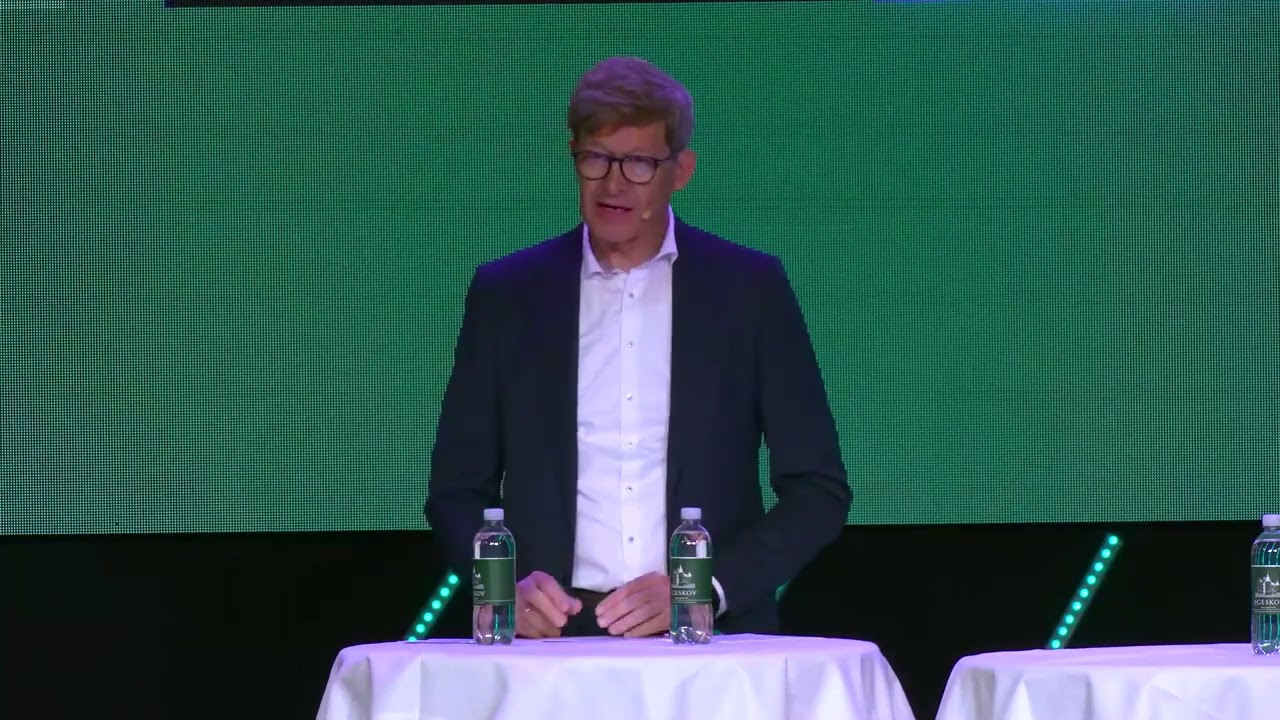
[Music] Well, welcome to the financing sources panel night. We're going to explore where money comes from, what different institutional constraints are, and how you as an entrepreneur need to think about and do your research for that.
Panel discussion on financing sources for new ventures, covering founder savings, credit cards, friends and family, banks, and venture capital.
Transcribe recordings, audio files, and YouTube videos — with AI summaries, speaker detection, and unlimited transcriptions.
Or transcribe another YouTube video here →Free tools: TXT to SRT · SRT Validator · Merge SRT · Subtitle to Text · All tools
 9:38
9:38 22:04
22:04 10:17
10:17 11:45
11:45 17:13
17:13 11:04
11:04 1:20:58
 17:53
17:53 9:49
9:49 1:28:29
 1:09:49
 28:33
28:33Point your camera
Scan the code to open the download page on iOS or Android. 30 minutes of transcription free, no card.


