How To Trade Reversal – Phases Of Price — Transcript

Learn how to trade price reversals using expansion phases and key market levels in this detailed guide by TTrades.

Key Takeaways

  • Reversals are identified by expansion met with expansion at significant market levels.
  • Trading reversals requires analyzing lower time frames for confirmation.
  • Not all highs or lows are valid reversal points; focus on relevant swings like previous day/week highs and lows.
  • If a reversal is missed, look for continuation patterns using protected swings.
  • Candle closures and state of delivery changes provide critical data for confirming reversals.

Summary

  • This video is part four of a five-part series on the phases of price, focusing on price reversals.
  • A reversal occurs when expansion is met with expansion, contrasting continuation patterns.
  • Reversals typically form at points of interest such as old highs, lows, or swing points.
  • The video explains how to identify reversals on lower time frames after price expands into key levels.
  • It emphasizes the importance of trading reversals at relevant market swings, not random highs or lows.
  • Examples on TradingView illustrate how to distinguish between consolidation, retracement, and expansion phases.
  • The concept of protected swings is introduced as a way to trade continuation if the reversal is missed.
  • The video blends phases of price to show how to confirm reversals and continuation signatures.
  • It highlights the significance of candle closures and changes in the state of delivery for trading decisions.
  • The presenter demonstrates practical application with real chart examples and explains ideal reversal structures.

Full Transcript — Download SRT & Markdown

00:05
Speaker A
[Music] How's it going, everyone, and welcome into my reversal video. This is going to be part four in my five-part series on the phases of price and the last individual concept before we blend all of these together. Now, if you haven't seen the
00:24
Speaker A
prior videos, specifically the expansion video, please make sure to check that out first before getting into this video. Let's get into the PDF.
00:34
Speaker A
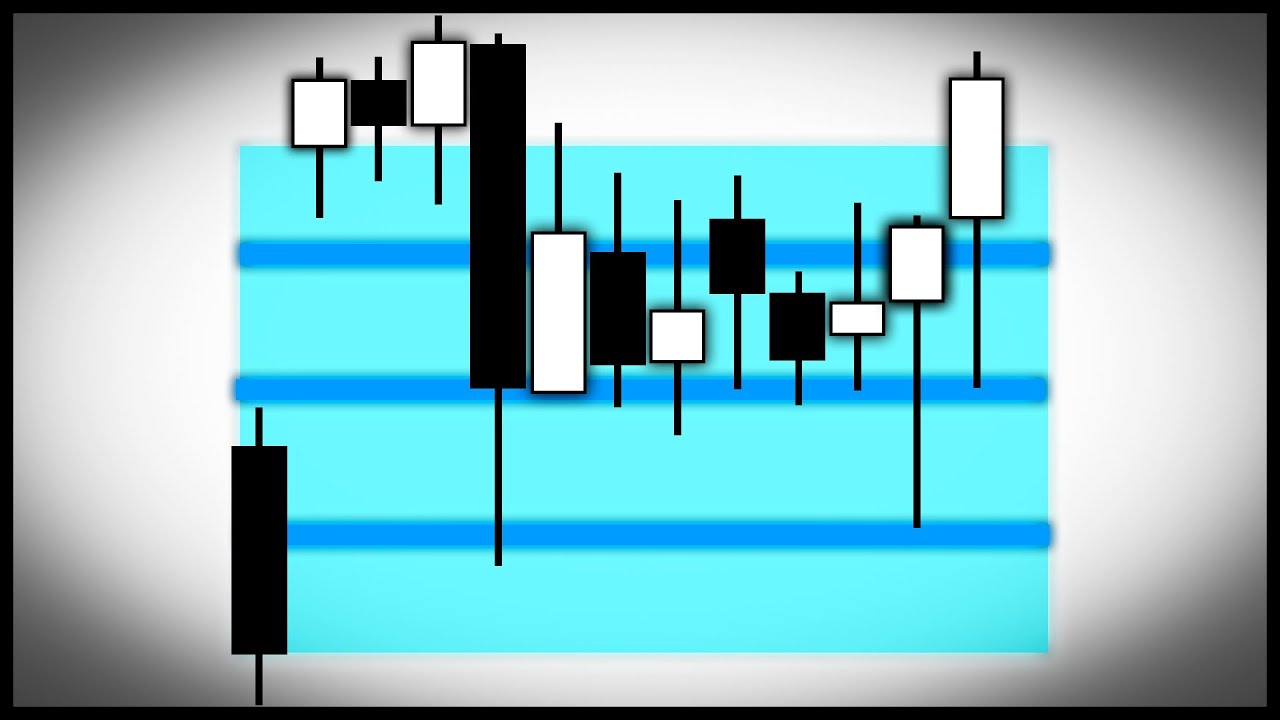
So, what is a reversal? A reversal is when we have expansion met with expansion. And that is what forms a reversal. This is the opposite of a continuation signature or what you saw in the previous videos where we had
00:46
Speaker A
expansion and a retracement to continue lower with a new expansion or expansion consolidation manipulating the high to continue lower. A reversal we will have expansion met with expansion. And so we are following that trend, right? It is expanding higher. We're not wanting to
01:04
Speaker A
fight that expansion. So we're looking for continuations higher following a reversal. So when or where do we expect a reversal to form? We want to see a reversal form at a point of interest. So this will be an old high or old low or a
01:20
Speaker A
swing high or swing low. So when we have price expanding into a swing high, I want to look at price and see do we get a consolidation, do we get a retracement to continue higher or do we have
01:32
Speaker A
expansion met with expansion forming that higher time frame wick or that reversal? And you can see it will look a few different ways. Here we have expansion, a little consolidation which is manipulated, and then expansion away.
01:45
Speaker A
Yet, this is still forming a higher time frame wick. It looks a bit cleaner with these V-shaped reversals where we have expansion into a low and then we have a nice clean expansion met with expansion forming that nice V-shape and then
01:59
Speaker A
expanding away. Now, how do we actually interact with these reversals? Well, if I'm looking to trade a reversal, what I'm going to want to do is view this on the lower time frame. So, when price trades or expands into an old high or a
02:13
Speaker A
swing high, I'm going to want to watch price on the lower time frames to look for reversals. So, you can see here price expands. We have that change in the state of delivery forming that higher time frame reversal. Now, what
02:25
Speaker A
happens if I miss this reversal or if I don't want to trade this reversal? How do I interact with it? I don't have to catch the high to trade a reversal. I can still look for the continuation following by finding a protected swing
02:38
Speaker A
which if you haven't seen my video, please go ahead and check that out and this will make a lot more sense. Now, what PDR rate is associated with reversals and that is an old high or old low or swing high or low. Now, one
02:51
Speaker A
important thing with this is you don't want to choose a random high and low for price to reverse off of. You want to find those relevant swings in the market. And an easy way to do that is to
03:00
Speaker A
focus on previous days highs and lows or previous week's highs and lows. Those are always going to be relevant to forming reversals. So with that covered, let's go ahead and check out Trading View to go over some examples. So here
03:14
Speaker A
we are in our first example. And what I'll want you to look for throughout these examples is just look for what happens after we expand. Do we retrace?
03:22
Speaker A
Do we consolidate? Do we have another expansion in the opposing direction forming a reversal? Now, obviously, this is the reversal video, so I want you to focus on when we get expansion met with expansion. So, you can see here we do
03:36
Speaker A
take out a consolidation range high and we have expansion met with expansion. Now, what are we missing here? Because this structure looks good, right? But if I was just pattern trading this, why would I lose? Well, does it
03:50
Speaker A
make sense for price to reverse off of a random high right here? Not really. To leave all these failure swing highs, right? So, we can let it have another candle if it is going to leave these highs, we would get what? Expansion,
04:05
Speaker A
retracement to continue, right? Or expansion consolidation manipulation continue, right? So, if I don't know what's going on, I can just let another candle close.
04:16
Speaker A
And we let another couple candles close here. And what is this expansion? Is this a retracement? No, it is displacing back into the range. Is it consolidation? No, it's displacing back into the range. So now this is expansion
04:30
Speaker A
met with expansion. So now this is bullish. So if you look, expansion met with expansion. It is bearish. This expansion met with this expansion. Now it's bullish. Right? So the candle closures give you new data.
04:43
Speaker A
And what do we do? We go expand through these highs on the left. Now, this is a relevant high that we could reverse off of. We expand into it. I want to see, do we consolidate? Do we retrace form a low
04:56
Speaker A
to continue higher? Or do we have expansion met with expansion to reverse and go lower? So, what do I notice here?
05:04
Speaker A
We have expansion met with expansion and we have that change in the state of delivery.
05:11
Speaker A
Now, ideally here, this would respect the mean threshold of this, right? One thing to notice is there is a bit of a large wick there. But let's see what happens. We let this continue. Oh, we have expansion here. This is not what
05:24
Speaker A
you want to see if we want to trade this lower expansion back up. So, I want to see I'll use the phases of price here.
05:31
Speaker A
Do I have a retracement to continue higher? Do I have a consolidation in which case I can watch the highs or the lows? You can watch my consolidation video. Or do we have expansion met with expansion? Well, let's see.
05:45
Speaker A
Does that candle tell me much? Nope. It just makes a fair value gap. It could still be a retracement. It could be consolidation. It could be a reversal. I need to let another candle print.
05:55
Speaker A
And there we go. We have expansion met with expansion. So looking, do we have a continuation with the closure through?
06:04
Speaker A
We do. So now we have this high is protected and this high is protected.
06:09
Speaker A
Now here, if we have expansion met with expansion as a reversal, I'd want to see either price just expand lower or have a little retracement to continue lower or a consolidation to sweep the high to continue lower. That's how I'm starting
06:22
Speaker A
to blend the phases together. What do I have? We sweep out the low. We have 10 a.m. We get a spike, but you look at the body expansion, retracement, expansion.
06:33
Speaker A
Now, we're taking out some lows to the left. I want to see do we get expansion met with expansion to reverse or do we get expansion a consolidation or a retracement to continue lower. I want to see if we get a continuation signature
06:47
Speaker A
or a reversal signature. We let two candles print here. That is looking like a consolidation or a retracement. Right? So this is looking like a continuation lower. We let this go. Expansion. Oh, this could be a nice reaction. Is it reversing off of
07:04
Speaker A
anything? Right. Oh, yep. It's in a higher time frame. Fair value gap. So, it could reverse here. Let's see. Oh, reacting off this fair value gap.
07:13
Speaker A
Expansion looking like a retracement to do what? Continue lower. And now we have expansion lower. So, hopefully that makes sense how you start to blend these phases of price together. But specifically in this video, we're focused on when price expands and then
07:29
Speaker A
is met with that expansion forming a reversal. Let's get into another example. Now, let's get into our next example.
07:36
Speaker A
And before we begin, there's a few things I want to talk about. You see this reversal candle right here with the large wick. This is what I was talking about. When we have expansion met with expansion forming a higher time frame
07:47
Speaker A
wick, we look into the lower time frames here. What do we have? We have expansion up met with expansion down forming a reversal. And then I can look to trade the continuation following. That is what my model looks for. Now, specifically in
08:01
Speaker A
this example, I wanted to show you what an ideal reversal structure looks like for me. Right? We have expansion met with expansion with sweeping out lows.
08:10
Speaker A
And I'll talk about why this works. So, you can see we are taking out a lo
08:17
Speaker A
Now, as we let this play forward, what do you notice? We have expansion into a low. Do we get a retracement to continue lower? No. We have displacement back in.
08:26
Speaker A
Do we get a consolidation? No. We have expansion met with an expansion also closing over the series of down closed candles. So you can see how we blend those V-shaped reversals with the change in the state of delivery. This is what
08:39
Speaker A
an ideal reversal structure looks like for me. And the reason for that is you have all these people that are early longs into here that then get swept out.
08:48
Speaker A
You have breakout traders who are trying to trade short in here and then it traps them. Right? So basically this structure here is throwing everyone out of the market and that is what I like to see.
08:57
Speaker A
So when we have expansion met with an expansion now we want to see do we have consolidation to sweep a low and can trade higher. Do we have a retracement to trade it higher or do we have this
09:09
Speaker A
met with an expansion which then fails to trade lower right? That's all I am looking for. So next day prints we have the T-spot. This is a nice shallow move.
09:19
Speaker A
Right? This is expansion. This is retracement. So then when we form a protected swing as we close through the series of downlosed candles here, we can then trade this higher. And what do we have? We have expansion. Now once again,
09:35
Speaker A
we can repeat this process. I have expansion higher. Do I get expansion back lower to form a reversal up here?
09:43
Speaker A
You can trade that to the lows or do I have a retracement to trade it higher?
09:49
Speaker A
And I'm using the same example we used in the retracement video to show you what I mean here. Right? We get a nice shallow move and then an expansion higher. Now, the main points I wanted to draw from this specific example was
10:01
Speaker A
using the higher time frames and how they blend into reversals. Expansion met with an expansion will form a higher time frame wick. Expansion met with expansion is going to form that higher time frame wick. you can start to use
10:14
Speaker A
higher time frames and lower time frames to visualize each different time frame and how they look together. Let's get into another example. So, let's take a look at this next example here. You can see we've had a candle to closure. We
10:27
Speaker A
have a change in the state of delivery. And what do you notice about this change in the state of delivery? A nice aggressive move lower and then back up into the range. Right? So, a V-shaped reversal. We get a continuation higher
10:38
Speaker A
in candle 3. But have we hit a relevant high? Does it make sense for price to reverse off this high right here and leave this previous day's highs? No. So, if I'm looking or anticipating price to trade higher, I'd want to see it take
10:52
Speaker A
out previous day high as well as this swing high to the left. Now, this is going to answer a question of when can I look to trade opposing the trend? And that would be when you can anticipate a
11:04
Speaker A
retracement or a reversal. So, for instance, if we trade up into this high, we hit the target. That's where I could anticipate price to retrace back into the range or to reverse. So, let's see what happens.
11:17
Speaker A
You can see doesn't make sense to try to trade a reversal in here cuz it hasn't hit a relevant high.
11:23
Speaker A
There we go. We take out the high. You can see we expand through the high. You can say that we expand when we create fair value gaps. Now, we take out that target, that high. We take out these
11:34
Speaker A
equal highs and we do what? We form a change in the state of delivery. So now this is where I could anticipate price to trade back into the range, right?
11:43
Speaker A
Back through its daily open and I can find internal liquidity, right? So an easy target would be this fair value gap right here. Or if I think price is going to reverse, it could trade quite a bit lower. Let's see what happens.
11:57
Speaker A
And there we go. We get that expansion lower. So the main thing here is if I'm looking to trade opposing the trend, I want to trade a reversal following some sort of relevant high being taken out or relevant low being taken out. Here you
12:12
Speaker A
can see we take out that relevant high and then the structure aligns with that where we have expansion met with expansion forming a reversal. Here we have a consolidation. We start to expand away from that. We take out the daily
12:24
Speaker A
open. We come back out. We take out these equal highs and then we get that move back into the range. Let's get into another example. So, in these last few examples, I'll show you a bit of price action, and you can take a minute to
12:37
Speaker A
pause and analyze. Just look at the phases of price and maybe the daily closures. So, you can pause or take a minute. But if you notice, we have swept out this previous day's lows. Remember how I was saying that previous day low
12:49
Speaker A
is an important and relevant level. And what do we notice? Expansion down, right? And you can see that with a fair value gap that is being created. and expansion back up. So that is what?
13:01
Speaker A
Expansion down met with expansion. That is a reversal. So that paired with if we close back inside this previous range, I'm anticipating what? For price to continue to trade higher. So if we've had expansion, we want to see a
13:16
Speaker A
continuation signature. That's either going to be a retracement or a consolidation. We don't want to see price what? meet it with more expansion lower because then this low is likely to fail. So let's see what happens there.
13:30
Speaker A
The model prints. We have the change in the state of delivery with that V-shaped reversal. Now I'd want to find a point of interest in this area. So taking a look, we have a swing low. Does it make
13:40
Speaker A
sense for price to reach into this low, leave this one right here, and then go higher? No, it doesn't. So I'd be focused on this low. That would be the relevant low. So let's see if it gets taken out here. You can see price gets
13:54
Speaker A
taken out. So if we've had expansion, this is looking like a retracement. When is price going to expand again? When we get a new change in the state of delivery.
14:04
Speaker A
Here you can see we've swept out the low. You can use either of these, but I would use this as the series of down close candles. Now the reason for that is that is the swing high that created
14:14
Speaker A
this swing low. So I'm more interested on this candle versus this candle. From here, I'm anticipating this wick to have formed and I can anticipate it to trade higher because we've gone expansion retracement anticipating the end of the
14:27
Speaker A
retracement phase into new expansion. And there we get expansion higher. So hopefully you see using expansion met with expansion is a reversal. Let's get into a few more examples.
14:41
Speaker A
Let's go over another example of blending the reversal structure with a change in the state of delivery and a candle closure. So you notice here if we're not looking at the higher time frame, this looks pretty good. We have a
14:52
Speaker A
range. We sweep out the low in the range and what we have the high in the range.
14:57
Speaker A
We have a change in the state of delivery. You could consider I prefer the higher one. I'll explain why. But we don't have a swing point here. Right? So this is the swing high that made the swing low. So I'd prefer the higher one.
15:08
Speaker A
But we have a nice aggressive move lower with the fair value up and aggressive move higher. What are we lacking? A daily swing point. But let's see how this works out.
15:20
Speaker A
And you can see we do get some expansion up. It's met with expansion lower. So what does that tell me? We're not respecting the EQ of this wick. This is likely to fail.
15:31
Speaker A
Expansion met with retracement. It expands into this low. Now, if you notice, we have expansion lower. Do we get expansion back into the range?
15:41
Speaker A
Yes, we do. Now, what is this day paired with? Right, we let this close. We have a daily candle closure that is valid with an I model. Now, we are pairing this with a change in the state of
15:53
Speaker A
delivery and the phases of price. You see how those all work together versus in this example, it's not aligned with the daily chart as well. Now, in this day, we can anticipate since we don't want price to trade below here, I don't
16:04
Speaker A
want to see price reach into this fair value gap. I could anticipate that this should support price higher. Let's see what happens.
16:15
Speaker A
There we go. We go and trade through the range highs. Now, what do we notice about this range high? We have expansion into a target or this daily swing high.
16:24
Speaker A
Is it met with a retracement or a consolidation? No. Expansion out, expansion back in. So, this is going to be a higher time frame wick if it closes like this. And what? A reversal back lower. You can see it doesn't close
16:39
Speaker A
super weak. You could still consider it a reversal. It's just not paired with the daily closure. Would have to respect 50% of this wick to trade lower. Let's see. It does do that, right? So, you can see expansion. Is this aggressive back
16:55
Speaker A
in? Yes, we have a fair value gap here. But look at it. Takes three candles to get all of this range here. And it takes what? Eight candles to just go back up.
17:05
Speaker A
2/3 of that. expansion retracement sweeps out the high change in the state of delivery forms a swing raise lower expansion is that expansion no we also don't have a relevant level to reverse off of expansion retracement expansion lower so you see how you can blend the
17:25
Speaker A
phases of price in this case I'm just showing the reversal with daily closures and the change in the state of delivery now I hope you enjoyed this video if you did please consider liking and subscribing in my Next video on the
17:37
Speaker A
phases of price, we'll talk about blending them all together as well as using daily closures, changing the state of delivery, and probably touch on the equilibrium a little. With that being said, I hope you enjoyed. I'll see you
17:48
Speaker A
guys next time. Have a good one.
Topics:price reversalphases of priceexpansionconsolidationretracementprotected swingtrading strategytechnical analysismarket structureTTrades

Frequently Asked Questions

What defines a price reversal in this trading method?

A price reversal is defined by expansion met with expansion at a significant market level, such as an old high or low, indicating a change in trend direction.

How can I trade a reversal if I miss the initial entry?

If you miss the initial reversal, you can look for continuation trades by identifying protected swings on lower time frames, allowing you to enter the trend after confirmation.

Why is it important to focus on relevant swing highs and lows?

Focusing on relevant swings like previous day or week highs and lows ensures that reversals are traded at meaningful market levels, reducing the risk of false signals from random highs or lows.

Get More with the Söz AI App

Transcribe recordings, audio files, and YouTube videos — with AI summaries, speaker detection, and unlimited transcriptions.

Or transcribe another YouTube video here →