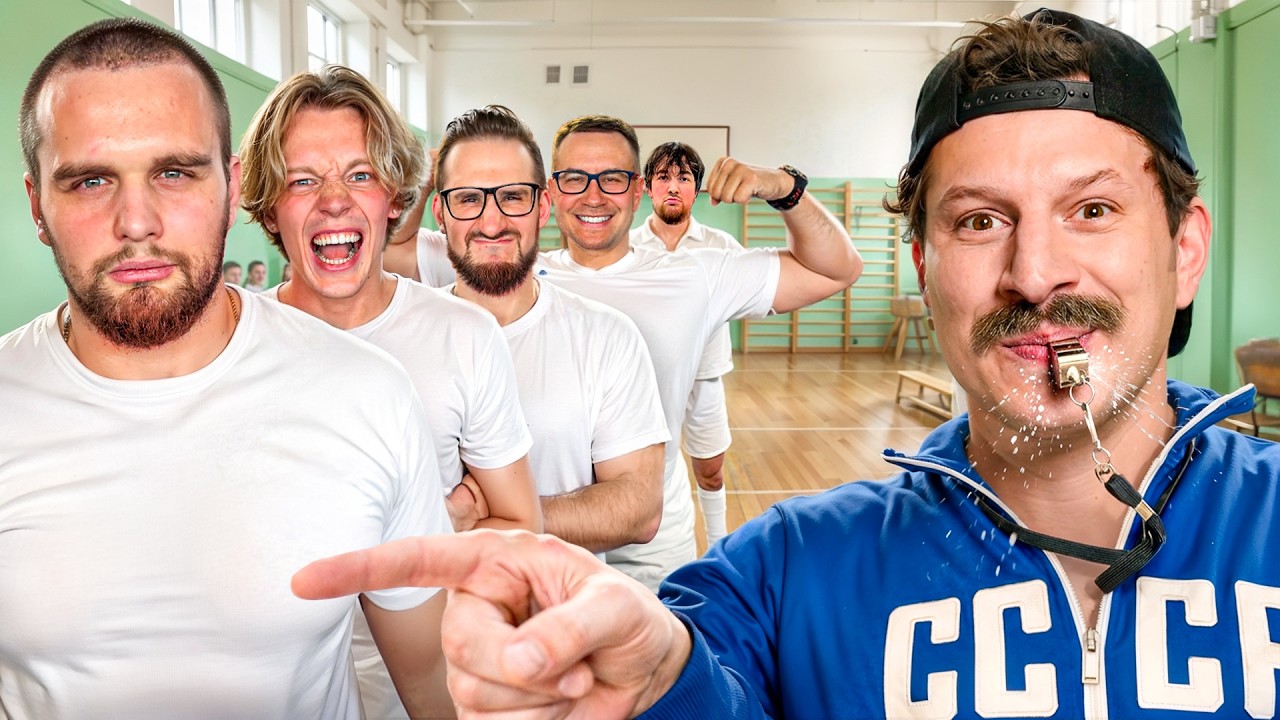
Explore the ancient Shaolin Iron Body training with Master Yan Lei, learning how to condition the body to absorb and bounce back strikes effectively.
Key Takeaways
- Iron Body training conditions the body to absorb and bounce back strikes, improving resilience and fighting ability.
- Proper technique involves relaxation, timing, and using the body as a weapon, not just hardening it.
- Conditioning tools and methods improve strength, circulation, and pain tolerance.
- Iron Body training is both a practical fighting skill and a health-promoting practice.
- Effective use of Iron Body includes strategic movement and counterattacks to control the opponent.
What the video covers
- The video explores the ancient Shaolin Iron Body technique used to condition the body to withstand and bounce back from strikes.
- Jesse Enkamp trains with Yan Lei, a 34th generation Shaolin Master, whose iron body skills have been studied by scientists.
- Iron Body training focuses on making the body resilient like rubber, allowing it to absorb kicks and punches without injury.
- The technique emphasizes timing, body movement, and using the body as a weapon rather than just hardening it.
- Yan Lei demonstrates how to take kicks by moving forward and bouncing the force back rather than blocking or absorbing it.
- Training includes conditioning with various tools like bricks, towels, and bamboo brushes to strengthen and improve circulation.
- Relaxation and correct breathing are crucial to maximize speed, power, and effective use of the iron body.
- The video contrasts performance demonstrations with practical, useful training for real fighting scenarios.
- Yan Lei explains the strategic use of iron body to control distance and counterattack effectively during combat.
- The training also promotes health benefits by improving blood circulation and reducing pain through proper conditioning.
Full Transcript — Download SRT & Markdown
Speaker A
That's a brick, and this is Iron Body.
Speaker A
An ancient skill used by Shaolin monks to become unbreakable.
Speaker B
How do you develop the iron body?
Speaker A
Today, I'm training with Yan Lei, a 34th generation Shaolin Master.
Speaker A
His iron body has even been studied by scientists.
Speaker A
And I'm about to feel why, my foot is hurting right now because this man is made of stone.
Speaker A
When people see the iron body training, usually broken the stick.
Speaker A
Has performance for fighters, we practice sometimes they kick you, one, two, three can take, after they keep going 10, 20, your body naturally to bouncing.
Speaker B
Okay.
Speaker A
So you don't want your body to absorb the kick, to take the kick.
Speaker A
Your body want to bounce them back, to make your body like a rubber.
Speaker A
You can you can bouncing, also when the disease come, your body don't like, your body fight.
Speaker B
Also this is also good for health.
Speaker A
Yes, sometimes when people kick you, you feel the kick.
Speaker A
Not strong enough, you don't need to always block, you can take the kick, go forward.
Speaker A
You can take the punch, go forward.
Speaker B
Can you show me a demonstration?
Speaker B
So if I try to kick you, how would you use the iron body against me?
Speaker A
Okay, if you do low kick.
Speaker B
Okay.
Speaker A
Yeah, kick.
Speaker A
Do properly, do properly.
Speaker B
Yeah.
Speaker A
Yeah.
Speaker B
Boom.
Speaker A
Getting getting stronger.
Speaker B
Harder?
Speaker A
Yeah.
Speaker B
Okay.
Speaker A
Yeah.
Speaker B
Hup.
Speaker A
It will fight.
Speaker B
All right.
Speaker A
So kicks back.
Speaker B
Oh.
Speaker A
Hand up.
Speaker B
Oh, okay, okay.
Speaker A
Oh.
Speaker B
Oh.
Speaker A
So we take.
Speaker B
Yeah.
Speaker A
Yeah.
Speaker B
Yeah.
Speaker A
So my body kick, see my body start react.
Speaker B
Bouncing.
Speaker A
Yeah, you go against my kick.
Speaker A
Yeah, you're against.
Speaker B
Yeah.
Speaker A
How hard are you can?
Speaker B
Am I?
Speaker B
My foot is hurting right now because this man is made of stone.
Speaker B
I haven't conditioned my leg as much as you have conditioned your leg.
Speaker A
So.
Speaker A
Okay, if I move.
Speaker B
Yeah.
Speaker A
So then you will continue another kick, whatever you do.
Speaker A
You know.
Speaker A
I lost the distance.
Speaker A
So when when the first kick comes, I know his hands.
Speaker A
We go this way.
Speaker A
So.
Speaker A
Body.
Speaker A
Oh come.
Speaker A
So I use the timing.
Speaker A
I timing you.
Speaker B
Mm.
Speaker A
You come, I come.
Speaker B
Yes.
Speaker A
You you come, I come.
Speaker B
Ah.
Speaker A
You come, I come.
Speaker B
Right.
Speaker A
Yeah, it's it's.
Speaker A
If I lost the opportunity, if I do this, I just take it.
Speaker B
Yeah.
Speaker A
So you then you you can you can do whatever.
Speaker A
So I attack, I have to attack.
Speaker A
The between the gap, more small, more better.
Speaker B
Mm, yeah.
Speaker A
Because you time it.
Speaker A
You come, I come.
Speaker B
Yes.
Speaker A
Yeah, that is that.
Speaker B
So the iron body allows you to use this strategy of attacking my attack.
Speaker A
If you kick me here.
Speaker B
Yes.
Speaker A
Okay.
Speaker B
Kick.
Speaker A
Yes.
Speaker B
Kick.
Speaker A
I use my reps.
Speaker B
Okay.
Speaker B
His ribs are very hard.
Speaker A
Kick.
Speaker A
So you see then when we fight, I will give you.
Speaker B
Oh, you open it on purpose.
Speaker A
I let you go.
Speaker B
Yeah.
Speaker A
I try to use here.
Speaker A
To hurt you.
Speaker B
Yes, that hurt.
Speaker A
Sorry.
Speaker A
So you see then I give you, you you don't want to.
Speaker A
You say okay.
Speaker A
I can cheating you.
Speaker B
Yeah.
Speaker A
I can make him very, oh.
Speaker B
Yeah, yeah, yeah.
Speaker A
That I lock you out.
Speaker B
Wow.
Speaker A
So you see strategy.
Speaker A
Same if I want to you kick my leg, so I go this way.
Speaker B
Ah, you're opening this side.
Speaker A
I open this way, yeah.
Speaker A
But you remember since I open, you also open.
Speaker B
Right.
Speaker A
Because I make you open, see the elbow will straight away from middle.
Speaker B
Oh.
Speaker A
I will because you you kick.
Speaker B
Yeah.
Speaker A
Since I'm stepping in, you will go back.
Speaker A
That open.
Speaker A
No.
Speaker A
Take it.
Speaker B
Mm.
Speaker A
So it's it's not.
Speaker B
Yes.
Speaker A
You can do a lot of sit ups, for example, I give you.
Speaker A
You kick.
Speaker B
Okay.
Speaker A
You kick, see it's open.
Speaker B
Right.
Speaker A
So I kick.
Speaker B
Oh.
Speaker A
Same time.
Speaker B
Landing.
Speaker A
Because you I'll make you comfortable.
Speaker A
Every martial arts people they training, they try to make their body become weapon.
Speaker B
Yeah.
Speaker A
Then you have to be able to use the weapon.
Speaker B
Right.
Speaker A
You only make your body become weapon, but you don't know how to use.
Speaker A
It's still not useful.
Speaker B
No.
Speaker A
You have to practice the real way how to take attack.
Speaker B
Yes, yes, yes.
Speaker A
So something we do in karate is we smash our arms into each other.
Speaker A
Like a body conditioning.
Speaker B
Yeah.
Speaker A
How do you practice this?
Speaker A
Do you have something similar?
Speaker A
They they just try to make their hands, arms strong.
Speaker A
They don't think how to make it useful.
Speaker A
We need to be soft.
Speaker B
Mm.
Speaker A
Only soft you can punch fast.
Speaker A
You have to be really, really relaxed.
Speaker A
Then you can move speed.
Speaker A
If you tense, you can't.
Speaker A
It's when you use, you have to be soft.
Speaker A
Anyway, you here, it's hard, it's ready.
Speaker A
When the speed come, it's the weapon.
Speaker B
Yeah.
Speaker A
Yeah, but most time we only, same I said it before, when you do the performance, do the broken stick.
Speaker A
This is not useful, just for catch people's eyes.
Speaker B
No.
Speaker A
Useful training and performance, 100% different.
Speaker A
So I can show you the, you know, we use the different equipment.
Speaker B
Yes, please.
Speaker B
So this looks like a brick.
Speaker A
Brick, yeah.
Speaker B
See.
Speaker A
Wow.
Speaker A
And you use tissue, but we don't have tissue, I use the towel.
Speaker A
Because they try to.
Speaker B
Oh, yeah.
Speaker A
Protect this side, you don't get hurt.
Speaker B
Yeah, you don't want to cut your skin.
Speaker A
You don't cut your skin.
Speaker A
So when you do it, we use the horse stance.
Speaker A
Bouncing.
Speaker A
So my body is bouncing.
Speaker A
The reps.
Speaker A
So this I don't bounce them because I have to take it.
Speaker B
Okay.
Speaker A
Look how you do the side kick.
Speaker B
Yeah.
Speaker A
So side kick come, my body have to go forward.
Speaker A
To.
Speaker A
I will not go back.
Speaker B
No.
Speaker A
I go push forward.
Speaker B
Yeah.
Speaker A
Because my body don't like, my body try to push away.
Speaker B
Yes.
Speaker A
So when you do the other side, the reps.
Speaker A
Open it.
Speaker B
Okay.
Speaker A
Because when when when you take here, you close.
Speaker B
Yeah.
Speaker A
When practice you open it, you go in here.
Speaker A
My body start bouncing.
Speaker A
You see.
Speaker A
So my body.
Speaker A
Take it away.
Speaker A
Then you use this.
Speaker A
This is made for brush.
Speaker B
Okay.
Speaker A
So because this is soft.
Speaker A
Soft.
Speaker B
No, it's pretty hard.
Speaker A
I know.
Speaker A
You see it's.
Speaker A
Only you together, they will be hard.
Speaker B
Yeah, okay.
Speaker A
This is heavy, maybe two, three kilos.
Speaker B
Yes.
Speaker A
Yeah, also when you condition, you you you make your arm stronger because they're heavy.
Speaker B
Yeah.
Speaker A
It can go inside, which way soft, they will go.
Speaker B
Mm-hm.
Speaker A
They will catch it.
Speaker B
Yes.
Speaker B
This will actually like go between the ribs and catch the soft tissue.
Speaker A
Yes.
Speaker B
More than the brick.
Speaker A
Yeah, brick with big pieces.
Speaker B
Yeah.
Speaker A
They focus to make you area.
Speaker B
Yeah.
Speaker A
This focus makes small space to strong.
Speaker B
It's more precise.
Speaker A
Yeah.
Speaker B
Could you demonstrate this?
Speaker A
Yeah, yeah, yeah.
Speaker A
So my body bouncing.
Speaker A
So if you the people.
Speaker A
And they tense.
Speaker A
The tense will be.
Speaker A
They just take.
Speaker A
See, I just take it.
Speaker B
Yeah.
Speaker A
I didn't do I didn't react.
Speaker B
No.
Speaker A
It's mean I didn't get distance.
Speaker B
Right.
Speaker A
When people kick me.
Speaker A
See, I go forward.
Speaker B
Yes, this is the way you use it in a fight.
Speaker A
Yes.
Speaker B
Yeah.
Speaker A
You go.
Speaker B
Yeah.
Speaker A
You take it, you go, not this.
Speaker A
It's just practice.
Speaker B
Yeah.
Speaker A
Didn't mean no good, but you need to know what you're doing.
Speaker B
Yeah.
Speaker A
If you say, okay.
Speaker A
I just want.
Speaker A
Stay here.
Speaker A
Or want to go forward.
Speaker A
So you set up the hook.
Speaker B
Yeah.
Speaker A
Yeah.
Speaker A
You set up the hook.
Speaker B
So that's like if I would kick you.
Speaker A
Yeah.
Speaker B
Then you would take that to give me back.
Speaker A
I set up the hook.
Speaker B
Yeah, yeah.
Speaker A
I set up because I created the distance.
Speaker A
Then he will think, do I need to kick or not?
Speaker B
Yeah.
Speaker A
Because every time you kick, he come in, he follow the heavy punch.
Speaker A
Or whatever he do.
Speaker A
They slow, slowly make you confidence gone.
Speaker A
He control you.
Speaker A
Also, it's bamboo brush, also it's good.
Speaker B
Bamboo.
Speaker A
This bamboo because.
Speaker A
How do I say it?
Speaker A
Could recover.
Speaker B
Mm.
Speaker A
Basically, they push the blood move.
Speaker B
Oh, for circulation.
Speaker A
Circulation.
Speaker A
Move, move.
Speaker A
Yeah, from shoulder until the hand.
Speaker A
You have to stay relaxed, don't don't against.
Speaker A
Because you want the power to win.
Speaker B
Mm.
Speaker A
First maybe you feel pain.
Speaker A
After you, when your body be able to take it.
Speaker A
The happiness grow.
Speaker B
Okay.
Speaker A
Because why the kids happy because circulation move fast.
Speaker B
Mm.
Speaker A
So same.
Speaker A
You get because the circulation.
Speaker B
This looks like what we do in the sauna, you know, in Finland.
Speaker B
They hit each other with.
Speaker A
Yeah.
Speaker B
Yeah.
Speaker A
In Russia.
Speaker B
Yeah.
Speaker A
They use.
Speaker B
Same.
Speaker A
Yes, yes, yes.
Speaker A
Same meaning.
Speaker B
Interesting.
Speaker A
Yeah.
Speaker A
Okay, good.
Speaker A
I can you show you one simple sense.
Speaker A
You will feel.
Speaker A
Yeah, you just copy me.
Speaker A
You put your hand straight.
Speaker B
Okay.
Speaker A
I want you tell yourself really, really relaxed.
Speaker A
You take inhale.
Speaker A
Use your nose.
Speaker A
Then exhale clench your fist.
Speaker A
And your body.
Speaker A
All locked.
Speaker A
All tense.
Speaker A
Reps, leg.
Speaker B
Yeah.
Speaker A
Yes.
Speaker A
Then you relax.
Speaker A
As relaxed as possible.
Speaker A
Then go.
Speaker A
Yeah.
Speaker A
Yeah.
Speaker A
Okay, then you stay fighting stance.
Speaker A
Exhale.
Speaker A
Exhale with the feet.
Speaker A
Grab.
Speaker A
Exhale.
Speaker A
Go, exhale.
Speaker A
Relax.
Speaker A
Exhale.
Speaker A
Exhale.
Speaker A
Oh.
Speaker B
That was a stronger kick.
Speaker A
Because you didn't use power.
Speaker B
No.
Speaker A
I use power, but different power.
Speaker B
Yeah, exactly.
Speaker A
Yeah, you can see.
Speaker A
You can take this.
Speaker A
See.
Speaker A
So stronger.
Speaker A
I want you use natural power, more relaxed, I said more soft.
Speaker B
Yeah.
Speaker A
See, I don't use power.
Speaker A
No, no, no, no, no, no.
Speaker B
No.
Speaker A
Yes.
Speaker A
So look, I stand against now.
Speaker B
Yeah.
Speaker A
So I.
Speaker A
If you more kick, I do this, you will be more hurt.
Speaker B
Yes.
Speaker A
Because I give you look.
Speaker A
Two car.
Speaker B
Yeah.
Speaker A
He.
Speaker B
Yeah.
Speaker A
Hit.
Speaker B
Yeah.
Speaker A
The first is take.
Speaker B
Mm.
Speaker A
Second one is hit back.
Speaker B
Yeah, yeah.
Speaker A
When you know hit hit back, you got distance.
Speaker B
Yeah.
Speaker A
Mm.
Speaker A
Because I'm yin.
Speaker B
Mm.
Speaker A
So you will also you like you will feel pain.
Speaker B
Mm-hm.
Speaker A
Because something coming in, something push you out.
Speaker B
Yes, yes.
Speaker A
Then your body lose your stable, you don't have the foundation anymore.
Speaker B
Right.
Speaker A
So it's punch will catch you, lock you out.
Speaker B
Right.
Speaker A
Or make you panicking.
Speaker B
Yeah, exactly.
Speaker A
Because you lose balance.
Speaker A
When you lose balance, naturally.
Speaker A
So I keep make you go this way.
Speaker A
So this reason the first level when you practice is when you do this.
Speaker B
So this is Chi Gong.
Speaker A
It's Chi Gong.
Speaker B
Okay.
Speaker A
I just quick show you because it's quick understand.
Speaker A
You have to make your body as relaxed as possible.
Speaker A
Then exhale.
Speaker A
So you clench your hands, arm look like tense.
Speaker B
Yeah.
Speaker A
Leg tense.
Speaker A
Reps locked.
Speaker B
Yeah.
Speaker A
Yeah, so your body look like look like stone.
Speaker B
Yeah.
Speaker A
How do I say it?
Speaker A
When you under the water, you hold one piece of stone.
Speaker A
You naturally just dropped.
Speaker B
Yeah.
Speaker A
That feeling you need.
Speaker A
This is good because they practice your focus.
Speaker B
Yeah.
Speaker A
Because everything hand grab, leg locked, muscle all tense.
Speaker A
The different small things together.
Speaker B
Mm.
Speaker A
You know, sometimes we lost the focus.
Speaker A
We mind everywhere.
Speaker B
Yeah, yeah.
Speaker A
So this is.
Speaker B
So this helps you also focus your mind on contracting your body.
Speaker A
Yeah, so this reason when you practice people punch you, kick you.
Speaker A
You focus.
Speaker B
Yeah.
Speaker A
Yeah, when the sense come, you you your body straight react.
Speaker A
Boom.
Speaker B
Mm.
Speaker A
Because you do this all the time.
Speaker A
One, two, three, all the time.
Speaker B
Well, thank you very much, this was very interesting.
Speaker B
And painful.
Speaker A
You're welcome.
Speaker B
I appreciate it.
Speaker A
You're welcome.
Speaker B
Thank you.
Topics:ShaolinIron BodyMartial ArtsBody ConditioningYan LeiShaolin MasterKung FuMartial Arts TrainingFighting TechniquesHealth Benefits