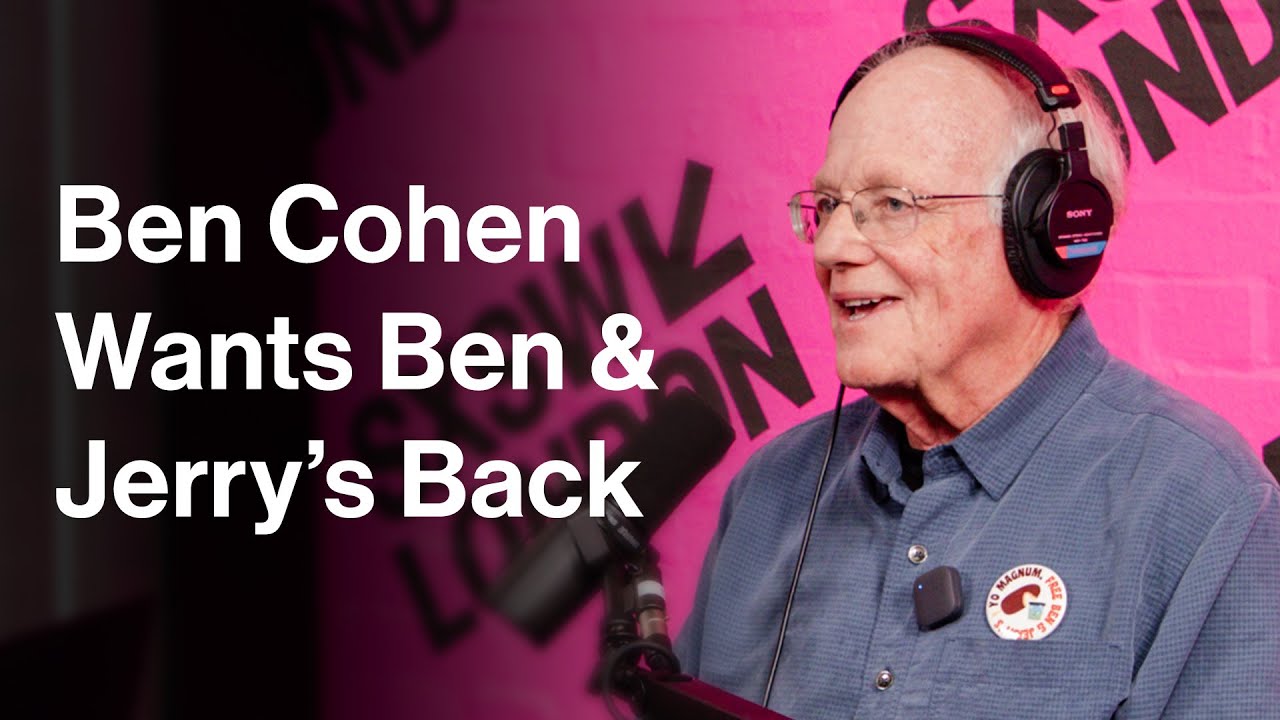
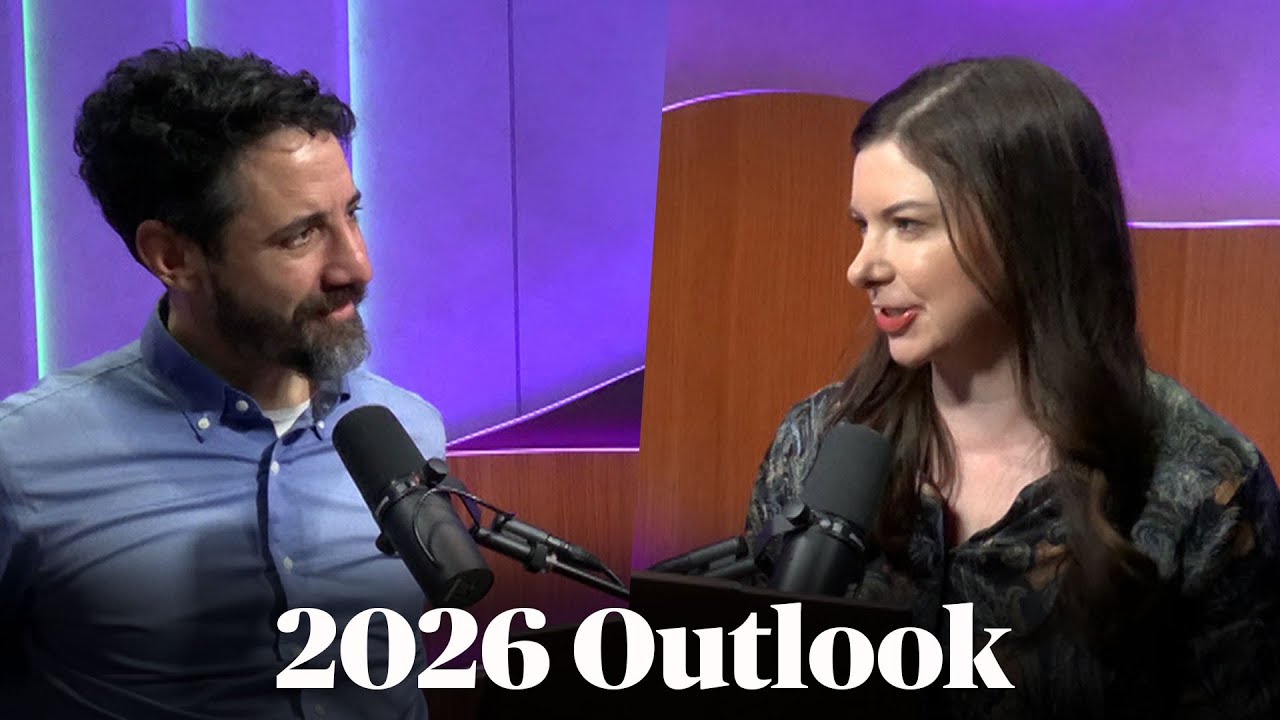
Dmitry Shevelenko on Perplexity’s Vision for Reshaping … — Transcript

Dmitry Shevelenko discusses Perplexity's role in reshaping internet search, AI's impact on news, trust, and editorial judgment.

Key Takeaways

  • Human curiosity and questioning remain essential despite AI providing answers.
  • Trust and transparency are critical for AI platforms delivering news and information.
  • Editorial judgment and quality remain key differentiators for news sources in the AI era.
  • AI models like Perplexity face pushback from businesses concerned about their role as information gatekeepers.
  • Building accurate AI requires significant investment in technology and expertise.

Summary

  • Dmitry Shevelenko, Chief Business Officer of Perplexity, shares insights on AI's influence on brands, news, and the internet.
  • Perplexity leverages AI to provide answers but emphasizes human curiosity and questioning as uniquely valuable.
  • The podcast was recorded live at the Lazard Four Square conference focused on media and deal making.
  • Shevelenko highlights the importance of editorial judgment and framing in news consumption despite AI advancements.
  • Perplexity prioritizes transparency by showing sources to build user trust and enable independent judgment.
  • The platform uses algorithmic strategies to verify information by cross-referencing multiple publications.
  • There is concern among publishers and businesses about AI agents like Perplexity becoming primary information destinations.
  • Shevelenko mentions recent challenges, such as Amazon restricting AI agents from making purchases.
  • The future of news may involve AI models acting as arbiters of reliable information, raising questions about trust and quality.
  • Perplexity is investing heavily in technology and talent to build accurate and trustworthy AI systems.

Full Transcript — Download SRT & Markdown

00:00
Speaker A
Hello and welcome to another episode of the Odd Lots podcast. I'm Joe Weisenthal.
00:15
Speaker B
And I'm Tracy Alloway.
00:16
Speaker A
Today you are going to be uh listening or watching a special episode of our podcast uh recorded live at a uh conference which you've probably never seen before.
00:28
Speaker B
Yeah, this was at uh the Lazard Four Square conference and we interviewed Dimitri Shevelenko. He is the chief business officer of Perplexity, which is something you might have used before. We certainly use it.
00:40
Speaker A
Uh, yep, one of the leading AI models. This is a conference related to media and deal making and so we talked about what is going to be the impact of AI on brands, on the news and on the internet as we know it. So uh, take a listen.
00:48
Speaker B
We also took questions from the audience, so you will hear us referring to questions that we are receiving on the app. Uh, we hope you enjoy. Take a listen.
00:54
Speaker A
Sorry about the music, Peter.
00:56
Speaker B
I have. That's right. People either love or hate the music.
01:00
Speaker B
Um, okay, so, just a reminder, this is being recorded, so if you could keep it moderately quiet, you know, you can laugh, you can clap, do all of that, uh, scream if you need to, just don't rearrange the furniture and things like that. And also reminder, we're taking questions from the audience throughout this discussion, so if you send them on the app, we will see them and be able to ask Dimitri. And
02:03
Speaker A
And if we're looking at our phones, that's our excuse. We're engaged in the question, we're engaged in the internet.
02:08
Speaker B
Exactly. All right, so here's my first question. Should we even be talking to you? What I mean by that is, I could just go on Perplexity and ask all these questions and it'll give me a pretty decent answer. What's the point?
02:22
Speaker C
So, um, first of all, thank you for having me. It's great to be here. Uh, the um, the I I I love that that tee up and you guys were scheming backstage of like what what's going to be the the hard opening question.
02:35
Speaker C
But I I love it because the thing that humans will always be uniquely exceptional at is asking questions. Um, so Perplexity may have the answer, uh, but Perplexity does not have an innate desire to be curious. Uh, and that's what you guys have and that's why journalism is so important and that's why having these conversations is important. It's about the questions, uh, not necessarily the answers.
03:42
Speaker A
Um, kind of related to this, I guess, but here's the thing that I always think about, which is I'm a I enjoy using Perplexity, etcetera. Um, let's say, you know, you have great relationships with all the news publishers, etcetera, and they're really cool with it all and all those deals get solved, etcetera. Like, why do we need the internet as we know it that has things called websites built for humans?
04:18
Speaker A
Now that we're in this age where we can go to a uh chatbot or something like it and the answer is right there. Do we need to have what are traditionally called websites anymore? Why would a publisher continue to invest in design and all of these things when I could just get the answer from um Perplexity or ChatGPT or whoever else?
05:04
Speaker C
So, so again, it goes back to I think the reason we're drawn to media properties is because of the questions the journalists and editors are asking, right? It's it's not necessarily it's the framing. It is the what is actually worth asking about? What's worth reading about? Perplexity doesn't have answers to that. Uh, you have to come to Perplexity already armed with a question. Uh, and often times people, you know, read news and there's something they didn't understand fully and they come to Perplexity to get that deeper understanding. But the spark, uh, that comes from editorial judgment, that comes from the intuition of a world-class reporter. And that's why we're excited through, you know, programs like Comet Plus, uh, to to find new business models for that.
05:48
Speaker B
How do you actually judge editorial judgment or quality of news sources? Because I can imagine a future where a lot of our news consumption is through something like a Perplexity model, which means that you're basically the arbiter of what information is reliable. So how do you make those decisions?
06:49
Speaker C
It's not me at the at the at the wheel. Um, you know, ultimately this is where we focus uh a big part of our technology. It's building accurate AI. Um, the thing that we believe is that's going to be most scarce in the future is not intelligence, it's trust.
07:08
Speaker C
Uh, I think the bedrock of trust is transparency. That's why Perplexity pioneered showing you exactly which source the information is coming from and empowering users to apply their own judgment of whether that is a a good source or not so good source. Uh, but we we deploy many different algorithmic strategies. Uh, often times if many uh publications are saying the same thing, you know, that's a strong signal that they're onto something and, you know, the outliers you're you're kind of more uh sensitive to. Uh, but this isn't, you know, it's not a simple problem and this is why, you know, we raised a lot of capital and hire the world's best technologists to build accurate AI.
08:29
Speaker A
So, I think anyone could sort of intuitively understand why publishers might be anxious about Perplexity as being a destination. Evidently, it's not just news publishers. Literally, when we since we got on stage, in a three minutes ago, news broke that Amazon demands Perplexity to stop AI from stop AI agent from making purchases. Um,
08:56
Speaker C
Good job,
08:57
Speaker A
clearly it's not just news that's anxious about the idea of Perplexity being the destination. Clearly it's it's all kinds of businesses.
09:11
Speaker C
So, I think um, and I haven't read the the article yet, but I I I I I I I I I I I I I I I I I I I I I I I I I I I I I I I I I I I I I I I I I I I I I I I I I I I I I I I I I I I I I I I I I I I I I I I I I I I I I I I I I I I I I I I I I I I I I I I I I I I I I I I I I I I I I I I I I I I I I I I I I I I I I I I I I I I I I I I I I I I I I I I I I I I I I I I I I I I I I I I I I I I I I I I I I I I I I I I I I I I I I I I I I I I I I I I I I I I I I I I I I I I I I I I I I I I I I I I I I I I I I I I I I I I I I I I I I I I I I I I I I I I I I I I I I I I I I I I I I I I I I I I I I I I I I I I I I I I I I I I I I I I I I I I I I I I I I I I I I I I I I I I I I I I I I I I I I I I I I I I I I I I I I I I I I I I I I I I I I I I I I I I I I I I I I I I I I I I I I I I I I I I I I I I I I I I I I I I I I I I I I I I I I I I I I I I I I I I I I I I I I I I I I I I I I I I I I I I I I I I I I I I I I I I I I I I I I I I I I I I I I I I I I I I I I I I I I I I I I I I I I I I I I I I I I I I I I I I I I I I I I I I I I I I I I I I I I I I I I I I I I I I I I I I I I I I I I I I I I I I I I I I I I I I I I I I I I I I I I I I I I I I I I I I I I I I I I I I I I I I I I I I I I I I I I I I I I I I I I I I I I I I I I I I I I I I I I I I I I I I I I I I I I I I I I I I I I I I I I I I I I I I I I I I I I I I I I I I I I I I I I I I I I I I I I I I I I I I I I I I I I I I I I I I I I I I I I I I I I I I I I I I I I I I I I I I I I I I I I I I I I I I I I I I I I I I I I I I I I I I I I I I I I I I I I I I I I I I I I I I I I I I I I I I I I I I I I I I I I I I I I I I I I I I I I I I I I I I I I I I I I I I I I I I I I I I I I I I I I I I I I I I I I I I I I I I I I I I I I I I I I I I I I I I I I I I I I I I I I I I I I I I I I I I I I I I I I I I I I I I I I I I I I I I I I I I I I I I I I I I I I I I I I I I I I I I I I I I I I I I I I I I I I I I I I I I I I I I I I I I I I I I I I I I I I I I I I I I I I I I I I I I I I I I I I I I I I I I I I I I I I I I I I I I I I I I I I I I I I I I I I I I I I I I I I I I I I I I I I I I I I I I I I I I I I I I I I I I I I I I I I I I I I I I I I I I I I I I I I I I I I I I I I I I I I I I I I I I I I I I I I I I I I I I I I I I I I I I I I I I I I I I I I I I I I I I I I I I I I I I I I I I I I I I I I I I I I I I I I I I I I I I I I I I I I I I I I I I I I I I I I I I I I I I I I I I I I I I I I I I I I I I I I I I I I I I I I I I I I I I I I I I I I I I I I I I I I I I I I I I I I I I I I I I I I I I I I I I I I I I I I I I I I I I I I I I I I I I I I I I I I I I I I I I I I I I I I I I I I I I I I I I I I I I I I I I I I I I I I I
Topics:PerplexityDmitry ShevelenkoAIArtificial IntelligenceInternetNewsEditorial JudgmentTrustTransparencyBloomberg Odd Lots

Frequently Asked Questions

Who was interviewed on this episode of the Odd Lots podcast and what is his role?

Dimitri Shevelenko, the Chief Business Officer of Perplexity, was interviewed. Perplexity is identified as one of the leading AI models.

What was the main topic of discussion for this podcast episode?

The discussion focused on the impact of AI on brands, news, and the internet as we know it. This was in the context of a conference related to media and deal-making.

According to Dimitri Shevelenko, what unique ability do humans possess that AI models like Perplexity lack?

Dimitri Shevelenko states that humans are uniquely exceptional at asking questions and possess an innate desire to be curious. While Perplexity can provide answers, it doesn't have this inherent curiosity.

Get More with the Söz AI App

Transcribe recordings, audio files, and YouTube videos — with AI summaries, speaker detection, and unlimited transcriptions.

Or transcribe another YouTube video here →