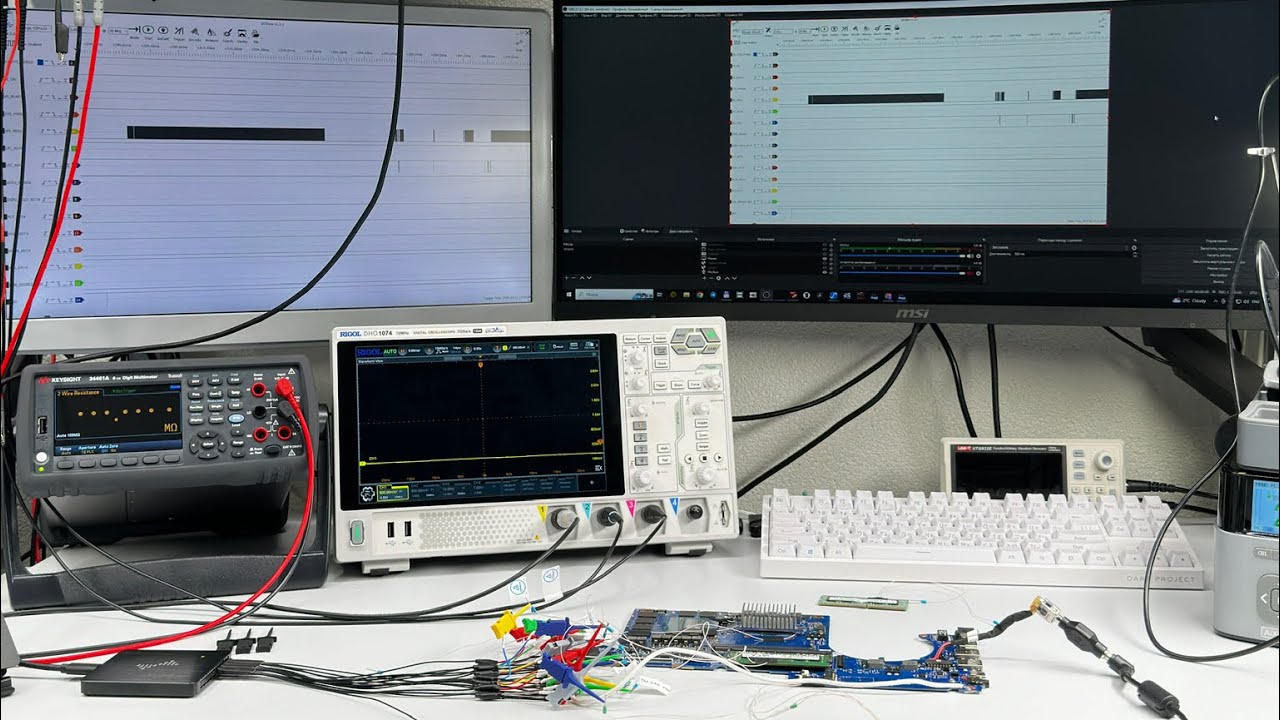
Overview of Cadence HiFi 3 DSP SDK for Android on HiKey 960 board, highlighting low power audio processing and developer tools.
Key Takeaways
- Cadence HiFi 3 DSP enables highly efficient, low-power audio processing on Android devices.
- The SDK abstracts DSP complexity with a simple API, making it accessible to a broad range of developers.
- The DSP’s capabilities extend beyond audio to general signal processing and AI applications.
- Open source contributions to AOSP facilitate integration and community development.
- Future enhancements will focus on advanced audio features like multi-mic input and noise cancellation.
Summary
- Introduction to the HiKey 960 board featuring the Hi3660 SoC with integrated Cadence HiFi 3 DSP.
- HiFi 3 DSP is optimized for low-power audio processing, enabling over 30 hours of music playback with minimal battery drain.
- The DSP operates independently with other SoC components powered off to save energy.
- Software architecture includes a HiFi driver in the Linux kernel and an Xtensa audio framework for inter-processor communication.
- Developers are provided with an audio framework and a simple app developer API with fewer than 10 calls for easy DSP integration.
- The HiFi 3 DSP supports generic signal processing tasks beyond audio, such as neural network processing.
- The DSP architecture is heterogeneous and multi-core, widely used in billions of devices across various SoCs.
- The SDK and integration code are open source and contributed to AOSP, with ongoing development and future AI-focused features.
- Plans include multi-microphone input support for far-field voice commands and active noise cancellation.
- The project is supported by a global team including members based in Dallas, San Jose, and Pune.
Chapters
- 00:00Introduction and HiKey 960 Board Overview
- 00:35Low Power Audio Playback Benefits
- 01:01Power Efficiency and DSP Operation
- 01:22Software Architecture and Inter-Processor Communication
- 01:47Developer Tools and Audio Framework
- 02:10App Developer API and Ease of Use
- 02:58Team and Development Locations
- 04:06DSP Capabilities Beyond Audio
- 04:51HiFi DSP Family and Compatibility
- 06:59Open Source Contributions and Future Plans