A Morning With Ethan Rundell of Vauban Books — Transcript

Interview with Ethan Rundell of Vauban Books on translating and publishing 'Camp of the Saints' and Camus's political writings.

Key Takeaways

  • Vauban Books aims to bring important but controversial French works to an English-speaking audience.
  • Ethan Rundell's academic background and translation experience uniquely position him for this work.
  • 'Camp of the Saints' is often misunderstood and underread despite its notoriety.
  • Authorized translations of politically sensitive French texts like Camus's writings have been unavailable for decades.
  • Publishing these works involves navigating political, cultural, and market challenges.

Summary

  • Discussion of the controversial book 'Camp of the Saints' and its recent English translation by Vauban Books.
  • Ethan Rundell shares his background in French history and academic translation.
  • Insight into the challenges and nuances of translating French literature, especially politically charged works.
  • The origins and mission of Vauban Books as a publisher of esoteric and politically significant French texts.
  • The collaboration with Louis Betty to produce a new authorized translation of Albert Camus's political writings.
  • Context on the political relevance of Camus's work, including the phrase 'the great replacement'.
  • The reception and impact of the translated works in English-speaking markets.
  • Reflections on censorship, publishing challenges, and the cultural significance of these translations.
  • Exploration of French history and political thought as it relates to the texts published by Vauban Books.
  • The broader implications of publishing controversial literature in the modern political climate.

Full Transcript — Download SRT & Markdown

00:02
Speaker A
The Camp of the Saints. A fitting title. Uh, we are refugees in our own land. A book shrouded in mystery, scandal, the apprehension of the unknown. Everyone says the Bible is their favorite book, but they never read it. And everyone says Camp of the Saints ranks up there in, um, in how egregious it is, how erosive—is that a word? Can I use that word?
00:22
Speaker A
It might be. Erosive to the Platonic ideals of the postwar consensus, uh, fake and gay race communism regime. Uh, but no one's ever read it until now.
00:33
Speaker A
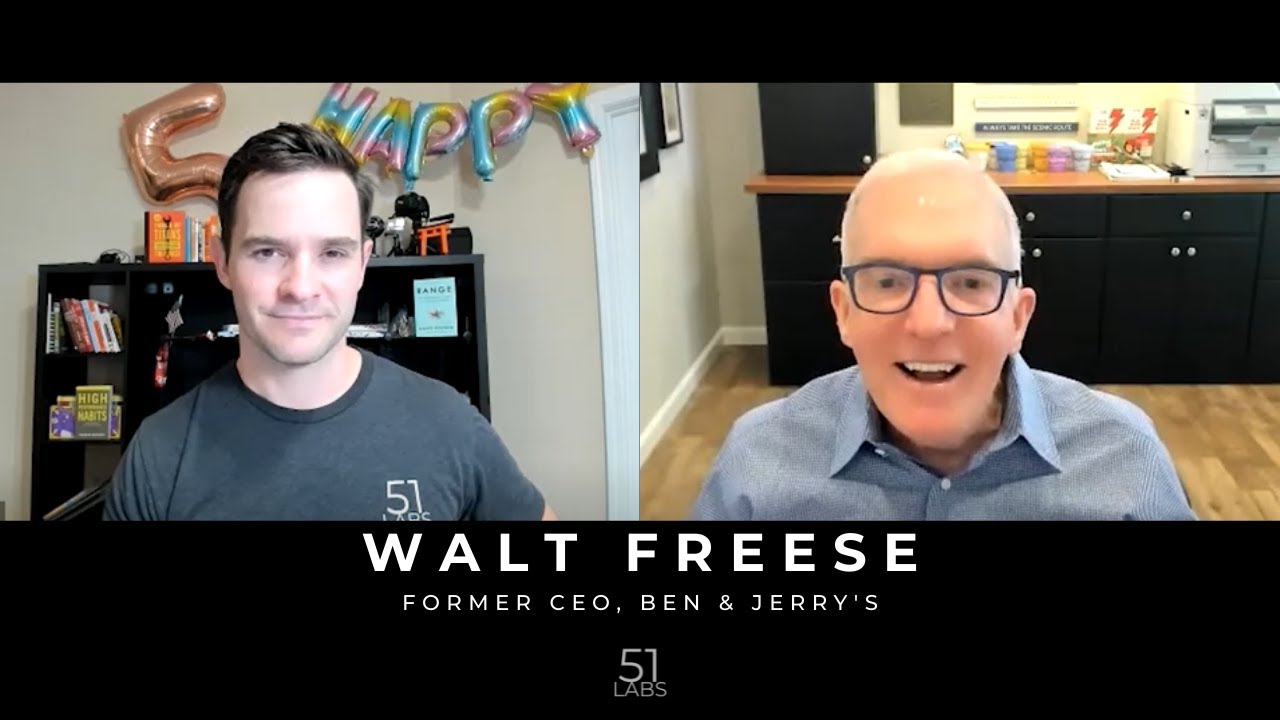
Until now. Uh, and today we have, uh, we have Ethan Randelle in the studio, the publisher and translator of the newest edition of Camp of the Saints with, let me try this, Van Books.
00:50
Speaker A
Very close. Uh, Voben for us Anglo folks. Vabon is not something I'm used to saying. I don't know any French. Uh, but dude, I'm really glad you're here. Let me give you a handshake.
01:05
Speaker A
Thank you. Thank you very much for inviting me. Absolutely. Yeah. Uh, so I had heard of you. The way I know you is I got on a FaceTime with you.
01:16
Speaker A
Uh, I got on a FaceTime with you after I think DMing the Von Books, uh, Twitter.
01:28
Speaker A
Yes. And because it dropped and I remember it when y'all first—when was the this recent iteration of the book published?
01:34
Speaker A
We, uh, brought out our edition on September 16th. Okay. Of last year. Okay.
01:44
Speaker A
Yeah. So, I had been wanting to read this book and I couldn't find it.
01:53
Speaker A
Right. Okay. It wasn't on the Kindle store and I'm a big Kindle guy, which I know a lot of people are like, "It's a scam. They can just change the words of the book." Correct. But you can build your own
02:05
Speaker A
library of Alexandria and I'll cross-reference someday. Sure. But for now, I've got a lot going on in my house and I don't want to carry around 15 books like a nerd.
02:14
Speaker A
Yeah. Uh, so I'd rather have 100 books in my pocket. So, I download it and I read it and the intro by Nathan Pinkowski, is that how you say his last name?
02:23
Speaker A
Pinkowski. Okay. Pinkowski is one of the finest intros to any book I've ever read in my life. And then I go on to read this book and it was severely French in the way it was written and the way it was, uh, it was
02:38
Speaker A
just the, like, and I know you translated it, but just the way it would be like jarringly abrupt in the switching of the scenes and just kind of over the top at times about the
02:48
Speaker A
descriptions of the, especially the armada. You know, the scenes on the Armada coming in. And it got a little lententious at times and I was like, this is the most French thing I've read since, uh, Camus, you know, like this is, this is the most
03:04
Speaker A
French thing I've read in a while. But excellent book and it's almost like, uh, when you read it because there's so, there was so much lore around Camp of the Saints, uh, initially when I—when people they'd whisper it.
03:17
Speaker A
Mhm. They'd be like, "Oh yeah, Camp of the Saints." Like that's like the, you know, that's the precursor. It's like the anarchist cookbook or something, you know, like esoteric knowledge.
03:27
Speaker A
Esoteric knowledge. But in reading it, I was like, wait a minute, this is actually really good. And, uh, beyond its like edge lord, you know, potential, if you will.
03:38
Speaker A
So, um, that's the, that's how I got to know, uh, Vabon Books and you. But I want to ask you about, uh, you. So how did you get into this business? How did you get into publishing? And, uh, where you from? And what was your upbringing like in an elevator pitch?
03:51
Speaker A
I'll start with the last part of the question first since that will explain, help shed light, I guess, on the, the first part a bit.
04:01
Speaker A
So, uh, yeah, I'm, I'm American. I, I, I grew up in Maryland. Um, uh, after high school I went to college. I went to the University of Chicago and then for reasons that I no longer entirely remember decided it was important to go
04:14
Speaker A
to grad school. Ended up at the University of California, Berkeley of all places. Many such cases. Yeah. The sensitive young man's imp, uh, urge to go to grad school.
04:23
Speaker A
Yeah. Yeah. Well, yes. Anyhow, um, uh, and, and, and found myself, uh, uh, in the history department there, uh, specializing in French history. So I was working on a PhD in French history. Um, working might be a bit of an
04:43
Speaker A
exaggeration. I was aspiring to or at least officially completing a PhD in French history. And, uh, as a result I ended up finally in France, uh, doing research on one and then two dissertation projects. Um, I, uh, also
04:58
Speaker A
attended while there an institution in France called the School for Advanced Studies in Social Sciences. Um, however, uh, you know, life, life, life sometimes can be surprising and, uh, my, my eventually my, my first daughter was born.
05:17
Speaker A
I was still in France. I found myself under the obligation for the first time in my life to actually start making money.
05:24
Speaker A
Um, of course indeed I know that all too well. I was in a foreign country and essentially had no skills of any real kind, whatever I might have told myself.
05:32
Speaker A
Um, so I did what people in those circumstances typically do. I started teaching and I started translating.
05:39
Speaker A
Okay. And, uh, the teaching gigs eventually dried up. Uh, the translation gigs however did not. And, and, and so it seems that I had some, some small talent as a translator. People kept asking me to work for them anyhow. So I was a
05:52
Speaker A
translator for about, professional translator for about 15 years doing, uh, almost exclusively academic work, history, social sciences, published, uh, hundreds of academic articles as the translator as well as, um, something like 10 or 12, uh, books with university presses as the
06:10
Speaker A
translator. I didn't write them myself, but I was the translator. Um, and, uh, you know, uh, once you get to be about 35 or so, the, the prospects for another career began to seem dim. And, uh, at the same time, I was, I had grown
06:26
Speaker A
a bit tired of, uh, translating other people's stuff for money. And, uh, was looking for, uh, another, another opportunity. Um, and, uh, I guess it was about 3 years ago, a bit over three years ago, um, a friend of mine
06:46
Speaker A
uh, put me in touch, uh, with Louis Betty who's a professor of French at the University of Wisconsin Whitewater.
06:54
Speaker A
And, uh, as it happens, both Betty and myself had expressed an interest to our mutual friend, um, to possibly bring out a translation of some of Camus's political writings. And the reason for this was pretty straightforward. It was
07:08
Speaker A
that at the time, uh, Camus, his name and more particularly the expression that he had coined, the great replacement, was on all lips not just, uh, in journalism and so forth in activist circles. Um, but, but more particularly I
07:24
Speaker A
mean it was a subject of discussion in the presidential, uh, race that was just getting underway at the time. And the remarkable thing about it as Louis and I both, you know, were keenly aware was that though everyone talked about it everyone
07:38
Speaker A
had an opinion, usually an extremely powerful opinion, extremely strong and usually negative opinion about this thing and this author.
07:47
Speaker A
Uh, the author and the thing were both unavailable because none of his work had been properly translated, had been authorized translation for 42 years, which seemed remarkable like, you know, uh, I could, that, that could be the
08:04
Speaker A
subject I, I, I love to complain about this but so I'll set it aside briefly but nevertheless, um, uh, we decided that we were well positioned, um, both because of our knowledge of French, our knowledge of Camus's work and our connections in
08:18
Speaker A
France as well, um, to bring out an edited, uh, anthology of his work. So we got in touch with Camus. Uh, eventually we negotiated some of himself.
08:30
Speaker A
Yes. Is he still alive now? Yes. Okay. Yes. Live and, and more or less well in southern France.
08:35
Speaker A
Okay. Um, and, uh, right, uh, we, we reached an agreement with him. Um, and then we sat down to work and, uh, over a period of about 5 months, 6 months, uh, we translated, uh, a set of, uh, his political
08:52
Speaker A
writings including some of the most important ones including in fact the original texts of the great replacement but others as well that also are very, very, I think interesting and important texts. Um, and Louisie wrote a critical introduction as a proper
09:06
Speaker A
excellent introduction to Kimu's, uh, career and thought and the controversies that have attended them. Um, and then having finished more or less our work, uh, we started looking around for publishing houses.
09:20
Speaker A
It seemed to us likely, I mean, here we were, you know, just burying this gift, the the job is done, and here's there seemed to be this kind there should have been anyhow this natural demand. I mean, you know, no one else was bringing this
09:31
Speaker A
out. Well, there there is a natural there is a natural demand. There was a demand. So, we we shopped it around. Uh some publishers uh ignored us.
09:39
Speaker A
Mhm. Um some however expressed interest, but then eventually they went into committee, talked it over and the voice of reason I suppose prevailed.
09:50
Speaker A
They all realized that the possible reputational costs of bringing out anything by Kimu, but especially the great the original text, which is actually a speech. I have to be clear about that. Not the book, but the speech. Um,
10:04
Speaker A
uh, would it would be effectively, you know, they thought I think uh, suicide, suicidal. And so, uh, there we were. We put all this work into it, all this time, and we had this manuscript and and nobody wanted it. And, uh, so it seemed
10:18
Speaker A
like we would have to abandon the project. Uh, but then, uh, uh, I I I suggested that, uh, perhaps, uh, rather than giving up, we should just create our own publishing venture.
10:29
Speaker A
Mhm. Um because as I said to Louis at the time, after all, how hard can it be?
10:34
Speaker A
Look at the other publishers. Look what they're publishing. Look who they are. Famous last words, right? No, but I mean I know but but you know I I I think it was true. I mean um yeah. So uh that's what we did. Um it
10:48
Speaker A
wasn't, you know, self-evident because neither Lou nor I have have a background in publishing. Sure. He has a background in academia. I do a little bit. I've had some contact with publishing as a translator, but I I've never actually
10:58
Speaker A
published a book before this point. Um, and so we created Vobone Books expressly for this purpose. Uh, initially, uh, we simply wanted to bring out this one book. We had no larger ambition. We were simply saving this book from obscurity from from from what
11:15
Speaker A
would have happened otherwise. Right. And once uh it's called enemy of disaster uh the initial book.
11:21
Speaker A
Yes. selected selected writings political writings of Ko Kamu and once that came out um we thought well why stop there? Mhm.
11:30
Speaker A
There are a lot of other important uh and interesting texts that exist in French contemporary uh texts, I mean um that haven't been translated that um are well known in France that are sources of controversy, major writers who have just been completely ignored by
11:52
Speaker A
the American and also English uh uh publishing establishments. And it seemed to us that there was a reason for that.
11:59
Speaker A
And that's because these texts precisely speak to issues uh in in in a way that these publishers uh don't want to acknowledge because it seems to us very often that uh contemporary publishing has been more or less entirely captured uh by
12:18
Speaker A
progressive ideologues who enforce their writing houses. And so what you get in particularly in the world of translation uh is this fully curated representation of contemporary Europe.
12:34
Speaker A
You know you'll get Ed Louie right uh who was a cause celebr the the the French youth of today and so forth. And in fact, this is, you know, an incredibly marginal figure. I mean, he he he he's well known in France, but
12:58
Speaker A
he hardly is representative of his generation, much less of the, you know, crises that are now traversing.
13:06
Speaker A
Uh, no, he's um he initially when he entered upon the scene, he was a essentially kind of a kind of a hick. Uh he he came from this uh little village in northern France.
13:18
Speaker A
his father was workingass and you know kind of a macho violent guy and and Edwald himself uh early on discovered his homosexuality and moved moved to Paris and became an an adept of Pierre Bour's school of sociology classic and thus made
13:35
Speaker A
classic homosexual hicklet well no he was a class he was a class trader I didn't know they had those yeah he was essentially a class trader who appealed to the the pian you know bourgeoisi and and leftwing literary establishment
13:47
Speaker A
there he was the working class guy they could accept, right? Yeah. And and and and because he betrayed his his his origins every step of the way.
13:56
Speaker A
Yeah. He had pissed everybody off at Thanksgiving. Then they sold him to their counterparts in the United States. This is France today. This is the youth of France.
14:03
Speaker A
Yeah. The good the good ones. Anyhow, this is a good one. This is a good rural person.
14:08
Speaker A
Whereas, in fact, there's a lot of writing in France. And France still has, I think, an advanced literary culture compared to this country. there's a lot of writing that directly addresses the the the principal crisis of our time and
14:22
Speaker A
in France as here as throughout the west uh the the main crisis is that of mass immigration and population replacement.
14:30
Speaker A
Yep. Um and so there there was something to be said there. There were works to be published and we just happened to be well positioned to do that and so uh why not? I mean it's almost seemed like a
14:42
Speaker A
duty. Somebody has to do it and since no one else is doing it, it it has to be us. Correct.
14:47
Speaker A
So what does what does vobon mean? Vobon. Sorry. Um I was incorrect. Vob I'll say it like my wife says it.
14:55
Speaker A
Vobin. Vobin. Yes. Is your Where's your wife from? She's from North Carolina. Okay. I'll say Vobin then.
15:01
Speaker A
Yeah. Say Vobin. Okay. So uh she went like that. She's my she's my compatriate in this in this linguistic. Yeah. So, uh, Vobin, uh, uh, the Marshall Vobin, uh, was the the premier, uh, uh, military engineer and strategist of the of the, uh, last
15:24
Speaker A
century or so of the old regime in France. Okay. Was he the guy who invented the Mino line?
15:30
Speaker A
No, but he did something similar. uh he uh convinced Louis the 14th to establish along the borders of France, which are more or less the same as they are today, not quite, um a series of of fortresses that he
15:44
Speaker A
designed that were distinct from other fortresses that were then being built or existed already in Europe in that they had this star-shaped design.
15:53
Speaker A
Okay? And that particular design and this is where his engineering genius comes in. Um was very effective in pro protecting them from assault particularly by cannonball because you would get deflection right um and so it was response to advances in
16:09
Speaker A
milit other areas of military technology. Um that's so that's who Vobon was. That's appropriate though.
16:16
Speaker A
It is in a sense, right? So as we explained on our website, I mean we we mean it as a metaphor. I mean on one hand it it it gestures to the fact that we're bringing out French work in
16:24
Speaker A
translation. is a French. Um, but it also says something about what we aspire to as a publishing venture that we see ourselves as bringing out work um that is primarily interested in one way or another in defending uh
16:43
Speaker A
national, territorial and and most general level cultural integrity. M uh of that our work will serve in a way uh to to protect heritage of of of European culture um uh much as Vobon's fortresses protected.
17:03
Speaker A
That's awesome, man. The territory of France. I I think that's very cool. Uh yeah, instead of cannonballs now that we're deflecting its tweets and uh incursions from various insundry shadily uh incorporated NOS's.
17:17
Speaker A
Exactly. the hit pieces from the SPLC or the New York Times or whatever, right?
17:22
Speaker A
Um yeah, I mean that was we we we we thought that was appropriate because when we released our first book, the Kimu book, um it seemed extremely unlikely, particularly after the responses we got from conservative publishers who refused
17:36
Speaker A
to bring it out, um that this book was going to be greeted um with enthusiasm by the gatekeepers of respectable opinion.
17:44
Speaker A
No. Um no, no. and and and honestly in the publishing world, you know, I've got some friends at Vanderbilt and here in Nashville and uh some other friends who are in academia and you know, you've got the kind of what I what I would call
18:00
Speaker A
like the Jtore economy or like I don't know like uh where where people are publishing and it's this almost self-referential closed loop uh circulation of of esoteric and arcane seemingly like cont like seemingly arcane or esoteric uh literature or knowledge that the Hoy
18:19
Speaker A
paloy are not gonna uh you know dive into or it's like oh yeah he does like I'll never forget this when I when I be came out as a Trump guy in 2016 much to the chagrin of the
18:33
Speaker A
intelligencia and literati that I was hanging out with at the time here in Nashville. uh they were just they were pissed and now I'm persona nongrada still with uh uh several people here in Nashville.
18:45
Speaker A
But uh I published a book of poetry uh under an imprint by a friend of mine and after I and I structured the the um the contract in a way that I would retain the after five years it all
18:59
Speaker A
kicked back to me. Yeah. Uh cuz I knew that I was going to come out as a Trump. I probably already had or and intimated that I was uh Trump guy or whatever. And you know, I had this book tour lined up roughly
19:12
Speaker A
speaking, you know, going to colleges and some, you know, underground book readings and p poetry kind of DIY left-wing circle stuff. And none of that happened, you know, and the book, I believe, was taken off the website. And uh and I told
19:28
Speaker A
a my wife my wife's I had a a p a a reading of my book and uh it was well attended and it was funny. Some of the poems are fairly funny. And uh when I came out as a Trump guy, the the lady
19:41
Speaker A
who ran the venue was like, "Oh, he's uh he's a racist." And I was like, he she goes, he used uh a language, African-American vernacular, English, you know, or something like to that effect, like Ebonics. I go, it's
19:56
Speaker A
called Ebonics. And I wasn't the voice I was using was not a black voice. It was a wigger voice.
20:04
Speaker A
There's a distinction to be made. I'm sure she did not appreciate. No. And a 400 comment flame war ensued under my Facebook page back when that was relevant. And uh and away we were.
20:15
Speaker A
But so it's it's it's uh interesting. I I kind of love the fact that as a as an academic, right, as a serious publisher and translator, now you've tapped into the one of the main uh you know, third
20:29
Speaker A
rail issues of our time across across the Western world. and you're able to come in and go, "Wow, now instead of uh, you know, a handful of snobs somewhere reading my obscure thing, now this is a lot of people reading this." And it m
20:46
Speaker A
and it's and it's breaking out of the, you know, the literary journals into the mainstream, which has its own issues in a way, but now the gatekeepers are very mad.
20:56
Speaker A
You know, some of them are. They they've tried to be anyhow. Well, and we'll get to we'll get to some gatekeeping in a moment with with the Amazon saga.
21:04
Speaker A
Yeah. And subsequent virality, which uh but uh before we go get to that, I want to ask just a pointed a point of question about the translation itself.
21:14
Speaker A
Um what what about the old transl what are the what's the what are the main differences between the latest the oldest or the whatever the the prior translation Yeah. and this this translation you've put out? I I there's a there's a
21:28
Speaker A
short translator's note at the the beginning of of the book that I added um to kind of review that. Um there are I think I I would put it this way. There are two main differences. Um so our
21:40
Speaker A
edition of the book is based on the final 2011 edition of London Des the French book. Right.
21:48
Speaker A
Okay. The book went through four maybe five editions since its original publication in 1973. Right. And over the course of that time, the author Jean Hasspay revisited the text. Now he says in this edition and every preceding edition that
22:03
Speaker A
has been altered in some way or another that he hasn't changed the word. That's true in a sense. He hasn't changed all the words that are in this book are in the first edition as well.
22:12
Speaker A
Okay. However, he did cut things which isn't quite changing a word. It's subtracting a word or excising a word. Um uh and so I can speak to what he cut uh in a moment. Just the other thing is the
22:26
Speaker A
other big difference between our translation of the 2011 edition and Norman Shapiro's translation of the 1973 edition apart from the fact that they're based on different editions and thus to some degree differ in point of their contact content. Um is that I translated
22:43
Speaker A
this edition and Norman Shapiro translated other edition and we're different people. Shapiro died in 2020.
22:49
Speaker A
He was a very talented translator. He received awards. Um his specialty was uh bleuk, you know, late 19th century poetry and theater. Um and right uh I uh had read his translation before. Um I reviewed it also u as we put the
23:09
Speaker A
finishing touches on our edition and his translation differs. Uh his approach to translation is significantly different from mine. perhaps because he specialized in theater and poetry um where I think it's necessary particularly in poetry uh to take a free
23:26
Speaker A
hand in rendering the text if you want to retain the poetic thrust of of it you have to take sort of liberties in transferring it from one language to another whereas I come from this academic background where what people really want is that
23:40
Speaker A
you say what they say right um like Young's literal translation but uh polish yeah it's It's not quite that.
23:47
Speaker A
No, it's not quite that. I mean, my my what I aim to do is to uh as far as possible retain uh the sense of the original to retain the sense of the original source text, but rendering it in a way that it seems
24:03
Speaker A
to me the author would have done had English been his mother tongue. Sure. Right. So retain the style but just in English and you were able voice and that's what I tried to do and I think I was largely successful.
24:16
Speaker A
But you were able to meet with Kimu right? No this is I'm talking about Rasp.
24:20
Speaker A
Pardon me. Pardon me. Similarly with Kimu when did he die? When did Raspai died in 2020 as well. So it's interesting both his his translator Shapiro and Rasbi himself died the same year. In fact a significant year. Pardon
24:31
Speaker A
me. I got I sometimes wonder about that. It seems interesting in various ways that both men should have died in 2020 of all years. Um but in any case uh so yes the translations are different and you know
24:44
Speaker A
it's up to the reader and there are people who have read both editions to decide which they prefer. Uh so far I've only received positive feedback with regards to my translation but who knows?
24:54
Speaker A
I mean it was well done and I don't I'm not a comparative translations guy. I didn't go back and read the other one nor do I know the original French. I like to joke that Shapiro was translating a book uh
25:06
Speaker A
as if he hoped that it would be serialized in Playboy magazine of the time as because there was a lot of serialization in that magazine back then. Uh in other words, he was he was translating with a specifically American
25:20
Speaker A
audience of the 1970s readership in mind. Okay. And I and I wasn't I was trans I was trying to present the reader with the book that Jean Laspay had written not the book that you know uh he would
25:30
Speaker A
have written had he wanted been serialized in Playboy magazine. When was it originally published the book?
25:34
Speaker A
1973. Okay. Well I mean when in when in uh Paris I suppose when in Rome and in the 70s it does there there are I pulled up a couple quotes that I like uh from this and uh but we'll get before we get to
25:46
Speaker A
that. But if you don't mind just one thing this comes up on Exelot. there's this sort of very small army of of people who are devoted to this notion that our edition is not as pure as the first
26:02
Speaker A
edition Norman Shapiro's 1975 translation because supposedly and this is they often say this is the Jews those dastardly Jews have come in and and edited it and suppressed all the problematic stuff um and This is insane.
26:21
Speaker A
You being the you being Well, that's the funny thing also. They're accusing you of being a dastardly Jew. That's the funny thing. Of course, because Norman Shapiro, to my knowledge, actually was Jewish. And right, I'm a lapsed Methodist, but uh you know,
26:33
Speaker A
if they want to think I'm Jewish, I don't care. It doesn't even I I'm not Why would that It doesn't offend me, right?
26:38
Speaker A
Um but I don't know if they mean me or they mean like the French editors changed it. Even though actually it was Jean Raspi were they accusing Jean Raspai of being some kind of sinister crypto convers.
26:50
Speaker A
Yeah. I mean it but it's so incredibly stupid. And with those people there's nothing you can do.
26:56
Speaker A
No. They haven't read either edition. They don't know anything. But they're obsessed. They're completely invested in this conspiracy theory about the world in which everything everything that like that the parts in some way from their expectations they object to is the
27:10
Speaker A
result of some sinister conspiracy. Right. Right. And I I I I find that I mean I here I'm editorializing sure, but I find that to be not just simply like grotesque and morally objectionable, but also like politically politically completely retrograde and
27:28
Speaker A
counterproductive. Well, especially when it's unfounded in a particular case or seemingly unfounded. So wait, let me walk through that before we move to the Amazon uh controversy. So you've got a small army of anons on Twitter, literary anons
27:43
Speaker A
saying, "Okay, the OG first edition of Camp of the Saints by Norman Shapiro." Okay. Or or or by Yeah. That's the That's the pure one and then the Jews corrupted it even though Shapiro was the first uh translator and he was a Jew.
28:00
Speaker A
Yeah. Okay. And but but so so wait a minute. Don't you start with the first edition saying this isn't you know like I'll tell you what was if he's the St. Jerome of the O of the first edition then why
28:13
Speaker A
yeah I know it's it's it doesn't and it's not even worth pursuing but I'll I'll tell you what what's different. So uh Shapiro wanted uh the the original 1973 edition is very much marked by the conflicts of its time.
28:26
Speaker A
So a lot of references to French hippie culture. Yep. And I've got a couple there's some still in this one. Right.
28:31
Speaker A
But there are a lot more before. There's a lot of unnecessary characterization where Rasbai kind of gets into some subplot and he just starts talking about the backstory or he repeats a backstory that he's already like he was a bad mama jama.
28:44
Speaker A
Well, we'll give you example. He was a jive turkey. Yeah, there's his sideburns were exquisite.
28:48
Speaker A
Well, that's another thing with the Shapiro translation. He adds all this weird American slang that's has the French counterpart part of which move out of the way honky pajet needs to get to France. Okay. Well, there he just
29:00
Speaker A
has people like saying man all the time. He also on at le significantly on at least two occasions offers as a translation of a French, you know, pjorative French racial term uh the n-word in English and the French term that's used is not
29:15
Speaker A
quite that. Okay. So, you can see how that yes, that might lend maybe the people who are complaining are complaining because the n-word isn't it's only once in our text and it's in quotation marks and it's used by an African
29:26
Speaker A
diplomat. Sure. Um but um but heaven forbid it's in there once, you know. Well, no, but I mean, I'm kidding. But I understand. But my point is that's the word that was used in in the French original. And that's
29:39
Speaker A
how you know my job as translators to, you know, sort of uh transmit what the author said in in my language. And so if he said it, I'll put it in there. But if he didn't say it, I'm not just going to
29:50
Speaker A
throw it in just Oh, I see. He Okay. Um he hammed it up. Yeah.
29:55
Speaker A
Yeah. he hammed up the book a lot. So, uh, and there's one passage in which I think perhaps these people are right.
30:02
Speaker A
That's to say there that that Raspai may have cut a clause of one sentence. I think it's in chapter two um in which uh the the the the the professor Calg one of the characters uh gives this speech
30:21
Speaker A
about what he would uh what what he would have done had he found himself in various you know historical uh context of civilizational confrontation right and in the first edition after this long litany of things he would have done he
30:34
Speaker A
would have fought under the walls of Constantinople and so on and so forth uh he said I would have rise I would ridden with the KKK, right? And that disappears in the last that's not in the final edition. Okay, fine. I mean, if if
30:50
Speaker A
people are so if people are so attached to that image, they can just take our edition and write it in the margin and just like read the sentence that way.
30:58
Speaker A
Yeah. Um, so that's the one really objectionable sentence in the book that that I think rest by cut for that reason and perhaps because he came in later years to to regard as in bad taste.
31:11
Speaker A
Sure. Which I think he very legitimately could have done and why not. Yeah. Um but but generally speaking the book he edited the book with an eye to making it perennial to ensuring that it spoke to people in
31:23
Speaker A
the contemporary world not just people in the 70s in the 70s and to streamline it from the perspective of its narrative so that you don't have all these aides and you're you forget where where the plot's going and
31:36
Speaker A
like dusty. Yeah. Yeah. Doki always been Yeah. He goes off on Yeah. And so I think the result is a a much more uh powerful book and a better written book.
31:48
Speaker A
Um but if these online people want to imagine that it's awesome like you know like Vobon Books is actually a front operation or something. I could care less. They can pick whatever the hell they want and I don't care if they buy
32:01
Speaker A
it or not. Yeah. And you're not even on Twitter. Well, we're on Twitter. Y'all are but you I don't have a separate account. We have a collective account.
32:09
Speaker A
Sure. Sure. So, yes, I intervene. Initially, it was just Louie and I. Um, now we have a full-time editorial assistant, right? She mainly runs uh the the X account, but I'm there, too.
32:20
Speaker A
Yeah, you're a lucky man to to avoid the maelstrom of uh of the feed.
32:26
Speaker A
I mean, I would I look, I would I've been advised to have a separate Twitter account under my own name, right?
32:32
Speaker A
I don't like social media, frankly. Maybe I'm too old. I'm Gen X, you know?
32:37
Speaker A
It doesn't feel comfortable, but I would do that. uh except that like I I'm busy translating and running a company and so if I'm sitting around trying to doing things.
32:45
Speaker A
Yeah. I I don't have time to become an influencer. I don't want to be an influencer. It has zero appeal to me.
32:50
Speaker A
What I want to do is bring out books based. Good. So yeah. Excellent. Uh okay, cool. Well, uh so the reason Well, I was going to have you on regardless of uh not to sound like a hipster, but I got to you first in a
33:05
Speaker A
way. like I I I was going to have you on before the Amazon uh the am the battle of Amazon, the Amazonian uh battle that you guys endured. So, it came to my attention on Twitter that Amazon was was
33:19
Speaker A
banning your books or shadow banning your book um both in print and I think on Kindle as well. And could you so go if you would please uh recount the Amazon saga?
33:31
Speaker A
I'll try to keep it short. I I still don't myself know all the details and I think I never none of us will, right?
33:37
Speaker A
Um but briefly here's what happened and there's a little bit of leadup. So uh back in December uh the Atlantic um ran a piece about an a book launch more or less event we had in Washington DC at Butterworths. Um and
33:55
Speaker A
we allowed the journalist to come. Idris Kaloon I think is how you pronounce his name. He came and he interviewed Louisie and I and you know nice guy. We shared books with him. He wrote an article that was you know we knew it would be you
34:07
Speaker A
know quite critical of the book but I thought fair. Sure. Um and that got a lot of attention because it was the Atlantic. Right.
34:14
Speaker A
Um and there were various fallouts from that. I'm not going to go into all of them, but one of them is that it got notice in France.
34:22
Speaker A
Because if you're a French journalist and you're in Paris and you want to pretend like you know something about American politics or what's happening in the United States, well, you're going to read The Atlantic and then you're going
34:30
Speaker A
to write The Atlantic article, but in French, right? I mean, that's just how it works. Um, and and so suddenly there all these French journalists from some quite prominent French publications, uh, you know, uh, harassing not just me but
34:45
Speaker A
everyone else who's been associated with this venture. Louie, Michael Barrett and so forth for interviews and they almost all seem to be bad actors so our policy generally was say no right um and uh except for one case figures
35:04
Speaker A
and he wrote a very nice piece about us we gave him interviews but uh sort of the French equivalent of the Wall Street Journal um but there was this guy from Leont uh Olivier Fe And as it happens, this FA character um
35:20
Speaker A
had just published with another journalist a biography of another one of our authors, Veno Kimu. And it was a total hit job. Absolutely scurless, completely dishonest. I mean, here's a biography of a elderly French writer who's published over 150 books in his lifetime.
35:39
Speaker A
um uh that is itself maybe 170 pages long and doesn't show any engagement or knowledge of any of this writer's literary production.
35:53
Speaker A
It was not a literary biography. Certainly, it wasn't even really a biography. All they did is go into Kimu's published journals and find passages they could turn against him time and time and time again.
36:04
Speaker A
So, uh incredibly cheap work. uh uh you know just contemptable stuff. And so we we told this guy to get lost too uh nicely. And uh anyhow um he he insisted however on writing his article. And so eventually
36:21
Speaker A
his piece about VOM books and the Camp of the Saints came out and it was essentially a rehashing of you know of the Wikipedia page of of the book classic.
36:31
Speaker A
Yeah. And this in the mold, I mean, they gave this thing, I don't know, like 80 inches. I mean, it was this incredibly long story that where you learn just what, you know, the SPLC communicated to the Wikipedia editors. I mean, okay,
36:44
Speaker A
great. Um, however, Lemon now has this practice of almost immediately translating everything that appears in Lemon into English.
36:52
Speaker A
And so I said to one of my associates, I said, "Well, this is interesting. Now that the article is out in English, we'll see if anyone notices it in New York." And he said, "No, I don't think so. They don't care. Those people don't
37:02
Speaker A
even read anymore, right? I said, "Well, they read one another." And they do. And so, like a week after the Lone piece came out, there was a piece in New York magazine.
37:11
Speaker A
It wasn't about us. It was about Victor Orban's defeat. But the effort was to connect Victor Orban's defeat to JD Vance and to MAGA and all that. And just along the way in the middle of the article there's a artic there's a
37:25
Speaker A
paragraph sort of casting espersions on Rod Dreer and Victor Orban and both are linked to the camp of the saints. Camp of the saints is mentioned and it's mentioned in language that is word for word lifted from the mall's translated
37:38
Speaker A
article about the book. Okay. So none of these people have read the book by the way. That's extraordinary.
37:43
Speaker A
None of them have read it. No, it's just it's just like kind of like, you know, sort of iterations on on old gossip. But um it's like the meme, have you read it?
37:52
Speaker A
No. Have you read it? No. So the next day, it's like Vatican 2. No one's ever read it.
37:58
Speaker A
The next day I go and check our Amazon ranking. There've been a lot of talk on the book about the book on X the day before and I wanted to see if you know things had bumped up our rating and all. Um and it
38:10
Speaker A
had. We've gone from like the 8,000th bestselling book on Amazon to the 7,000th. Good. We're selling books. You know, I'm happy. That's what I want.
38:17
Speaker A
Right. Of course. Um and uh the you know, I I decide to check in later in the day and see if that has continued to progress. You know, how big of a sales bump have we gotten? I'm in my office. I do some work
38:28
Speaker A
and then I go back on Amazon to check and to my surprise, the listing has just gone.
38:33
Speaker A
It's just disappeared. Interesting. And it's not just disappeared in like a technical error. If you you put in the ISBN number or Amazon's own ASIN code, there's no record that it ever existed at all.
38:46
Speaker A
Interesting. So, I get in touch with my u my distributor, US distributor because he in principle at least has contact with Amazon, which I do not.
38:54
Speaker A
Say, what do you have any idea what's going on? Can you get in touch with him?
38:58
Speaker A
So, he writes them. Time passes. We're now that was a Friday. It's the weekend.
39:02
Speaker A
uh late Sunday night, early uh late Saturday night, early Sunday morning, we'd finally get a reply from Amazon and the reply is um after carefully reviewing your request to reinstate this listing uh we we we must inform you that
39:19
Speaker A
we are unable to do so because we have confirmed that it is indeed in violation of our offensive constants standards.
39:26
Speaker A
Got it. Don't they have mine comp on there? They do. Okay. Interesting. Well, they have a lot of things. I mean, I have a lot of things and and and so the interesting thing is, of course, they don't tell us in what respect the
39:35
Speaker A
book is in violation of those standards, nor just as crucially, if not more so, they don't tell us who was offended by these contents in question. And of course, they're not telling you how to remedy.
39:48
Speaker A
There are a lot of things on Amazon that offend me, but I don't expect them to suppress it, right? No. Um, so it's it's that's that's an interesting dynamic in its own right, this whole discourse about offensive speech because, you
39:59
Speaker A
know, to for for speech to be offensive, there needs to be somebody who's actually offended, but they never tell you who that is.
40:06
Speaker A
The intern who reviewed right the book was offended. Well, no, but it's like there's this universal kind of moral spirit that's offended and that we're all expected to subscribe to, of course.
40:15
Speaker A
Um, so any rate, uh, that was that, right? We had no there was no further opportunity for appeal. So, Monday rolls around and it becomes clear to uh those of us associated with Vobone Books that there is uh no alternative but to
40:32
Speaker A
attempt to draw attention to the case and and and create some kind of scandal.
40:36
Speaker A
So, we issue a press release. Don't really expect it to go anywhere. And to our great surprise, and here I'd like to thank everyone who supported us in this because it really was quite astonishing.
40:45
Speaker A
Absolutely. So, that's where you see that you have friends and allies, right? Absolutely. Um and there were many of them. Uh within 18 hours our our press release been seen something like you know 2.5 million times.
40:59
Speaker A
Um and a lot the story was picked up by not a lot of news outlets.
41:04
Speaker A
Um some of which contacted Amazon for a statement. Uh and so I think it became clear to Amazon that this was spiraling out of control. This is not what they intended. They somebody was pissed off.
41:15
Speaker A
They had seen the New York Magazine article probably and decided, okay, let's enough of that. We're not going to, you know, we're not going to tolerate this this nonsense on our Well, it was like I told I said in the
41:26
Speaker A
intro, it there's this kind of nebulous ephemeral or ethereal like uh sense about the book like, oh, that's a bad book.
41:34
Speaker A
That's a bad like that's a bad bad book. And uh they might not have even had to have read the article.
41:39
Speaker A
I'm sure they didn't read the article. might not even read the article, but but somehow they were made aware of the fact that this book was being sold on that website even though it'd been there for 8 months or 7 months already
41:49
Speaker A
and sold quite well. But now that somebody important, somebody who in the right position to make this decision determined that it was there and didn't like that fact and decided to do something about it and thought they could get away with it because after
42:00
Speaker A
all, look at our website. We're this tiny little publishing venture. What can we possibly do about it?
42:05
Speaker A
And so again, thanks to all the support we received on X, we could do something about it. we could turn it into a scandal and a black eye for Amazon.
42:14
Speaker A
And uh so over the course of that day, two things occurred. Got to the afternoon, the day of the release of our pre of the press release. We got to the afternoon and it wasn't just the paperback that
42:28
Speaker A
disappeared. Now they disappeared, the hard coverver edition as well. So it was only a question of time, it seemed before they disappeared, the ebook and the audio book.
42:35
Speaker A
Mhm. So it seemed like we'd lost. They were sticking to their guns. uh they were not going to change their position. But by the evening they issued a press release, a statement rather to journalists in which they claimed that uh the the the
42:48
Speaker A
title had been uh removed from the site in error, a technical error. Oh yes, of course.
42:55
Speaker A
Some kind of glitch. Sure. A glitch. Yeah. Technologies confusing. So Alexa messed up. Something like that. And uh it was going to be immediately restored. and they did restore it together with all the rankings and all the reviews. Um the the
43:09
Speaker A
the astonishing thing of course and Matt Walsh talked about this you know and he was he's quite right. I mean the notion that there could be like a technological glitcher error technical error um and the only book in Amazon's catalog of millions of books
43:27
Speaker A
that should be affected just happens to be the probably the most controversial book now in publication.
43:34
Speaker A
Correct. Whoops. Interesting. Whoops. So they they reinstated they reinstated it and and then um but the but the the clamor only grew on on X.
43:45
Speaker A
The clamor grew and uh it was yes a very a very intense few days. Uh not least because at the same time we had this event in New York. So we were you know I was traveling Nathan McCowsky was
43:56
Speaker A
traveling. Um but uh they reinstated it and the astonishing thing was you know uh the whole charade blew up in their faces because suddenly the camp of the saints the book that they had wanted to suppress though it had been selling well
44:11
Speaker A
it suddenly became a bestseller. It's the Strand effect. Yeah. For an entire week we were in the top 10 of all Amazon book sales and for a time we were at number five and even now we're attempting to catch up with
44:22
Speaker A
the right above Morning Glory Milking Farm. Yeah. Well, something like that was on the list. Yeah, I I I don't recall the exact order.
44:31
Speaker A
Yeah. Yeah. I'd love to have seen if you had a snapshot of when you're in the top five what the top 10.
44:35
Speaker A
I do actually. I can send it to you. Okay, please do. That's right. Okay. Very good. Well, I you know, I'm I'm so grateful to have read the book.
44:44
Speaker A
Uh it's uh it's so just preient on it's I don't know. It I'm reading I'm like this couldn't have been written in 1973.
44:52
Speaker A
This is unbelievable. Uh, I'll go over some of my favorite quotes from the book, uh, which struck me and I I actually highlighted them on my Kindle.
45:00
Speaker A
And so before this morning, I was going through and I printed them out. But, um, this is from page pages 213 through 214, the Kindle edition. Uh, always and everywhere, the Vatican's airplane arrived first. It was enough to believe
45:17
Speaker A
it was ready. Uh, it was kept ready day and night, filled with medicine. Blue Jean Dominicans. Mhm.
45:23
Speaker A
That's what I highlighted. I highlighted blue jean Dominicans because I was converted by non-blue gene Dominicans to the Catholic faith.
45:31
Speaker A
And uh that's that's another thing as well about this book. It's of course because it's so severely French, it's also very Catholic. It's a very Catholic book.
45:38
Speaker A
Um Blue Jean Dominicans and Pious Epistles. It probably flew at the supersonic speed of symbols.
45:47
Speaker A
Good line. To equip it, Pope Benedict. Is this the 16th? Is that what it is that is that the original?
45:53
Speaker A
It is the original. And so when this is another edit that he makes. It is spooky because he could very well be talking about Francis actually indeed. And the Benedict 16th in the book doesn't come from Germany. He comes from I Brazil.
46:07
Speaker A
Francis of course from Argentina. So So it's it's funny. I was blown away by this.
46:11
Speaker A
And I don't know if you've done an interview with a Catholic who was who has brought this up or not, but this was what this was the first highlight I made.
46:19
Speaker A
Yeah. uh in the book. So to equip it to equip it, Pope Benedict the 16th had cast off all his property and the last vestigages of pontipical luxury. Francis did the same. But since there were still too many narrow-minded and superstitious
46:34
Speaker A
Catholics throughout the world, above all in the lowliest and most retrograde parishes, people incapable of imagining an impoverished pope lacking all pomp, the donations immediately came flooding in. With depressing regularity, they made him rich all over again. He wanted
46:50
Speaker A
to stay poor. Good thing the white airplane was there to help him out in his hour of need. He was a pope in tune with the times. And this was much appreciated by the media. A good cover story. They depicted him in his
47:02
Speaker A
kitchenet under the Vatican's roof beams eating from a tin of sardines with a plain tin fork. When you consider that he was living in Rome, that that city radiating health, bursting with the accumul accumulated wealth of centuries, you must grant that he was really doing
47:18
Speaker A
his bit. The one and only undernourished Roman. And Francis famously lived uh in like an apartment uh instead of like the regular quarters of the of the pope. Yeah. The palatial palace.
47:30
Speaker A
And it says there were even a few unregenerate Romans still around to vaguely despise him for this. His airplane was also the first to reach Saoto.
47:39
Speaker A
Follow following close behind came the eternal also ran the the also ran the gray airplane belonging to the ecumenical council of churches.
47:48
Speaker A
Unlike its papist counterpart, it was more selective in its choice of voyages and every trip was a battle. Off it came the shock troops of Protestantism burning with a sacred hatred for everything that modern western society represented and a boundless love for
48:03
Speaker A
anything that might harm it. In a recent communicate that had made some waves, the ecumenical council had expressed its certainty that modern western society cannot be reformed and must therefore be destroyed so as to build upon its ruins
48:17
Speaker A
a new world equitable for all. So help us God. And then and and of course I'm not going to spoil the book, but the premise of the book is that there's a there's a uh child adoption agency that ceases
48:32
Speaker A
adoptions effectively in India. Yeah. And then what we I I think what was it a million Indians?
48:38
Speaker A
A million Indians. Which Woo. Yeah. That's the most anneronistic. Like, you know, in the movies where I've seen some accounts on on on Instagram where it'll be uh people reviewing old movies and they're like, "That's a font that wasn't invented yet."
48:53
Speaker A
You know, it's this kind of anacronistic uh little details of the story that make it make it hard to believe or whatever.
48:59
Speaker A
It's like a It's like Dr. Evil and Austin Powers was like 1 million. And they're like, "Oh, that's true.
49:06
Speaker A
That's nothing now." like 1 million 1 million Indians at once. Uh that happens like every year.
49:12
Speaker A
Yeah. In in in Europe now. But um and here and here and here. Well, especially the Indians now.
49:18
Speaker A
Not a million but point is and then so uh so let me see there's another quote that I wanted to say or two more quotes. Let's see. I found myself on the straight narrow path.
49:28
Speaker A
Yeah, here we go. I think this was uh this is from page 230 and this was when I believe it was uh maybe a French ship uh the captain they're they're discussing some things about like what they should do and they're kind of
49:44
Speaker A
agonizing whether they should shoot the ship and and all this um and maybe I'm maybe I'm wrong.
49:50
Speaker A
No, no, there there's a passage where they send a French naval vessel to kind of reconider the fleet and then decide what they can do to prevent it from reaching France.
49:58
Speaker A
Right. And so, uh, I think he's speaking. The captain speaking. He says, "Allow me a comparison at home in our better public schools when an unruly child simply won't behave, we take a firm hand. I can't count the times when,
50:10
Speaker A
as a child, I found myself put back on the straight and narrow path after having my ears boxed. If nothing else will do and conditions demand it, I propose we also take a firm hand." End quote. And finally, they came to it, but
50:23
Speaker A
in such a hypocritical roundabout way. Cursed be shall be the white race the day it is no longer willing to express essential truths even if it just even if just in hush tones and for itself for want of a better alternative. That day
50:39
Speaker A
was about to dawn. I mean, that line alone, of course, the New York magazine gatekeepers are going to be like any sort of like it doesn't have to be like, you know, some hardcore like white identitarian thing. But but the notion
50:54
Speaker A
and and rhetoric that points to that points to white people to wake up. Yeah.
51:00
Speaker A
If you will, in any sense of that term is verboten. Yeah. Uh, so here's here's another I mean part of part of what's I I think I mean if if part of what's jarring for many of the book's critics uh is
51:16
Speaker A
precisely language like that because Rasbi you know again I translated what he said I didn't add anything um you know Rasbi talks about the white race here and there says whites collective heaven forbid but he could obviously just as well have
51:32
Speaker A
said European civilization Of course, the two things, you know, whether you like it or not, this is just a question of what history and biology.
51:41
Speaker A
Yeah. Happen to be more or less coincidental. And uh they're indigenous Europeans. Right. Right. and and and and and and yet to discuss it in such a direct brutal way, to use precisely uh the survival of the white race as a synonym
51:59
Speaker A
for the you know the the perseverance or survival of western civilization or western nations um is unacceptable to to many people and it's even jarring to to us to some degree I think. Yeah, it yeah certainly because that's not the that's
52:15
Speaker A
not the how we talk about that's not the waters we swam in when we were growing up.
52:18
Speaker A
But at the same time he makes a a very important point there and many other similar and I'm not trying to cherrypick to be like this is the most shocking thing in the book.
52:26
Speaker A
This this kind of refusal not just to take seriously the figure of the other as other and thus potentially as threat or even enemy. Right? It's something essentially different from ourselves. But not that the other necessarily has to be an enemy of course
52:45
Speaker A
right goes without saying but the incapacity the refusal to even identifying us and that is goes to the heart I think of the drama of this book.
52:57
Speaker A
Yeah. And I my own children when they found out what the rainbow flag meant uh and my children are uh unknowingly uh like militant Catholics. Okay. you know, uh, and we're I though I'm a fairly right-wing guy, we tend to not really
53:15
Speaker A
discuss heavy things with our children that, you know, I'm not looking to like ind, you know, I don't want them to be weird. Yeah.
53:23
Speaker A
Uh, as they grow up um that they just tend to notice things on their own and uh sometimes there's cor some correction or guiding to those to those things they notice. But um when they found out about the rainbow flag is that
53:36
Speaker A
we live in Nashville, which is a blue dot in a big red state. Uh although if you read, and I've talked about this before, if you read that diner goth article that I went over in an a prior episode, it's not just in the
53:48
Speaker A
cities, it's everywhere now. No, I did read that article. Yeah, yeah, great article. But um so when they found out what that was, they were like, "Oh, uh so they don't like what we believe." And I go, "No, no, no, no, no."
54:03
Speaker A
And they're like, "So, they're not our friends." And I go, "Hm, some might, some could be our friends." Uh, but generally speaking, they're our enemies.
54:17
Speaker A
Consciously or not. Yeah. And and and my children were like, "Okay." And my wife was like, "Well, that's a kind of a strong word, you know." Yeah. because now no one's an enemy. But but it's like GK Chesterton
54:27
Speaker A
said, uh, our neighbor, the Bible tells us to love our neighbor and our enemy because they're often the same person.
54:33
Speaker A
And so they're like, "Oh, they're our enemies." I was like, "Yes." So, we have to love them in a particular way and pray for them, but also know that not everyone in our in our life is our friend,
54:42
Speaker A
you know, and um you know, you don't want to necessarily presume that they're an enemy, but uh there's some tried and trueue patterns that we've recognized and dispositions that are that are conveyed by symbols, public symbols, that would uh incline us to believe that
54:57
Speaker A
they're not going to be very friendly at the cookout should we invite them. So uh this whole notion of of us versus them or um are there enemies of western civilization or uh the collectively the white diaspora. Mhm.
55:13
Speaker A
Yeah, there are uh and it's okay to say that, but I think because of the post-war narrative, people are like, well, the final form of that is like super advanced, you know, agarth technology that's going to like wipe
55:29
Speaker A
people from the planet, you know, and it's like, no, no, the the church, ironically, the church is the one that can temper that kind of thing in charity. So, uh, and speaking of the church, I just wanted to read a a one or
55:42
Speaker A
two more quotes. I think one more quote, one more quote. Um, and it said, "A statement from his holiness Pope Bened the 16th picked up by every news service. The official text reads, quote, on this Good Friday, which is the day
55:53
Speaker A
before this Armada landed, I believe, right? Or two days or so before um they landed on on the Easter Sunday.
56:01
Speaker A
Yeah. On the on the French shores. On this Good Friday, a day of hope for all Christians, we implore our brothers in Jesus Christ to open their souls, their hearts, and their worldly goods to all these unfortunate people God has sent
56:12
Speaker A
knocking at our doors. For a Christian, there is no other path than that of charity. Charity is not a vain word. It cannot be divided. It cannot be measured. It is total or it does not exist at all. The hour is now coming for
56:25
Speaker A
all of us to reject the compromises that have led our faith astray and finally answer the call of that universal love for which our Lord died on the cross.
56:33
Speaker A
and in in whose name he rose from the dead." End quote. We have also learned that his holiness Pope Benedict the 16th has ordered all objects of value still contained in the palaces and museums of the Vatican to be put up for sale. All
56:46
Speaker A
proceeds going to the aid and settlement of the Ganji's migrants. This concludes our 8:00 news flash. Our next bulletin in 15 minutes. And there you have it, said the president, interrupting the concerto that followed. I can already hear God crying up above. Touqu Philly.
57:03
Speaker A
Uh, what else can you expect from a Brazilian pope? The cardinals wanted an innovator as pope in the name of the universal church, and they certainly got one. I knew him well back when he was a bishop, badgering Europe with stories of third
57:17
Speaker A
world misery. I remember telling him one day that in these efforts to undermine the unworthy mother, he would only stir up her children's frustration. And do you know what he said in response? that only poverty is worthy of being shared
57:29
Speaker A
and he's kept his promises. Are you a Christian, Monsur Peret? I am not a Christian. I am a Catholic. It is a distinction by which I set great store.
57:39
Speaker A
Uh I it's on it was so on the Roman nose. Mhm. The Brazilian nose actually the Argentinian nose. I was shocked. I was shocked at how prophetic uh this book was as it pertains especially to uh church politics and and um you you see
57:58
Speaker A
this kind of bifurcation now in the church in the Catholic church that uh of the global north versus the global south uh something which my producer actually made me uh first mentioned and I think it's true you have this global north
58:11
Speaker A
versus the global south mindset and you know we have a American pope now but he is effectively an honorary Peruvian.
58:19
Speaker A
Mhm. Uh, you know, he's he likes the White Socks and perogis, but he also loves uh those those weird hats that those ladies wear, like the the top hats. Yeah.
58:29
Speaker A
You know, like as they're ascending the Andes mountains or something. I don't know. I And so now he's in Rome and the the nuvo theologia speak that you see from, you know, uh what was the guy's name who Jacqu Maritan and
58:45
Speaker A
some that kind of thing. the pro the the proto uh uh people who are clamoring for the UN. You see this kind of neo theology in the way the pope speaks now the way this the former pope spoke
58:57
Speaker A
uh uh Benedict didn't really speak this way ironically and and he that was his a very different name different figure yeah very different figure but you're seeing this uh and I don't know it was so it was so jarring
59:10
Speaker A
especially as a Catholic you know cuz I feel like non-atholics when they're reading the book um they'll be like well that's you know kind of a that's a an accidental property of the of the French origin of this story or something. But
59:22
Speaker A
it really is uh you mean the pope's the head of a billion Christians. You know, he's ostensively the most famous person in the world. He's certainly uh at least from an influ influential uh standpoint, he's probably the second most powerful person in the
59:37
Speaker A
world behind the behind the president of the United States. I mean, if he really wanted to, he could direct a crusade. you know, he has the lat the uh latent kind of hidden potential to to do something like that.
59:50
Speaker A
And so it's best to keep him in check, you know, and so I think that that's what's going on. I think um you know, in charity when you read something like that, which could have very well come from the lips of Pope
60:00
Speaker A
Francis, like you know, charity must be absolute. Well, you saw this with JD Vance uh talking about uh uh Augustine's notion of Ordo Amoris, the order of loves, which royd the internet for a few months.
60:14
Speaker A
I remember, you know, and and I think that the Camp of the Saints, when you read it as a Christian informed by gra like, you know, with grace and uh with charity, you read this and you're not like we got
60:27
Speaker A
there's it's water world of pajets. Yeah. You know, we've we've got Water World happening with some grotesque little on the on the on the on the shoulders of this how do you say that word? It's the the guy who eats
60:40
Speaker A
poop. Capriage. Capriage. That's a great euphemism for a eater. There's another case in which the two translations differ.
60:49
Speaker A
Okay. Did he call Did he call him a No. Famously uh Shapiro referred to this character who in French is called Lucage as uh the same word Latin word uh referred to him as the turd eater.
61:01
Speaker A
The turd eater. Yeah. Which is funny. It is funny but it's a different register. It kind of appeals to a juvenile sense of humor.
61:07
Speaker A
Yeah. Yeah. It's very cruel in a way that Yeah. but doesn't express the distance and irony of the original.
61:12
Speaker A
Right. And I mean th that in itself is the that those two characters that reminds me of um Mad Max. You know that's that echoes Mad Max. I don't know if that was not yet. I wonder if the guy
61:25
Speaker A
did Mad Max because it had you had that little guy controlling the big dude.
61:30
Speaker A
Um and I don't know I was reading that and I'm like man every every uh characterization of the ley of the of the clergy in this book was spoton to the sentiment which started in the 70s. So he's
61:45
Speaker A
hitting 73. He's talking about blue jean Dominicans. I mean this is right after Vatican 2. They're casting off the shackles of their habits.
61:53
Speaker A
They're wearing blue jeans. They're having guitar masses and felt banners and and folk masses and and everything else. And it's and that's luckily some those uh particular uh instant those particular kinds of masses are fading away from the 70 as we move further and
62:10
Speaker A
further away from the 1970s. But the sentiment is still there. The boomer the eternal boomer still reigns. And uh there is this notion of white um ethnomasochism that uh pervades Europe to such a degree that I'm not sure if they can recover at
62:28
Speaker A
this point. And it doesn't take just one particular, you know, damn burst of of an armada of a rusty uh dinky armada coming up through, you know, the Mediterranean Sea to do that. It's just like a death by a
62:41
Speaker A
thousand cuts at this point, you know. I So no, no, I agree. I almost wish it was this. Yeah. I mean, of course, at the other Armados follow, right, significantly in the book, but you know, I no, I appreciate that and
62:55
Speaker A
and and I also found the the passages relating to the Catholic Church to be particularly preient. You know, people who who admired this book or who were eager to to get their hands on the new edition, um, you know, they often say,
63:09
Speaker A
and not incorrectly, that it's it's prophetic and praise the precious of the author. Totally prophetic. It is, but it's unbelievable.
63:18
Speaker A
But maybe not especially with regards the migrant fleet itself. I mean, yes, it anticipates the mass migrations of our own time, right?
63:28
Speaker A
Um, but it doesn't anticipate them exactly. Raspai himself notes in his preface to our edition, which was not contained in earlier editions. It's a great read in its own right, I think.
63:37
Speaker A
Um, you know, he didn't anticipate the the role that Islam would play in mass immigration in our days. Um so yes it anticipates all that. I'm not quite sure it it rises to the level of prophecy from that point of view where
63:52
Speaker A
it does however I think is partly in its characterization of the response of the Christian faith and Catholicism in particular. But another aspect in which I I personally find the book quite prophetic is in uh its sort of lampoon of public
64:10
Speaker A
opinion. Mhm. Uh yeah, what Raspai anticipates back in 1973 already is the degree to which um in the society of the spectacle as Gabbor called it um uh public opinion could be captured, manipulated, directed to such an extent that entire peoples
64:31
Speaker A
could be persuaded to embrace their own destruction. Yeah. And this is something that's very much present with us today. Perhaps less so than say in 2020, but it's very much present with us today and is very much present in Europe also.
64:47
Speaker A
Yeah. It's like the body cam paradox. It's the it's the iPhone camera paradox. Whereas in 1973, you had, you know, six channels or whatever on your TV and everyone tuned in to see if we went to the moon or whatever. And when the
65:01
Speaker A
president of France spoke, everyone paused and as if the Eucharist was going by and days of Yore to hear to listen to uh to listen to the radio or turn on the TV or whatever. And that's why I think
65:13
Speaker A
you see this like oified boomer preference freeze. Yeah. Uh where they were like, well, we Walter Kronite said it, you know, it's good enough for me. Like I watched it on Fox News. But now you have a bunch of
65:25
Speaker A
zoomers and millennials and some Gen X who are like, "Uh, no, we're we're seeing the the boats landing on the shores of Greece, you know, like we're seeing the Syrian refugees and they all seem to be wearing Aeropastel and like Hollister uh Capri
65:41
Speaker A
pants with those weird sandals and they're all fighting age military men and there's not so much huddled masses there." And so it in that way it's true like they're they're the again the description of the armada the the aboard
65:56
Speaker A
ship right is a bit lentious and and very French the way he went about that there was some extra ump in it that very French was amusing though it was amusing I would never read it to my children uh but
66:09
Speaker A
you know you're seeing the rape gangs in Sweden you're seeing uh the Rotterdam rape gangs and and England is beset by this stuff and the especially in Europe they're like well they were we can't talk about it and so there is this kind
66:23
Speaker A
of soft invasion that's happening and the Muslims are going in and setting up camp and they have Sharia courts and they have no go zones in the in the outer ring suburbs of Paris and and uh I I don't know I I America seems to be the
66:38
Speaker A
only place left that is able to publish this have public opinion get it back in once Once the biggest distributor of books in the world says, "No, we're not going to pub. We're not going to give you the light of day. You got to go to
66:53
Speaker A
you got to go walk, you know, door todo. You have to be a door to door book salesman at at your at whatever regional bookstores you've got left." Yeah.
67:01
Speaker A
You know, cuz free speech, it's free speech. Your freedom, you have freedom of speech, not freedom of consequences or like go build your own internet, you know, go build your own publishing house.
67:09
Speaker A
Go build your build your own publishing house. So, I don't know. This book's very important and it's it's after I read it um I've I've especially like in the months after I read it, I told everyone about it.
67:20
Speaker A
Yeah. I like you got to read this book. It's unbelievable. And men uh you know the women buy all the books.
67:27
Speaker A
Mhm. You know that that's why I made the joke about the the smut in the top 10 rankings of Amazon. So the women buy the books. Reading is pass a and and effeminate to a lot of men. They think
67:39
Speaker A
it's effeminate. But this is a very masculine book, a very manly book. And we have the audio book for them as well.
67:43
Speaker A
And the audio book is great. I love an audio book cuz I'm I'm I don't want to the idea. I think it's the idea of like directed leisure of just sitting there where but ironically we have no problem
67:53
Speaker A
sitting on our phones scrolling slop for two hours. But if we get caught with the book, you know, something.
68:00
Speaker A
Um but I love this book and I'm excited to see what Vabon is going to be doing.
68:05
Speaker A
What What do you all have in the pipeline? We have an immense amount of work ahead of us in in in front of us actually. We have I think now seven titles under contract for the next year.
68:19
Speaker A
Um uh I can tell you broadly what they are if you like. Sure. Yeah. Go ahead.
68:24
Speaker A
But uh so we're bringing out another book by Kamu uh his last book uh which in English the title is the destruction of the Europeans of Europe.
68:33
Speaker A
Okay. Um it's uh kind of the it will be um the the I think most uh most complete uh presentation of his mature thinking of what he calls replacism.
68:48
Speaker A
Replaces. Yes. And if we still had a real literary culture, it would once and for all put paid to this notion that he is in any sense a conspiracy theorist.
68:59
Speaker A
Um I don't expect it will. No, because that that claim is too important to some people.
69:05
Speaker A
Uh, you know, it's a the whole house of cards. I mean, that's one of the one of the the cards at the foundation of the House of Cards. But, um, so that won't won't go away, but I think it's it's
69:15
Speaker A
it's very important. Um, and so we're working on that now. We hope to bring it out uh in the fall. Maybe it will be early winter.
69:23
Speaker A
Uh, we're bringing out another book by Jean Hesp. uh a no another novel uh his most not most famous but the the novel that of his that's sold best in France it's called Seir an English sire um and it's
69:39
Speaker A
a beautiful little parable of uh in disenchantment and re-enchantment of the world um very different from Cath re-enchantment like as in the medieval way of thinking about about it's about the return of the true French king but in the contemporary world
69:56
Speaker A
interesting Okay. And of course, he is chased, hunted by the state, which is does not want him in return. Not because he's a political threat, but because he's a spiritual threat.
70:04
Speaker A
So, it's a it's a beautiful little book. Um, we're bringing that out. Uh, we're bringing out uh a book by Julian Roshi, who's I think completely unknown here in in the United States, but well known, has a large following in
70:18
Speaker A
France. Um, it's a an extended essay. It has a title that's probably going to shock some people, but it's who are the whites?
70:28
Speaker A
Um, it's it it it is in a way I think Dave Chappelle did a skit on that.
70:32
Speaker A
Yeah, it is in a way a response. Um, another Frenchman. I'm kidding. Yeah. Like Chappelle, but but it is in a way like I think in a sense you could say our catalog is among other things an extended response to the madness of
70:46
Speaker A
2020. U and so this particular installment is a response to the madness of whiteness studies and of of of racial constructionism.
70:58
Speaker A
Um and uh and it has a brilliant introduction as well. So I you know that we're bringing that out. We're bringing out uh a book by uh a French academic named Olivier Rey um about the demographic crisis of the West
71:16
Speaker A
uh in which Rey insists that on a aspect of the crisis that has to my knowledge gone almost completely ignored in discussions and you know that this is a topic people constantly debating u and that has to do with the centrality of
71:29
Speaker A
transmission. the sense that one must pass on what will received to the future that's not there's a custodial sense of one's presence on earth right um this case in the in the context of demography and and child rearing
71:44
Speaker A
um and so I think it's a brilliant book he's a brilliant scholar and very respected um we're bringing out uh uh again we're not sure quite what the date is I hope to do it in the fall but might
71:56
Speaker A
not be until early winter um the first volume of Lauron Oberton Boons. Um, he's recently got attention in the US and English press, but he has never been translated before. Uh, he he wrote a trilogy called Gera, uh, gorilla,
72:11
Speaker A
not in the sense of the animal, but in the sense of the gorilla fighter or gorilla war with eueie. Yeah. Yeah. Yeah.
72:16
Speaker A
Um, and it's about uh the collapse of the French state and the civil war that ensues um set in contemporary France. um extremely uh disturbing but also unfortunately very plausible uh fictional treatment of the subject.
72:34
Speaker A
Um and and and we expect that will receive uh attention as well. Um and and there might be one or two other things I'm not recalling but I I I wanted to say we we in January started a new
72:44
Speaker A
imprint as well. So Vobon Books is all about translation. Uh but we were receiving a lot of manuscripts that had been written directly in English and some of them were quite good and we thought it's a shame to just tell people no we only do
72:56
Speaker A
a translation and so we thought well why not just create a separate imprint so we created what we call the Maldon press okay m a l d o n and a link to that's on our website as well
73:06
Speaker A
yeah we'll put some of these links in our show notes and uh today we brought out two novels both written by Englishmen one is called uh Balfford's gone and it's written by um written by Edward McLaren very a brilliant young uh uh uh
73:21
Speaker A
Englishman uh PhD candidate at Oxford. Um uh and I expect he's going to have a lot to to to say in the future. This is his first novel. It's about the grooming gang scandal. Precisely.
73:33
Speaker A
Interesting. Um and uh the other book is called The Haxton Review and it's by um by Joshua Knapp um another Englishman uh older one uh from the north of England. And it's a it's it's a fictional treatment of uh
73:50
Speaker A
intercomunal conflict and the role played by the British security state in managing the various communities in contemporary Britain. And it is a brilliant book, a really lovely book. I hope it will get more attention. And we have uh two more novels we hope coming
74:06
Speaker A
out in the fall under that imprint. So excellent. We have a lot going on.
74:09
Speaker A
Where can they find you? Uh well, we have a website. It's vubonbooks.com. V AU V- Auban.com.
74:18
Speaker A
Um, and we're on X also at Vobone Books at Vobone Books. Um, and and and that's where they can find us. So, our presence is rather rather limited, but uh but we're we're we're we're doing what we can.
74:31
Speaker A
Excellent. Well, I'm very excited about it. I think it's uh I think it's very important work.
74:36
Speaker A
Thank you. I think it's very very important work. Uh just and I think it's very good work.
74:41
Speaker A
The book is very well written. uh and uh very well translated from what I can tell. But uh thank you for your time.
74:49
Speaker A
Of course. For having me. Yeah, absolutely.
Topics:Camp of the SaintsVauban BooksEthan RundellFrench literature translationAlbert Camuspolitical writingsthe great replacementcontroversial bookspublishingtranslation challenges

Frequently Asked Questions

Who is Ethan Rundell and what is his role in Vauban Books?

Ethan Rundell is an American translator and publisher specializing in French history and literature. He is the translator and publisher of the recent edition of 'Camp of the Saints' through Vauban Books.

What is the significance of the book 'Camp of the Saints'?

'Camp of the Saints' is a controversial French novel known for its political and social commentary. Despite its notoriety, it has been underread and misunderstood until recent translations made it more accessible.

Why did Vauban Books decide to translate Camus's political writings?

Vauban Books translated Camus's political writings because they were unavailable in authorized English editions for over 40 years, despite the relevance of Camus's ideas, including the phrase 'the great replacement', in contemporary political discourse.

Get More with the Söz AI App

Transcribe recordings, audio files, and YouTube videos — with AI summaries, speaker detection, and unlimited transcriptions.

Or transcribe another YouTube video here →