Social Engineer: YOU are Easier to Hack than your Compu… — Transcript

Rachel Tobac, a top social engineer, reveals how people are easier to hack than computers and shares insights from Defcon and ethical hacking.

Key Takeaways

  • People are often the weakest link in security, more so than technology.
  • Social engineering relies on manipulating human behavior rather than technical exploits.
  • Competitions like Defcon demonstrate the skill and pressure involved in ethical hacking.
  • Strong passwords and two-factor authentication are not enough to guarantee safety.
  • Awareness and training are critical to defending against social engineering attacks.

Summary

  • Rachel Tobac explains why individuals are often more vulnerable to hacking than their computers, despite strong security measures.
  • She shares her experience social engineering executives by targeting their assistants to gain sensitive information quickly.
  • Rachel discusses her background, including starting at Defcon 24 in 2016 and competing in social engineering contests.
  • The video highlights the intense pressure and environment of social engineering competitions at Defcon.
  • Rachel emphasizes the importance of human factors in security and how social engineering exploits trust and behavior.
  • She talks about her transition from UX research and teaching to becoming an ethical hacker and CEO of Social Proof Security.
  • The conversation touches on modern hacking challenges, including AI's role and the psychological aspects of cybersecurity.
  • Rachel shares personal anecdotes, including her audition for America's Got Talent and her husband's influence on her career.
  • The video also covers practical advice on avoiding scams and the evolving landscape of social engineering threats.
  • Overall, it provides an in-depth look at the human side of hacking and the skills needed to protect against it.

Full Transcript — Download SRT & Markdown

00:00
Speaker A
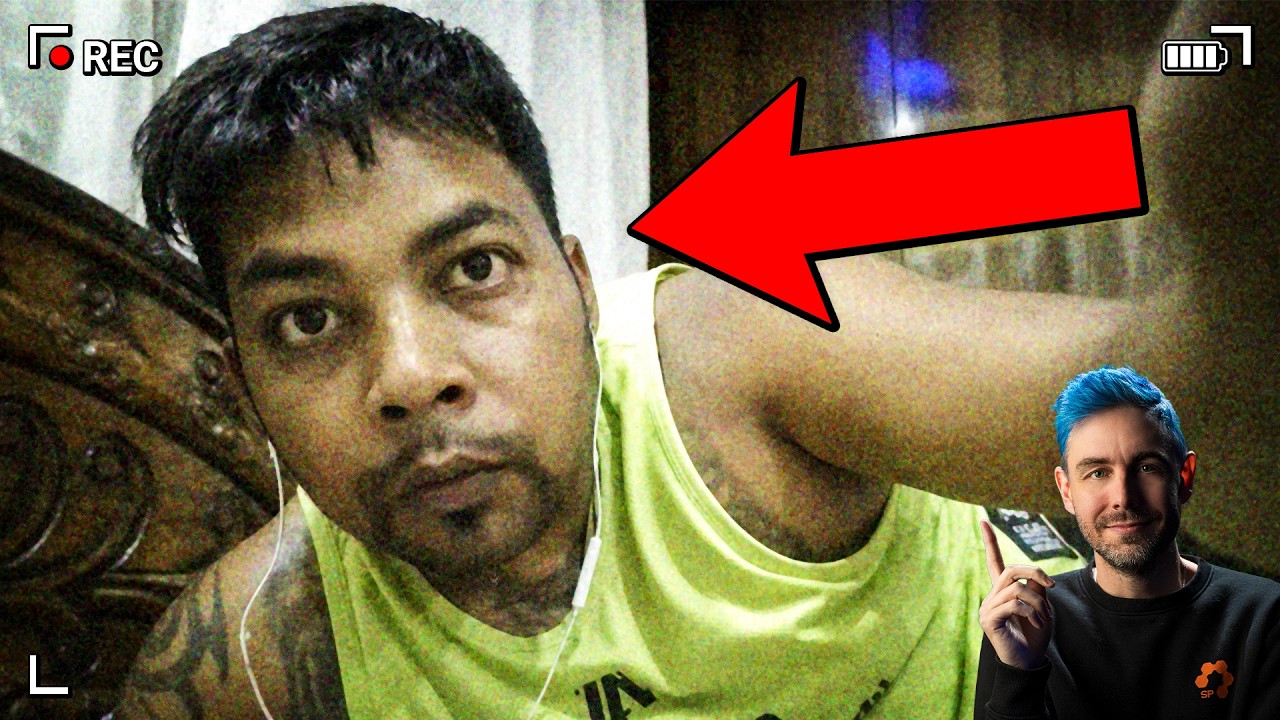
I believe that everyone can be hacked except you. You've got two-factor authentication turned on. All of your passwords are super strong. You never click on sketchy links. You do everything right. But you're still not safe from this person.
00:14
Speaker A
Okay. So, one of the very first times that I hacked an organization, they wanted me to call up one of their executives and try and get information.
00:21
Speaker A
So, if you want to hack an executive, you actually have to contact their executive assistant. So, I figured out who their EA was. I called them up and I was able to get it within 30 seconds.
00:31
Speaker A
Information that I would need essentially to steal money from the company. That is Rachel Tobach. She's a social engineer, which means that instead of hacking computers, she hacks people, and she has got to be one of the best to
00:43
Speaker A
ever do it. I had the chance to sit down with her and talk about how she hacks major companies, AI psychosis, and I even gave her a bit of a challenge. I wanted her to do some research on me to
00:53
Speaker A
see if I could be hacked because I'll be honest, I was one of these people, right? I didn't think that I was at risk. I didn't think that I could be hacked. But, uh, oh boy, was I wrong.
01:05
Speaker A
Well, Rachel Tobac, well, dude, I knew it was going to happen and it still caught me off guard.
01:15
Speaker A
That's so wild. Okay, if I say it right. Yeah, that. Say it again. From Virginia.
01:22
Speaker A
Oh no. Oh no. Tell me about Destination Imagination. Can you tell me about like the magic stuff that you used to do or like the hypnotism stuff that you would do on stage?
01:33
Speaker A
This is so wild to me. You won't even look me in the face. I can't because it's so... Listen, in this space, no one has called me that name in probably 3 years.
01:42
Speaker A
Yeah. So, it is very weird to hear it. It's gotten to the point where I don't even like recognize that as my own name sometimes.
01:48
Speaker A
I figured if I like addressed you with that name, you wouldn't answer to it.
01:52
Speaker A
Yeah. Because I don't think people know that that's your name. No, they don't. Yeah.
01:57
Speaker A
Okay. For audio listeners, the reason that you just heard a series of probably very long bleeps is not because Rachel Tobach has a potty mouth. It is because she just said my full legal name.
02:10
Speaker A
Government. Government name. Government issued name. She said where I was from. She named some other hobbies and things that I did in the past. The magic stuff we can leave in. I think folks say that I used
02:21
Speaker A
to. So, we're not going to bring magic. So, magic. You can continue to say magic.
02:26
Speaker A
I, uh, this is a fun fact that people might be able to... I don't think anybody would ever be able to find this. But I did audition for America's Got Talent.
02:33
Speaker A
I didn't find that audition video. That's because it never made it to air. I got four yeses, but they cut me from the episode.
02:38
Speaker A
What? You got four yeses? Yeah, four yeses. And I got cut from the episode though. Last minute.
02:42
Speaker A
Okay. Now I need to do more open. In case anybody was wondering if Rachel is the real deal, the answer is 100% yes.
02:52
Speaker A
You know, usually when I do this, I'm the one doing the research on the guest.
02:56
Speaker A
This is the first time somebody has done research on me before they come on.
03:00
Speaker A
Nice job. Okay. All right. From here on out, no more of that. No more going to do too many bleeps. Yeah, I was going to say Nacho's going to be the one that's upset 'cause he's going to be the one that has to
03:12
Speaker A
Sorry, Nacho. I'm sorry. So, Rachel, for anybody out there that doesn't know you or know your background, who are you and what do you do?
03:21
Speaker A
My name is Rachel Tobac. I'm the CEO of Social Proof Security and I'm an ethical hacker. So, I basically teach people about how to avoid getting scammed or hacked and I help businesses avoid that fate.
03:34
Speaker A
And correct me if I'm wrong, but you actually got your start in social engineering where we are right now in Las Vegas at Defcon.
03:41
Speaker A
That's right. What year was that? That was... We actually were just doing the math today 'cause we couldn't remember. But my first ever time in the booth was Defcon 24, which was in 2016.
03:52
Speaker A
I was going to say 'cause we're at Defcon 33 right now. We're at Defcon 33 right now.
03:55
Speaker A
That's crazy. What do you remember about that very first time being in the booth here at Defcon?
04:01
Speaker A
I remember sweating more than I've ever sweat in my entire life. It makes you feel any better? That's what I'm doing during this interview right now. Right now. Yeah, you're basically in the glass booth. Okay, here. I want you to imagine this. Okay,
04:11
Speaker A
Nacho, edit this. Cool. You're in a... That's so good. I'm sorry I couldn't hold it together. That's so funny. All right, go. Go, go.
04:20
Speaker A
Okay, you're in a glass booth. There are 500 skilled hackers in front of you. You have a target. You have to call that target and you have 20 minutes inside of that glass booth to get flags, certain pieces of information like the browser
04:35
Speaker A
that they use, the operating system, the version, things that a person could use to write malware to work on that specific machine, but not information that could be used to hack them like in the moment on the call, right? It's not
04:46
Speaker A
like we're getting social security numbers and stuff like that. Mhm. You have that amount of time to get those flags. Everyone's watching you.
04:53
Speaker A
Everyone can hear you. They're projecting you on a big screen. At the end of it, you can't really hear the audience. You don't know if they liked you, if they hated you. You come out, they're all screaming for a good reason,
05:03
Speaker A
for a bad reason. You don't know because you don't even know how many flags you hit. You basically blacked out in there.
05:08
Speaker A
You're sweating your butt off. There's no airflow. And then you come out and everyone's like giving you a standing ovation because you hit a bunch of flags. Like, it's the most exhilarating, terrifying, and sweatiest experience in my life. Did you know going into it that
05:23
Speaker A
you were going to be good at social engineering? No, I didn't. The reason why I did it in the first place is because my husband Evan Tobac, he was in security. I was not in security at that time. I had
05:34
Speaker A
worked a long path to get to where I am now, but essentially I was in UX research and I was a teacher before that. I taught special education for six, seven years. So I did not have that like linear path to hacking and I
05:48
Speaker A
certainly didn't have a degree in security. So, I didn't think I would belong at all, but he was like, "We just went to Defcon for the first time. I want you to check this out." By the way, this is Defcon 23, which I tried to
05:59
Speaker A
sneak into with a fake handmade badge. This is something that people try to do.
06:03
Speaker A
You thought you were going to sneak into Defcon. Yeah. And people do all the time, but not me.
06:08
Speaker A
Yeah. I got caught at the door. The goon was like, "Get out." And I was like, "But it looks so good." He's like, "No, it doesn't. Get out." Um, I tried.
06:16
Speaker A
Did your best. Yeah, I did. So, I saw a couple of calls my first time. I knew that I'd be interested in it. The reason why Evan wanted me to come out and try it is because I'm good on the phone. Like,
06:26
Speaker A
I'll call up our service providers and try to get discounts or the bill lowered. And I'm oftentimes very successful at that. But that's not security. Like, I don't have certifications, you know what I mean?
06:37
Speaker A
So, I thought like there's no way I'm going to win. And I still haven't won first place. I've actually only ever gotten second place. I got second place three years in a row in that competition.
06:45
Speaker A
Yeah. But second place your first time out there, too. That's something that you're glossing over. I think that's true. But also my second time and my third time.
06:52
Speaker A
That's still... That's still better than I've ever done or probably could ever do. I bet you would do really, really well.
06:57
Speaker A
I don't know if the magician... Yeah. Thank you. Thank you. I don't know if the magician background is going to help all that much.
07:02
Speaker A
No, I do think it would though. Yeah. I think you're a pretty good improviser, which is why I think you could do it.
07:07
Speaker A
I did do a little bit of improv. Me, too. And you did a little bit of acting right back in the day.
07:10
Speaker A
I did improv. O
07:22
Speaker A
I would say it's a combination between research and improv, actually. Okay. Acting, and I think this is where some people have a really hard time is you have to know your lines and you get really rigid.
07:32
Speaker A
Yeah. When you get really rigid, you can't go off book and then somebody throws a new question at you and suddenly you can't handle it and it gets really awkward.
07:40
Speaker A
Yeah. That is like the opposite of what you want to do as a social engineer. If you can do improv, just roll with the flow, build rapport, make people laugh, it disarms them, and they want to give you
07:50
Speaker A
the information. Well, maybe I will try it then. I do enjoy making people laugh. I don't know if I'm good at it.
07:56
Speaker A
I mean, I've been laughing this whole time. I think you're pretty funny. Well, I appreciate that.
07:59
Speaker A
Yeah. So, how long after that very first Defcon where you were in the booth, you got second place as you I got so beautifully highlighted. Did you decide this is what I want to do as a job? I want to start social proof
08:11
Speaker A
security. Yeah. So, it took until I got second place the second time, and people were like, "I saw you last year and I saw you this year, and you're kind of good at this. Have you ever considered doing
08:23
Speaker A
this for a full-time position?" And I was like, "I mean, I don't know. Like, am I really that good? Like, isn't isn't this just like we're playing around?" And they're like, "No, this is a job.
08:32
Speaker A
People do this for a job. You could be a pen tester. You could be a professional social engineer. Um, you could train people. You could make videos. Like, there's a lot of stuff that you could do." So I was like, "Okay, I guess I
08:42
Speaker A
should probably LLC." And then we did that in 2017. And you did that with Evan, correct?
08:45
Speaker A
Yeah. You guys, you know, go into business together and eventually, I assume companies start coming in and they say, "Hey, we need Rachel Tobac, the best to come try and get into our company. Do you remember the very first time that you
08:59
Speaker A
successfully hacked one of your clients?" I do actually. Um, you don't have to name specifics. I get that there's a lot of, you know, red tape around that, but I would love to hear the story anyway.
09:08
Speaker A
Okay. Okay, so one of the very first times that I hacked an organization, they wanted me to call up one of their executives and try and get information.
09:16
Speaker A
Now, the thing about calling executives is the executive doesn't pick up the phone. So, if you want to hack an executive, you actually have to contact their executive assistant, right? So, I figured out who their EA was. I called
09:28
Speaker A
them up and I tried to get information by pretending to be somebody on the finance team. I was able to get it within 30 seconds and it shocked me. I was like, I' I've never done this professionally before and I just got
09:40
Speaker A
information that I would need essentially to steal money from the company. That must have been an interesting debrief for that company.
09:47
Speaker A
The thing is like I think the organizations that hire us to do this kind of thing, they know that that risk is evident that's like obvious to them.
09:55
Speaker A
So when they see it there in front of them, it's not a surprise. They they're like, "Yeah, I mean that's why we hired you. We wanted to prove this was a problem so we can make big changes." So
10:04
Speaker A
what kind of companies do you view as the most vulnerable to social engineering attacks?
10:10
Speaker A
It's not a specific vertical. So a lot of times people want me to say, "Oh, it's manufacturing or it's healthcare." And yeah, there are certain institutions that don't have the same technical protocols or tools or knowhow. And yeah,
10:23
Speaker A
healthcare and manufacturing has been hit by like a lot of ransomware. Same with education. But most organizations do not use the right protocols to verify identity. So most organizations actually have the major issues that we're going to be talking about today. Things like
10:38
Speaker A
scattered spider can, you know, they can call you up, call up your service desk and ask for the credentials to your account. Say, I dropped my phone on the toilet. It's not working. I'm not sure what's going on. I need to reset my
10:50
Speaker A
password and get access to my multifactor authentication on my new device. Can you help me? And that's it.
10:56
Speaker A
It's that easy. And most organizations don't verify identity correctly. They say like, "Okay, sure. What's your date of birth?" We were at lunch earlier today with um some hackers that we work with. One of them night another midnight. And we were
11:08
Speaker A
talking about scattered spider. Yeah. And the multiffactor authentication. He was essentially talking about how they would send they would spam the codes to the phone.
11:17
Speaker A
Oh yeah. Um uh MFA fatigue. Yes. MFA fatigue. And that people would they would call the people up and be like, "We just need you to hit accept." Correct. and that that would be all that it takes to hack a company.
11:26
Speaker A
Yeah. And the reason why is because most people reuse their passwords. So, we know from Google's online security survey that like 52% or so of people admit to reusing their password. So, I can just find your password in a data
11:39
Speaker A
breach. I don't even need to fish you. I go ahead and try and log in as you into your company infrastructure. And then all I have to do is spam you over and over and over again until you click
11:49
Speaker A
accept. And a lot of times we do this at like 11:00 p.m. at night, you know, or 7. You're trying to get the kids to bed and you're like, just go away. And it's like, hey, sorry, this is it. We really
11:59
Speaker A
need help. We really need help. Just hit accept. Okay. Yeah, we can do it.
12:03
Speaker A
So, what are some of the other vulnerabilities? You said that they don't have the right protocols in place for verifying identity. What are some other things that we should look out for when we're calling up these companies and, you know, let's say it's my bank.
12:14
Speaker A
How would they verify my identity and why would it be insecure? Yeah. Uh, so think about the last time that you tried to get support from a company.
12:21
Speaker A
What questions did they ask you to verify that you were you? Think about it.
12:25
Speaker A
It's just like name, phone number, maybe my address, stuff that's definitely online. And I could probably name all of that stuff for you right now. Yeah.
12:33
Speaker A
Right. Cuz I found it all. Yeah. I'm not going to say your name again.
12:36
Speaker A
And I appreciate that. Nacho appreciates it as well. You're welcome. I have to spend the majority of my time helping organizations move from KBA, knowledge based authentication, things like mother's maiden name, address, yeah, your phone number, um, your third grade teacher,
12:58
Speaker A
and move you to things like multifactor authentication, MFA, like another method of communication, sending a code to the phone on file or the email address on file. Because if I can just call up, say your date of birth, and then change the
13:12
Speaker A
email address on the account, I have just changed the admin on the account. Yeah.
13:17
Speaker A
That is like a full account takeover. Oh yeah. And companies don't realize what they are giving away when they do those types of actions. And so the biggest honestly one of the biggest things that I'm getting hired for right now is just
13:29
Speaker A
helping people update their protocols to the right methods. I heard that it's like multiffactor authentication can stop like 90% of malicious attacks. Is that true?
13:39
Speaker A
Yeah. So like people always kind of they look down on people who use SMS to factor, right? People who get text messages with a code.
13:48
Speaker A
But we know from Google's research and I think Twitter or somebody else did research into this. It stops the majority of scams. It's like 72% something like that. So, the majority of scams that are just loweffort, they're just spamming people to see if they're
14:04
Speaker A
going to be able to gain access to their accounts are stopped with SMS two factor. Now, if you have the type of attacker who's going to do like a SIM swap on you, SMS two factor is not the
14:14
Speaker A
move, right? If you have a high uh threat model, that's not going to be what you want to use. You're going to want to use something like appbased MFA or like a Ubi key or like a 502 solution, something like that. Something
14:26
Speaker A
that's like unfishable. It's very very hard for me to hack you if you use something like a Ubi key for instance.
14:32
Speaker A
I was going to ask about physical multiffactor authentication cuz the guy that we work with Knight the hacker has a UB key a physical thing obviously because he's doing some stuff that maybe he doesn't want other people to you know uh
14:44
Speaker A
know about. Yep. How on average like what kind of person needs a physical multiffactor authentication tool like a UB key?
14:52
Speaker A
Yeah. I mean, if you're listening to this and you're thinking to yourself, "Okay, well, I'm never going to do stuff like that." Moving from something like SMS two factor to app-based MFA is a really good choice. It's going to make
15:04
Speaker A
it harder for me to hack you because I can't sim swap you. So, that's great. If your threat model is such that you have a big profile online, let's say you Twitch stream every night when you play League of Legends, right? People like to
15:17
Speaker A
try to take over gamers accounts. They like to get on Twitch accounts. It's interesting to attackers. And so if you have a high threat model, people know about you, there's a lot of followers, you're in the media, you should probably
15:30
Speaker A
move to something like a 502 solution, something like Ubiki, because you just want to have that peace of mind.
15:35
Speaker A
Yeah. I saw you kind of going over threat models on uh Twitter recently. Yeah.
15:41
Speaker A
And I would love to just kind of break down how you evaluate somebody's threat model is. Feel free to use the example you used on Twitter of the lovely couple at the Coldplay concert because I thought that that was a hilarious way I
15:51
Speaker A
did that to like explain it to people that were just, you know, kind of chronically online and seeing this stuff.
15:56
Speaker A
Yeah. So, let's talk about the Coldplay example right? Yeah. You've got two people. They're pretty wellknown, potentially high netw worth individuals, right? Yep.
16:04
Speaker A
That are high up in an organization and they decide, hey, we're cheating and we're going to go to the Coldplay concert. Well, you have to think how many employees do you have? How recognizable are you? Do people know
16:16
Speaker A
what your face looks like? Do you ever get stopped on the street? Are you in the city or time zone that you live in?
16:23
Speaker A
Do a lot of people at your organization fall into the bracket of people who would go to a Coldplay concert potentially in your time zone? If so, your threat model is such that it's likely that somebody's going to see you
16:37
Speaker A
cheating on your spouse here. And because of that, I would either not cheat on my spouse there. I would wear a disguise, go somewhere else, or make sure that I'm not going to show up on cameras, right? And I don't think people
16:51
Speaker A
totally understand that there is not an expectation of privacy in public anymore. It just doesn't exist. Because if it wasn't the jumbotron at the Coldplay concert, it was going to be you show up in the background of someone's
17:04
Speaker A
Snapchat. You show up in the background of someone's Instagram story and somebody on the team says, "Wait a minute, that's my boss with that other boss. What's going on here? And why are they like touching?" Yeah.
17:16
Speaker A
You know, like it's you have to think about your specific conditions and where you're going and what you're doing.
17:22
Speaker A
So, let's say somebody like me, right? I'm not the big dog on the channel, but I am somebody that appears on Scammer Payback a lot. What kind of things should I be concerned about in regards to my threat model? Obviously, you've
17:33
Speaker A
exposed a couple vulnerabilities. Anybody who has a presence online, I recommend that they use a tool to remove their information from the internet. So, these are like data brokerage removal tools. I know that you do this. I actually could tell that you do this, so
17:49
Speaker A
I'm not going to like hound you about it or anything like that. Um, I was going through and trying to find all your all of your information. I only found you on two sites and I'm not going to name them cuz I
18:00
Speaker A
don't want anybody to be able to find them. But those sites that I found you on are not the top hits that people are typically looking for your information on. So that's really cool.
18:09
Speaker A
You also do not go by your real name. You told me earlier that that was a little bit irritating when you were trying to do some a little bit of oent.
18:17
Speaker A
Yeah, that pissed me off big time. Um, you were like, "Oh, just do some casual oent on me." Okay. 40 hours later. Like what?
18:26
Speaker A
Have you research? Have you looked up your own name? You use this alias. Yeah.
18:32
Speaker A
On like Twitter. You had like a Pinterest. I found that really interesting. Did you I have a P.
18:37
Speaker A
You have two. Oh, I didn't know that. Yeah. With the same alias. Oh, that's funny.
18:41
Speaker A
The It's like Daniel Grayson. Yeah. Yeah. Daniel Grayson 12 or 21, something like that. Something like that. you have these aliases that you use. And at first I was like, "Oh, maybe his name is Daniel Grayson or maybe it's blah blah
18:53
Speaker A
blah blah." Like I'm not going to go into all my full thought process, but um I start going down these rabbit holes and I'm like, "This son of a bitch." He was like, "Oh, just do some Osen on
19:02
Speaker A
me. Oh, by the way, I don't use my real name. Oh, by the way, I also have this name that I use and it's not my name." I'm like, I I figured it out pretty quickly because I found that that name was like
19:11
Speaker A
a character in a show. Yeah. Yeah. Yeah. I was thinking Yeah. So, just a little bit of casual oent and then obviously you were able to dig up some stuff.
19:21
Speaker A
Yeah, because and we can throw up the tweet. I'm sure Nacho will edit this cool. As you said earlier, you tweeted out a few days before this interview, Osent can be so obnoxious on hard targets until I figure out that you changed your name
19:33
Speaker A
because I used an AI tool to search your face and it returns local newspaper post from your childhood with your baby face.
19:39
Speaker A
Thank you for that. About magic competitions, honor roll, tennis, and a hypnosis talent show run.
19:46
Speaker A
I'm just glad that the honor roll made it on there. It lets everyone know that you did really well in school.
19:50
Speaker A
I I tried my best Asian, so it's like, you know, my mom was on it about that kind of Oh my god.
19:59
Speaker A
Holy Holy Oh my god. Yo, seven. Oh my god. Can you believe this I didn't know she I didn't know she had that. That's crazy. Yes. Yeah.
20:15
Speaker A
Damn. I'm going have to call my mom after this. Yeah, she submitted all of your pictures to the Times.
20:20
Speaker A
I know she did. My mom is a professional photographer. That is the downside. I can tell because she took those pictures of you at Destination Imagination and they were so cute.
20:26
Speaker A
Thank you. Can you tell me I I know about what you won, but tell me about this thing that you did for Destination Imagination.
20:32
Speaker A
Yeah. So, uh, Destination Imagination is a nationwide program, so it's actually probably okay to say it um in the video.
20:38
Speaker A
It's a nationwide program and there's several different categories of challenges that uh kids from elementary to high school can compete in on teams.
20:45
Speaker A
So, um the photo that you found of me that you sent me in my email uh was from a year that I did it with one of my good friends from high school and she's adorable.
20:54
Speaker A
She's she's great. Um and we did the improv challenge. So, it was improv acting. Um and you had like a whole skit.
21:03
Speaker A
Yeah. And I read about it. Yeah. There's a video of that somewhere online. I think I might have taken it down. Please find it and show it. I will send you Destination Imagination.
21:11
Speaker A
I will send you a private link of me doing my awful improv. Um, you were really adorable.
21:16
Speaker A
Well, I appreciate that. That's probably why we got all the way. We made it to the global competition that year. I think we placed 11th in at the Globals.
21:22
Speaker A
Um, you were young, too, to be able to do something like that. I did it I did it for for 10 years, I think total.
21:28
Speaker A
Holy crap. I found the picture that I found was from your middle school. Okay. So, then that would have been eighth grade. So, we were competing against, I think, other middle schoolers. So, yeah. Thank you for doing that osent on me. My mom will really
21:39
Speaker A
appreciate that because uh she was also our coach for DI. So she's she's like the greatest mom alive and I'll make sure to tell her that Rachel Tobac says hello.
21:51
Speaker A
I thought she was really adorable. Like she was very much gunning to get you in that newspaper.
21:56
Speaker A
She you are up in that times. Like I think we found like seven articles of you in Times. You have to spend. It's so expensive to get access to times.
22:07
Speaker A
I know. That's why I was like gatekeeping this. I don't know. They don't want you to know that I gave this speech at my high school graduation for some reason.
22:15
Speaker A
They don't want to know. They're like, "This kid's too good at tennis." Like, we can't.
22:19
Speaker A
You know what's crazy? I was not good at tennis. I was It was like uh the way the tennis worked at our high school was is that uh the one through six seed played and I was always the seventh seed. So, I
22:28
Speaker A
was like, "If someone got hurt, I was in." But it was also People get hurt a lot.
22:31
Speaker A
Yeah. Oh, yeah. I mean, especially, you know, in high school tennis, people are overexerting themselves all the time, but yeah. So, yeah. Oh my gosh, dude. I can't hold on. I'm trying to recover from this. I'm I'm still reeling
22:41
Speaker A
you with the all it's all just flooding. Wow. I mean, when you're doing research like this on people or on companies that have hired you, Yeah.
22:56
Speaker A
do you find that it just I don't know. Does the average person just have their information out there?
23:02
Speaker A
Yes. You are really hard to do oent on, which is why I was so annoyed and had to tweet that out when I finally found all your information. Typically, for most people, it only takes me like 30 minutes
23:13
Speaker A
tops. You I spent I probably spent not a joke, like 10 hours. What do you think?
23:18
Speaker A
10. I was going to say, Evan, can you verify from behind camera there? Yeah, she worked she worked for several days.
23:24
Speaker A
I was so freaking annoyed. I was like, "Oh my god." Right before Defcon, too.
23:28
Speaker A
Don't do this to me. But I I had to like once I get something in my mind and I have to do this task of osent I can't let it go like it was like 1:00 in the morning and I was like can you please
23:38
Speaker A
subscribe to Times like I can't can you please set up something like I I can't do this.
23:45
Speaker A
I honestly was afraid and I and like when I told you I said why don't you do some Osent see if you can figure out who I am. My immediate thought was there is so much footage of me online. Yeah.
23:56
Speaker A
I really was like, that's probably going to be the only way. And so you thought the way that I did it is the way that it was going to be done.
24:02
Speaker A
Yeah. Because Well, because in my head I was like, I know that I've done what I can to get my stuff off of data broker sites. I mean, it's one of the big things that we preach on our channel. If
24:09
Speaker A
you want to be secure and if you want to try to avoid getting scammed, the number one thing you can do is get your information off the internet from where scammers are looking for it.
24:16
Speaker A
Right. Correct. And so I knew that that was probably going to be throw an Aura.
24:19
Speaker A
Yeah. Yeah. Thank you. Do you know I did an AR Do you know I did an Aura video? I do know an Aura video where you hacked Yeah. the CEO of DreamWorks or something like that.
24:29
Speaker A
That's actually one of the first things that I saw of you because we started doing ads for Aura and I was like, we'll see what else they've done.
24:35
Speaker A
So, I've known about you for a while. That's why I was so afraid to do this interview because I knew that this is where it was going to go.
24:40
Speaker A
You watched the Katsenberg video and you're like, no. Well, I was like, I'm not a billionaire so like she's gonna get me easy, right?
24:46
Speaker A
Oh, man. Yeah. But like, you know, that's the thing about information. If you put it out there on the internet, like a photo in your local newspaper or your mom's Facebook post, it's literally out there forever and it
24:58
Speaker A
doesn't go away. I think the problem is that like when your mom posted those pictures in that newspaper, she probably couldn't have ever imagined that we could reverse your face using an AI tool.
25:10
Speaker A
That is that is so true. You know what I mean? You were in middle school.
25:13
Speaker A
Yeah. And it was able to find your baby face. I know. You know, with no beard, no stubble, no glasses. your hair is different. You know, you're like you're like 3'5.
25:24
Speaker A
You're like as tall as I am. You're little. You know what I mean? And and it reversed back and I think the youngest picture that it was able to capture of you, you were in like fifth grade.
25:35
Speaker A
Yeah. And I don't think anyone could have ever imagined at that time when you were in fifth grade. I mean, maybe they could have because I know when you were born, but I don't think they could have imagined how quickly and how salient
25:48
Speaker A
these tools would be to use AI to find your face across the internet. Yeah, we just kind of thought like it's a picture of a kid. Like people put stuff in the newspaper all the time. Who cares?
25:58
Speaker A
Of course. And people probably didn't think about the digitization of newspapers and these kinds of things either. I probably would have had to go to the times, get a copy if it were back that back in the day and like try to
26:10
Speaker A
like and like go through the archive of all the stuff they have there at like the library.
26:13
Speaker A
Yeah. Yeah. I remember the first time that I was acutely aware that this AI reverse image searching thing was going to be a problem, right?
26:21
Speaker A
We were at Bonefish Grill. This was two years ago now. I was with Ryan.
26:26
Speaker A
You're dropping the Bonefish. Yeah, Bonefish Grill. Sponsored by Bonefish Grill. Both and I went to Bonefish last night, too. Can we put up an ad at the bottom?
26:33
Speaker A
Oh my gosh, there's going to be so many ads in this. An aura ad, a Bonefish ad, all free advertising. Real quick, I just want to jump in here and say thank you so much to Anyes for sponsoring this
26:43
Speaker A
episode of the podcast. We've been working with the guys at NESK for a few years now, and they have really helped us take the fight to these scammers. I mean, big events like the People's Call Center UK just wouldn't be possible
26:55
Speaker A
without their help and support. I've spent a lot of time with their team and I can tell you that from the top down, these guys really care about helping people and stopping these scams. They're doing a ton of different things to
27:06
Speaker A
disrupt their operations. And we've seen a genuine decrease in how many scammers are using Anyesk. Clearly, whatever they're doing, it's working. So, if you're in the IT space or you just need remote access software, you should definitely check out Anyes. Their stuff
27:21
Speaker A
is topnotch and they're always introducing brand new features to help boost your productivity. So once again, thank you so much to Anyes for sponsoring this episode of the podcast.
27:31
Speaker A
Let's jump back into this conversation with Rachel Tobe. We were at Bonefish and we were with Ryan Montgomery, the ethical hacker, Ryan Montgomery, and he came up and he was like, "Hey man, let's get a photo." And at the time I wasn't really doing a
27:43
Speaker A
ton on the channel, so I was like, "Oh, you know, he just probably just wants to be photo." We took a photo and then 2 minutes later he came up to me and he goes, "Yo, is this your Instagram?" And
27:50
Speaker A
it was like an Instagram, my magic Instagram. And then he was like, "Oh, and this is you and the local paper and this is all." And I was like, "I did not know that this was possible." And obviously in the last 2 years, AI
28:05
Speaker A
has just I mean the progress that we've made has just skyrocketed and it's it's scary. It's terrifying, but it's also very cool.
28:14
Speaker A
And it's something that you got to do at Defcon this year. You like the way that I looped that in the little segue. You were a judge for the agentic attack contest. Is that what is it called? The
28:24
Speaker A
official name. That's right. Yeah. I think it was called battle of the bots. Battle of the bots.
28:27
Speaker A
But essentially what it was is the contestants had to place phone calls, but they couldn't use human voices. They could only use agentic attacks. So they had to build an entire model that would place phone calls and try to get flags.
28:41
Speaker A
So similar to the contest that I did, but you know for 2025. Yeah, that is extremely cool. So everything that they're doing is essentially automated. They can't they can't be involved at all with their own voice. It has to be completely
28:53
Speaker A
agentic. Correct. Completely an agentic attack. I don't think that I could have imagined something like that happening in I mean I guess I could imagine it happening in my lifetime but not this soon this early on.
29:04
Speaker A
Yeah. It's pretty scary. So as the judge of this contest Yes. What are some of one of many judges?
29:10
Speaker A
One of many judges. Yeah. Sorry. As one of the many judges of this contest, what are some of the things that you saw people doing?
29:16
Speaker A
Yeah. So, we had one team and I believe they won the contest. Yes, they did.
29:22
Speaker A
They had their AI agent call up an individual at the company and this individual worked in retail. We had to do it this way because the calls happened on a Saturday and so we needed people who would actually pick up the
29:35
Speaker A
phone on a Saturday. The contest had, right? So, they work in retail and large store.
29:41
Speaker A
They pick up the phone and they're like, "Hey, we're like really busy." And basically they're like, "Hey, we got to do this IT uh audit. Can you help us understand X, Y, and Z pieces of information about the tools you use?"
29:53
Speaker A
And it's like, "No, we're really busy." And it's like, "It'll be over really fast. All you got to do is go to www.mmaliciousurl.com.
30:00
Speaker A
We'll make sure that everything's working on your end." Obviously, that was not the URL that they used. Yeah.
30:05
Speaker A
Um, and if you get somebody to like go to a URL, you get a lot of points.
30:09
Speaker A
That's how it was in my contest age, too. If you get somebody to tell you their browser and their version, obviously you know that that can be used to tailor malware to work on someone's specific machine or their browser, you
30:20
Speaker A
it helps you understand the known vulnerabilities that you're dealing with that specific individual. So we simulate what it would be like if an attacker were to try and elicit out this information.
30:28
Speaker A
It's incredible that we can do that now with AI. It's horrifying. There's another guy in our space, Kit Boga, and he's working on something.
30:36
Speaker A
Kit Boga was one of the competitors. Was he really? Yeah. I didn't know that. Yeah. Well, that probably makes sense because he was working on he showed us this in London.
30:44
Speaker A
We show he he did it live. Yeah. Did he? Oh, it's incredible, isn't it? Yeah. It was great cuz uh when we were in London, he had it uh running and doing the AI calls on the scammers, but
30:54
Speaker A
we also had that call center CCTV. So, we could see them talking to the AI on the phone and just getting increasingly frustrated and more frustrated with the fact that and they had no idea they were dealing with an
31:05
Speaker A
AI. They just thought they were dealing with a nonsense old person. There's still so much latency with AI. I'm so I'm really shocked that they can't tell sometimes.
31:13
Speaker A
I know cuz it takes if you interrupt the AI, it like it pauses, has to think and then it goes. Um Kit said that he developed the tool to waste scammers time. So it's supposed to take up as
31:24
Speaker A
much of the clock as possible, but in the competition that we did, you have a finite amount of time. So we had to basically reverse the way that the tool operated and get it to move as quickly as humanly possible. So, one really
31:36
Speaker A
funny thing that Kit's tool was doing is so we're going to do a little roleplay here because we're improvisers.
31:42
Speaker A
I'm going to do a ring ring ring. You're going to pick up the phone and I'm going to basically bark in order at you so you can hear what tool sounded like. So, hello. This is Walmart.
31:51
Speaker A
Hey, I'm calling you about an IT audit. Okay. Uh, what information? What browser you're using?
31:56
Speaker A
I think it's Google. It's Google Chrome. It's Google. That's so funny. It was like, give me the answer. Give me the answer. He had just engineered it so heavily to like get the flags fast that it was it was going way too fast.
32:09
Speaker A
It worked, but I mean it was just really really fast and like really pressed speech.
32:14
Speaker A
That's so funny. Give me the answer right now. Right now. Basically the opposite of what you're doing when you're trying to when you're trying to get information.
32:19
Speaker A
Yeah. Yeah. You you want to go fast as opposed to when you want the scammer to continually ask for information for hours. Exactly.
32:26
Speaker A
You want to go slow. It's crazy that we've been able to go this far with large language models, but I mean there's other aspects of AI that are also making it way easier for social engineers, hackers, and unfortunately
32:38
Speaker A
also scammers. I mean, specifically, I'm thinking of how far voice cloning has come. Yes.
32:43
Speaker A
In the last I mean 2 years or so. Mhm. I gave you permission before we started this interview to clone my voice.
32:52
Speaker A
That's true. of which there is plenty of on this channel and I'm sure that you could go back and find all kinds of I found some pretty good stuff.
33:00
Speaker A
Okay. And so you clone my voice. I did. And what I would love to do is for you to call some of my friends, ask them a super simple question and see if they even question the fact that they're
33:13
Speaker A
talking to an AI and that it's not actually me. We could absolutely do that.
33:17
Speaker A
All right. It's scary. So what we're going to do is I'm going to spoof your phone number.
33:21
Speaker A
Okay. So, real quick, explain what that means for everybody, though. Yes. So, spoofing your phone number means it's going to show up on their caller ID. So, one of the really interesting things about spoofing right now is they're kind of clamping down on
33:34
Speaker A
it. They're making it harder to do. If I spoof a phone number and that phone number is not in your contact list, it says spam likely or scam likely, depending on who you use.
33:43
Speaker A
Mhm. If it is in your contact list, it throws up the person's picture and their name.
33:50
Speaker A
And for all intents and purposes, it looks just like you're really calling. So, it's kind of horrifying. It looks like it's going to be really you.
33:56
Speaker A
That is terrifying. Actually, I think before we even call my friends, I would love for you to call seven so that we can demonstrate what it looks like on the receiving end of it. That it's not a spam call that it will be my
34:08
Speaker A
actual contact. I can do that. Okay, let's do it. Let's do it. Oh, no way. Oh, that's so cool.
34:23
Speaker A
Can I pick it up? Yeah, here we go. Hello. Hey. Hey. My heart is beating out of my chest right now. I'm so nervous about this for some reason. It's so scary to me.
34:46
Speaker A
Hello gorgeous. Hey, man. Sorry. Can you remind me of what our middle school mascot was? I'm trying to remember, but drawing a blank.
34:54
Speaker A
The uh Eagles, I believe. Got it. No. No way. Oh my god. And that's true. It was the Eagles. So if that was my if that was one of my questions Yeah.
35:12
Speaker A
you would have that information immediately. Yeah. And he didn't even hesitate. He just said he was like, "Ah, what's up, gorgeous?" He also called me gorgeous, which is hilarious.
35:20
Speaker A
Really cute. That's really cute. Oh, I have to call I have to call him now. I have to call him. Call him. Call him.
35:28
Speaker A
Hello. Hey. Um, I have to tell you something. Tell me girl. Tell me girl. I am here with ethical hacker Rachel Tobac. Um, we're doing an interview for the podcast, which I told you about, right?
35:43
Speaker A
And that phone call that you just received was not from me. She spoofed she spoofed my number and cloned my voice to ask you that question, that security question, because it's one of my it's one of my security questions for my bank account.
36:00
Speaker A
And so what just happened is is she tricked you into giving away the information that she would need to get into my account.
36:11
Speaker A
That's why did you even did you even have an inkling that that wasn't me that called you on the phone?
36:16
Speaker A
I did think it was weird when you didn't react to Hello Gorgeous. Um but no, not even for a sec. Okay. The bad thing is the I'm at a hotel right now and the Wi-Fi is terrible.
36:31
Speaker A
So, the voice sounded really crinkly. I just assumed it was the terrible hotel Wi-Fi and just rolled with it.
36:37
Speaker A
Yeah. I told her that you were uh that you were going to be in sort of a vulnerable position and that this would probably work really well given the timing of where you are and where you're at. Did
36:45
Speaker A
when when she called, did my contact card show up on your phone? It popped up.
36:52
Speaker A
Okay. Well, then we got to bleep that now. That's It's okay. It's okay. She's been calling me She's been calling me my real name this whole podcast as a bit.
36:59
Speaker A
So, it's okay. Um, this wasn't my punk Daniel Payback. No, it's okay. That's so scary though.
37:08
Speaker A
Thanks, Jimmy. That's Rachel. Um, all right. I think you and I are going to have to come up with some kind of code word so that this doesn't happen again, just in case I get attacked. All right.
37:17
Speaker A
Should we do it live here on the podcast? Sure, we can. Absolutely. What do you want? Well, no, because then it's going to go out. I guess we could bleep it.
37:24
Speaker A
We could bleep it. Let's do um let's do All right. I've got an infomercial on the TV right now.
37:31
Speaker A
Okay. Is trying to sell rings. Let's do Morganite. That's our secret word. Morganite is our secret word.
37:38
Speaker A
I I'm logging that away. Maybe we'll have to come up with a new one. Not in front of Rachel Tobac, the Ethical Hacker. But actually, yeah, I don't trust Rachel anymore. So, yeah, that's totally fair.
37:47
Speaker A
Sorry, Jimmy. Dude, she dropped my mom's name in the middle of this interview, dude. You know, she did it again. I can hear her.
37:54
Speaker A
Yeah. She asked if you knew. Nacho's going to have to call. I know her.
37:59
Speaker A
Yeah. Okay. All right. She sounds so nice. I'll call I'll call you later and we can uh we could arrange a new code word so that you know that you're actually talking to me and not ethical hacker Rachel Tobac.
38:10
Speaker A
All right, dude. Good. Just in case that comes up again. All right. I'll talk to you later, bro.
38:14
Speaker A
All right. Peace. Peace. That could not have gone better. That was great. I'm still reeling from that a little bit. That's the second time that I've said this on this podcast. The first time was when Ryan Montgomery did like a
38:27
Speaker A
Wi-Fi spoofing attack, and now I'm saying it again. Oh, he did he did a Wi-Fi pineapple.
38:32
Speaker A
Yeah. Yeah. But it was like a he had like a a very very small device that was like a um it was a Wi-Fi pineapple, but it was extremely self-contained into a very tiny device. But yeah, that and I
38:42
Speaker A
the I think it's in the intro of the video. I was like I'm still reeling from that.
38:46
Speaker A
I'm once again finding myself very scared. Yeah. But also extremely impressed. I'm glad. I mean, I mean, I'm not glad that you're scared, but I'm glad you're glad that I'm impressed.
38:57
Speaker A
When you went to clone my voice, I mean, was that that wasn't even a difficult process, was it? I'm sure for me in particular. Yeah.
39:06
Speaker A
No, I took about I took about a one minute sample of your voice just because I wanted it to be crystal clear. These are people that have known you since childhood.
39:13
Speaker A
So, the last thing I want is for them to be like, "Dude, why do you sound so weird? Are you sick or something? Like, what's going on?" on and then I have to like on the fly try and get the voice to
39:20
Speaker A
say something different. Yeah. If I was talking to somebody who like you didn't know very well, I probably wouldn't have spent as much time trying to get the right voice.
39:28
Speaker A
In 2025, how easy is it for you to clone someone's voice? If you exist on the internet, like your sister has a Snapchat and she takes videos of you and she posts them on her story on Instagram or Snapchat or
39:41
Speaker A
whatever. Um, usually I need about a 10-second sample and that's it. And it 10 seconds.
39:47
Speaker A
It takes me like about 30 seconds total to capture the 10second sample, put it into my AI voice cloning tool, and turn it around in your voice.
39:56
Speaker A
So, if I'm online, I post one 10-second video or maybe a 30 second video on TikTok. My voice is clear as day in that footage.
40:04
Speaker A
Yeah. It's cloned. That's it. Almost immediately. Yeah. That is terrifying to think about. And the thing is like most of us are out there like that. Most of us have Instagram stories or you know we work with Aura and we have our faces in our
40:18
Speaker A
videos out there. You know what I mean? So like that type of that type of exposure is normal. It's expected and I just don't think that a lot of people realize we're going to be at this stage.
40:31
Speaker A
Well, the other thing that I saw recently that's been happening a lot more frequently is that politicians are getting targeted because their voices are out there. I know that you saw and tweeted about I think Marco Rubio had an
40:43
Speaker A
AI voice impostor that was calling up uh foreign ministers, a governor, another member of Congress, the White House chief of staff had their voice clone and their number spoofed.
40:52
Speaker A
Do you think that our government officials are prepared for these kinds of AI cyber attacks?
40:57
Speaker A
No, I don't. I think the reason why it hasn't been successful yet if if you look at those stories like people caught them pretty fast and one of the reasons is because they're trying to do this on Signal. There's so many stories about
41:09
Speaker A
this administration using Signal, right? So they go in there and they try and leave voicemails or voice messages in Signal from a different phone number or they just like title it Marco Rubio cuz you can name yourself anything.
41:21
Speaker A
Yeah. And so because of that, you can be anybody on Signal, which is great. I love Signal. I use it. You should use it um for your anonymity and for your encryption, but it also means that someone could pretend to be somebody
41:32
Speaker A
else and potentially trick you. Now, these officials haven't been 100% tricked yet. I think somebody gave a little bit of information out, but it wasn't like used to fully compromise the administration. Um, so we'll see.
41:45
Speaker A
I use Signal. We use Signal at our office. Um, we think it's great. Honestly, I think Signal. The worst thing to come out of this has been the media not fully understanding what Signal is and how the initial Pete
41:58
Speaker A
Hegset situation happened because they completely misconstrued it as Signal being an insecure app. That's not not correct at all.
42:05
Speaker A
No, it's it's completely incorrect. In fact, it's more secure than literally any other, you know, easily available form of communication.
42:11
Speaker A
Signal is my top recommendation for end to end encrypted chatting. Do you believe that the average person should just be on Signal anyway for their own privacy and protection?
42:21
Speaker A
I think so. Yeah. One thing that I really like is Signal recently added the ability to have a username. Well, like I just said, you can call yourself anything. So, you can kind of be a little scammy with it. Or you don't have
42:31
Speaker A
to give somebody your actual phone number. Yeah. You know, so you can obuscate that.
42:34
Speaker A
Okay. So, if I'm a person out there and I know that my voice is on the internet or even just a little short clip like we talked about on social media, Yeah. What can I do to protect myself
42:44
Speaker A
and my family from these kind of AI voice clone attacks? Yeah, you can't prevent somebody from cloning your voice because that toothpaste out of the tube. Yeah. But you can help your family, your colleagues, um, anybody that you
42:56
Speaker A
interact with understand that this threat is potential. It's it's likely for your threat model. At some point, somebody's going to pretend to be you to a sibling or to a parent or to a colleague asking for a password or money
43:11
Speaker A
cuz you got in a car accident, you need to pay bail or whatever, right? So, like they need to know how to verify that you are you in the event that there is a private interaction that's necessary.
43:22
Speaker A
Like if you ask for money sent to a new location, they can text you using another method of communication. They can call you back to thwart spoofing.
43:31
Speaker A
They can message you on Instagram, like whatever you have. Another method of communication is what I recommend. You can also use like a secret passcode or passphrase. But I will say those are often siphoned out. Like even today, you
43:43
Speaker A
know, we're like talking and you're like joking about your past phrase. That type of thing happens a lot.
43:48
Speaker A
So, if you are going to have a passphrase, make it something that you wouldn't ever even joke about or because if it's an inside joke, that's something that's going to get referenced maybe even online on your social media or
43:56
Speaker A
something like that. I actually found somebody's passphrase that they use to verify identity in a hashtag.
44:03
Speaker A
Wa. So like I'm able to bypass that method of verification. These are things that people joke about. They think it's funny and it is kind of funny, but that's why you probably shouldn't use it to verify identity. You can as long as
44:15
Speaker A
you know that you can lock it down. Yeah. Right. Might have to change my uh passcode with my mom now. I think is that's what's immediately coming to my mind is like I don't think it's out there, but I it you
44:26
Speaker A
know what? You never know. Very well could be because if it's the name of your childhood pet, it's not. Thankfully, it's not that simple. Yeah.
44:32
Speaker A
But she's on Facebook a lot. So, there's a chance that it's somewhere very accessible to somebody that's not as nice as you.
44:40
Speaker A
Right. So, something else about artificial intelligence that I've been researching and seeing a lot of is this idea of AI psychosis.
44:50
Speaker A
Yes. where people are throwing their entire lives into Chad GPT or Claw or these other large language models and the information that it's spitting back out at them is like reinforcing this false reality that these people are experiencing and creating. And because I
45:08
Speaker A
know your background isn't really in tech, it was actually you studied neuroscience and behavioral psychology, right?
45:14
Speaker A
I feel like you are more than qualified on both ends to speak about this issue. Yeah. Yeah.
45:19
Speaker A
So, I guess let's just start by saying like how do you define AI psychosis?
45:24
Speaker A
Yeah. I think it's anytime that somebody is experiencing delusions and they talk to an LLM about those delusions and the LLM is sickopantic or basically a yes man about those delusions. And that causes people to spiral because they feel that they're
45:41
Speaker A
reinforced in their belief system and it causes them to entrench further. This is something that we actually saw recently with a well-known VC. Mhm.
45:49
Speaker A
Um discussing their view of reality which is quite out of touch with how reality actually is.
45:56
Speaker A
Yeah. I believe he described it as a non-governmental organization. He believed there had been people who were murdered and they they were tracking him and all these kinds of insane things.
46:06
Speaker A
Yeah. And and like these types of thoughts are normal in psychiatric cases. So the brain is very malleable.
46:13
Speaker A
We'll start with that. The brain is very sensitive. It's very malleable. it's easily compromised. Kind of similar to a computer, right? And so if somebody is compromised, their brain isn't working the way that it's supposed to, neurons aren't firing the correct way, they can
46:28
Speaker A
easily experience psychosis. I know most of us think that like that would never happen to me. But the truth is that many people can experience a psychotic break with the wrong medication dosage. Um, if they don't sleep for multiple days in a
46:42
Speaker A
row, we see this. Sometimes they'll take a, you know, a drug and they experience some sort of issue. Um, these things are actually kind of common in society. It's just that we don't talk about it that much. But because the LLM reinforces
46:57
Speaker A
their delusion, they think that they should talk about it publicly. And that's the switch that we're seeing.
47:03
Speaker A
It's not, oh, I'm going to deal with my delusions and my psychosis in private, or maybe it's something that my family and my friends are managing with me privately, but rather, I'm going to put it on Twitter. I'm going to record
47:15
Speaker A
myself for 24 hours straight talking about this because I know I'm right. Well, as a social engineer, you understand how easily people can be manipulated. Yeah.
47:24
Speaker A
And how how again, like you said, malleable the brain is. Yeah. How concerned are you about the effects of AI on people's mental health?
47:34
Speaker A
Extremely concerned. Um, what I've seen already is we have children talking to AI about their challenges with suicidal ideiation and the AI is in like this character like a fantasylike character. It doesn't break character and it says just join me
47:53
Speaker A
on the other side. And we're seeing children commit suicide because of this. That's horrifying. Parents need to understand what's going on right now with the use of LLMs in children. It has to be understood. We have to help
48:06
Speaker A
children through this because the malleability that we see is especially severe in younger adolescence. And as they go to about 21, 22, 23, 24, that's where the um propensity for falling into a psychosis is more possible for the
48:24
Speaker A
majority of human beings in that range where especially plastic and malleable. For companies that are creating these large language models like open AI for example JPT how do we protect people from being manipulated by AI?
48:42
Speaker A
Yeah. without crossing the line on user privacy. That's a really good question. Honestly, I think AI teams, they always say we have a resident psychiatrist on on board. I want to see a team a team of neuroscience and psychiatry experts or
48:59
Speaker A
psychosis experts, delusion experts. Um because this is specifically the issue that we are seeing. People have a delusion, they feed it into the LLM. The LLM says you are right and and gives them hallucinated information about that delusion as fact. That is a problem. Now
49:18
Speaker A
the challenge is at scale you're not able to determine who is experiencing a delusion in the moment and who is not because they're not like big brother.
49:25
Speaker A
They're not watching every single conversation. Yeah. And a lot of times people use LLMs to test it like in a red team perspective. So, we don't want to call the cops on somebody about them having a delusion when it's a red teamer
49:37
Speaker A
trying to see what is possible with this tool. So, we should be really careful about how we think about this. But essentially, employ the right people.
49:44
Speaker A
Get people on the team that know how to spot delusions and set up the prompting so that it can say, "Wait a minute. I think I'm spotting some issues with mental health. Here are some resources.
49:56
Speaker A
Here's who I want you to talk to." They have to be able to pierce the veil is what we call it and stop the fantasy.
50:02
Speaker A
So, a lot of times people will set up their LLM tool to be a best friend or a partner, right? Um, and it it stays in character and that's the problem. It needs to break and say, "Pause. This is
50:14
Speaker A
going off the rails." There is a product that very recently hit the market, I believe, that was created by Avi Schiffman. I'm not sure if you're familiar with this.
50:24
Speaker A
What's the product? So the product is called friend. Oh. And it is an AI pendant necklace, right?
50:31
Speaker A
And in the ad for it, you see these people interacting with the AI necklace and it essentially sends push notifications to your phone and it acts like a friend, you know? And in the trailer, it shows a guy playing video
50:43
Speaker A
games and the the AI is like kind of uh you know, jabbing at him over text like, "Oh, you suck at this game." There's a girl that's like watching a TV show on her phone and the AI is commenting about
50:54
Speaker A
what it's seeing on the show and that she's eating like a like a halal rap or something like that. And it's to me when I saw that was extremely unsettling because it felt like I mean it felt like a a piece of sketch
51:07
Speaker A
comedy like you know like a a sort of a Black Mirror episode almost something that wasn't real. But there are people out there that are buying these AI necklaces and they're really attaching themselves to it. How dangerous do you think this kind of AI
51:25
Speaker A
companion tech could become? I think it is really dangerous and not just from a privacy perspective because all of that information that you're feeding in there is probably in logs and if it gets breached it knows everything about every conversation that you've had
51:39
Speaker A
when you were wearing it and it was on, right? And that could be really damaging to somebody. In addition, building a relationship with an AI and not building a relationship with a human is a detriment to a person.
51:52
Speaker A
Mhm. And we experienced this during co people, they kind of lost their people skills.
51:58
Speaker A
You know, I I remember the first time I like went out to a restaurant or I like met up with a friend. I'm like, what do I do with my hands?
52:06
Speaker A
Like am I supposed to like sit like like what do I cross my legs? I like literally forgot how to be a person.
52:12
Speaker A
Yeah. And if we lose those skills, it's like we're losing the ancient texts of how to be a human being and we can't pass that down to our children. And it creates knock-on effects and people will become more and more reserved, neurotic,
52:26
Speaker A
awkward. We actually there was just research that I saw on Twitter recently that neuroticism has spiked significantly in the past five years.
52:34
Speaker A
And they think some of that has to do with COVID and the fact that people didn't get a a really good chance to bounce their ideas and their thoughts and the way that they act around other people. Um, and also some of it has to
52:44
Speaker A
do with AI. It's scary. It's like a combination of two things coming together at the worst time possible.
52:51
Speaker A
Yeah. We're like dealing with a lot right now. Like the world's kind of hard.
52:54
Speaker A
I remember like you said, you know, first time kind of going out, I was so used to being on a Zoom call. I hadn't thought about not just this part of my body being visible to anybody or like
53:06
Speaker A
what do I do with my hands? Like how how am I supposed to interact when it's like you're not on a screen and I can't just mute myself?
53:12
Speaker A
Yeah. You know, or leave and go do something and then come back and you're still here on the screen. Like it's it's such a weird thing.
53:19
Speaker A
It is weird. And like the thing about human beings is if you've ever been on a Zoom call and you felt awkward, there's a reason for that.
53:26
Speaker A
Human beings are mammals, right? And so we can smell pherommones on each other to understand our state of awareness, how heightened it is. Like when you and I were both really nervous when we just did that hack, we could probably smell
53:38
Speaker A
each other. I know that sounds like really freaky. No, I know what you mean.
53:40
Speaker A
But like we can we interact with each other in a way in the physical space.
53:45
Speaker A
Yeah. And when we don't have that type of experience, we lose the muscle memory for that and we lose what's natural and normal in human based conversations.
53:54
Speaker A
Which is why it's a big problem when you don't have a lot of experience interacting with people. It creates a snowball effect where because you don't have a lot of experience working with people and experience um maybe getting
54:07
Speaker A
critiques or reinforcements from people that you forget how to respond adequately to that and it gets weirder and weirder and weirder over time.
54:16
Speaker A
Yeah. I mean, I've definitely noticed that some of the LLMs have been getting a lot more yesy lately. Yeah. which is terrifying because again it can feed into people's delusions. It's not like when you're just like asking it a basic question like, "Okay,
54:30
Speaker A
this IKEA furniture I bought didn't come with the instructions. Can you explain me how this piece might fit into this piece?" Like that's, "Oh, don't worry about it. I'll figure that out." But like if someone's going in there with
54:38
Speaker A
something that's complete nonsense, you don't want that person to be having their delusions fed.
54:44
Speaker A
Correct. And like that person who was dealing with like the VC that we're talking about, the pieces of information that he really latched on to are from science fiction, well-known science fiction that's available on the internet. There was the
54:57
Speaker A
LLM was trained on that science fiction. It seems real. It seems like government documents because that's how the science fiction was written. But of course, the AI is presenting it as if it's a real true fact and the person thinks, okay,
55:09
Speaker A
this is how the universe works when in reality that's science fiction. The other thing that's scary about how these large language models are being trained is that so many of them are owned by social media companies. Yeah.
55:22
Speaker A
So you have like Meta that has Meta AI, right? And then you have Snapchat that has the personal AI assistant inside of there and then obviously Instagram has the Meta AI built into it. Yep. And the thing that terrifies me about social
55:34
Speaker A
media companies having these AI models is that their platforms are entirely based on keeping you on the service because that's how they feed you ads.
55:43
Speaker A
That's how they make money. You're the product, right? Is there a danger that these AI models are going to be trained for retention as opposed to factuality? Like, you know, we're going to end up in a situation where the AI is just trying to
55:56
Speaker A
keep you on the platform so it'll tell you whatever you want. I think we're already kind of seeing that.
56:00
Speaker A
Yeah. you know that the the AI is extremely sickantic and it will yes man you. Now something really interesting is Chat GPT5 just came out while we were at Defcon.
56:10
Speaker A
Oh yeah, I didn't know about that. Yeah. So chatt just came out with chatbt5. There was a massive uproar in the like uh chatt as a companion community on Reddit really because they nixed some of the sicopantic behavior that yes man
56:26
Speaker A
behavior and people were like I lost my best friend. I lost my partner. That is so bring back terrifying. Bring back the other way that chat is supposed to work.
56:37
Speaker A
Reverse it. I'm literally I can't live like this. Like it's actually really scary. And you should actually put up some of the Reddit.
56:44
Speaker A
Yeah, probably. I'm sure that we'll be able to find them. Like they're all over the place. They're very scary. Um and people are like, "My life is over without this. Like this is my best friend. This is who I talk to every
56:53
Speaker A
day." When I'm reading these stories, most of them are about individual cases of people. So, like the one that you mentioned about the AI companion that essentially convinced the teenage uh boy to commit his to commit suicide, take
57:07
Speaker A
his own life. Yeah. I read that that whole article uh cuz the mother is going around campaigning, you know, trying to make sure that this doesn't happen to other people, rightfully so, right?
57:15
Speaker A
And you read about it and you think to yourself, this feels like it's an isolated incident, right? But then you go and you go on places like Reddit or on Twitter, really any social media and you can see
57:28
Speaker A
that people are heavily investing themselves Yes. into these AI chat bots, right? And then of course that's compounded by the fact that and you talked about this on Twitter, the Meta AI bot was not clear at all about the privacy settings
57:43
Speaker A
of the conversations and people were posting some fullon crazy stuff publicly. Yes, they were.
57:50
Speaker A
And that's a problem is like I said, I I did UX research for a lot of years, so I know that when somebody doesn't understand a button, it's a really big problem. And you have to course correct it really soon, especially if it means
58:01
Speaker A
that they're going to share PII or people are sharing their address, fraud that they've committed, tax evasion. Um, they're talking about crimes they committed. Uh, they're talking about how do I I commit I I killed two people. How
58:17
Speaker A
do I get a judge to lessen my sentence? I mean, these are people who are admitting to murder because they don't realize it's publicly available showing up on a feed. Not everything needs to have a social feed. Your Venmo doesn't
58:31
Speaker A
need to be Facebookified, right? Yes. Your LLM, the schema or the way that the user thinks about it does not need to be social media. Not everything needs to be gamified. Sometimes it's just like Google. Can you imagine if people like
58:47
Speaker A
your Google searches just showed up on a public feed? People don't want social media Google.
58:53
Speaker A
Yeah, I I certainly I certainly don't. I think my search right before this interview. Full disclosure, I'm just going to be very honest about this was Rachel Tobac husband name because I wanted to be prepared cuz I knew you
59:04
Speaker A
were going to be here and I was like I need to remember Evan. Evan Tobac.
59:08
Speaker A
That's actually really funny because whenever I like go and see what my search characters are like or you can like go and look in Google Analytics to see what people search about you. The first one's always uh Rachel Tobac
59:18
Speaker A
height and then it's like Rachel Tobac husband's name. There's a bunch of other creepy ones. But yeah, we were having a good time uh laughing about how you tweeted out that nobody's allowed to pick you up at Defcon cuz
59:29
Speaker A
you're shorter than you you would expect. I got to say you are not as short as I thought you were actually.
59:33
Speaker A
What are you are you like 54 or five? Did you say 5'4? Yeah. Maybe it's just cuz I'm intimidated.
59:40
Speaker A
Bleep it out when I say like bleep it out like it's like PII or something.
59:42
Speaker A
Yeah. No. Okay. I I think it's just because I'm your prowess is intimidating. People say that they think I'm going to be 6 feet tall because my personality is big.
59:50
Speaker A
It's it's so it makes up for all of the short height. Yeah. Well, back into this very serious discussion about people having delusions in AI. Yeah.
60:00
Speaker A
Is there a point where a company like OpenAI or Meta needs to be held responsible for the things that are happening to the users of those platforms?
60:10
Speaker A
I think companies are always responsible for what's happening on their platforms. Um they can't prevent every tragedy, but they are responsible for the types of tragedies that are common when somebody is using the platform. So for instance, if there's a lot of bullying for young
60:26
Speaker A
kids on Instagram that's happening, Instagram is responsible for making sure that young kids don't get as bullied, right? So they should be understanding the keywords that are being used right now in slang to bully people and like take those comments down. Do you know
60:40
Speaker A
what I mean? Um, that type of thing is like pretty near and dear to my heart because I work with organizations all the time to think through the way that the user thinks about their security and privacy because a user often says, "I
60:53
Speaker A
have nothing to hide. I have nothing to protect. I'm just Joemo who cares about me." When in reality, they have a family. They have kids. They have their bank account. They have all this information and people around them they
61:04
Speaker A
want to protect. They can't think about that because they're not they're not security and threat model experts. So, it's the company's job to protect its users and its employees.
61:14
Speaker A
Yeah, it's crazy to put the brunt of cyber security onto the user because so many people out there just are not experienced with technology. I mean, I would even put myself in that boat, particularly before I worked for Scammer Payback. I mean, as
61:30
Speaker A
you know, I've cleaned up a lot of it, but but before that, I mean, I have no doubt it would have been extremely easy for you to find even more personal information about me because when I started cleaning it up,
61:41
Speaker A
I was shocked about how much had been put out there. Like, it is it is terrifying.
61:46
Speaker A
I wanted to go on your two Pinterest and see what your see what you were pinning.
61:50
Speaker A
Probably like magic tricks, right? Yeah. I mean, uh, most most of my Pinterest was magic tricks and then like, uh, like me looking up haircuts and then me looking up, uh, haircuts.
62:00
Speaker A
Haircuts. Well, because So, you have good hair. I mean, that's I I'm start I'm going to have to get a HIMYM subscription soon.
62:06
Speaker A
But other than that, my Why are you saying that? Because Okay, so Nacho, cut all of this out. This is so This is so tough.
62:14
Speaker A
Dang. We're going to see how much of this Nacho keeps in and how much of it he just clips and then saves and sends around the office.
62:19
Speaker A
Yeah, perfect. because I'm sure that he will do some of that. What were we talking about? This is the problem with improv people.
62:26
Speaker A
No, but we're like having fun and they get people. It comes through to people.
62:29
Speaker A
We're shooting the We're shooting the Um we're talking about him subscriptions. Yeah, we're talking about how I need a him and how how this podcast should needs to be sponsored by him so that I can get it for free. Please and thank
62:38
Speaker A
you. Zoom in on his hairline real quick. Yeah, not you know he's going to do that now, too. And I left plenty of time looking at the camera for you to do it, too.
62:46
Speaker A
Okay, great. Anyway, back to we were talking about kids staying safe on social media companies being responsible for that.
62:53
Speaker A
When I was growing up and getting social media, and obviously this is still the case now. There were age restrictions on that kind of thing, right?
63:00
Speaker A
And you couldn't be on Instagram or Facebook unless you were 13 years or older. And I know so many people that did not do that. They waited or they did not wait, excuse me, until they were 13.
63:10
Speaker A
They were getting on it. They were lying about their birthday. My friend's Facebook is still, I believe, his dad's birthday. So, it says he's in his late 50s, even though he is a 26-y old man.
63:20
Speaker A
Good to know. I'll try and hack in. Yeah, I'll Yeah. And you know what? I'll give you his name afterwards as well.
63:25
Speaker A
But now we're seeing increasingly companies are requesting ID verification. I think most recently Spotify said they were going to do it and Google and YouTube said that they were going to look into doing uh uploading photos of your ID to
63:38
Speaker A
verify your age. I'm curious, do you think that the benefit of that outweighs the risk?
63:47
Speaker A
No, not even close. Um, I mean, we just saw that with the tea app.
63:52
Speaker A
Yep. Right. They required you to upload a ID or a passport and then take a selfie of your face and then leaked those. Right.
64:01
Speaker A
Anything that you collect, you have to protect. And it is kind of hard to protect things if you're doing something like vibe coding, which a lot of people are doing. I have no idea if the T app was vibe coded, but they had a pretty
64:12
Speaker A
serious error that was kind of like it was like a rookie move. It's like an unsecured bucket. And that sucks for all of those people. They're going to have their information leaked. It's not like you can just change your address like
64:25
Speaker A
you can change a password. So that information is out there. And anytime you collect information like that, not only do you have to protect it, and that's hard to do, also I can bypass it really easily. It's not hard for me to
64:40
Speaker A
even bypass an ID, livveness detection, KYC, like your know your customer flows. I'm not going to get into it right now, but it's easy for me to bypass those systems. And it's scary to me that people think, "Oh, this will solve
64:54
Speaker A
everything." When in reality, it's just really creating a privacy nightmare. So, when we're looking at Face ID verification, these You're saying these things are extremely easily fooled still.
65:04
Speaker A
I don't want to get into it too much because it's not 100% patched, but uh unfortunately, yeah, I can get in.
65:10
Speaker A
That's crazy. Yeah. So, if we can't verify the ages of these people in a way that's safe and secure and protects their information, how do we protect these young people online, not only on social media, but again, with using these large language models?
65:25
Speaker A
Yeah, I would recommend using AI as defense. So, thinking about agentic um content moderation, I think that's a really great use case. Now, I'm going to tell a story here that I've never told before. Never in my life.
65:38
Speaker A
Scammer Payback Podcast exclusive. Exclusive. Okay. When I was breaking into tech, I was a teacher trying to find a job in tech and I applied for a job at Facebook.
65:49
Speaker A
And the job that I applied for, they sat me down and they said, "You're going to be going through posts and you're going to see a lot of information.
65:58
Speaker A
How comfortable are you with with seeing pictures of say children in cages?" And I recoiled like in the middle of this interview.
66:07
Speaker A
This is a job interview for Facebook. Yes. And I said, "I am not comfortable with that." And they said, "Well, the thing is this job is human content moderation.
66:19
Speaker A
It is your job to go through and determine is this content safe on the internet or should it be removed? And now at the time that I was applying for this job, I'm not going to date myself by telling you exactly when this was.
66:30
Speaker A
Fair enough. There was no AI. So humans are going through and saying this is a child in a cage, nude child, um child in a suggested uh pose. Super horrifying, terrible images every single day. And I thankfully did not get the job because I
66:51
Speaker A
think I would have I think I would have taken it. I think I would have said I can do it. I'm strong enough. You know, I have experience with children. I want to protect children. I want to work in
67:01
Speaker A
tech. This is my way to break in. Facebook's a big name. You know what I mean? And I think if they would have given me the job, I would have taken it.
67:08
Speaker A
And I think I would have probably been messed up forever with what I would have seen.
67:12
Speaker A
Yeah. There's actually a movie coming out soon about this specific situation. I think it's like an A24 movie. I watched the trailer and it's like exactly how I felt in the interview.
67:23
Speaker A
This like gnawing, nauseous, like when they were telling me what I would be seeing, I was like, I'm going to throw up. Like I I you're even just telling me this. I can't look at this. I'm going to
67:32
Speaker A
barf. Um so yeah, I mean it's horrifying, but this is a great use case for AI, right?
67:39
Speaker A
Humans should not have to look at beheading videos to determine whether or not they should be taken off Tik Tok.
67:46
Speaker A
They should not have to look at children in cages, nude children. That's horrifying, right? Like these images and videos that people are putting up.
67:56
Speaker A
That's a great job for AI content moderation. Take that content down. Use agents. Do whatever you need to do to write classifiers to figure out what is this nasty, horrifying content and get it out of there.
68:09
Speaker A
What are the comments people use for bullying that aren't jokes and sarcastic? Remove it from 13-year-olds Instagram comments. We don't need to be doing all that.
68:17
Speaker A
So, do you think that in the long run, I know it's hard to look at it at the scope right now, but in the long run, do you think AI will be more beneficial for the people that are
68:28
Speaker A
trying to do good in the world or the people that are trying to do bad?
68:32
Speaker A
I think it's going to be 50/50 and it will constantly be a balancing act. Like whack-a-ole.
68:37
Speaker A
Yeah. And this is what we see with offensive and defensive tactics. Uh an attacker comes up with a new type of scam or attack method and then law enforcement or companies try to figure out how to get rid of it, right? And
68:51
Speaker A
then they evade that and you have to whack that mole down too. And it just continually is like whack-a-ole until you get to something that's really hard to patch or really hard to fix. And then it takes a little bit of time. Everybody
69:03
Speaker A
freaks out for about six months and then it's patched and then there's another one. That's like the way and the cycle of security, right?
69:09
Speaker A
It's kind of the circle of life always for everything. Yeah. All right. I want to round this whole thing out by giving you a quote that I heard you say.
69:20
Speaker A
Okay. Cuz I think it's great advice. You use the phrase be politely paranoid. Yeah.
69:28
Speaker A
Why should people be politely paranoid? Be politely paranoid because the information that's out there for almost every person on the internet can be used to trick you or the people around you.
69:41
Speaker A
Scammers are praying that you don't know what scams look like. They are hoping that you fall for it, that you fall for their urgency, for their pressure tactics, for their scheming, their spoofing, that you don't know what spoofing caller ID is possible. You
69:56
Speaker A
don't know what it looks like. They are praying that you don't know what the latest scam calls sound like and we just demoed them today, right? Yeah.
70:03
Speaker A
They hope that you don't know how to catch them in the act by using another method of communication. And when you are politely paranoid, you will catch the scammers. So, that's what I recommend.
70:13
Speaker A
Well, Rachel, I don't think I could have said it better myself. Thank you for being here. I really appreciate it.
70:20
Speaker A
Thanks for having me. Yeah. Yeah. I knew it. I knew that was going to happen. I was like, she's going to say it. I knew for sure that that's what was going to
Topics:social engineeringethical hackingRachel TobacDefconcybersecurityscammer paybacktwo-factor authenticationsocial proof securityhacking peoplesecurity awareness

Frequently Asked Questions

Who is Rachel Tobac and what does she do?

Rachel Tobac is the CEO of Social Proof Security and an ethical hacker specializing in social engineering, teaching people and businesses how to avoid scams and hacks.

What is social engineering in the context of hacking?

Social engineering is the practice of hacking people by manipulating human behavior and trust to gain sensitive information, rather than hacking computers directly.

What was Rachel Tobac's experience at Defcon?

Rachel competed in social engineering contests at Defcon, starting in 2016, where she faced intense pressure in a glass booth environment to extract specific information from targets.

Get More with the Söz AI App

Transcribe recordings, audio files, and YouTube videos — with AI summaries, speaker detection, and unlimited transcriptions.

Or transcribe another YouTube video here →