Who is most affected by climate change and who should t… — Transcript

Explores who is most responsible for climate change, who suffers most, and the need for fair climate justice solutions globally.

Key Takeaways

  • The wealthiest contribute disproportionately to climate change emissions.
  • The poorest suffer the most from climate impacts and have the least resources to respond.
  • Historical emissions must be accounted for in climate justice discussions.
  • Financial support from rich to poor countries is crucial but currently insufficient.
  • Fair and people-centered solutions are necessary for a sustainable future.

Summary

  • The richest 1% of the global population produce more greenhouse gases than the poorest 50%.
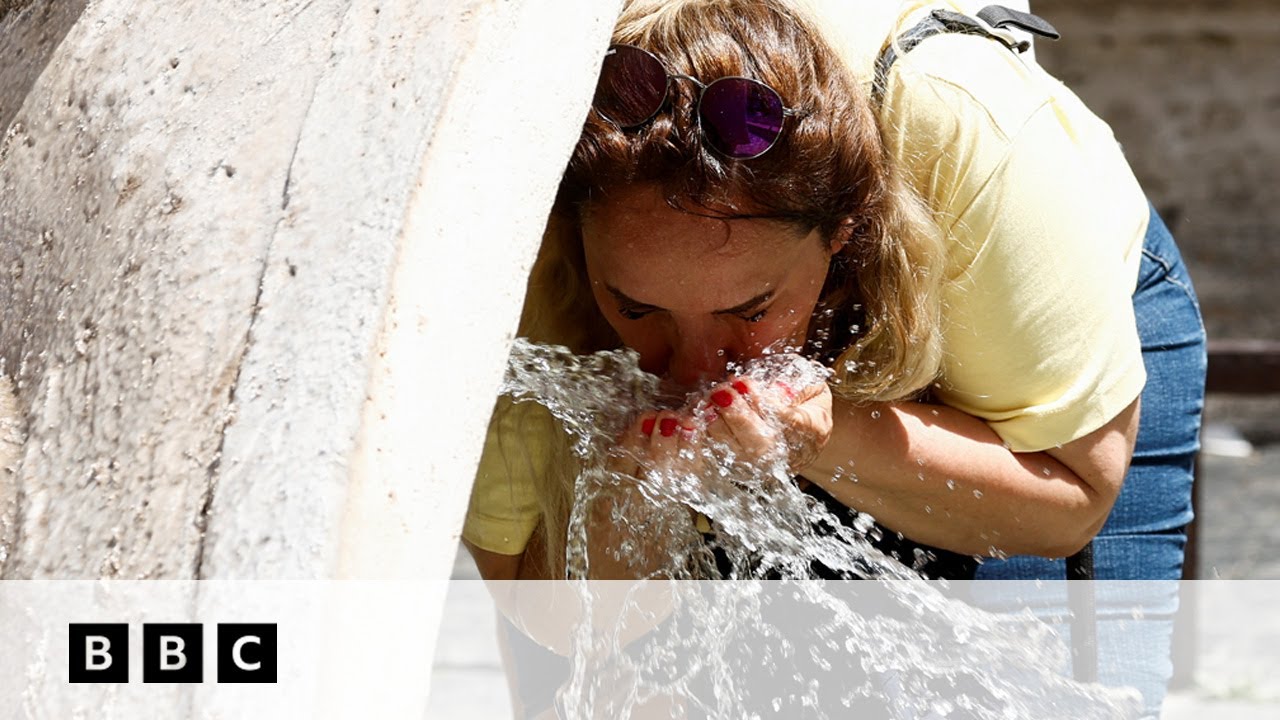
  • The poorest and most vulnerable people suffer the worst impacts of climate change, such as desertification, sea level rise, and extreme weather.
  • Poor countries have fewer resources to adapt to climate change effects.
  • Climate justice involves considering historical emissions, with developed countries having contributed more over the last 250 years.
  • China currently produces the most greenhouse gases, but historically the US and Europe have emitted far more.
  • The rich world has promised $100 billion annually to help developing countries adapt and transition to greener economies, but this promise has not yet been fulfilled.
  • Climate justice is not just about emission numbers but about people and fairness.
  • Youth climate strikes emphasize the need for equitable solutions between rich and poor nations.
  • Carbon taxes on heavy polluters, especially companies, are suggested as a way to fund climate adaptation and mitigation.
  • A fair transition to a sustainable economy is essential for effective climate action.

Full Transcript — Download SRT & Markdown

00:00
Speaker A
Who is most responsible for climate change? Who's worst affected by it? Who should take the lead in trying to fix it? These are the big questions at the heart of climate justice.
00:18
Speaker A
around the world are the least likely to cause the pollution leading to climate change if you look at the greenhouse gas emissions that are heating the planet up the richest 1 of the earth's population are responsible for more than the
00:32
Speaker A
The poorest and most vulnerable people around the world are the least likely to cause the pollution leading to climate change. If you look at the greenhouse gas emissions that are heating the planet up, the richest 1 percent of the earth's population are responsible for more than the poorest 50 percent. Yet the poor are often the most likely to be affected by its most detrimental impacts: farmland turning into desert, sea level rises threatening homes, or extreme weather events like flash floods and wildfires. Now, these things can happen anywhere, but
00:50
Speaker A
the poorest countries have far fewer resources to deal with them climate justice also means taking account of historical emissions it's true that china produces the most greenhouse gases in the world at the moment but over the last 250 years the united
01:07
Speaker A
the poorest countries have far fewer resources to deal with them. Climate justice also means taking account of historical emissions. It's true that China produces the most greenhouse gases in the world at the moment, but over the last 250 years, the United
01:24
Speaker A
hasn't yet been met climate justice though isn't only about numbers it's really about people the school strikes for climate have drawn a lot of attention to this demanding that fair solutions are found between rich and poor that means supporting the very poorest
01:39
Speaker A
States and Europe have produced far more. The rich world has accepted responsibility for these emissions but a promise to send 100 billion a year to developing countries by 2020 to help them adapt to climate change and to build greener economies in the future
01:55
Speaker A
afford it isn't going to work so governments are going to have to help people pay for it a tax on carbon is one suggestion so people and especially companies that use the most pay the most whatever happens it's going to cost a
02:11
Speaker A
hasn't yet been met. Climate justice, though, isn't only about numbers. It's really about people. The school strikes for climate have drawn a lot of attention to this, demanding that fair solutions are found between rich and poor. That means supporting the very poorest
02:25
Speaker A
the transition to a more sustainable economy and a more sustainable planet is only going to work if it's going to be fair you
Topics:climate changeclimate justicegreenhouse gas emissionsglobal inequalitycarbon taxclimate adaptationhistorical emissionsclimate strikessustainable economydeveloping countries

Frequently Asked Questions

Who is most responsible for climate change emissions?

The richest 1% of the global population are responsible for more greenhouse gas emissions than the poorest 50% combined.

Why are poorer countries more affected by climate change?

Poorer countries have fewer resources to adapt to climate impacts like desertification, sea level rise, and extreme weather, making them more vulnerable.

What does climate justice mean in terms of historical emissions?

Climate justice involves recognizing that developed countries like the US and Europe have historically emitted far more greenhouse gases over the past 250 years, and thus bear greater responsibility.

Get More with the Söz AI App

Transcribe recordings, audio files, and YouTube videos — with AI summaries, speaker detection, and unlimited transcriptions.

Or transcribe another YouTube video here →