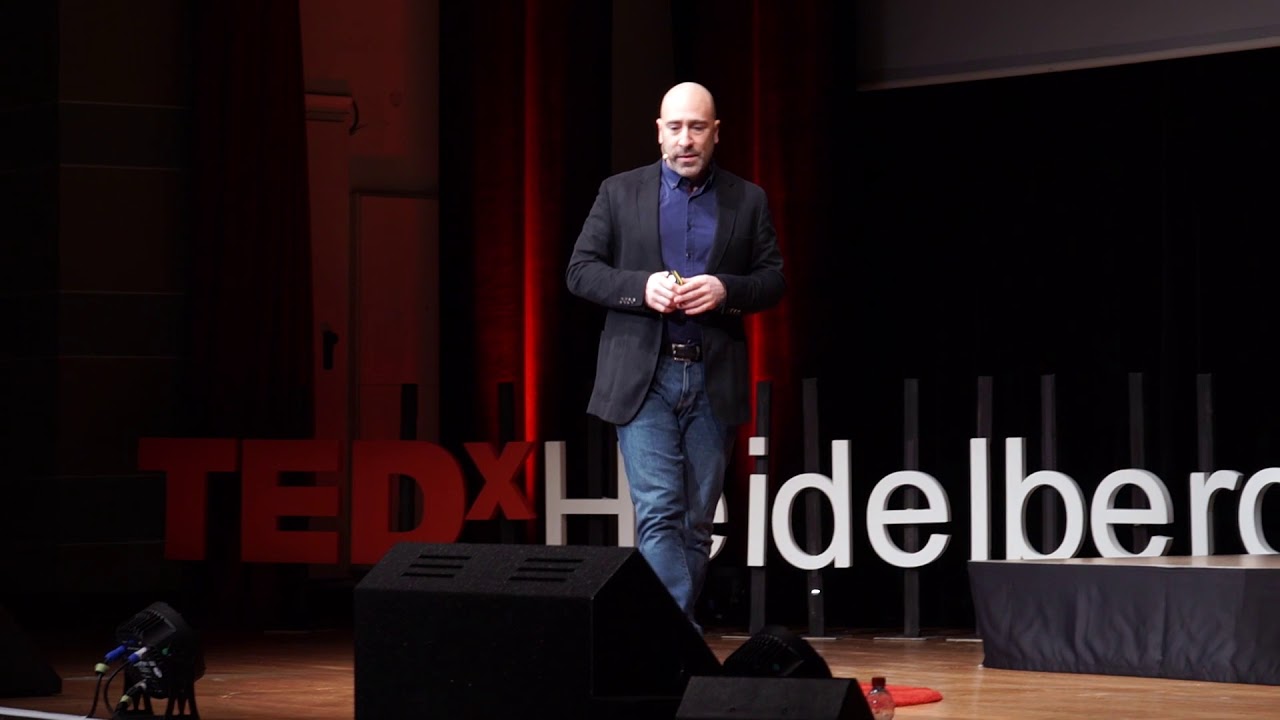
Brad Yeckley explains how financial security is deeply tied to emotions and why embracing emotional intelligence is key to better money decisions.
Key Takeaways
- Financial security is an emotional state, not just a numeric goal.
- Emotions heavily influence financial decisions, making pure rationality unrealistic.
- Integrating emotional intelligence into money management improves financial outcomes.
- Immediate emotional desires often undermine long-term financial success.
- Using frameworks like PERMA can help align emotions with financial well-being.
Summary
- Financial literacy provides information, but financial security is a subjective feeling tied to emotions.
- Financial wellness involves managing daily finances, enjoying life choices, meeting goals, and absorbing shocks.
- People make about 25,000 decisions daily, all influenced by emotions, not pure rationality.
- Emotional intelligence should be integrated into financial decision-making, contrary to common advice to be unemotional about money.
- Failure in personal finance often stems from choosing immediate desires over long-term goals due to emotional impulses.
- Marketers exploit emotional triggers in financial decisions, though society discourages emotional money management.
- Examples like the Colonial Pipeline crisis show how fear-driven financial decisions are irrational but common.
- The PERMA model (Positive emotions, Engagement, Relationships, Meaning, Accomplishment) supports emotional flourishing in finance.
- High emotional finance correlates with increased compassion, kindness, self-esteem, confidence, and generosity.
- Embracing emotions in finance can lead to better outcomes and a flourishing life.