Discover how ankylosing spondylitis can be cured through alternative approaches beyond traditional medical views on back pain and inflammation.
Key Takeaways
- Ankylosing spondylitis is often considered incurable, but alternative approaches may offer a cure.
- Symptoms of AS are diverse and can affect many parts of the body, making diagnosis complex.
- Genetics play a role, but presence of the HLA-B27 gene does not guarantee developing AS.
- Inflammation and structural changes can be managed and potentially reversed with proper treatment.
- Personal experience and coaching suggest real-life success in overcoming chronic back pain from AS.
Summary
- Ankylosing spondylitis (AS) is traditionally seen as an incurable autoimmune inflammatory disease causing spine stiffness and pain.
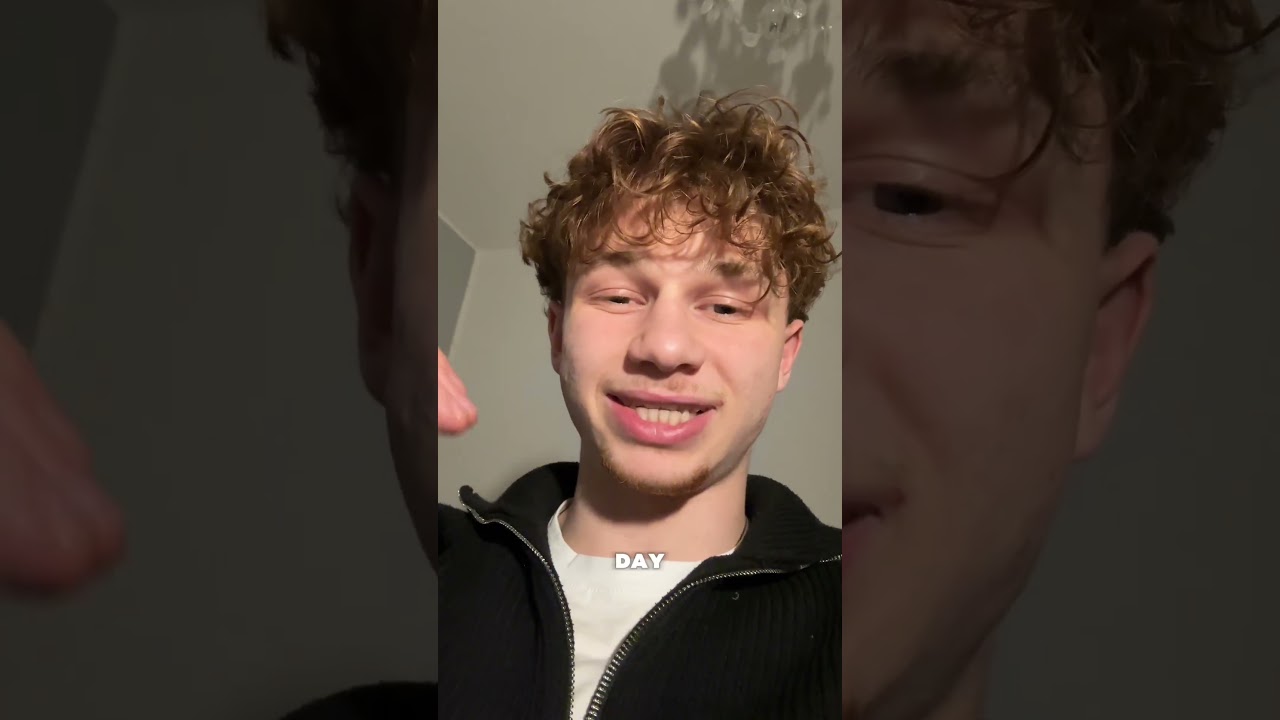
- The video challenges this notion, sharing the creator's personal journey from chronic pain to being pain-free.
- AS is defined as a degenerative condition affecting spinal discs and joints, causing stiffness, bone spurs, and nerve pressure.
- AS has two types: radiographic (visible on X-rays) and non-radiographic (diagnosed via symptoms and tests).
- Early symptoms include lower back and hip pain, stiffness, neck pain, and fatigue, with symptoms fluctuating over time.
- AS can affect multiple body areas including spine, hips, shoulders, ribs, heels, skin, and eyes, often causing fatigue.
- Certain conditions like Crohn’s disease, ulcerative colitis, and psoriasis increase AS risk.
- Long-term AS may cause vertebrae fusion, reducing spine flexibility and causing posture and breathing difficulties.
- Genetic factors, especially the HLA-B27 gene, are linked to AS, but not everyone with the gene develops the disease.
- The video promotes exploring alternative causes and solutions for AS beyond conventional medical treatments.