Ben and Jerry’s Ben Cohen: Nobody’s suggesting me payin… — Transcript

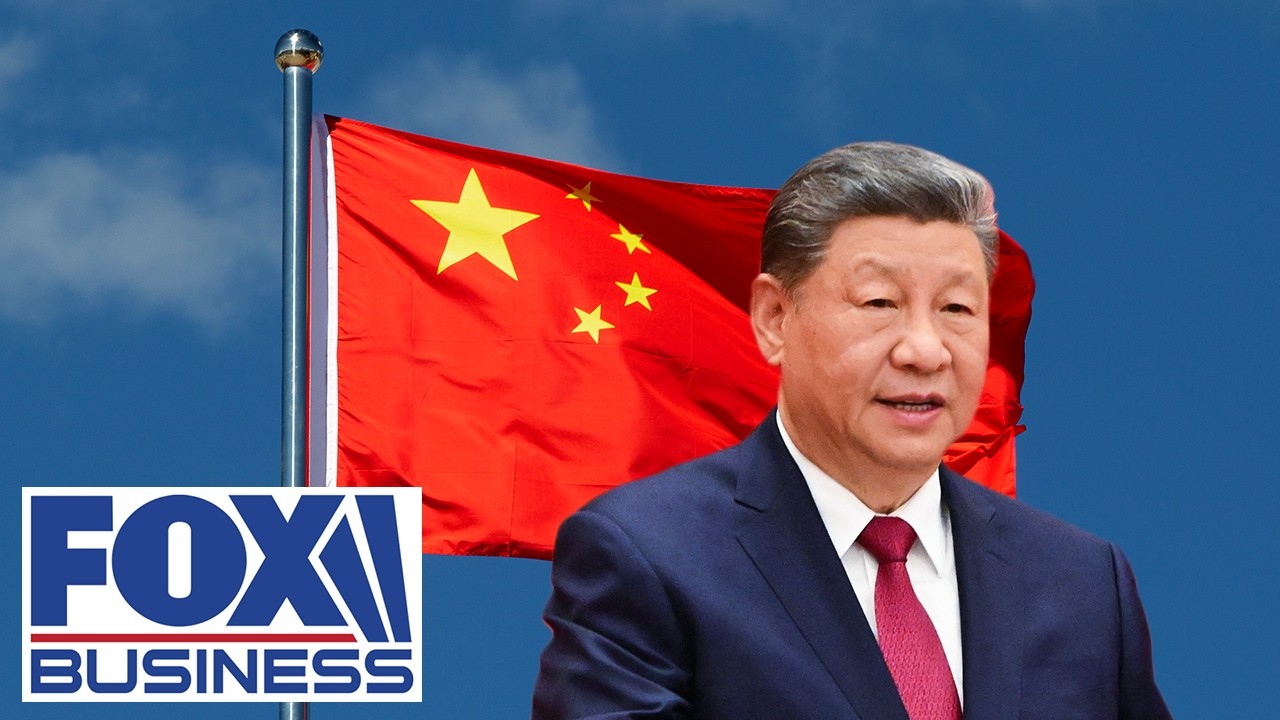
Ben Cohen of Ben & Jerry's discusses Bernie Sanders' proposed 92% marginal tax rate and its implications for high earners and entrepreneurs.

Key Takeaways

  • The 92% tax rate is a marginal rate on income above a threshold, not total income.
  • High earners currently do not pay their fair share of taxes according to Ben Cohen.
  • High tax rates on profits do not necessarily discourage entrepreneurship.
  • Understanding tax policy details is crucial when discussing proposals like Bernie Sanders'.
  • There is debate about the economic impact of high marginal tax rates on business growth.

Summary

  • Ben Cohen clarifies that the 92% tax rate mentioned by Bernie Sanders refers to a marginal tax rate on income above a certain threshold, not the entire income.
  • He emphasizes that nobody is suggesting he would pay 92% of his total earnings in taxes.
  • The discussion explains the concept of marginal tax rates and how higher earners pay progressively higher rates only on income above set brackets.
  • Ben Cohen agrees that high earners should pay more taxes as they currently do not pay their fair share.
  • There is concern raised about whether high tax rates could stifle entrepreneurship and the growth of new companies.
  • Ben Cohen counters that high taxes on profits do not prevent entrepreneurs from starting or growing businesses, citing his own experience.
  • The video features a dialogue on the fairness and impact of proposed tax policies on both established and emerging businesses.
  • Ben Cohen admits he is not an economist but stresses the importance of understanding tax proposals accurately.
  • The discussion highlights a perceived shift of tax burdens from the wealthy to the middle class.
  • The video ends with a nuanced view on tax policy, entrepreneurship, and economic growth.

Full Transcript — Download SRT & Markdown

00:00
Speaker A
Let me ask you, you guys, you guys are obviously millionaires, right? I mean, you came, you started this phenomenal company, and it's doing really well, and you obviously have high income. Um, if you would, you are in the top income bracket?
00:15
Speaker A
Uh, you know, it's up there. I don't know if it's the top. That's, I don't want to make you feel uncomfortable. You don't have to tell me exactly the bracket, but if you are in the highest income bracket, Bernie
00:24
Speaker A
Sanders says 92% tax rate is not off the table. So, are you prepared to pay 92% of your salary to the government?
00:43
Speaker A
Well, I think it's important to understand that when people talk about these tax rates, what they're talking about is marginal tax rates. How
00:55
Speaker A
much do you pay on that percentage of your income that's at the very, very top? So, it's not that, and nobody's suggesting that I'm ever going to pay 90% of my income on taxes. And Bernie, oh no, you
01:15
Speaker A
will. If you're in the top tax bracket, you will pay 90%. You and, and small business. He said that. That's not what Bernie is proposing. So, what is he proposing then? He's proposing closing tax loopholes. Uh, he's proposing no, he's not
01:29
Speaker A
making it so that. That's not true. No, he's proposing the highest earners to pay much more than they are right now, and he said 92% is not off the table. So, I ask you, are you comfortable paying 92%
01:49
Speaker A
of your earnings to the government? Nobody is suggesting me paying 92% of my earnings. The question was, are you prepared if push comes to shove, will you be okay with paying 92% of your earnings to the government? You think that's fair to
02:03
Speaker A
you're the highest earners, Ben and Jerry. Come on, you got to pay your fair share. We'd be happy to. It's, as Ben described, it's the marginal tax rate. So, up to a certain amount, you pay 15%. Over
02:20
Speaker A
the next amount, you pay 20-something percent. Over the next amount. And so, you're only paying your highest rate when you're making over, I don't know, 300,000, 500,000, a million dollars. It's not 92% of your entire income. So, 92% of whatever
02:35
Speaker A
is above $250,000 or $300,000. Are you prepared to pay it? If that's what everybody else is paying, I'm more than happy to do it. What do you think the highest rate should be? Well, I, I mean, I'm not an economist. Uh,
02:52
Speaker A
you know, I think, but these are really important questions when you're supporting Bernie Sanders and his ideas are as aggressive as they are. It's very important to make sure our viewers understand what they're talking about. So, I just want to make sure that you are
03:06
Speaker A
understanding where we are in terms of, so what do you think the highest tax rate should be? Boy, as I said, uh, I'm not an economist. Uh, I don't think anybody right now can say what that's going to be, but I, I, I'll
03:31
Speaker A
tell you, I, I do believe along with the majority of people in the upper incomes that we should be paying more taxes because currently we're not paying our fair share. You, you don't think you pay your fair share? No, absolutely not. I, I, I think that
03:45
Speaker A
currently there's been a tremendous shift to the cost of government from the people in the very top income brackets to the people in the middle class. Here's Mike Murphy. He's on set with me today. He wants to ask you a question. Go ahead.
04:00
Speaker A
Mike, Ben, Jerry, huge fan. Congratulations on your success. Uh, my concern here is if guys like you are paying so much in taxes, it's going to prevent the next Ben and Jerry, the up-and-coming startup companies out there, from ever becoming
04:13
Speaker A
the next Ben and Jerry. I think a 90% tax rate, which is what we're talking about, is going to prevent new companies from ever becoming great like your company has. So, to support someone like Bernie Sanders, I think is to really put
04:25
Speaker A
a major cap, that chocolate cap on the mint ice cream you talked about. I think that cap is going to be on growth, and it's really going to hurt this country. No, I, I think that's absolutely untrue. I
04:45
Speaker A
I think that we, we, we, one thing that we need to understand is that taxes are on profits, and there's nothing that a high tax on profits keeps an entrepreneur from starting their business. I mean, when we started our business, we were, you know,
05:04
Speaker A
interest rates were at 20%, and we were, we were taking out bank loans at 20% interest, and we kept going, and we kept doing it. Uh, it, it's not, it's not true that by raising the tax rate on
05:19
Speaker A
entrepreneurs or business people that it keeps them from building a business. So, so you think that if a small business is paying 92% of its, uh, earnings to the government, you think in that remaining 8%, they're going to use that
05:38
Speaker A
8% to hire people and create jobs, right? I want to be really clear that Bernie Sanders has never recommended putting the tax rate at 92%. Well, he said it's not off the table. He did say it's not off the table. He
Topics:Ben CohenBen and Jerry'sBernie Sanders92% tax ratemarginal tax ratehigh income taxentrepreneurshipsmall business taxtax policyFox Business interview

Frequently Asked Questions

Does Ben Cohen believe he will pay 92% of his total income in taxes?

No, Ben Cohen clarifies that the 92% tax rate refers to a marginal tax rate on income above a certain threshold, not the entire income.

What is Ben Cohen's view on whether high taxes discourage entrepreneurship?

Ben Cohen believes that high taxes on profits do not prevent entrepreneurs from starting or growing businesses, citing his own experience with high interest rates.

What does Ben Cohen say about paying a fair share of taxes?

He acknowledges that high earners, including himself, currently do not pay their fair share and supports paying more taxes.

Get More with the Söz AI App

Transcribe recordings, audio files, and YouTube videos — with AI summaries, speaker detection, and unlimited transcriptions.

Or transcribe another YouTube video here →