Speaker A
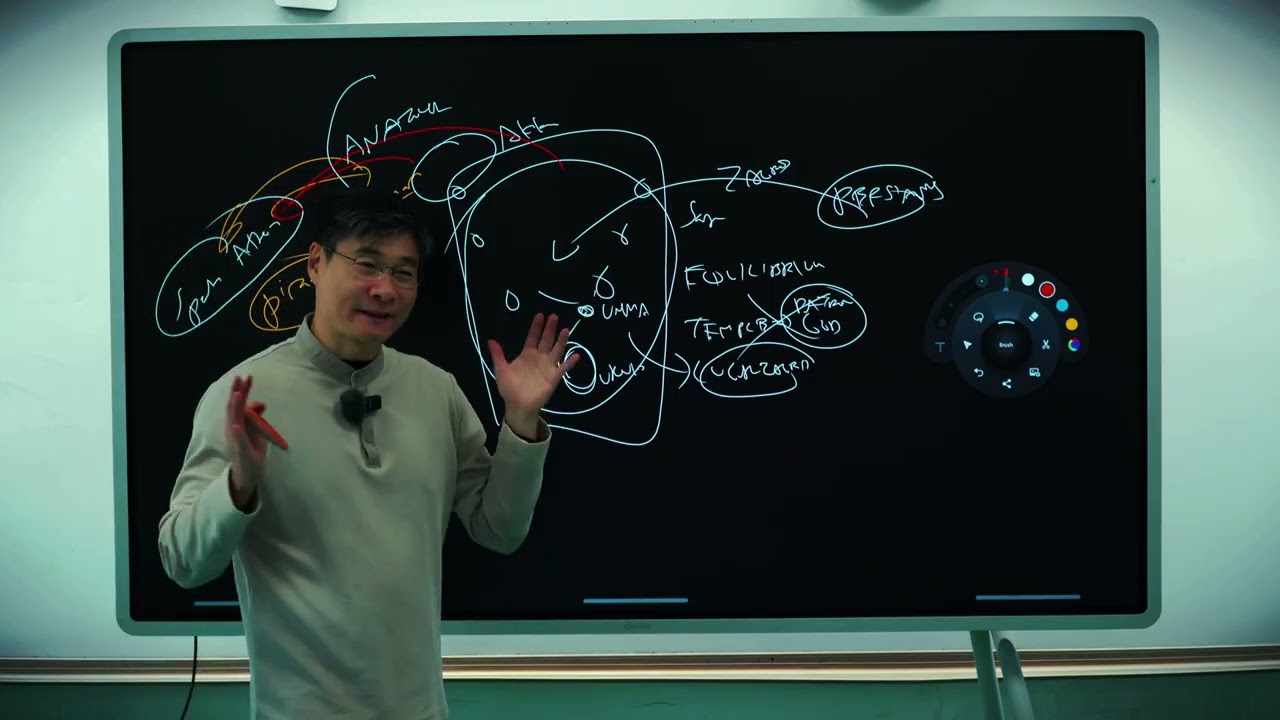
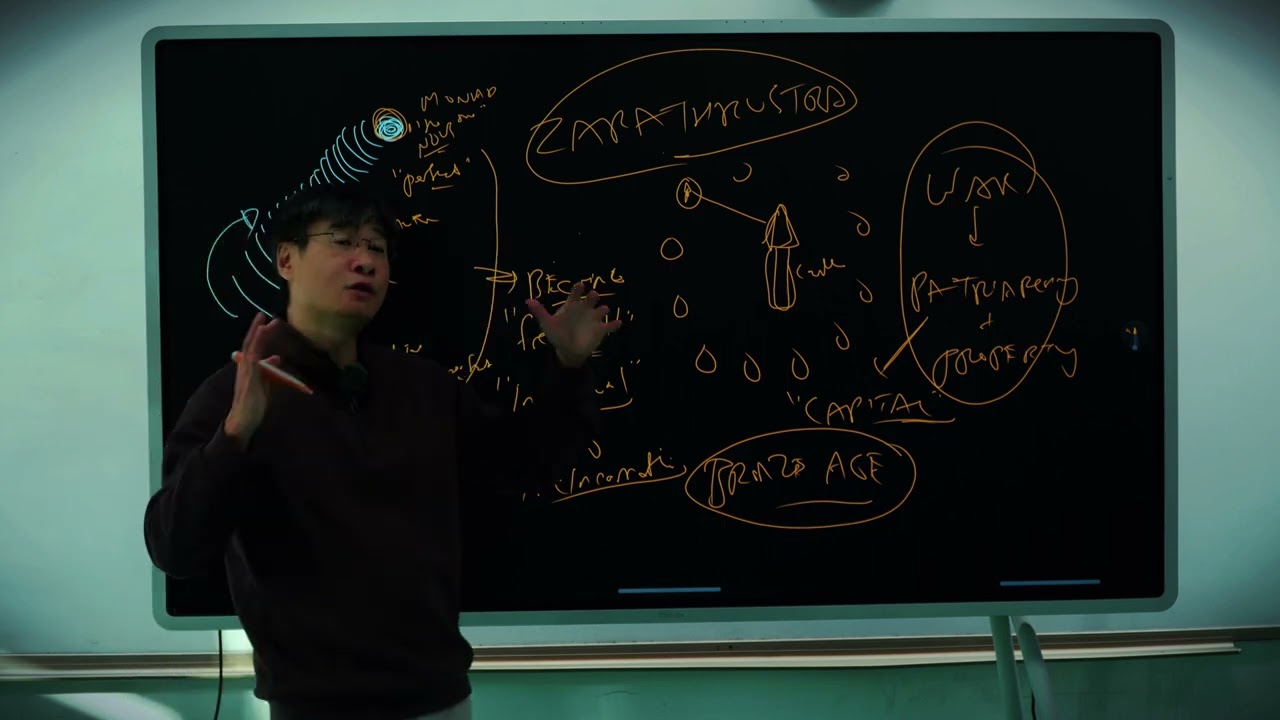
Today, we examine the question: why is it that states, countries, nations, they rise and they fall? Okay, so let's start off with an example that you know pretty well. So this is the Warring States period, and at this point in history,
Explores why marginalized states often conquer wealthier ones using game theory and Ibn Khaldun's concept of asabiyyah.
Transcribe recordings, audio files, and YouTube videos — with AI summaries, speaker detection, and unlimited transcriptions.
Or transcribe another YouTube video here →Free tools: TXT to SRT · SRT Validator · Merge SRT · Subtitle to Text · All tools
 2:35:31
 46:19
46:19 48:41
48:41 49:26
49:26 1:37:08
 1:25:57
 1:18:08
 1:12:35
 1:03:18
 1:06:01
 1:07:37
 55:16
55:16Point your camera
Scan the code to open the download page on iOS or Android. 30 minutes of transcription free, no card.


