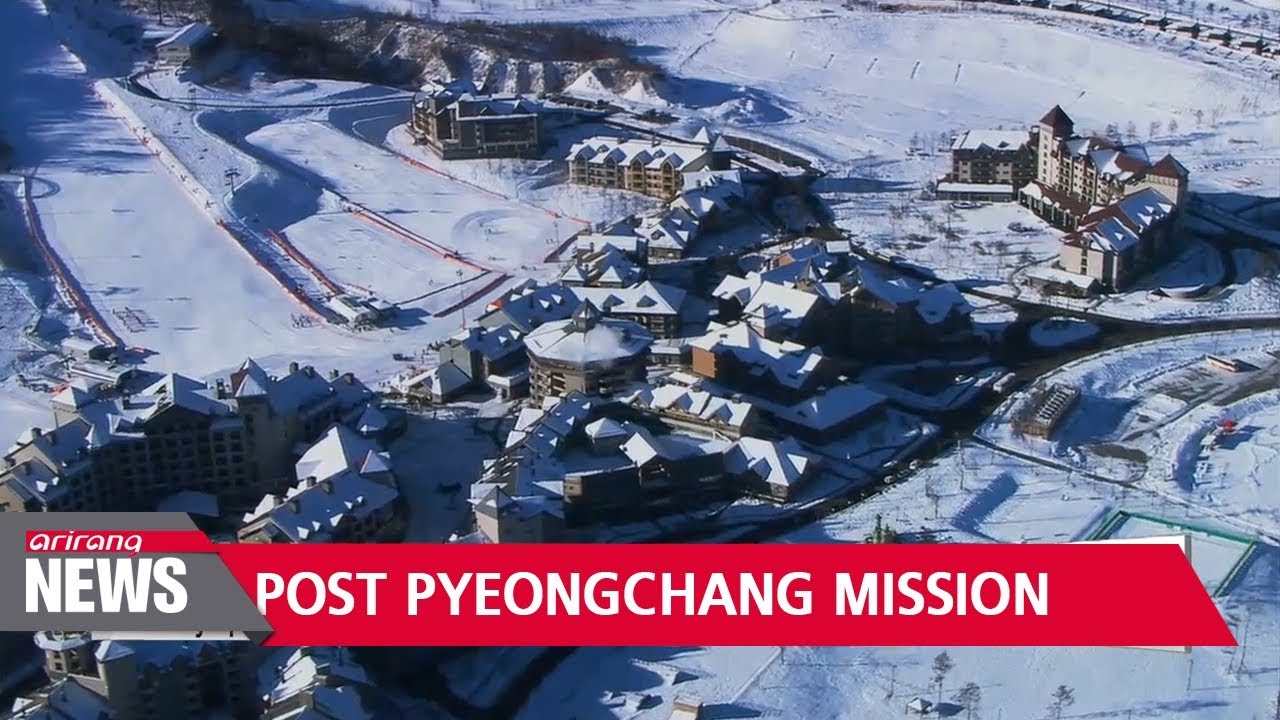
Pyeongchang aims to avoid post-Olympic white elephants by demolishing some venues and repurposing others after the 2018 Winter Games.
Key Takeaways
- Demolishing underused venues can prevent costly maintenance of white elephants.
- Reusing most venues through partnerships ensures continued operational use.
- Promoting winter sports locally and regionally supports venue sustainability.
- Learning from past Olympic hosts helps manage costs and legacy effectively.
- Strategic planning is essential to maximize economic and sporting benefits post-Olympics.
Summary
- South Korea spent nearly 110 million USD on the Pyeongchang Olympic Stadium for the 2018 Winter Games.
- Post-Games, there is concern about preventing massive investments from becoming underused 'white elephants'.
- Pyeongchang organizers decided to demolish the main Olympic Stadium, which was used only four times.
- The stadium's isolated location influenced the decision to tear it down to avoid maintenance costs.
- Nine out of 12 sporting venues will be reused through contracts with private companies, local governments, and universities.
- Plans include using venues for upcoming events like the Asian Winter Games.
- Promoting winter sports is seen as key to ensuring long-term use of facilities, especially rare venues like bobsled and skeleton tracks in Asia.
- Pyeongchang learned from previous host cities' successes and failures to manage costs and venue legacy better.
- Cost overruns were significant but addressed with more modest post-Games plans.
- The approach aims to balance economic benefits with sustainable venue management.