How to Understand Your Dog Better — Transcript

Learn to read your dog's body language and emotions through tail, eyes, ears, and behavior cues for better communication.

Key Takeaways

  • Dogs communicate emotions honestly through body language.
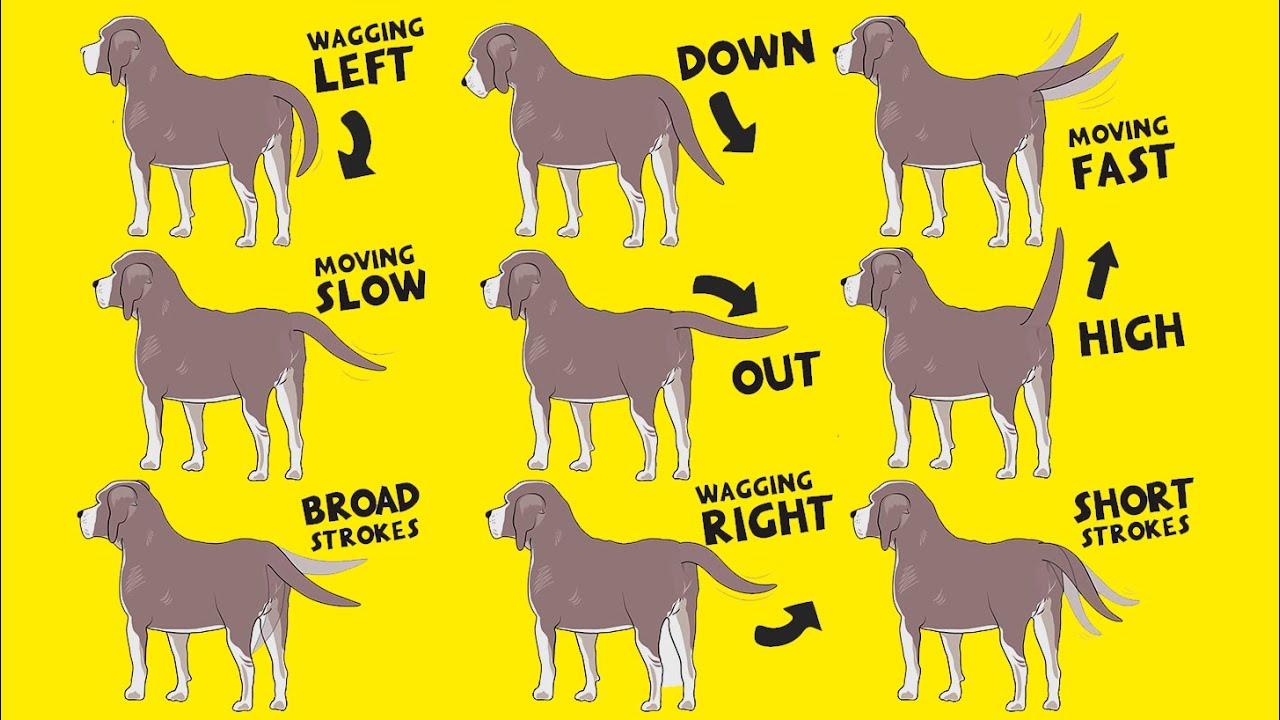
  • Tail position and movement are key indicators of a dog's mood.
  • Eyes and ears provide subtle but important emotional cues.
  • Certain behaviors like yawning and licking have multiple meanings depending on context.
  • Recognizing these signs improves dog-owner communication and strengthens trust.

Summary

  • Dogs communicate moods and emotions through body language including tail, eyes, ears, face, and stance.
  • A wagging tail can indicate playfulness, excitement, or submission, while a tucked tail signals fear or discomfort.
  • Wide open eyes may mean alertness or challenge, while squinting or winking often shows playfulness or potential eye issues.
  • Ears pulled back indicate fear, and one ear down may signal reaction to unfamiliar environments.
  • Yawning can mean tiredness, nervousness, or attachment depending on context.
  • Face licking can signal stress or food cleanup, while showing teeth without barking often relates to territory protection.
  • Exposing the belly is a sign of trust, and placing a paw on a person can be a dominance behavior.
  • Shaking the body usually releases tension but frequent shaking without cause may indicate stress.
  • Turning the back and sitting shows trust towards the owner.
  • Understanding these signs helps owners communicate effectively and respond appropriately to their dogs' needs.

Full Transcript — Download SRT & Markdown

00:00
Speaker A
How to understand your dog better: communication clues.
00:05
Speaker A
Just like humans, dogs do get into moods and will try to communicate them to you.
00:10
Speaker A
But it can be difficult to understand what they are saying just by looking at their body language.
00:16
Speaker A
The great thing about dogs, and all types of dog breeds, is that they will not fake their emotions and they will try to tell you what's going on.
00:24
Speaker A
It's important that as a dog owner, you learn their communication language and watch out for the tell-tale signs that your dog is giving to you.
00:33
Speaker A
These communication signs can be broken down based on your dog's physical body, such as the tail, eyes, ears, face, and stance.
00:45
Speaker A
The tail is one of the easiest communication methods to look out for.
00:49
Speaker A
When a dog's tail is lowered but still wagging, it can mean that he or she is playful, excited or that they know you are the one in charge.
00:58
Speaker A
If the tail is lowered and wagging slowly, it could be that they are waiting for you to tell them what to do so that they understand what is currently happening.
01:47
Speaker A
If the tail is raised but tremors, your dog challenging you and your authority. If this happens, it means that the dog feels like they are in charge of the current situation and has authority over you.
02:00
Speaker A
The most common and easiest recognizable communication form is when the tail is tucked between the legs. This is a very common sign for the dog being afraid, scared or uncomfortable either in the situation you are currently in or even of you.
02:15
Speaker A
If you cannot discern what is causing your dog to be uncomfortable and your dog does this frequently, it is a good idea to take them to the veterinarian.
02:26
Speaker A
The eyes are a bit harder to discern from the tail, but dogs do show a ton of emotions through their eyes as it is one of the main ways that they communicate with you.
02:35
Speaker A
When a dog's eyes are open wide and your dog is alert, they are often trying to get your attention, sometimes dogs will do this if they are challenging you and wanting you to respond to them in a firm fashion.
03:27
Speaker A
If your dog squints, blinks or even winks at you, it means that the dog is feeling playful. Do watch out for frequent or constant blinking or squinting, as it may be indicative of an eye issue that will need to be checked out by a vet.
03:43
Speaker A
The ears are a little more subtle and will definitely take more time to understand and get used to, as all dogs will use their ears differently in terms of actual communication.
03:53
Speaker A
If the ears are pulled back against the head, whether they are lightly flattened or forced heavily downward, it means that your dog is scared. Also be on the lookout for the dog putting only one ear down, often the left one, as this is a reaction to unfamiliar environments and people that cause fear.
04:13
Speaker A
One of the most recognizable signs that you will come across is your dog yawning. Now most people tend to think that their dog is just tired and that is the case for most of the time.
05:04
Speaker A
But, if your dog is in a new environment or is around other dogs, be on the lookout for the yawn as it can mean nervousness. You will see this a lot more in puppies when they are around unfamiliar dogs.
05:17
Speaker A
If your pet yawns immediately after you, it's just a sign of attachment.
05:23
Speaker A
If the dog licks his face, he can either be mopping up food leftovers or showing you that he is stressed or feeling pressured.
05:30
Speaker A
If the dog shows his teeth, but doesn't bark or snarl, it is often a sign of territory protection. You will only really see this if you try to take food away from a dog while they are eating, or if another animal gets too close while they are eating.
05:46
Speaker A
This one is a bit easier than say the face or the ears to discern as you are looking at the dog's entire body.
05:53
Speaker A
When the dog exposes his or her belly to you, either just by laying down or rolling over, it's a sign of trust. When you rub or pet the belly, it confirms that you are pleased with the dog.
06:45
Speaker A
Often you will see dogs put their face on your knee or leg. This is a sign of needing attention and showing you that they need you.
06:52
Speaker A
Similarly, if the dog puts his or her paw on your knee or leg, this is a domination technique, so make sure to remove the paw firmly.
07:01
Speaker A
If the dog shakes its entire body, it's usually to be rid of some kind of tension. For instance, after a bath, they will rid themselves of the excess water.
07:11
Speaker A
If your dog does this a lot without some kind of irritant such as water, take them to a vet as they may be stressed.
07:18
Speaker A
Finally, if the dog turns his or her back on you and sits, they are showing you trust.
07:24
Speaker A
It is extremely important to watch out for the above clues as it will help you understand and communicate with your dog better.
07:31
Speaker A
Dogs do show a large range of emotions and are quite capable of communicating them with you, so long as you know what to look for.
Topics:dog communicationdog body languageunderstand your dogdog emotionsdog behaviorpet caredog owner tipscanine signalsdog trust signsdog stress signs

Frequently Asked Questions

What does it mean when my dog's tail is wagging but lowered?

A lowered but wagging tail can indicate that your dog is playful, excited, or recognizes you as the leader.

How can I tell if my dog is scared by looking at its ears?

If your dog's ears are pulled back against the head, either lightly flattened or pressed down, it usually means the dog is scared.

Why does my dog yawn a lot around other dogs?

Yawning in new environments or around other dogs often signals nervousness, especially common in puppies.

Get More with the Söz AI App

Transcribe recordings, audio files, and YouTube videos — with AI summaries, speaker detection, and unlimited transcriptions.

Or transcribe another YouTube video here →