Speaker A
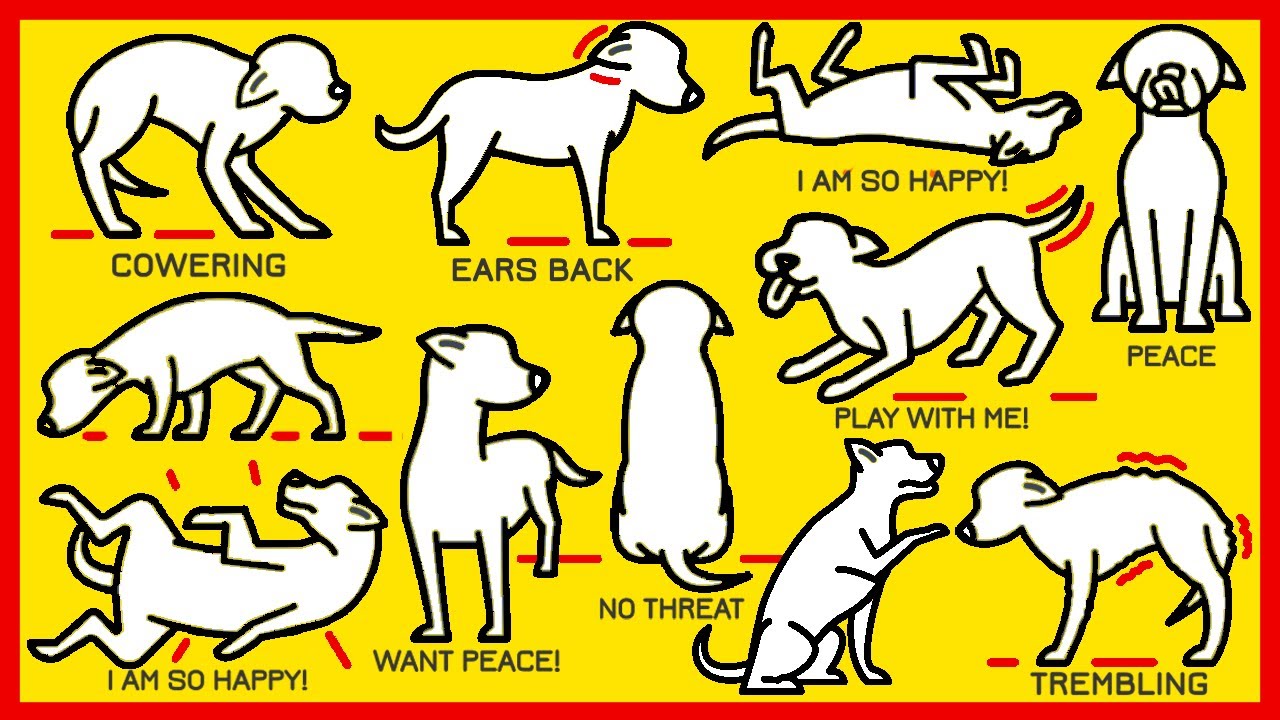
The position of a dog's tail can reveal a lot about what a dog is thinking and feeling.
Learn how to interpret your dog's tail wags and body language to understand their emotions and intentions better.
A tail held high and stiff indicates that the dog is alert and may be displaying dominance. The dog is observing carefully and ready to confront whatever caught its attention.
A fast, broad wag where the tail moves energetically, often dragging the hips, usually signals a happy and friendly dog. Tail wagging to the right also suggests positive feelings and relaxation.
Recent studies show that tail wagging to the left is associated with negative emotions like fear or stress, while wagging to the right indicates positive feelings such as relaxation or happiness.
Transcribe recordings, audio files, and YouTube videos — with AI summaries, speaker detection, and unlimited transcriptions.
Or transcribe another YouTube video here →




![[Interview métier] Marie-Emmanuelle Wamanisa, conseillè… — Transcript](https://i.ytimg.com/vi/6ViEWt_6uAw/maxresdefault.jpg)

