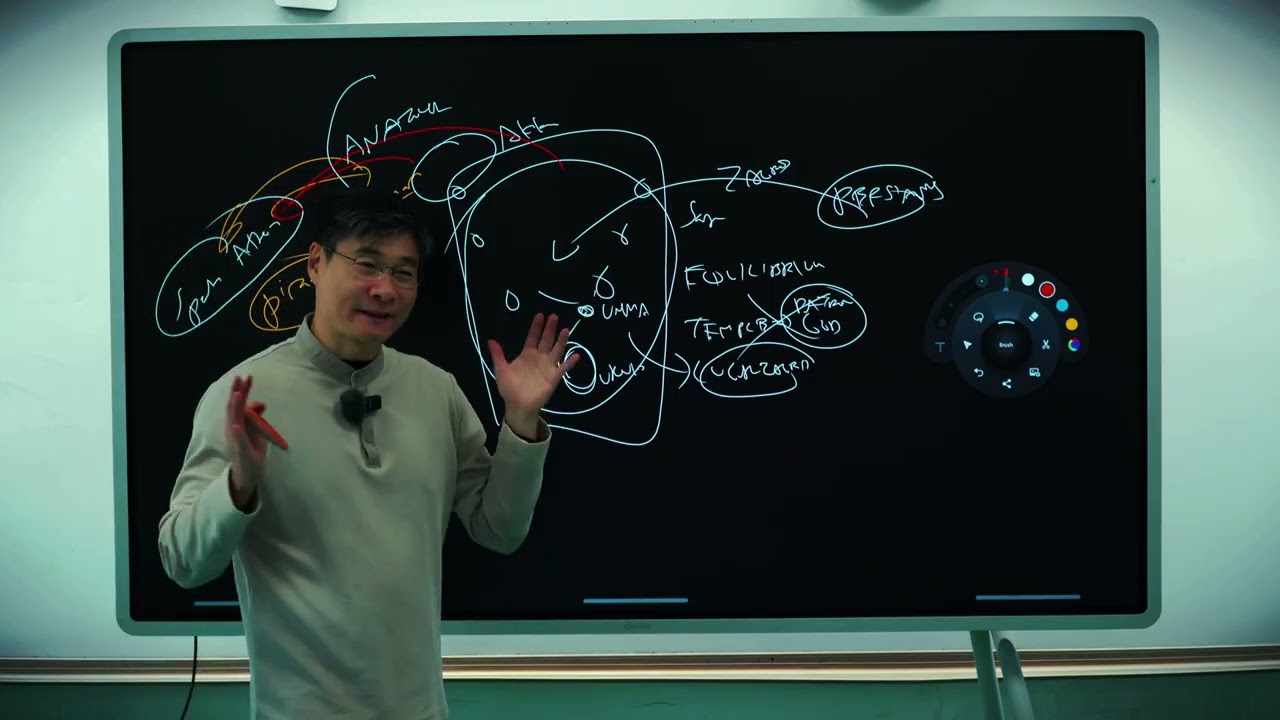
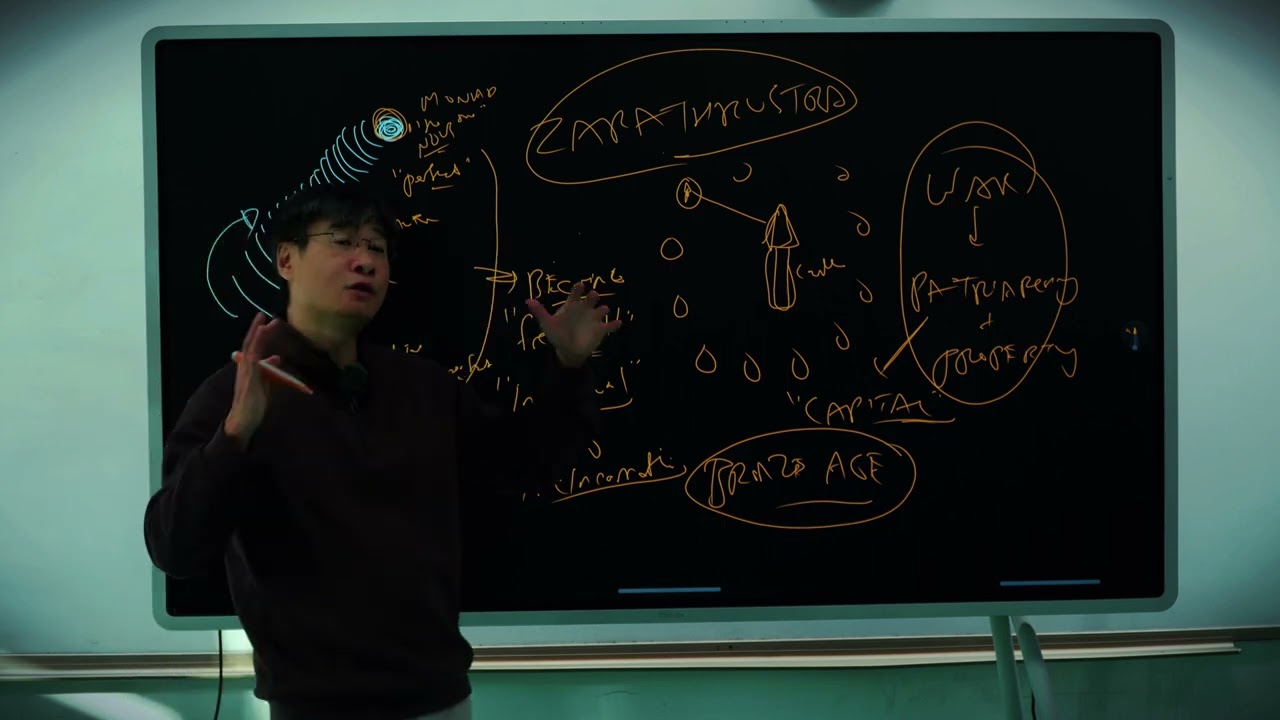
Explores the Law of Asymmetry in game theory explaining why stronger empires like the US often lose wars to weaker opponents like Iran.
Key Takeaways
- Stronger empires are often vulnerable due to internal social and political dynamics.
- The Law of Asymmetry favors underdogs in prolonged conflicts.
- Elite overproduction and mass inequality weaken empires from within.
- Technological and resource advantages do not guarantee victory in asymmetric wars.
- Historical patterns suggest the US may struggle to win the war against Iran.
Summary
- The video analyzes the ongoing US-Iran conflict through the lens of game theory, predicting a US loss.
- Introduces the Law of Asymmetry, which states that underdogs often have advantages over stronger empires.
- Historical examples include Persia losing to Greece and Alexander the Great conquering Persia.
- Empires have three main advantages: mass (large population), organization (bureaucracy and technology), and depth (ability to sustain losses).
- Despite these advantages, empires tend to fall within 20-30 years due to internal weaknesses.
- Mass leads to inequality, complacency, and lack of motivation among the population over time.
- Organization creates an elite class that becomes parasitic through rent-seeking and exploitation.
- Elite overproduction causes internal conflict and turmoil, as explained by historian Peter Turchin.
- Empires become insular, focusing inwardly and making strategic mistakes.
- These dynamics explain why the US, despite its power, may ultimately lose the war against Iran.