Speaker A
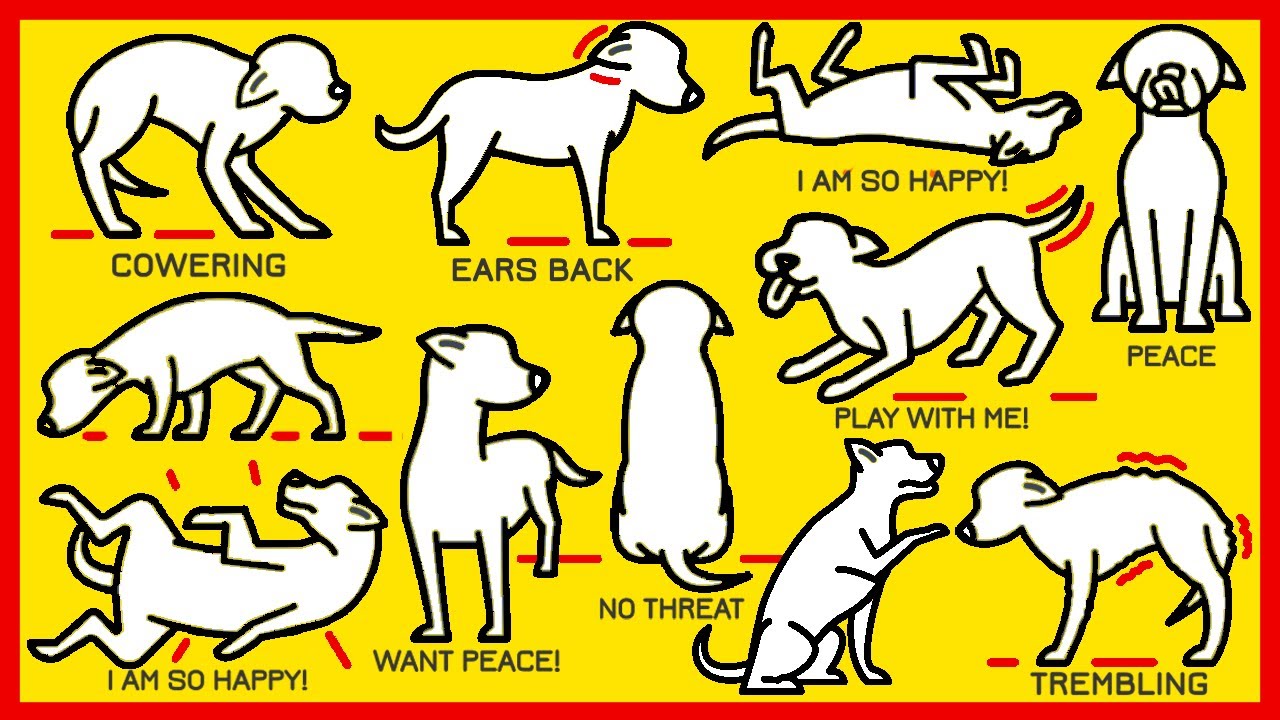
Understanding a dog's body language is essential for building a strong and trustworthy relationship with your furry friend.
Learn to decode your dog's body language with key signs like tail wagging, ear position, and facial expressions to better understand their emotions.
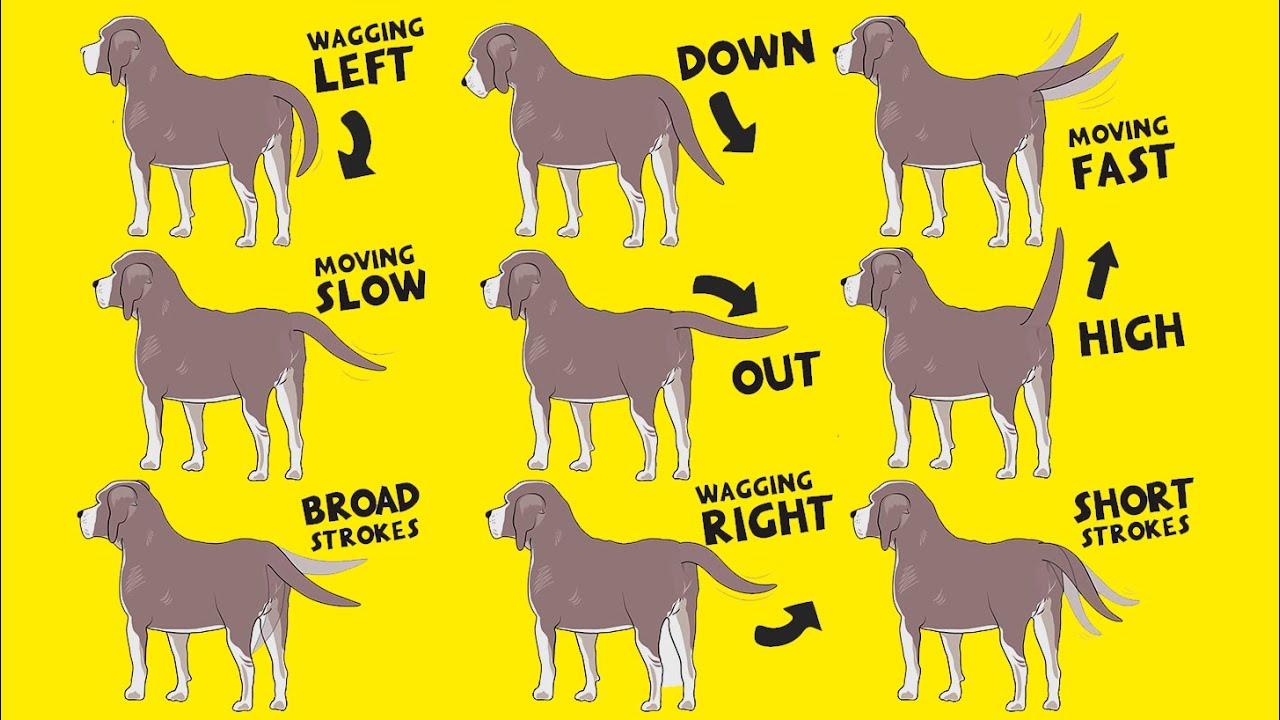
A wagging tail indicates that a dog is emotionally aroused, but it does not always mean happiness. The speed and position of the tail help determine if the dog is excited, nervous, or frustrated.
A tucked tail is a clear sign that a dog is scared, in pain, or uncomfortable. If a dog frequently tucks its tail without obvious reasons, a veterinary check-up is recommended.
Avoiding eye contact usually signals fear or submission. Dogs often look away when they are scolded or confronted by a dominant or aggressive dog to avoid conflict.
Transcribe recordings, audio files, and YouTube videos — with AI summaries, speaker detection, and unlimited transcriptions.
Or transcribe another YouTube video here →




![[Interview métier] Marie-Emmanuelle Wamanisa, conseillè… — Transcript](https://i.ytimg.com/vi/6ViEWt_6uAw/maxresdefault.jpg)

