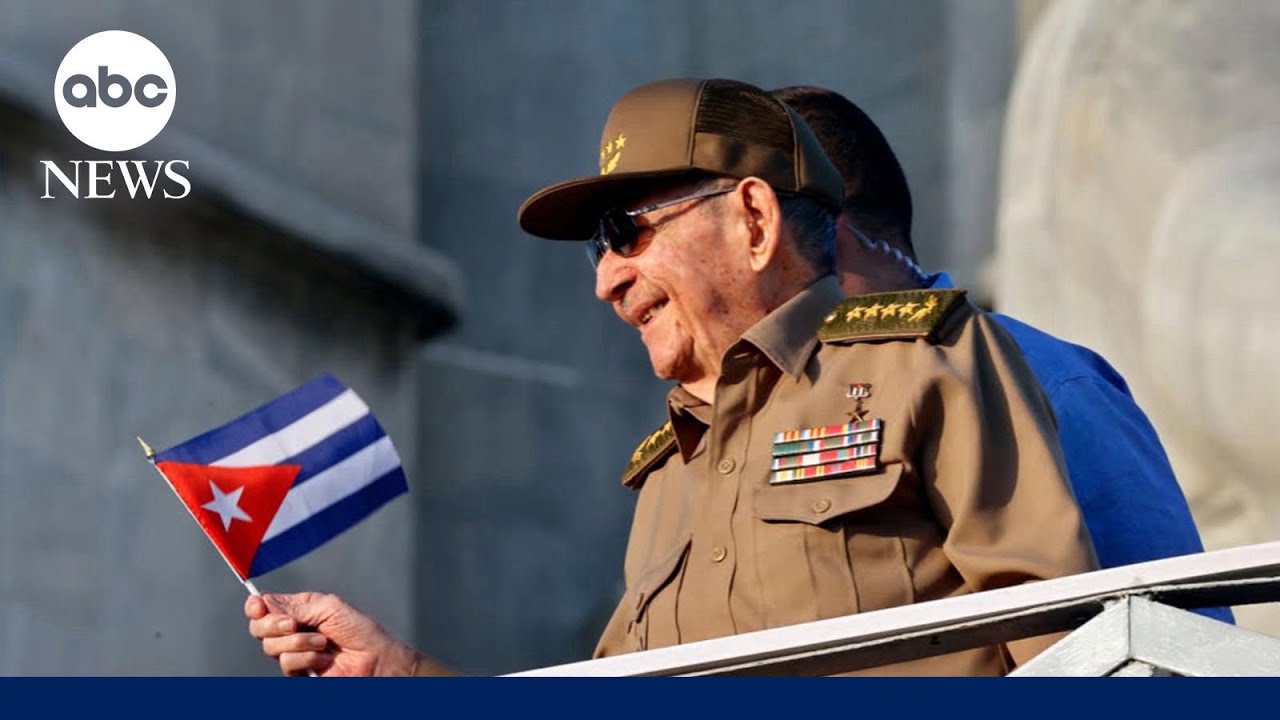
Cuba faces extensive blackouts amid U.S. sanctions, sparking protests and potential indictment of former leader Raul Castro.
Key Takeaways
- Cuba’s energy grid is near collapse, causing severe blackouts and public unrest.
- U.S. sanctions and oil blockades are major contributors to Cuba’s energy crisis.
- Diplomatic tensions are rising with potential legal action against Raul Castro.
- The U.S. is open to engagement but demands significant reforms from Cuba.
- Humanitarian aid offers remain complicated due to disagreements on implementation.
Summary
- Cuba is experiencing widespread blackouts with many citizens without power up to 22 hours daily.
- The energy crisis is linked to a U.S. oil blockade and sanctions aimed at pressuring the Cuban government.
- Protests have erupted across the island, with citizens demanding restoration of electricity.
- CIA Director John Radcliffe visited Havana to deliver a message from the U.S. president about potential engagement.
- The U.S. demands fundamental changes from Cuba, accusing it of being a safe haven for Russia and China.
- Cuba denies posing any threat to U.S. national security or allowing hostile actions from its territory.
- The U.S. has offered $100 million in humanitarian aid, but disagreements remain on its distribution.
- Sources indicate a possible imminent indictment of former Cuban President Raul Castro, escalating tensions.
- Raul Castro is 94 years old and stepped down as Communist Party leader in 2021.
- The situation highlights Cuba’s ongoing economic decline and the impact of U.S. foreign policy.