Who Exactly are the DUNEDAIN? | Middle Earth Lore — Transcript

Explore the rich history and legacy of the Dúnedain Rangers, their origins, divisions, and fate after the War of the Ring in Middle-earth.

Key Takeaways

  • The Dúnedain were noble descendants of Númenóreans with exceptional longevity and abilities.
  • Their history is marked by division, decline, and secret protection of Middle-earth's free peoples.
  • Aragorn's reign symbolized the reunification and restoration of Dúnedain honor and power.
  • The Dúnedain significantly influenced Middle-earth's languages and cultures.
  • Despite their decline, the legacy and impact of the Dúnedain remain vital to Middle-earth lore.

Summary

  • The Dúnedain were a superior race of men in Middle-earth, known for their long life, power, and wisdom.
  • They descended from the Númenóreans, who were Elf-friends and mariners of great renown.
  • After Númenor's downfall, Elendil and his sons founded the kingdoms of Arnor and Gondor.
  • The Dúnedain split into two groups: the Northern Dúnedain of Arnor and the Southern Dúnedain of Gondor.
  • The Northern Dúnedain diminished due to wars and were reduced to secretive Rangers protecting lands like the Shire.
  • The Southern Dúnedain's line waned, bloodlines mingled with lesser men, and the Stewards ruled Gondor after King Eärnur.
  • Post-War of the Ring, some Dúnedain continued as Rangers, while Aragorn reunited Arnor and Gondor, restoring their glory.
  • The extended lifespan of the Dúnedain faded over time, with Aragorn being the last to live an extended life.
  • The Dúnedain influenced the Common Speech, enriching it with Elvish words, particularly Sindarin.
  • The video invites viewers to reflect on the choice between immortal, normal, or extended lifespans.

Full Transcript — Download SRT & Markdown

00:00
Speaker A
Having such a rich history and yet a very mysterious future makes the Dúnedain Rangers one of the most fascinating people in all of Middle-earth.
00:17
Speaker A
Today we will be going over the history of these fascinating people as well as looking at what happened to them after the events of the Lord of the Rings.
00:30
Speaker A
Before we start, guys, I would like to ask a huge favor from you, as a new channel, we could really use your help in growing.
00:48
Speaker A
Thank you so much.
00:50
Speaker A
So, the Dúnedain were lords of long life, they had great power and great wisdom.
00:58
Speaker A
They were the far superior race of men in Middle-earth.
01:03
Speaker A
They were always far fewer in number than the lesser men.
01:09
Speaker A
But what they lacked in numbers, they made up for in other attributes.
01:15
Speaker A
Such as their power and long lives.
01:19
Speaker A
They were described as being tall, pale-skinned, with dark hair.
01:25
Speaker A
Shining gray eyes and proud faces.
01:28
Speaker A
Most of the Elf-friends, therefore, departed and dwelt in Númenor, and there they became great and powerful, mariners of renown and Lords of many ships.
01:40
Speaker A
They were fair of face and tall, and the span of their lives was thrice that of the Men of Middle-earth.
01:50
Speaker A
These were the Númenóreans, the Kings of Men, whom the Elves called the Dúnedain.
01:56
Speaker A
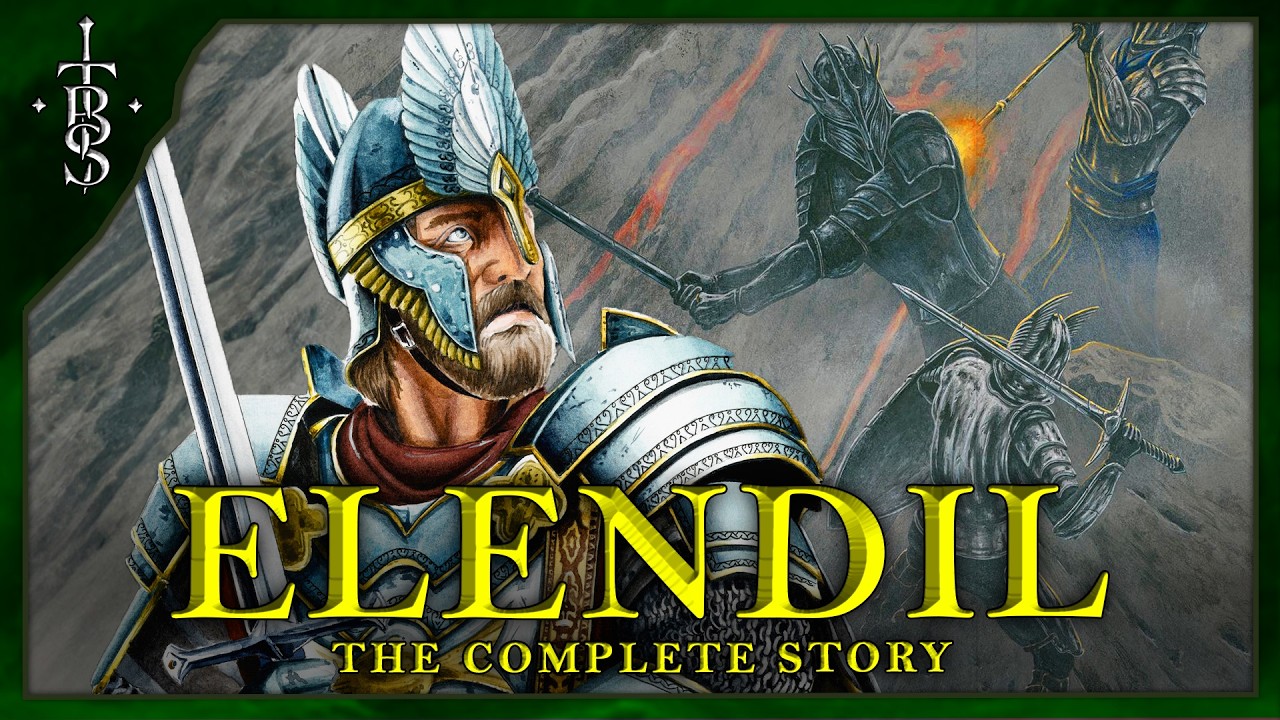
So it was after the downfall of Númenor that the exiles of Númenor, led by Elendil, founded the realms of both Arnor and Gondor.
02:06
Speaker A
There were already many men here who had Númenórean blood.
02:13
Speaker A
They, of course, welcomed Elendil, Isildur, and Anárion with open arms.
02:18
Speaker A
It's actually a common belief that all of the Dúnedain are in some way descended from the line of Elendil.
02:27
Speaker A
This is, however, not the case.
02:30
Speaker A
As I just stated, many others had settled in these realms independently before the downfall.
02:39
Speaker A
And they then later allied themselves with the founders of the kingdoms of the Dúnedain.
02:45
Speaker A
The ancestors of the Princes of Dol Amroth were amongst the most prominent of these.
02:51
Speaker A
So the Dúnedain were actually divided into two groups.
02:56
Speaker A
The Dúnedain of Arnor and the Dúnedain of Gondor, following the death of Isildur, son of Elendil, in the second year of the Third Age.
03:07
Speaker A
We will look first at the Dúnedain of Arnor, also known as the Dúnedain of the North.
03:13
Speaker A
Isildur's youngest son, Valandil, took up rule in Annúminas.
03:20
Speaker A
But his people were quickly diminishing.
03:22
Speaker A
And the Northern Dúnedain and the Men of Eriador were too few to populate and maintain the lands that Elendil had built.
03:32
Speaker A
Many of the Dúnedain of Arnor had died during the War of the Last Alliance and the disaster at the Gladden Fields.
03:39
Speaker A
Then after the reign of Eärendur, the seventh king that followed Valandil, the Dúnedain of the North became divided further into small realms and lordships.
03:50
Speaker A
And were, for the most part, picked off one by one by the Witch-king led realm of Angmar.
03:58
Speaker A
After the Angmar War, the Dúnedain of the North were reduced to a small number of Rangers that would just wander secretly in the wild.
04:09
Speaker A
Protecting the more vulnerable lands in Middle-earth.
04:14
Speaker A
Such as the Shire.
04:16
Speaker A
Their heritage and history was all but forgotten, apart from in Imladris.
04:23
Speaker A
Also known as Rivendell, where the heirs of Isildur were harbored and their line from father to son remained unbroken.
04:32
Speaker A
Right up to Aragorn.
04:33
Speaker A
So now looking specifically at the Dúnedain of Gondor, or the Dúnedain of the South.
04:40
Speaker A
For a long while, the splendor of the Dúnedain of the South grew, but over time, as it got later and later into the Third Age.
04:50
Speaker A
Their line waned and their blood became mingled with that of normal men, to the point where most men late in the Third Age.
05:00
Speaker A
Likely had some amount of Númenórean blood in them.
05:03
Speaker A
The Great Plague also decimated the Gondorians with many, many deaths.
05:09
Speaker A
Including a lot of the Dúnedain of Gondor.
05:12
Speaker A
After the reign of King Eärnur, royal descendants among the Dúnedain of Gondor had become few and no claimant for the throne could be found of pure Númenórean blood.
05:22
Speaker A
Or whose claim all would accept.
05:25
Speaker A
And people were afraid of a new Kin-strife that would have devastated the kingdom.
05:32
Speaker A
Thus, by default, Mardil began the line of Ruling Stewards of Gondor.
05:37
Speaker A
Then after the Stewards picked up the Southern rule, the remnants of the Dúnedain of Gondor still defended the passage of the Anduin against the terrors of Minas Morgul.
05:47
Speaker A
And against all the enemies of the West.
05:51
Speaker A
By the time of the War of the Ring, the Dúnedain of Gondor lived in Minas Tirith.
05:58
Speaker A
And the near town lands.
06:01
Speaker A
As well as the royal lands of Anórien, Ithilien, and Belfalas.
06:06
Speaker A
So, then what happened to the Dúnedain after the War of the Ring?
06:11
Speaker A
Well, some remained as Rangers, protecting the free people of Middle-earth, continuing to wander, hidden in secret.
06:21
Speaker A
Seeking no reward and no glory.
06:26
Speaker A
Just protecting people from whatever evil remained in Middle-earth.
06:32
Speaker A
Then upon the reunification of the kingdoms of the Dúnedain, Gondor and Arnor, by King Elessar, Aragorn.
06:40
Speaker A
The pride and honor of the Dúnedain was said to have been lifted.
06:46
Speaker A
And their glory was restored.
06:49
Speaker A
Aragorn actually then wedded Arwen, who was the daughter of Elrond, brother of Elros.
06:57
Speaker A
Who was the first King of Númenor.
07:00
Speaker A
And so he actually restored the majesty and high lineage of the Royal House of Telcontar.
07:06
Speaker A
However, the extended lifespan of the Dúnedain was never restored, mixing more and more with the line of lesser men.
07:15
Speaker A
With shorter natural lifespans.
07:18
Speaker A
And it continued then to wane until it became like that of other men.
07:22
Speaker A
Aragorn would have been the last of the true extended lifespan.
07:28
Speaker A
Living until 210 years old.
07:32
Speaker A
The importance of the Dúnedain and their influence on Middle-earth cannot be overlooked.
07:38
Speaker A
Even down to their influence on the common language of men.
07:42
Speaker A
We can see here from this quote from the Appendix F that the Dúnedain would originally have spoken in Elvish.
07:50
Speaker A
More specifically, in Sindarin.
07:53
Speaker A
But they eventually spoke the Common Speech, but influenced it heavily with words from the Elven language.
08:01
Speaker A
After the Downfall of Númenor, Elendil led the survivors of the Elf-friends back to the North-western shores of Middle-earth.
08:10
Speaker A
There many already dwelt who were in whole or part of Númenórean blood.
08:16
Speaker A
But few of them remembered the Elvish speech.
08:20
Speaker A
All told the Dúnedain were thus from the beginning far fewer in number than the Lesser Men among whom they dwelt and whom they ruled, being Lords of Long Life and great power and wisdom.
08:33
Speaker A
They used therefore the Common Speech in their dealing with other folk and in the government of their wide realms; but they enlarged the language and enriched it with many words drawn from Elven-tongues.
08:44
Speaker A
Okay, that is pretty much all of the info we have on the Dúnedain for now.
08:50
Speaker A
I hope you enjoyed a brief history on them and had the question that you came here for answered.
08:56
Speaker A
My question for you guys today is this.
09:00
Speaker A
If you could choose between the immortal life of an Elf, the normal lifespan of a man, like we have now, or something in between, like the extended Númenórean life.
09:14
Speaker A
What would you pick?
09:16
Speaker A
I know picking an immortal life seems obvious, but personally, I think that life would become pretty boring.
09:22
Speaker A
So I'm curious to know what you would choose if you could.
09:27
Speaker A
This was such a fun video to work on, guys, many of you may know that the first video we ever uploaded.
09:34
Speaker A
When we first started a Tolkien channel, back when it was called History of Middle-earth, was a brief history on the Dúnedain Rangers.
09:42
Speaker A
So updating that and putting it out as a new video on The Broken Sword has been great fun.
09:49
Speaker A
Time has come now to thank our patrons.
09:52
Speaker A
You guys are all incredible and an extra special shout out goes to the members of our highest tiers.
10:00
Speaker A
Lorenzo, Gregory, Nishith, John, Andrew, Denver Steele, and Pirate 747.
10:07
Speaker A
Finally, we want to shout out our limited special tier on Patreon, Kevin, Abram, Matt, and Glorfindel of Gondolin.
10:16
Speaker A
As members of this tier, you, of course, all get an executive producer role on our film and can give feedback on the script itself.
10:24
Speaker A
Which I believe most of you have done.
10:28
Speaker A
And we've been over the moon with the response.
10:32
Speaker A
Before I go, I'm going to throw out another quick reminder to check out our other channels, The Sixth Ranger and History of Dragon Ball.
10:40
Speaker A
For some Power Rangers lore and anime lore.
10:43
Speaker A
The links will be in the description down below if those are of any interest to any of you.
10:50
Speaker A
Thank you all so much for your time in watching this video today, my friends.
10:57
Speaker A
I hope you have a great day and I will see you next time.
11:00
Speaker A
On The Broken Sword.
Topics:DúnedainMiddle-earthNúmenóreansArnorGondorRangersAragornLord of the RingsTolkien loreMiddle-earth history

Get More with the Söz AI App

Transcribe recordings, audio files, and YouTube videos — with AI summaries, speaker detection, and unlimited transcriptions.

Or transcribe another YouTube video here →