On Nature and Reading— A Challenge to Men — Transcript

A reflective discussion on the importance of reconnecting with nature and reducing technology dependence for mental and physical well-being.

Key Takeaways

  • Reconnecting with nature is essential for mental and physical health.
  • Modern life and technology can disconnect us from our primal roots, impacting well-being.
  • Intentional time outdoors and technology breaks can serve as a mental reset.
  • Basic survival skills, while less necessary today, offer therapeutic benefits and a sense of empowerment.
  • Nature engagement fosters a deeper connection to self and counters the effects of modern civilization's encroachment.

Summary

  • The video emphasizes intentionally spending time in nature to reconnect with our primal selves and improve mental health.
  • Modern technology and civilization are portrayed as encroaching violently on nature, symbolized by a metaphor from the series Yellowstone.
  • Daily exposure to natural elements like sunlight and fresh air is highlighted as vital for mental clarity and well-being.
  • The speakers discuss the addictive nature of technology and the benefits of dopamine detoxes to reset the brain.
  • There is a reflection on the loss of survival skills and the importance of reclaiming basic nature skills like fire-starting and shelter-building.
  • The therapeutic and morale-boosting effects of engaging with nature, such as building a fire, are emphasized.
  • The conversation touches on the challenges of finding pure nature due to human development and urban living.
  • The video encourages intentional breaks from screens and technology to foster a healthier mind-body connection.
  • The speakers share personal habits like morning sunlight exposure and outdoor activities to maintain their bond with nature.
  • Survival scenarios and the reliance on modern conveniences like grocery stores are discussed to underline the value of nature skills.

Full Transcript — Download SRT & Markdown

00:00
Speaker A
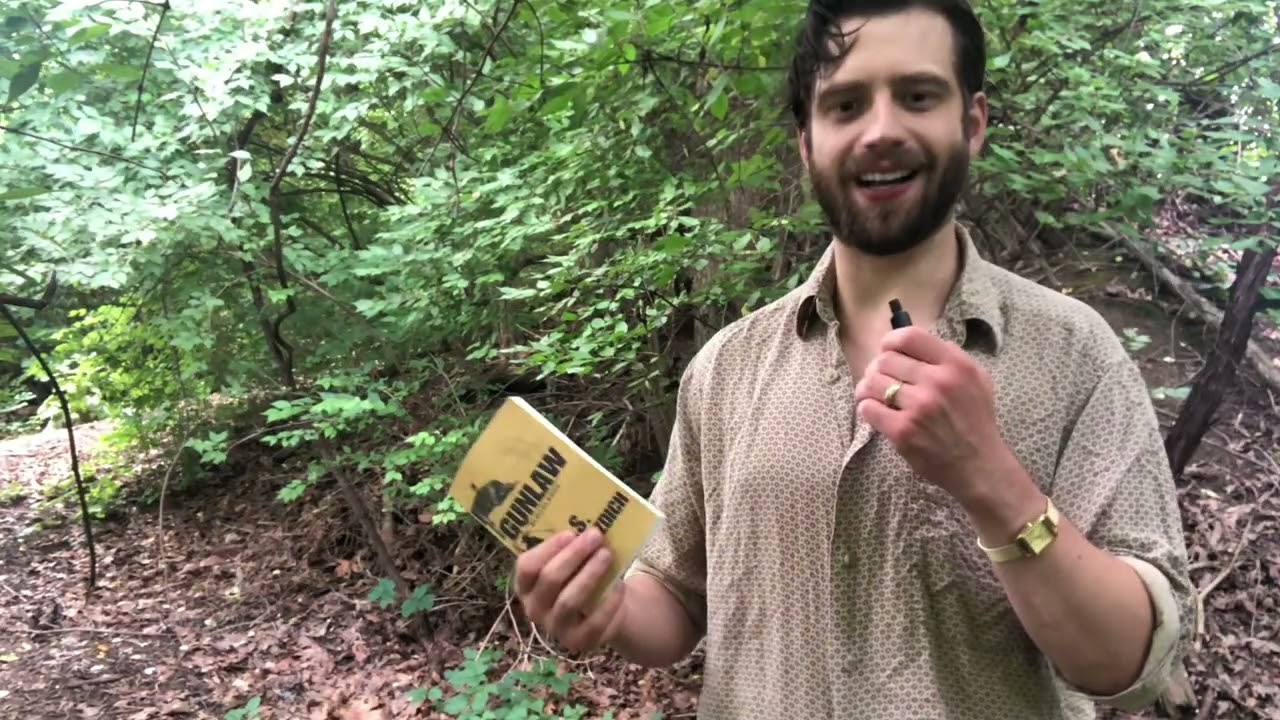
Since you came home, we've kind of every time we've hung out, try to make it a point to get outside and get in, get back into nature. Yeah, get back into nature and go do something like kayaking or hiking or walking the trails in the woods, stuff like that.
00:13
Speaker A
And we just made us talk so much about this concept of getting back in the nature intentionally or more deliberately.
00:21
Speaker A
So I wanted to come on here and and talk to you about this a little bit because
00:26
Speaker A
I think there's a lot more tied to this than than what like you might first see.
00:31
Speaker B
It's more than makes the eye.
00:33
Speaker A
Yeah, it's more than makes the eye.
00:35
Speaker A
It's not just like, oh yeah, get outside, kids, like I don't know, there's something superhuman about being in nature that if we veer too far from it, we lose a lot of who we are and our mind kind of I think can feel the effects of that.
00:52
Speaker B
Yeah.
00:53
Speaker A
More than we might be able to consciously be aware of.
00:57
Speaker A
So, um, to to frame this for you guys,
01:00
Speaker A
I was thinking and I just explained to Casey, Yellowstone, the series,
01:06
Speaker A
starts with this image of a horse hit by a car.
01:10
Speaker A
Like in a car wreck and it's getting um killed by this car.
01:14
Speaker A
And that's like this metaphor, this visual metaphor for how modern technology and the modern world is having a vicious, violent takeover of nature.
01:24
Speaker A
And um, I think it's so poignant and it and it like resonates really well with me because
01:30
Speaker A
we're sitting here in nature and we can see vans up there.
01:36
Speaker A
We can hear construction, we saw power lines as we walked here.
01:40
Speaker B
Trail cams and there's people everywhere.
01:42
Speaker B
There's humans have touched like everything.
01:45
Speaker A
Right, you were you were pointing out the concrete, man-made concrete kind of slabs around here.
01:48
Speaker A
It's really hard to like, at least where we are, seclude yourself in pure nature and not have the effects of modern civilization doing that encroaching.
01:55
Speaker A
Um, so what's it like for you and your relationship to getting out in nature from day to day?
02:02
Speaker A
What do you try to do to keep that bond or keep that important factor?
02:05
Speaker B
The first thing that's helped me too with like mental health is like a dead beaten horse.
02:10
Speaker B
But it is literally just going outside in the morning.
02:13
Speaker A
Like getting sunlight.
02:14
Speaker B
Just getting sunlight.
02:15
Speaker A
Yeah.
02:16
Speaker B
Yeah, I do that.
02:20
Speaker B
I'll sit on my patio and also wildly addicted to caffeine.
02:22
Speaker A
Same.
02:23
Speaker B
But having my morning caffeine while watching like the sunrise or just going outside and smelling fresh air.
02:28
Speaker A
It's different.
02:29
Speaker B
I think even if you have like like in my house,
02:32
Speaker B
I have an air purifier and I have the AC running and clean air.
02:36
Speaker B
I burn candles.
02:37
Speaker B
It's clean.
02:38
Speaker A
Right.
02:39
Speaker B
But it's not it's to a point, it's like stagnant air where you go outside and you just smell it.
02:44
Speaker B
It's like walking outside after it rains and you just smell that.
02:47
Speaker B
I don't know the science behind it, but it has to do something like to your brain where it's bringing you back to like your primal self of being a living mammal.
02:53
Speaker A
Right.
02:54
Speaker B
You know.
02:55
Speaker A
Right.
02:56
Speaker A
Yeah, like the terminally online thing and the whole like meme of touch grass.
03:00
Speaker A
Like there's something to that.
03:02
Speaker A
Like I I think you can probably go your whole day, especially if you wake up, go to the office before it's light, come back when it's not light.
03:10
Speaker A
You could go your whole day without seeing the sun.
03:13
Speaker A
Without breathing fresh air.
03:15
Speaker A
Like that can happen.
03:16
Speaker B
And it probably happens all too often.
03:18
Speaker A
Yeah, too often.
03:20
Speaker A
Especially like if you're living in the city and things like that, you probably
03:24
Speaker A
you have to be even more intentional, you got to like make a trip if you want to be around trees and go to a park.
03:29
Speaker A
Just like that.
03:30
Speaker A
So, um, yeah, it's just so vital.
03:32
Speaker A
And even outside of the nature aspect, I think we can as people like intentionally pull ourselves away from technology.
03:38
Speaker A
A bit at least.
03:40
Speaker B
Yeah.
03:41
Speaker A
We talked about dopamine detoxes.
03:42
Speaker B
Yeah.
03:43
Speaker A
Addiction to our phones.
03:45
Speaker A
And like they all these algorithms are set up to keep us there.
03:47
Speaker A
Everyone knows that.
03:48
Speaker A
And they do it.
03:50
Speaker B
It's probably how you're watching this.
03:51
Speaker A
Right.
03:52
Speaker A
Yeah.
03:53
Speaker A
You just like fed the next video.
03:54
Speaker A
And it's like, oh, this seems interesting.
03:56
Speaker A
Is a topic I like.
03:58
Speaker A
You know, for whatever reason, they they're starting to know you more and more.
04:02
Speaker A
It happens to me.
04:03
Speaker A
They know me more and more.
04:05
Speaker A
So it's like, oh, that's a great video.
04:07
Speaker A
I definitely want to see that.
04:08
Speaker B
Keep it coming.
04:09
Speaker A
Yeah.
04:10
Speaker A
And here I am.
04:11
Speaker B
Keep it coming.
04:12
Speaker A
Yeah.
04:13
Speaker A
So intentionally breaking away from the phone is an important one for me too.
04:20
Speaker A
And I haven't done like a strict dopamine detox in a while.
04:23
Speaker A
And I think it's about time to do that.
04:25
Speaker B
Probably about time for me to do one too.
04:27
Speaker A
Yeah, just because again, there's something about it, like a reboot, factory reset on the brain.
04:34
Speaker A
Like there's something so uh refreshing, like turning off your Mac, turning it back on.
04:40
Speaker A
Everything for your human natural sense.
04:44
Speaker B
I think also like speaking about getting like a factory reset to your brain.
04:46
Speaker A
Yeah.
04:47
Speaker B
Like over 100 years ago, which is not a lot of time in the grand scheme of the universe.
04:53
Speaker B
Just mankind and as a whole.
04:56
Speaker A
Yeah.
04:57
Speaker B
When is the last time that you were like in the woods with technology that is like a hammer or like a saw or something like that?
05:02
Speaker B
You know what I mean?
05:03
Speaker B
Like that was modern technology at some point.
05:04
Speaker A
Right.
05:05
Speaker B
And now we have the internet, which is like almost impossible to like wrap your head around.
05:09
Speaker B
It's almost a level of consciousness like in its own.
05:11
Speaker A
Yeah.
05:12
Speaker B
So when's the last time you like were in the woods just totally just a human being in nature?
05:15
Speaker A
Yeah.
05:16
Speaker A
You know.
05:17
Speaker A
Yeah, we all we're we're really losing that skill set.
05:20
Speaker A
I mean, when I'm writing about Vipers and Red Rocks, I have these 400 days in the wilderness surviving.
05:24
Speaker B
I could not do that, dude.
05:25
Speaker B
It's an unfathomable.
05:27
Speaker A
There's no way.
05:28
Speaker A
You know what I mean?
05:29
Speaker A
I would die.
05:30
Speaker A
And I think 90% of people watching this, like people just in general who pulled 90 people.
05:34
Speaker A
You know, could you survive like 400 days or a year out in the nature like by yourself?
05:40
Speaker B
Not have.
05:41
Speaker B
Probably not.
05:42
Speaker A
Yeah.
05:43
Speaker A
So, you know.
05:44
Speaker A
Not that you have to do that, but imagine, you know,
05:47
Speaker A
there's got to be some benefit to reclaiming some of those skills of starting fires and and um,
05:53
Speaker A
being able to find shelter, keep yourself dry and warm, things like that.
05:58
Speaker A
Useful when they're useful.
06:00
Speaker B
Hardwired skills that are like in our DNA.
06:03
Speaker A
Yeah.
06:04
Speaker B
That we don't practice.
06:05
Speaker A
Right.
06:06
Speaker B
We were talking too about uh going to the grocery store and just how reliant you are on food.
06:10
Speaker B
And like imagine if grocery stores just shut down.
06:12
Speaker A
Yeah.
06:13
Speaker B
And there's a lot of deer back here too.
06:15
Speaker B
So we're like, well, we would just throw out.
06:17
Speaker A
That's the point he said that really scared me.
06:18
Speaker A
I was like, yeah, we would hunt and do that.
06:21
Speaker A
And then he was like, yeah, but everybody's going to have the same idea.
06:25
Speaker A
So then it's going to get violent deciding who's going to get what meat.
06:29
Speaker A
So, you know.
06:30
Speaker A
It's good to have these skills and know what you're doing.
06:34
Speaker B
It's also therapeutic to a sense.
06:35
Speaker A
That's what I'm getting at, it's even like now, maybe it's not necessary, we don't have to survive.
06:40
Speaker A
But like you said,
06:41
Speaker A
it's still therapeutic.
06:43
Speaker A
There's something, I don't know, especially for dudes like us.
06:46
Speaker A
Like it it feels good, it reconnects you with some part of your primal man to be able to do.
06:52
Speaker A
Like start a fire with like a flint, you know, the one that spits.
06:57
Speaker B
Slag.
06:58
Speaker A
Slag.
06:59
Speaker A
Yeah, yeah, I can make it by hand without having to use a lighter or something like that.
07:05
Speaker A
That would make me feel super manly and good.
07:08
Speaker A
And I'll I'll like have a endorphin flood after that one.
07:10
Speaker B
Yeah.
07:11
Speaker A
And there's just something about that.
07:12
Speaker B
There are definitely studies to it where that just building a fire is such a morale booster.
07:15
Speaker B
Like if you they say one of the things that you're if you're in a survival situation, one of the best things that you could do is create fire because it's such a win that it can like completely transform whatever situation you're in in the wild.
07:23
Speaker B
And just getting out there to it.
07:25
Speaker B
Like even if you don't need it and you do it, it feels good.
07:28
Speaker A
Right.
07:29
Speaker B
You know.
07:30
Speaker B
Maybe we're just pyromaniacs, but.
07:31
Speaker A
Yeah, maybe.
07:33
Speaker A
And I mean, as a writer myself and a reader, I love Hatchet was the first one.
07:38
Speaker A
Like I love reading stories about survival in nature, and I think that's what draws me to Louis L'Amour so much.
07:44
Speaker A
I was talking to Casey earlier.
07:46
Speaker A
Like every time I read a Louis L'Amour book, I'm learning something about that skill set, that life that we left behind.
07:55
Speaker A
Um, of living out in the wilderness and living out in the wild.
08:01
Speaker A
Um, whether it's a skill of tracking or how he talks about finding food.
08:06
Speaker A
Like there's some nugget of wisdom that turns into what he called like a dude fact.
08:12
Speaker A
You know, like when you hang out with your friends.
08:13
Speaker A
And you're like, did you know like this?
08:14
Speaker A
You know, you just tell him a fact.
08:15
Speaker A
And uh, yeah, I think this kind of writing, men's adventure fiction.
08:20
Speaker A
Me and the thing don't have the podcast now.
08:24
Speaker A
I think it's having this resurgence and Pulp Fest has had its biggest attendance this year.
08:30
Speaker A
I think people are yearning for like really masculine stories like that.
08:35
Speaker A
Because what we started this with of in our day to day,
08:37
Speaker A
we can miss the sunlight.
08:40
Speaker B
It's so crazy to think about.
08:41
Speaker A
I know.
08:42
Speaker A
We could just be stuck so in our routines, sedentary lifestyle, which we talked a bit about.
08:47
Speaker A
Which is why I'm fatter than I'd like to be.
08:49
Speaker A
Um, and it's just.
08:50
Speaker A
We can sit all day, do nothing, not see natural light, not be in nature, not breathe real air, not feel competent to start a fire, not feel like a man.
08:59
Speaker A
And so living vicariously through characters.
09:00
Speaker A
And then to me and what me and the thing will talk about a lot, what you and I talk about a lot is transferring that energy.
09:07
Speaker A
What you're getting in that book, that inspiration.
09:10
Speaker A
And actually turning it into something in your own life.
09:13
Speaker B
It's forming its own new ideas.
09:14
Speaker A
Like make when I watch Rocky, don't just watch Rocky, sit on the couch and do nothing.
09:20
Speaker A
Watch Rocky and go get a workout.
09:23
Speaker A
You know, push yourself.
09:25
Speaker A
Get a new diet plan.
09:27
Speaker A
Start start getting after it.
09:28
Speaker B
Which I think is kind of like the point between the reading your book, Vipers and Red Rocks and the the challenge behind it of like, hey, do this, which is fundamentally good for you.
09:35
Speaker B
But then add something else that like it should hype you up.
09:38
Speaker B
It should inspire you.
09:39
Speaker A
Absolutely.
09:40
Speaker A
And this guy, um, helped me develop that concept because we were talking about this very thing of like,
09:46
Speaker A
my books and books in general are supposed to inspire, want these characters to build you up to be something more.
09:53
Speaker A
And, you know, like you said, these challenges, this physical, you know, okay, don't have them just read the book.
10:00
Speaker A
First off, use that discipline and drive and springboard off of it to do more and more things because you kind of like cycle into having these really good routines.
10:06
Speaker B
Yep.
10:07
Speaker A
Um, so if you're reading every day to read the book and then you're doing the workouts every day and you're getting the sunlight, you're journaling.
10:13
Speaker A
All of these kind of set you up for a good base to feel more human.
10:18
Speaker B
Which a lot of them seem like daunting tasks, but they're so simple.
10:23
Speaker A
Right.
10:24
Speaker B
Like just extra like if you just almost shut your mind off and just do.
10:29
Speaker B
Just do it.
10:30
Speaker B
It's it's like almost becomes like a mindless task in its own.
10:35
Speaker B
But it's the like hurdle of starting it and getting to that point.
10:39
Speaker A
Right.
10:40
Speaker B
Like journaling for five minutes a day.
10:42
Speaker B
That's the average short or YouTube video or whatever.
10:46
Speaker A
Yeah.
10:47
Speaker B
Instagram reel.
10:48
Speaker B
Is like a minute long.
10:49
Speaker B
So five videos, which I guarantee you watching this cannot name the last five shorts that you watched.
10:55
Speaker B
You know.
10:56
Speaker B
And that's not a jab at you.
10:58
Speaker B
I can't name my last.
10:59
Speaker A
Yeah, he did that to me.
11:00
Speaker A
He was like, what was the last YouTube video?
11:01
Speaker A
And I felt cool because I knew the one.
11:03
Speaker A
And then he was like, what about before that?
11:04
Speaker A
And I was like, well, you can't ask me that question.
11:05
Speaker B
So you could do that so mindlessly and so effortlessly.
11:10
Speaker B
What is it take to do this and then like just let your mind be its own thing instead of absorbing some kind of like machine inspired content?
11:15
Speaker A
Yeah.
11:16
Speaker A
Yeah, even if it is like just something super human and natural given to you.
11:20
Speaker A
Like someone's novel that they hand wrote and it's like this poetic piece.
11:25
Speaker A
It's still you consuming something.
11:27
Speaker A
So the whole point of of a challenge is like getting you to do something and like you to produce.
11:33
Speaker A
Um, I've always said, you know, when I had like a big obsession with like masculinity as a younger man.
11:40
Speaker A
That was like the conclusion I came to is like, I need to find the balance between producer and consumer.
11:47
Speaker A
Like I can't just sit here and watch everybody else's stuff.
11:51
Speaker A
Read everybody else's stuff and just be a consumer.
11:53
Speaker B
But I do think too when you're reading something.
11:55
Speaker B
It's somebody else's idea, but it's your imagination.
12:00
Speaker B
And like how you perceive it.
12:02
Speaker B
And that's why I think a lot of people when they read books and then see movies, they're always like the book is better.
12:09
Speaker A
Yeah.
12:10
Speaker B
And it's because you're allowing your brain to to knock the cobwebs off and and do what it's meant to do.
12:16
Speaker B
As opposed to seeing somebody else's imagination created.
12:19
Speaker B
Finished their thought and then you're consuming somebody else's imagination.
12:23
Speaker A
That makes sense.
12:24
Speaker A
Yeah, it does, and that's where, you know, I always harp on the point that a lot of people think reading fiction is a waste of time.
12:30
Speaker A
And I'm super against that.
12:32
Speaker A
Because I think exactly what you said.
12:33
Speaker A
When you're reading fiction, you're bringing what the author has, their life experience, every bit of wisdom and story that they're trying to tell you.
12:40
Speaker A
Thematics and then you're bringing your mindset, your philosophies, your morals and your those two are meeting and are intertwining.
12:47
Speaker A
And this new creation is made.
12:49
Speaker B
It's forming its own new ideas.
12:50
Speaker A
Yeah, because you're thinking about what they said, but you're thinking about it from your viewpoint.
12:55
Speaker A
And you're pondering that.
12:57
Speaker A
And you sit with it.
13:00
Speaker A
And like you said, with fiction, you have more wiggle room.
13:04
Speaker A
It's your imagination.
13:05
Speaker A
It's not facts from a non-fiction.
13:08
Speaker A
It's not like this is the thing.
13:10
Speaker A
It's here, this is a narrative, this is a a moral a morality tale or something.
13:15
Speaker A
Like a morality tale and you figure it out.
13:18
Speaker A
You tell me what you think.
13:20
Speaker A
And then your brain can kind of grow from that.
13:22
Speaker A
Grow like that.
13:23
Speaker A
So yeah, read not read fiction, just not only non-fiction.
13:26
Speaker A
Stuff like that.
13:27
Speaker B
Reading in general.
13:28
Speaker A
Fiction is important.
13:29
Speaker B
Reading in general.
13:30
Speaker A
Reading in general.
13:31
Speaker A
Like you said.
13:32
Speaker B
Having a broad.
13:33
Speaker A
It's all that stuff.
13:34
Speaker B
Yeah.
13:35
Speaker B
I I agree with what you're saying.
13:36
Speaker A
Yeah, it's, you know, mindlessly scrolling through reels.
13:40
Speaker A
Watching a longer movie.
13:42
Speaker A
I'm going the wrong way.
13:44
Speaker A
It should be up.
13:45
Speaker A
But like, yeah.
13:46
Speaker A
Like going, you know, reels, longer film, reading, like it it uses more of your brain to do.
13:52
Speaker B
So take this.
13:53
Speaker A
Right.
13:54
Speaker B
And uh, outside of all those, like you said, it's the fully on you journaling, fully on you working out, like doing these things that are you.
14:00
Speaker B
I had a mentor too, right before I left active duty in the military.
14:03
Speaker B
Who told me the statistic that those on average, people who read on average two pages a day or 14 pages a week.
14:10
Speaker B
Are five times more likely to be successful.
14:13
Speaker B
Or they they five X their income.
14:16
Speaker B
I can't remember exactly what it was.
14:17
Speaker A
It's beneficial to read.
14:18
Speaker B
But I think it has to do with being able to change your mind to think and like solve problems.
14:24
Speaker B
And it's only like two pages a day.
14:26
Speaker A
Yeah.
14:27
Speaker B
That's all it is for the to be five times better.
14:30
Speaker A
Dude, I think people.
14:31
Speaker B
Which is so like.
14:32
Speaker A
I just think.
14:33
Speaker B
Yeah.
14:34
Speaker A
I just think.
14:35
Speaker B
It's just two pages.
14:36
Speaker A
Yeah, that's what I'm saying.
14:37
Speaker A
Two pages, people would hear that and be like, easy.
14:40
Speaker A
But they're not doing it.
14:41
Speaker A
Because it's almost like that weird gap, like you're saying, the weird mental gymnastics of like, it's not even worth it.
14:46
Speaker A
Really doing two pages a day.
14:47
Speaker A
Like if I'm going to read, I'm going to read 10 chapters a day.
14:50
Speaker A
You try to like make a huge.
14:52
Speaker B
Even if it like ends in the middle of a sentence.
14:53
Speaker A
You overwhelm yourself.
14:54
Speaker A
So like, you know, don't have the ego on you.
14:56
Speaker A
You do two pages if you're going to do two pages.
14:58
Speaker B
If you just have the discipline to be like two pages, that's it.
15:00
Speaker A
Yeah.
15:01
Speaker B
I'll pick up where I left off tomorrow.
15:03
Speaker A
And typically you're going to read end up reading one or two pages.
15:07
Speaker A
But like just giving yourself permission, I think to say, okay, I'm going to only do two pages and not have an ego about that.
15:12
Speaker A
Or not having any thoughts about that.
15:14
Speaker A
Doing that.
15:15
Speaker A
I think that's helpful.
15:16
Speaker B
And if you can do that out in nature.
15:18
Speaker A
It's even better.
15:19
Speaker B
It's even better.
15:20
Speaker B
Because then you're hearing the sounds of all the well, hopefully you're not around construction and and people.
15:26
Speaker B
But you're hearing the birds, you're hearing the the footsteps of deer and squirrels.
15:30
Speaker B
And crickets and.
15:31
Speaker B
It's just bringing you back to like what ultimately humans are meant to be.
15:36
Speaker A
Beautiful.
15:37
Speaker A
So I think to wrap things up, to end things for us, we should say turn your phone off after this video.
15:44
Speaker A
Never look at it again.
15:45
Speaker A
Uh, at least do a dopamine detox for a day.
15:48
Speaker A
You know, give us one day off the phone.
15:49
Speaker A
Um, you know, obviously, I'm with you, I have work on my phone.
15:54
Speaker A
I have to look at the screen for my job.
15:57
Speaker A
But you know when you're like doing not that.
16:00
Speaker A
Um, so like, you know, take take a day off YouTube, take a day off Instagram, take a day off all that stuff.
16:05
Speaker A
And um.
16:06
Speaker B
It'll change your life.
16:07
Speaker A
Yeah.
16:08
Speaker A
It will.
16:09
Speaker A
I don't know.
16:10
Speaker A
It could.
16:11
Speaker B
It could.
16:12
Speaker A
It could.
16:13
Speaker B
It will.
16:14
Speaker A
I don't want to over promise here.
16:16
Speaker A
But it is is pretty substantial what you could kind of figure out when you let the static of your mind start spinning again.
16:23
Speaker A
And hear its own thoughts.
16:25
Speaker A
Um, when you're always drowning your thoughts out with something.
16:30
Speaker A
You know, every time you're in the car listening to something, you're only getting inputs.
16:34
Speaker A
Your your mind doesn't have a chance to to spin the wheels.
16:37
Speaker A
So, yeah, maybe you're right.
16:38
Speaker A
Maybe it will change your life.
16:39
Speaker A
You'll get a new idea.
16:40
Speaker A
Who knows where it'll take you.
16:42
Speaker A
But turn the phone off, dopamine detox, pick up a book, doesn't have to be my book.
16:49
Speaker A
But pick up a book and then do the challenge that's on my Instagram, which is, um, I'm not going to be able to get it fully off the top of my head.
16:54
Speaker A
But you read.
16:55
Speaker A
Whatever.
16:56
Speaker A
10 pages a day.
16:57
Speaker A
I think it was.
16:58
Speaker B
Two.
16:59
Speaker A
Two pages.
17:00
Speaker A
Well, not in our challenge.
17:01
Speaker B
Oh, in the challenge.
17:02
Speaker A
Our challenge is 10 pages a day, 15 minute workout a day, go out in nature every day and nightly journaling.
17:07
Speaker A
Those are the ones I can remember, that might be all of them.
17:10
Speaker A
But that's the thing, is like push yourself, get into a good routine, reset.
17:15
Speaker A
Get out in nature and and remember to be human.
17:19
Speaker B
Yeah.
17:20
Speaker A
All right, man.
17:21
Speaker A
Anything else you want to leave them with?
17:22
Speaker B
If you do need a good book to read, Vipers and Red Rocks will be linked in the uh description section below.
17:26
Speaker A
Absolutely.
17:27
Speaker A
All right, guys.
17:28
Speaker A
Take care.
17:29
Speaker B
Till next time.
Topics:naturemental healthtechnology detoxsurvival skillsoutdoor activitiesprimal connectiondopamine detoxmodern civilizationmindfulnesswell-being

Frequently Asked Questions

Why is spending time in nature important according to the video?

Spending time in nature helps reconnect us with our primal selves, improves mental health, and provides a therapeutic reset from the overstimulation of modern technology.

What metaphor from the series Yellowstone is used in the discussion?

The video references a scene where a horse is hit by a car as a metaphor for how modern technology violently encroaches on and takes over nature.

What are some suggested ways to intentionally reconnect with nature?

The speakers suggest activities like kayaking, hiking, walking trails, getting morning sunlight, and practicing survival skills such as fire-starting to maintain a strong bond with nature.

Get More with the Söz AI App

Transcribe recordings, audio files, and YouTube videos — with AI summaries, speaker detection, and unlimited transcriptions.

Or transcribe another YouTube video here →