Speaker None
Even a child knows the Maginot line could simply be bypassed, so why did France spend over a decade building it?
The Maginot Line was a strategic trap designed to redirect German forces, not a failed defense as commonly believed.
Transcribe recordings, audio files, and YouTube videos — with AI summaries, speaker detection, and unlimited transcriptions.
Or transcribe another YouTube video here →Free tools: TXT to SRT · SRT Validator · Merge SRT · Subtitle to Text · All tools
 2:18
2:18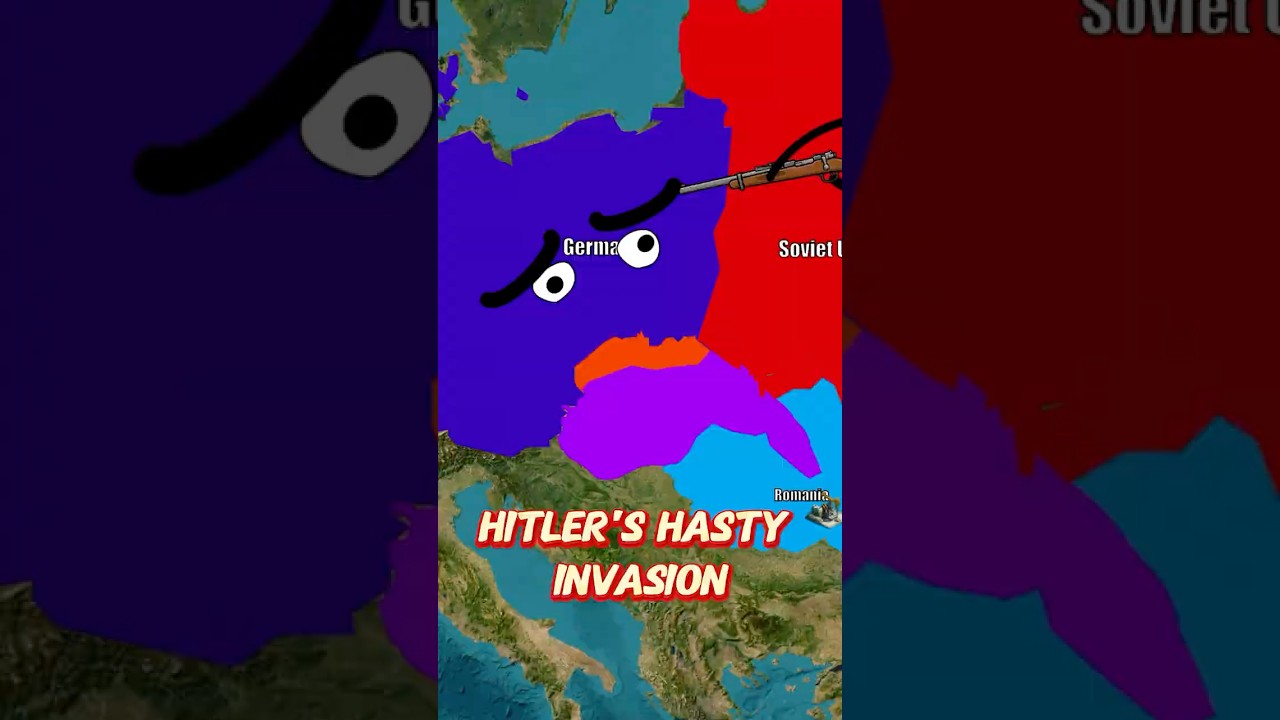 2:24
2:24 1:42
1:42 15:08
15:08 30:35
30:35 13:09
13:09 42:42
42:42 56:00
56:00 29:01
29:01 16:15
16:15 1:31
1:31 10:46
10:46Point your camera
Scan the code to open the download page on iOS or Android. 30 minutes of transcription free, no card.


