Avoiding ‘white elephants’in Pyeongchang after Winter O… — Transcript

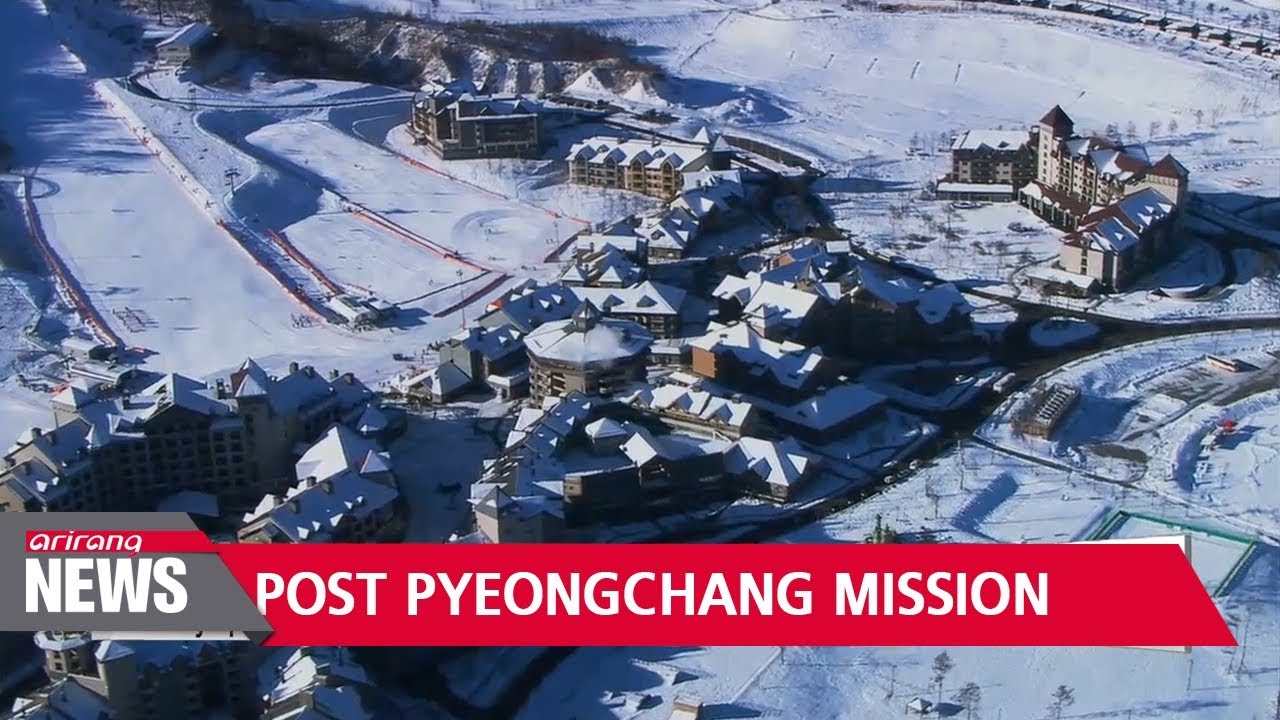
Pyeongchang aims to avoid post-Olympic white elephants by demolishing some venues and repurposing others after the 2018 Winter Games.

Key Takeaways

  • Demolishing underused venues can prevent costly maintenance of white elephants.
  • Reusing most venues through partnerships ensures continued operational use.
  • Promoting winter sports locally and regionally supports venue sustainability.
  • Learning from past Olympic hosts helps manage costs and legacy effectively.
  • Strategic planning is essential to maximize economic and sporting benefits post-Olympics.

Summary

  • South Korea spent nearly 110 million USD on the Pyeongchang Olympic Stadium for the 2018 Winter Games.
  • Post-Games, there is concern about preventing massive investments from becoming underused 'white elephants'.
  • Pyeongchang organizers decided to demolish the main Olympic Stadium, which was used only four times.
  • The stadium's isolated location influenced the decision to tear it down to avoid maintenance costs.
  • Nine out of 12 sporting venues will be reused through contracts with private companies, local governments, and universities.
  • Plans include using venues for upcoming events like the Asian Winter Games.
  • Promoting winter sports is seen as key to ensuring long-term use of facilities, especially rare venues like bobsled and skeleton tracks in Asia.
  • Pyeongchang learned from previous host cities' successes and failures to manage costs and venue legacy better.
  • Cost overruns were significant but addressed with more modest post-Games plans.
  • The approach aims to balance economic benefits with sustainable venue management.

Full Transcript — Download SRT & Markdown

00:00
Speaker A
Now, South Korea, among other things, spent nearly 110 million US dollars just on the construction of a stadium for the 2018 Winter Games, and now that the games are over, the question becomes how does the country prevent these massive investments becoming the usual post-Olympic white elephants? Our Won Jong-hwan reports.

00:24
Speaker B
The Olympic have been an economic boon for some host cities.
00:28
Speaker B
Los Angeles is estimated to have made more than 200 million dollars over the decades, thanks to the games, including the leftover facilities.
00:37
Speaker B
But the ugly fact is that the most Olympic buildings leave a legacy of debt and maintenance costs for underused buildings known as white elephants.
00:48
Speaker B
That's something Pyeongchang wants to prevent, as there's been a range of opinions about what to do with the facilities in Pyeongchang once the games.
00:59
Speaker B
The organizers have decided to go with more modest plans.
01:02
Speaker B
Perhaps to their credit.
01:03
Speaker B
For example, after the closing of the Paralympics, workers will eventually tear down the 109 million US dollar Pyeongchang Olympic Stadium.
01:10
Speaker B
It'll have been used just four times.
01:12
Speaker B
But the organizers decided that this is one way Pyeongchang can avoid the white elephants.
01:19
Speaker C
I think it is a smart decision to demolish the main Pyeongchang Stadium, considering the location is too isolated to use later.
01:28
Speaker C
But plans for other venues should be made carefully to keep them operational because the demolition cost will be very high.
01:37
Speaker B
In fact, the local government has planted a way to efficiently use nine out of 12 sporting venues.
01:43
Speaker D
We have already signed contracts with private companies for the use of those venues, and we are also looking into some conditions for the use in the upcoming Asian Winter Games.
01:52
Speaker B
Nine venues will be reused by other parties such as local governments and universities.
01:57
Speaker B
But really, the most effective way to prevent the white elephant problem at the Olympic will be a complete overhaul of the way the competition is run.
02:04
Speaker C
It will be a great idea to promote winter sports so people use the venues after the games, for example, there aren't many bobsled or skeleton tracks in Asia.
02:16
Speaker C
So if Pyeongchang plans well, the venue could be used as a great facility for local and even international athletes.
02:23
Speaker B
Although Pyeongchang, like previous host cities, suffered significant cost overruns, the organizers seem to have learned from the success and failures of their predecessors.
02:32
Speaker B
Won Jong-hwan, Arirang News.
Topics:Pyeongchang 2018Winter OlympicsOlympic legacywhite elephantssports venuesstadium demolitionvenue reusewinter sports promotioncost overrunsAsian Winter Games

Get More with the Söz AI App

Transcribe recordings, audio files, and YouTube videos — with AI summaries, speaker detection, and unlimited transcriptions.

Or transcribe another YouTube video here →