Can this AI mirror predict how healthy you are? | BBC N… — Transcript

BBC News explores an AI-powered mirror that predicts health metrics and reviews other wearable health tech innovations.

Key Takeaways

  • AI can non-invasively assess multiple health indicators through facial analysis.
  • Wearable devices are evolving to integrate diverse health data for comprehensive monitoring.
  • Health tech innovations are expanding beyond physical metrics to include mental health and stress.
  • Cloud processing enables complex health risk calculations from simple user inputs like video selfies.
  • Slight variability in results suggests these tools are supplementary rather than definitive diagnostics.

Summary

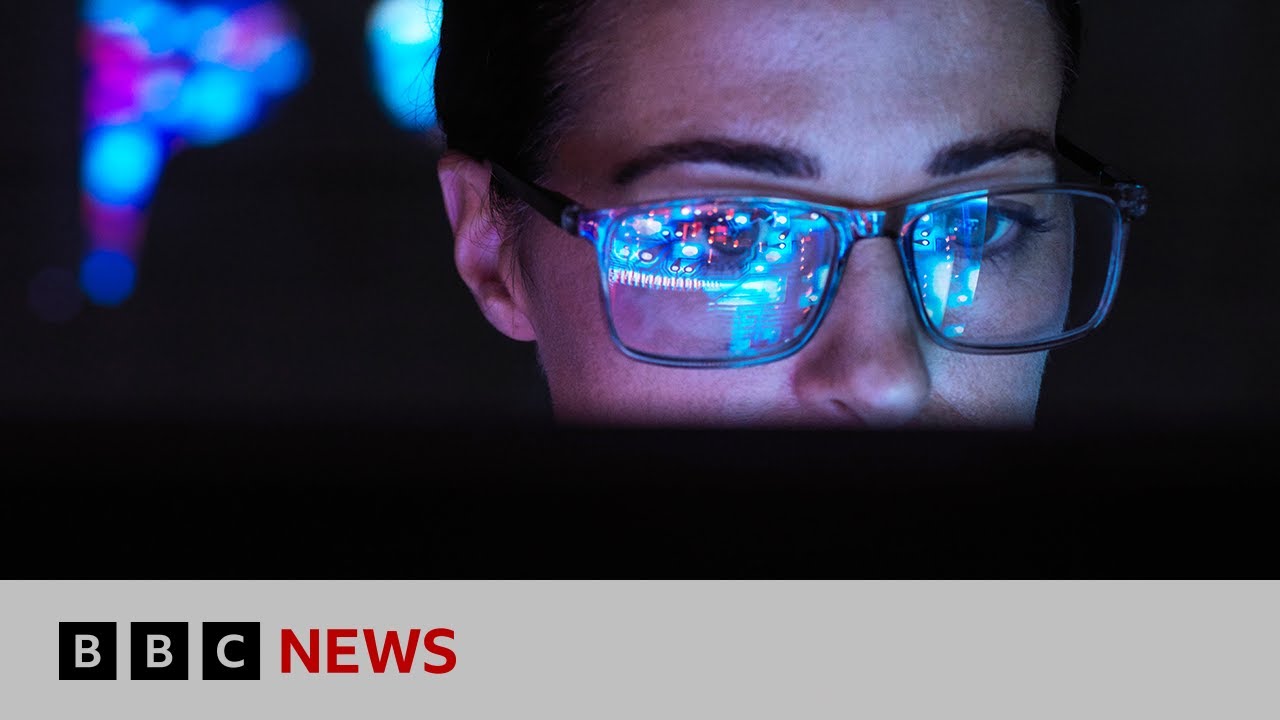
  • The video introduces the Nura Magic Mirror, an AI device that uses a 30-second video selfie to measure over 30 vital signs and disease risk factors.
  • The mirror uses transdermal optical imaging to analyze facial blood flow patterns and sends data to the cloud for processing.
  • It can assess heart rate, breathing, blood pressure, and risks for cardiovascular disease, stroke, fatty liver disease, and type 2 diabetes.
  • The diabetes risk assessment is based on a database of 40,000 patients linking facial blood flow patterns with medical history.
  • Results can vary slightly on repeated scans, but the device aims to provide non-alarming health insights.
  • The video also covers other wearable health devices, such as smart rings like Ultrahuman, which integrate blood tests and continuous glucose monitoring.
  • Ultrahuman offers a comprehensive data platform to correlate diet, sleep, and other health metrics, initially launching in India.
  • Another device discussed is earbuds that monitor heart rate and stress by listening to signals within the ear canal.
  • These earbuds provide heart rate variability data and categorize stress levels, contributing to mental health monitoring.
  • Overall, the video highlights the growing trend of AI and wearable technology in personalized health tracking.

Full Transcript — Download SRT & Markdown

00:03
Speaker A
Given everything that's happened in the world of AI over the past year or so, it's little surprise that here plenty of companies are keen to talk about what they're doing with it in their products.
00:15
Speaker A
And that's particularly true when it comes to healthcare.
00:18
Speaker A
Well, one of the first things that many of us do in the morning is look in a mirror, so if you're not wearing numerous health trackers like I do, how about the idea of that mirror being able to tell you how your health is doing?
00:31
Speaker A
Lindsay, let's have a go, tell me about the technology first of all.
00:35
Speaker B
Absolutely, so this is our newest product, it's our Nura Magic Mirror, and what it does, it does a 30-second video selfie, and we're actually measure over 30 vital signs and risk of disease parameters.
00:46
Speaker B
Um, so everything from heart rate, breathing, blood pressure, to actual risk of cardiovascular disease, risk of stroke, uh, risk of fatty liver disease, uh, many different parameters, so.
00:54
Speaker A
How on earth do you assess all of that from looking at someone with a camera?
00:58
Speaker B
Yes, so.
01:00
Speaker B
How it works is we're actually measuring the facial blood flow patterns underneath your skin.
01:06
Speaker B
Uh, using reflective light patterns.
01:08
Speaker B
So we use a process called transdermal optical imaging.
01:10
Speaker B
And so what happens is, you know, we take a 30-second scan, we analyze your facial blood flow patterns.
01:16
Speaker B
And then it gets sent up to the cloud for processing.
01:19
Speaker B
And so we output all these calculations.
01:22
Speaker A
Okay, brilliant.
01:23
Speaker B
Yeah.
01:24
Speaker A
Well.
01:25
Speaker B
Should we try it?
01:26
Speaker A
Let's have a go.
01:27
Speaker B
Let's try it.
01:28
Speaker B
Sit still and it's it's already begun the scan.
01:31
Speaker B
So we'll have your results quite shortly.
01:33
Speaker A
Make sure you're in the right spot and it'll be done in 30 seconds.
01:37
Speaker A
I'm doing well on most of these things, which is great.
01:40
Speaker A
My risk of heart disease, stroke, all incredibly low.
01:45
Speaker A
For some of these things, it's hard to imagine how they would even be calculated.
01:50
Speaker A
When it comes to something like type two diabetes risk, how on earth can it assess that?
01:53
Speaker B
So in the background, uh, we have a population of about 40,000 patients.
01:56
Speaker B
Where what we've done is, you know, we've taken their demographic info, all their medical history.
02:00
Speaker B
So this number you see here is the percentage of users with your facial blood flow patterns.
02:06
Speaker B
Who are at risk of developing type two diabetes.
02:09
Speaker A
Great, if it's not going to get you in a panic when things aren't right.
02:14
Speaker A
And there was one little niggle in my brief experiment.
02:19
Speaker A
Whilst the difference is pretty negligible, I've redone the scan a couple of minutes after doing it the first time, and the figures are just slightly different.
02:27
Speaker A
Tells me I'm 36, apparently I was 38 a couple of minutes ago.
02:30
Speaker A
Same face, but I'm happy, can I go with this one?
02:34
Speaker A
Meanwhile.
02:36
Speaker A
Plenty of wearables being launched here and many of them are pretty compact too.
02:41
Speaker A
In fact, there's a whole trend for smart rings with a few new ones launching.
02:45
Speaker A
The Aura has been popular for a while, but this is Ultrahuman, this goes beyond tracking your daily activities and giving you a readiness score though.
02:55
Speaker A
It actually acts as one big data platform, bringing in information from blood tests and also if you wish from a continuous glucose monitor.
03:04
Speaker A
So for example, you could see how the sugar that you've eaten has affected your night sleep by having all of that in one place.
03:11
Speaker A
Much hype about it in tech circles as the company has high hopes.
03:17
Speaker A
Initially, the blood function will be India only before expanding and an air quality monitor to also sync the conditions you sleep in is coming.
03:26
Speaker A
Here's a bit of a different way of being able to assess your heart rate and how stressed you may be.
03:33
Speaker A
These are my mics, now they work as regular earbuds, you can listen to music, talk on them, but they also are listening within your ear like your ear becomes a speaker to your heart.
03:44
Speaker A
It's very busy here, but I'm feeling quite zen.
03:47
Speaker A
In just a couple of minutes, it's told me my heart rate was 57, my heart rate variability was 51, and apparently I am well in the rest and digest category, not fight or flight.
03:58
Speaker A
These devices do also seem to incorporate our mental health too, in particular stress.
Topics:AI health technologyNura Magic Mirrortransdermal optical imagingwearable health devicessmart ringsUltrahumancontinuous glucose monitoringheart rate variabilitystress monitoringpersonalized healthcare

Frequently Asked Questions

How does the Nura Magic Mirror measure health metrics?

The mirror uses transdermal optical imaging to analyze facial blood flow patterns captured in a 30-second video selfie. This data is sent to the cloud for processing to estimate vital signs and disease risks.

Can the mirror assess the risk of type 2 diabetes?

Yes, it estimates diabetes risk by comparing the user's facial blood flow patterns with a database of 40,000 patients' demographic and medical history data.

What other health devices are featured in the video?

The video also features smart rings like Ultrahuman, which integrate blood tests and glucose monitoring, and earbuds that track heart rate and stress by listening within the ear canal.

Get More with the Söz AI App

Transcribe recordings, audio files, and YouTube videos — with AI summaries, speaker detection, and unlimited transcriptions.

Or transcribe another YouTube video here →