Madinah Arabic course | Book 1 – LESSON 4 (part 1) — Transcript

Lesson 4 of Madinah Arabic Book 1 covers Hamza types, reading rules, and noun endings affected by particles in Arabic grammar.

Key Takeaways

  • Hamzatul Qat' is always pronounced regardless of position, while Hamzatul Wasl is only pronounced at the start of a word.
  • Certain elongation letters affect pronunciation and timing, with specific rules for when to elongate or skip sounds.
  • Particles known as Harf Jar influence noun endings by changing vowel sounds, crucial for correct grammar and pronunciation.
  • Skipping Hamzatul Wasl in connected speech is essential for fluent and accurate reading.
  • Understanding these foundational rules is critical for mastering reading and pronunciation in Arabic.

Summary

  • Introduction to two types of Hamza: Hamzatul Qat' (always pronounced) and Hamzatul Wasl (pronounced only at the beginning of a word).
  • Hamzatul Qat' can appear at the beginning, middle, or end of a word and always carries a vowel or sukun.
  • Hamzatul Wasl appears only at the beginning of words and is not pronounced when continuing from a previous word.
  • Explanation of three types of elongation (Mud) letters: Alif with Fatha, Waw Sakina with Dhamma, and Ya Sakina with Kasra.
  • Rule for skipping Hamzatul Wasl when it occurs in the middle of a word or sentence continuation.
  • Reading rule that when a word ends with a Harf Mad and the next word begins with Sukun, the Harf Mad is not pronounced.
  • Effect of particles (Harf Jar) on noun endings, causing the vowel ending to change from Dhamma to Kasra.
  • Harf Jar are particles that 'pull' the vowel sound, affecting only nouns and numbering around 21 in Arabic.
  • Examples provided for correct pronunciation and application of these rules in reading Arabic.
  • Emphasis on the importance of understanding these rules for proper Quranic Arabic reading.

Full Transcript — Download SRT & Markdown

00:10
Speaker A
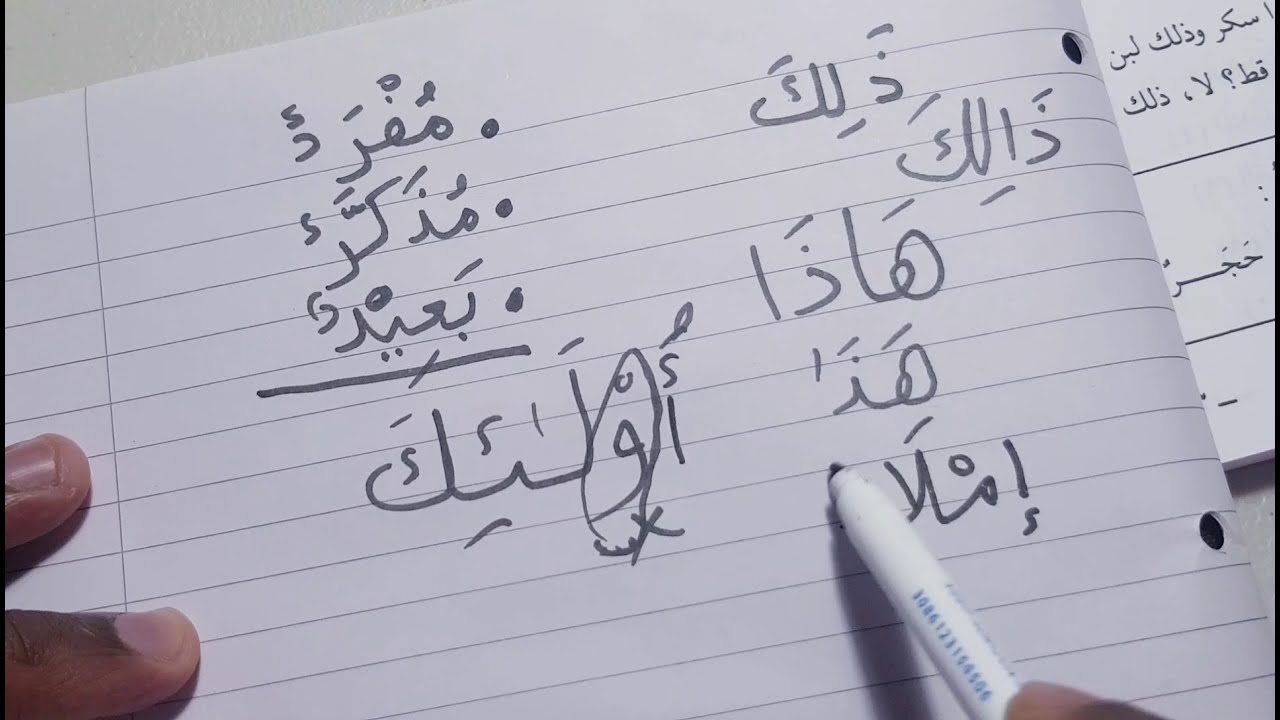
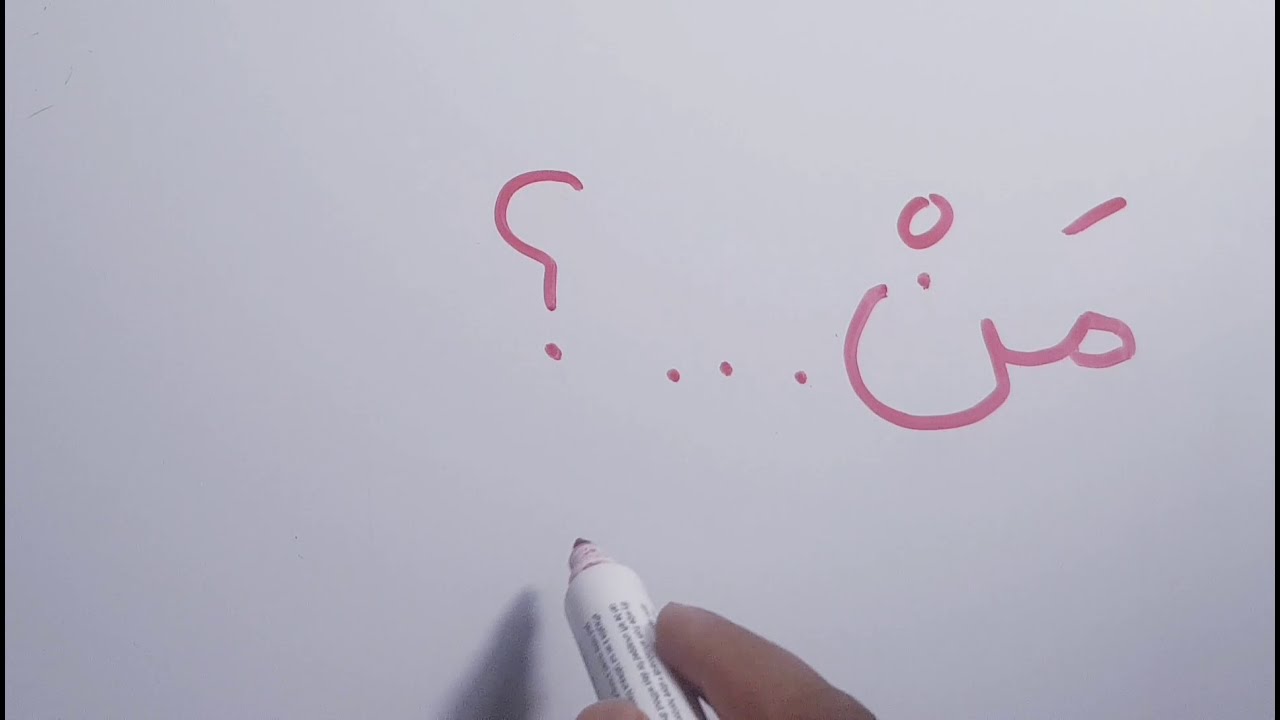
[Music] Lesson IV. The fourth lesson. In the fourth lesson, we're going to learn several new concepts, insha'Allah, within Allah. The first one relates to Hamza. To Rasul Hamdu, this is what we're going to explain, insha'Allah, right now. So, we have two types of Hamzas. The letter Hamza, Hamzatun, is of two types. We have a Hamza which is referred to as Hamzatul Qat' and then the second type of Hamza is referred to as Hamzatul Wasl. It looks like this. It appears like this. You always have this somewhere, and this can either come on top of an Alif, under an Alif, on top of a Waw, on top of a Ya [Music], or on a Nabira like this when it's in the middle. So, it appears like this. It can have [Music] also, and it appears in the beginning, in the middle, and in the end of the word. And whatever the case is, it is always going to be pronounced. You always pronounce this Hamza wherever it appears, whether at the beginning, at the middle, or the end of a word. You always pronounce it with whatever vowel it has on it, so it's always read. The second type of Hamza, Hamzatul Wasl, looks like this. It looks like this. We have this kind of shape on top of it, and it only appears at the beginning of a word, only at the beginning of the word. This one appears in the beginning, in the middle, and at the end. This one only appears at the beginning of a word, never in the middle or the end. This is not always read, whereas this one is always read. You always read it. This is not always read. When do we read this? We read it if we're starting the word. So, if we're starting this word, for example, whatever word it is, we start from here, we read this, and this can have Fatha, Kasra, or Dhamma, and never Sukun. This one can affect Fatha, Dhamma, and Sukun. This one will never have Sukun because it appears at the beginning. So, the beginning will never have Sukun because we can't start a word with the Sukun. So, you have Fatha, Sukun. We'll learn the rules, insha'Allah. When does it have how? When does it have questions as we study this book, insha'Allah? But for now, it can affect Dhamma. So, we only read it if we're starting the word with it. If we're starting the word with it, like Albeito, for example, whereas if we are not starting with it, perhaps there's a letter which precedes it. Wow, oh, it's in the middle of the word. We don't read this. We don't read this. It's as though it's not there, so we skip it. We say why and go to the Lamb. If it Sham See, I will go to the letter after the Lamb and read it with the Shadda Washem See, Washed. Okay, so there's two types of Hamzas. Has this, it looks like the head of Ya. This has this to represent it in writing. Hamza Tul Wasli has this. It looks like Asad, the head of Asad, to represent it. Whether it comes at the beginning, in the middle, or at the end, it's always read. It is only read if you're beginning the word with it. If it's in the middle or you're joining, carrying on, or continuing the sentence, then you don't read it. This is a good example here. Look, Hamza Tul, we don't say Al Wasli. We say Hamza Tul. We skip it because we're not starting with the Samsung, so we don't read it. And the same here, Hamza Hamza. Whereas if I was to read from here, I would say, I would say, okay. The other difference is this can appear at the beginning, in the middle, or the end. This only appears at the beginning. The other difference is this can have Fatha, Kasra, Dhamma, and the Sukun. This only has attackers on them. Okay, type. So, this is rule number one in terms of reading. So, when we read this, we say Al Beitu, but when we read it here, we don't say Albeit. We don't say Albeit. We read this one, but we don't read this one. Why do we read this one? Because we're starting with it. Why don't we read this one? Because we're continuing. So, whenever we continue, the Wasl is dropped. The other thing is Hamza Wasl. Now, this happens to Rasul. It can have Fatha, Dhamma. Whenever the Hamza Wasl is part of Al, the Al that we learned, that Maria, or if it's part of Al, then it's always going to be read with a Fatha. If it's part of this, will always be read with a Fatha. Reading rule number two that we're taking in this lesson is if we have two words, this word starts with a Sukun and this one ends with a Hafmah. We have three of the letters of elongation. We have three of them. The first one is Alif preceded by Fatah, then Waw Sakina preceded by Dhamma, then Ya Sakina preceded by Kasra. With the Alif added, it becomes two counts. So, these are the three of Mud. If the first word ends with a Hafmad, one of these, so let's say ends with this, and then we have, so this fire has a Kasra, so this is a Hafmad. If the first word ends with the Harf Mad and the second one begins with the Sukun, ends with Hafmad, the next one begins with the Sukun. Remember, the Rasul here, it's as though it doesn't exist because it's in the middle, so we're going to skip it. So, we're going from Hafmad to Sukun. The reading rule says if we have a Hafmad or the first word ends with a Hafmad and the second one begins with the Sukun, we eliminate the Hafmad. We don't read the Hafmad. We say Fill Bait, Fill, not Feel A Bit. And the same thing with Allah. This is Allah. This is an Alif. This is the type of Alif. So, we're supposed to stress this. This is two counts. [Music] Remember that represents two things. Whenever you see Shadda, they actually represent two things, and in this case, Fatah. So, here we're going from which is the Alif, and then the next word starts with the Sukun. So, what happens? The rule says we cancel out the Harf for Mud, and we read the letter before the Hafmad, join it to the Sukun. So, we say not Allah, and we're reading it because we're starting with the word. Whereas here, we're going to apply the two rules that we learned. First rule is we're not going to stretch this Harf Mad. We're not going to say the reason why we're not going to say Fee is because it's followed with a Sukun. So, we're going to cancel out the Hafmad, and she's going to say Fill, Fill, Fill. The second rule was the Hamza Wasabi. We didn't read it. We didn't say Albeit. We said Phil. So, we canceled out the Hafmad. Aside from the two reading rules, another thing that we learn in this section is that the endings of nouns are affected due to their position in a sentence as well as things which come before it. So, Albeito ends with a Dhamma. When we added Fee and Allah, when we added Fee and Allah, it caused the Dhamma to change and become a Kasra. Why did they become a Kasra? Because we added Fee and Allah. Sophia and Allah have caused the Dhamma to change into a Kasra. This is also something that we need to take on board in this section here, that there are particles which are added before a noun that cause the noun's ending to change from Dhamma to Kasra. These, they have a name. We call them Harf. It's a particle. Harf means pulling. Literally means pulling. So, it pulls the Dhamma. It pulls the Dhamma. It pulls it down and drags it down and makes it turn into a Kasra. That's literally what Harf Jar means. Pulls and makes it Kasra. So, which vowel is it that goes under the letters? There's only one vowel which is written under the letters, and that is the Kasra. So, Harf Jar pulls the Dhamma and the Fatha if it has a Fatha, and it takes it down to having a Kasra. So, the word that comes after Harf Jar will end with the Kasra. The plural of Harf Jar is the letters of pulling or dragging, literally. So, Allah, Allah, and Fee are, there are around 20 or 21 in total in the Arabic language, in the whole Arabic language. There are around 21 Harf al-Jar, and these Harf al-Jar, they only enter nouns. They can only be found before nouns. Where do we find the Harf al-Jar? We only find them entering upon nouns. So, whatever word comes after them is always going to be a noun. So, we could add this to our list. You remember previously we said that there are signs which indicate that a word is a noun. From those signs, one of them was if it has Al at the beginning, Al, this Al. The other sign was if it has Tanween at the end. If the word has, I think, at the end, then it's a noun. Today, we're adding number...
00:52
Speaker A
letter hamza hamzatun is of two types we have a hamza which is referred to as hamzatul qatar and then the second type of hamza is referred to as hamzatul looks like this it appears like this you always have this
01:39
Speaker A
somewhere and this can either come on top of an alif under an alif on top of a wow on top of a yeah [Music] or on a nabira like this when it's in the middle so it appears like this
01:59
Speaker A
can have [Music] also and it appears in the beginning in the middle and in the end of the word and whatever the case is always going to be pronounced you always pronounce this hamza wherever it appears whether at the beginning at
02:16
Speaker A
the middle or the end of a word you always pronounce it with whatever vowel it has on it so it's always red the second type of hamza hamza wassel looks like this it looks like this we have this kind of
02:30
Speaker A
shape on top of it and it only appears at the beginning of a word only at the beginning of the word this one appears in the beginning in the mid one at the end this one only appears at the beginning
02:42
Speaker A
of a word never in the middle or the end this is not always red whereas this one is always red you always read it this is not always red when do we read this we read it if we're starting the word so
02:58
Speaker A
if we're starting this word for example whatever word it is we start from here we read this and this can have fatha kasra or dhamma and never sukkon this one can affect haqqa sadam and sukhum this one will never have
03:14
Speaker A
sukhon because it appears at the beginning so the beginning we'll never have sukun because we can't start word with the sukun so you have hakas we'll run we'll learn the rules inshallah when does it have how when does it have
03:26
Speaker A
questions as we study this book inshallah but for now it can affect obama so we only read it if we're starting the word with it if we're starting the word with it like albeito for example whereas if we are not starting with it
03:52
Speaker A
perhaps there's a letter which precedes it wow oh it's in the middle of the word we don't read this we don't read this it's as though it's not there so we skip it we say why and go to the lamb if it sham see i
04:05
Speaker A
will go to the the letter after the lamb and read it with the shadda washem see washed okay so there's two types of hamzis has this it looks like the head of yeah this it has this to represent it in writing
04:33
Speaker A
hamza tul wasli has this it looks like assad the head of assad to represent it whether it comes at the beginning in the middle or at the end it's always read is only read if you're beginning the word with it if it's in the middle or
04:52
Speaker A
you're joining uh carrying on or continuing the sentence then you don't read it this is a good example here look hamza to we don't say al wasli we say hamza tul we skip it because we're not starting with the
05:08
Speaker A
samsung so we don't read it and the same here hamza hamza whereas if i was to read from here i would say i would say okay the other difference is this can appear at the beginning in the middle of the
05:24
Speaker A
end this only appears at the beginning the other difference is this can have fatah kasadama and the sukkon this only has attackers on them okay type so this is rule number one in terms of reading so when we read this
05:40
Speaker A
we say al beitu but when we read it here we don't say albeit we don't say albeit we read this one but we don't read this one why do we read this one because we're starting with it why don't we read this one because we're
06:27
Speaker A
continuing so whenever we continue the russell is dropped the other thing is hamza wasn't now this happens to russell it can have fatiha dhamma whenever the hamzu russell is part of al the al that we learned that maria or
06:44
Speaker A
if it's part of al then it's always going to be read with a fatah if it's part of this will always be read with a father reading rule number two that we're taking in this lesson is if we have two words
07:05
Speaker A
this word starts with a sukun and this one ends with a hafmah we have three of the letters of elongation we have three of them the first one is alif preceded by fatah then wow sakina preceded by brahma
07:25
Speaker A
then ya sakina preceded by kasra with the alif added it becomes two counts uh so these are the three of mud if the first word ends with a half mad one of these so let's say ends with this and then we
07:54
Speaker A
have so this fire has a kasra so this is a half mud if the first word ends with the harf mad and the second one begins with the sukkon ends with half mad the next one begins with the sukun remember to russell here
08:16
Speaker A
it's as though it doesn't exist because it's in the middle so we're going to skip it so we're going from half mad to sukun the reading rule says if we have a half mud or the first word ends with a half mad and the second one
08:29
Speaker A
begins with the sukkun we eliminate the half mad we don't read the hatmad we say fill bait fill not feel a bit and the same thing with allah this is allah this is a alif this is the type of alif
08:50
Speaker A
so we're supposed to stress this this is two counts [Music] remember that represents two things whenever you see shad they actually represents two things and in this case fatah so so here we're going from which is the alif
09:21
Speaker A
and then the next word starts with the sukun so what happens the rule says we cancel out the heart for mud and we read the letter before the half moth join it to the sukun so we say not allah
09:48
Speaker A
and we're reading it because we're starting with the word whereas here we're going to apply the two rules that we learned first rule is we're not going to stretch this har format we're not going to say the reason why we're not going to say
10:01
Speaker A
fee is because it's followed with a sukun so we're going to cancel out the half mother and she's going to say fill fill fill the second rule was the hamsa wasabi we didn't read it we didn't say albeit we said phil
10:15
Speaker A
so we canceled out the half aside from the two reading rules another thing that we learn in this section is that the endings of nouns are affected due to their position in a sentence as well as things which come before it
10:54
Speaker A
so albeito ends with a dhamma when we added fee and allah when we added fee and allah it caused the brahma to change and become a kasra why did they become a kasra because we added fee and allah sophia
11:10
Speaker A
and allah have caused the dhamma to change into a kasra this is also something that we need to take on board in this section here that there are there are particles which are added before a noun that caused the noun's
11:29
Speaker A
ending to change from dhamma to kasra these they have a name we call them half it's a particle harmful means pulling literally means pulling so it pulls the dhamma it pulls the dhamma it pulls it down and drags it down and
12:00
Speaker A
makes it turn into a kasra that's literally what harmful jar means pulls and makes it kasara so which which vowel is it that goes under the the the letters there's only one vowel which is written under the letters and that is the kasra
12:17
Speaker A
so har fujar it pulls the dhamma and the father if it has a fatah and it takes it down to having a kasra so the word that comes after her jar will end with the kasura the plural of her full jar is
12:41
Speaker A
the letters of pulling or dragging literally so allah allah and fee are there are around 20 or 21 in total in the arabic language in the whole arabic language they're around 21 horror fuljar and these horror fuljar they only enter nouns they can only be
13:08
Speaker A
found before nouns where do we find the harufuljar we only find them entering upon nouns so whatever word comes after the is always going to be a noun so we could add this to our list you remember previously we said that
13:25
Speaker A
there are signs which indicate that a word is a noun from those signs one of them was if it has al at the beginning al this al the other sign was if it has tenuen at the end if the word has i think at
13:45
Speaker A
the end then it's a noun today we're adding number three if there's a half jar before it preceded if it's preceded by a harmful jar if it's preceded by a harmful jar one of these twenty one particles then we know that
14:08
Speaker A
it is a noun because only come before nouns they don't come before uh verbs and they don't come before particles so we're left with nouns so if it's preceded by hartford then we know that the word after is a noun so
14:25
Speaker A
this is a noun ism and we refer to it as islam why because it's had the effect of the harford applied to it which was to take the bummer down to kasra so the dhamma has been pulled from the
14:51
Speaker A
noun and turned into a kasra so we refer to it as maduro ism whenever we have a half jar it's followed by ism if we have a half jar it's going to be followed by is this is very important for us to
15:13
Speaker A
remember whenever we have a har fujar it's going to be followed by ism and this is going to be major yani ends with the kasra that's what major means it ends with a kasra so here we have harful jar
15:27
Speaker A
then it's followed by islam maduro why because it ends with the kasra al-baitu is not ism why because it doesn't end with the kasra it ends with a dhamma so this is not called this is a different this has a different
15:40
Speaker A
name inside something allah means on on top of something so phil baiti means in the house phil betty in the house fill masjidi in the masjid on the desk on the bed this is the meaning of fee and
16:42
Speaker A
allah fee means in allah means on okay so let's read the next part it says ba the next part is titled means where so you're asking about the location of something madonna where is muhammad this is the sual
17:08
Speaker A
so al means question aina muhammad this is this is a question al-jawab the answer [Music] is a new word it means room in the room he is in the room hua is a pronoun pronoun pronouns in arabic we refer to
17:46
Speaker A
them as a she so we learn two pronouns in this lesson we're going to learn two pronouns in this lesson and what are pronouns pronouns are a type of noun they are type of ism so they fall under the category of
18:40
Speaker A
ism and the reason why we use pronouns is to allow us to refer to something without having to repeat the name so here we don't have to say muhammad this is a short word which is used to replace
18:55
Speaker A
something so that we don't have to repeat it aina muhammad we'll have to repeat this now in the answer we don't have to say muhammadun muhammad muhammad we can just say he he is easier he is in the room
19:14
Speaker A
ends with the kasra because there's a half jar before it so the ism has to be major what is the ism has to be mean it that's what we learned here we should have picked up this concept here harf jar is followed
19:33
Speaker A
by is major so the noun has to have a kasra hua [Music] referring to yasir is in the bathroom hamami is a new word it means bathroom hammam so this is a meme here he is in the bathroom who is in the
20:04
Speaker A
bathroom yes sir referring to yasir and where is [Music] where is the book we don't say ana al-kitab because of the rule that we took here that when the wasa is in the middle we skip it we say
20:56
Speaker A
where is the book here the gender of the book is mudakar the book is mudakar it's masculine we mentioned previously that every noun has a gender whether it's a living being like amina and muhammad they have genders and
21:22
Speaker A
likewise non-living beings non-living objects they also have genders in arabic al-kitab has agenda and its gender is that it's masculine so we refer it we refer to it the same way we refer to a masculine so we use the masculine pronoun hua
21:37
Speaker A
hua but in translation we don't say he would say it anal kitab it referring to something which is masculine it is on the desk it's on the desk it is on the desk we translate it um here to mean it we don't say he
22:11
Speaker A
and where is the watch sarah has several meanings from them is watch it can also mean hour and it can also mean time commissar what is the time where is the watch here here is referring to something which is
22:31
Speaker A
feminine is feminine kitab is masculine is feminine so refer to it the same way would refer to a feminine person the same way we refer to amina here she we say here for sarah but in translation we don't say she aina
22:51
Speaker A
is the word she is on the bed we'd say it so and here if it's referring to things which have no soul non living things we translate it as it for both of them it it it it is on their
23:20
Speaker A
okay so this is what we're learning here we're learning two pronouns the pronouns that we learnt here is and here she and this hua and here in english we can translate it as he or she or it if we're referring to
23:40
Speaker A
things which are have no soul non-living things we translate it as it okay so if we've understood this text here we have to answer the questions this uh questions is going to be homework tamarin tamarino the plural of tamrien exercises
23:59
Speaker A
exercises is part of the twenty one hero fuljar an is also another half jar an is also another okay answer the following questions and these questions are going to be for homework and they are based on what we've read here
24:33
Speaker A
so anal kitab where is the book and you use a pro pronoun to answer it muhammad you use the pronoun to answer it okay let's go through the questions see if there's anything that's that's not being covered okay mother is also something which is
24:56
Speaker A
used to ask questions is a tool that's used to ask questions mother means what mother al-maktab what is on the desk what is on the bed mother means what similar to ma what is it that's on the desk and what
25:18
Speaker A
is it that's on the bed mother what is on the desk and what is on the bed mother okay that's exercise number one homework the second piece of homework says read and write with the correct vowelization of the endings of the
25:36
Speaker A
of the word this is to test you to see if you understood the concept of jar and how it affects the noun after it so here the default is that the noun ends with adama one lama if it has alif lam
25:51
Speaker A
or two dhamma matain if the if it does not have alif lam okay let's explain that so if it has um no alif lam we'd say baton baton if it has alif lam we take off the tenurine and we end with
26:13
Speaker A
one albeit okay what if we added fee to this one that has two lam methane if we add fee to this it will be phi bae the material will change to castrate in between becomes fiben but if it has one dharma
26:40
Speaker A
then we it becomes it becomes bei it changes to one kasra baytun albeitu okay so here we need to remember that concept that we learned the default is that ends with the dhamma fee is going to affect it and change it to
27:15
Speaker A
ti madras filmmaker so this is second homework the third the third piece of homework is to read and write so this is we need to read this and write write it out okay before i set this as homework i'm going
27:40
Speaker A
to read the words that are new the words that are new here is a legend we haven't taken is there any new words okay zainab is the name of a person zainab okay al farsel fossil is classroom al farsellu classroom their
28:13
Speaker A
classroom el fasolu the classroom yes it is a person's name merhab is toilet so we have hammam his bathroom and merhab is toilet the sun and the moon are in the sky okay so those are the new words inshallah
28:47
Speaker A
we're going to stop here so we have three pieces of homework number one number two number three hopefully inshallah today's class was understood we're going to continue next lesson inshallah within la from where we stopped off please revise and
29:02
Speaker A
do the homework foreign
Topics:HamzaHamzatul Qat'Hamzatul WaslArabic grammarMadinah ArabicHarf JarArabic reading rulesQuranic Arabicelongation Mudnoun endings

Frequently Asked Questions

What are the two types of Hamza explained in this lesson?

The lesson explains Hamzatul Qat', which is always pronounced wherever it appears, and Hamzatul Wasl, which is only pronounced at the beginning of a word and skipped when continuing from a previous word.

When is Hamzatul Wasl not pronounced?

Hamzatul Wasl is not pronounced when it appears in the middle or end of a word or when continuing from a previous word in connected speech.

How do particles called Harf Jar affect noun endings?

Harf Jar are particles that cause the vowel ending of a noun to change from Dhamma or Fatha to Kasra, effectively 'pulling' the vowel down, and they only occur before nouns.

Get More with the Söz AI App

Transcribe recordings, audio files, and YouTube videos — with AI summaries, speaker detection, and unlimited transcriptions.

Or transcribe another YouTube video here →