Learn how DNA is transcribed into mRNA and translated into proteins, explaining the genetic code and protein synthesis process.
Key Takeaways
- DNA's genetic code is expressed through transcription and translation to produce proteins.
- RNA polymerase synthesizes mRNA without a primer by reading the DNA template strand.
- Translation uses codons on mRNA to direct amino acid assembly via tRNA in ribosomes.
- Start and stop codons regulate the initiation and termination of protein synthesis.
- Proteins generated from genes determine the structure and function of living organisms.
Summary
- DNA contains genes that code for proteins essential to organism development.
- Transcription is the process where RNA polymerase synthesizes mRNA from a DNA template strand.
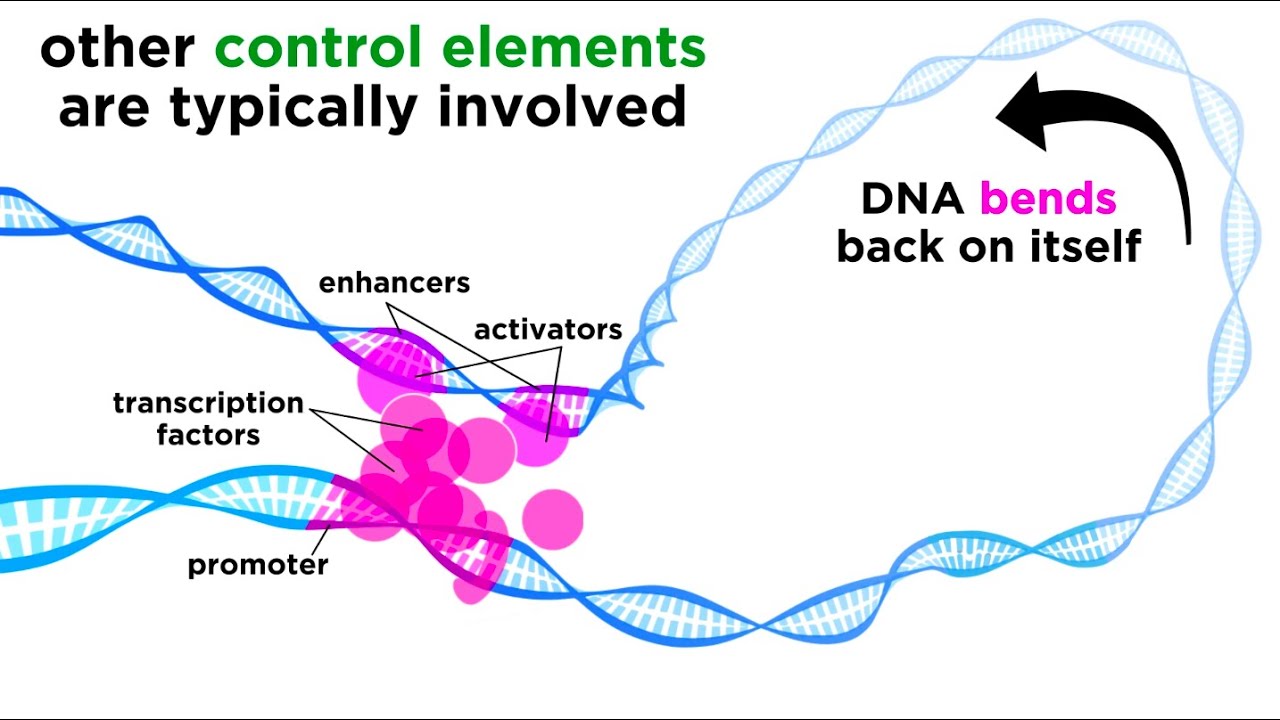
- RNA polymerase binds to the promoter region and synthesizes mRNA in the 5' to 3' direction.
- mRNA undergoes processing before leaving the nucleus to enter the cytoplasm.
- Translation occurs in the ribosome where mRNA codons are read to assemble amino acids into proteins.
- Each mRNA codon corresponds to a specific tRNA anticodon carrying a particular amino acid.
- The start codon AUG signals the beginning of translation and codes for methionine.
- Stop codons terminate translation, releasing the completed polypeptide chain.
- Proteins formed from translation perform various functions in cells and tissues.
- The video explains the two-step process of gene expression: transcription and translation.