Is Shul made for praying or for socialising? Parashat T… — Transcript

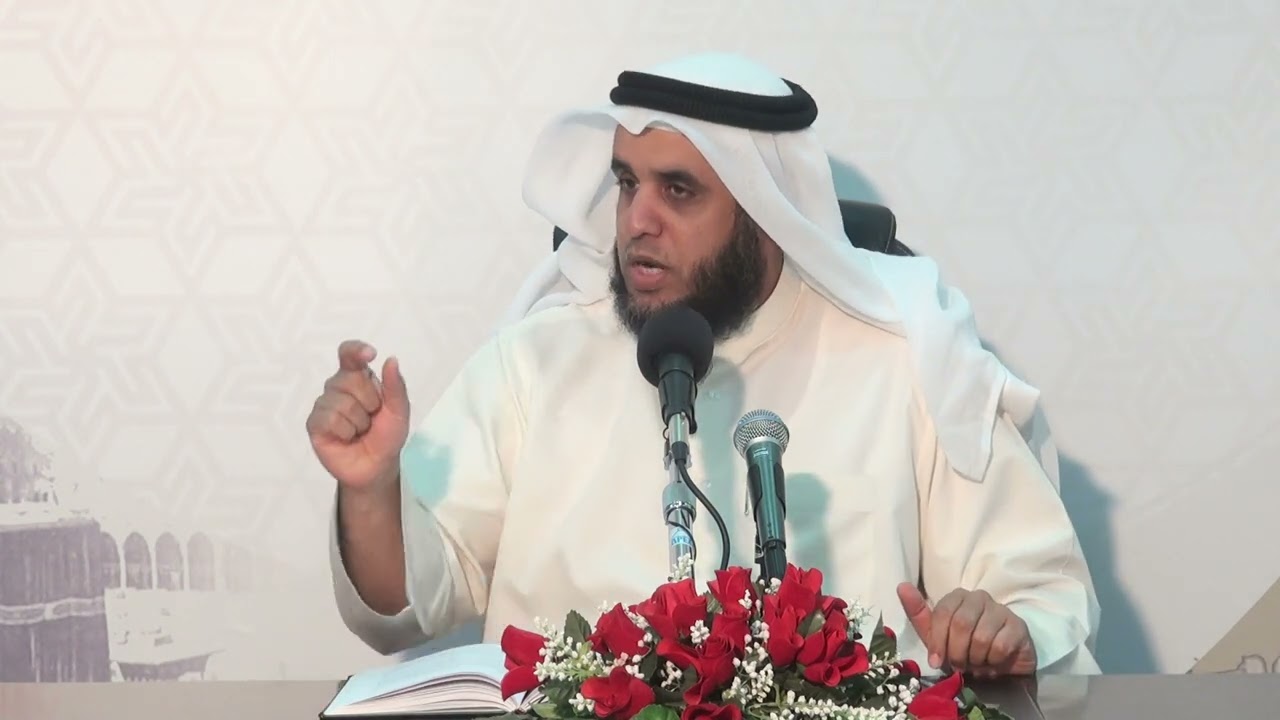
Rabbi Dovid Katz explores the purpose of the Mishkan and synagogues, emphasizing community, love, and socializing alongside prayer.

Key Takeaways

  • The Mishkan represents a home for divine presence through communal love, not just ritual.
  • Synagogues should balance prayer with socializing to build a caring community.
  • Love and unity among people invite God's presence into their midst.
  • Building relationships and sharing life experiences are essential for spiritual growth.
  • Freedom, law, and community together form the foundation of Jewish identity.

Summary

  • The book of Exodus narrates the Jewish people's journey from slavery to nationhood at Mount Sinai.
  • Parashat Terumah details the instructions for building the Mishkan, a divine dwelling in the desert.
  • The Mishkan symbolizes transforming from a law-abiding society into a loving, caring family.
  • God desires a home where His people unite, bond, and celebrate together, not just a place for ritual prayer.
  • Synagogues should be seen as communal homes fostering social interaction, friendship, and mutual care.
  • Socializing during Kiddush and sharing life experiences are vital for building community holiness.
  • True divine presence dwells where love and unity exist among people.
  • The message encourages rethinking synagogue roles beyond prayer to include social and familial bonding.
  • The parasha teaches that laws protect society, but love and unity create a true spiritual home.
  • The video concludes with a blessing for unity and communal harmony.

Full Transcript — Download SRT & Markdown

00:00
Speaker A
The book of Exodus, as its name suggests, describes our people, the Jews leaving Egypt, being freed from slavery and becoming a nation at the foot of Mount Sinai.
00:11
Speaker A
But in this week's parasha, Parashat Truma, we read about the specific itemized instructions for building a Mishkan for Hashem, a house for God in the desert.
00:20
Speaker A
Which begs the question, how does this fit in the narrative of a family of slaves leaving bondage and transforming into a nation of Jews ready to fight for their homeland in Israel?
00:30
Speaker A
The even bigger question is, why? Why did God even need to build a temple for himself? Isn't God everywhere?
00:38
Speaker A
Our rabbis explained that just because a society follows every law, doesn't make it into a community, a caring society.
00:47
Speaker A
It only makes obedient people, so while God gave us laws to obey, he most definitely does not just want law-abiding subjects, he wants his children to love and care for each other, like brothers and sisters, and that is why he commands us to build a home in the desert which we read about in this week's parasha.
01:44
Speaker A
Because after we had become his people at Mount Sinai, he now wants us to become his family.
01:51
Speaker A
A family needs a home in which they can come together, eat together, laugh together, bond into one joint unit together for life, and that's why Hashem wants us to build a temple, which we could use to celebrate holidays together, bring sacrifices, sing songs together, one family forever.
02:09
Speaker A
In other words, God gave us freedom from Egypt, independence at Sinai, and laws to protect us from anarchy, but for God to have a home for his family, a home full with love and a caring community, that he needs us to build.
02:22
Speaker A
I think therefore the message for us today from Parashat Truma is to rethink our attitude towards our synagogues, many think of a synagogue as a place to come and to pray, a place to come and say Kaddish, or request something from God when we need.
02:36
Speaker A
And that's why these people are bothered by kids for example making a noise or people talking in the background, because they come to pray undisturbed, now, while this is definitely true, and we need to ensure the proper sanctity and the spirit of holiness should be felt in our shuls, but this alone does not tell the full story.
03:37
Speaker A
Because what Hashem truly desires and needs us to build is a house where his children unite, where we become one big happy family, where kids come to hang out together, where we become united, a nation that care for each other, and that's why there's such a tremendous value to socializing at the Kiddush, to wishing L'Chaims to each other, giving blessings.
04:08
Speaker A
There's a unique kind of holiness in sharing good news, the tough stuff, the things that are happening in our lives, because this is how friendships are built, this is how community is formed, and when we do just this, then you know what happens? God dwells amongst us, because love between us is the secret ingredient for an infinite God to come and dwell in a finite place, as we say in our prayers, "Barcheinu Avinu Kulanu Ke'echad", bless us Hashem when we are as one, wishing you Shabbat Shalom.
Topics:Parashat TerumahMishkansynagoguecommunityprayersocializingRabbi Dovid KatzChabad West HampsteadJewish unitydivine presence

Frequently Asked Questions

According to the transcript, what is the significance of God commanding the building of a Mishkan (temple) in the desert, given that he is omnipresent?

The rabbis explain that God commanded the building of a Mishkan not because he needs a physical dwelling, but because he wants his people to become a caring community, like a family. This home allows them to come together, bond, and celebrate as one unit, fostering love and care among them.

How does the transcript suggest we should rethink our attitude towards synagogues?

The transcript suggests that while prayer and sanctity are important, synagogues should also be seen as a place for community and family. It's a place where God's children unite, hang out, and become a caring nation, not just a place for individual prayer.

What three things did God give to his people, and what did he need them to build in return?

God gave his people freedom from Egypt, independence at Sinai, and laws to protect them from anarchy. In return, he needed them to build a home for his family, a place full of love and a caring community.

Get More with the Söz AI App

Transcribe recordings, audio files, and YouTube videos — with AI summaries, speaker detection, and unlimited transcriptions.

Or transcribe another YouTube video here →