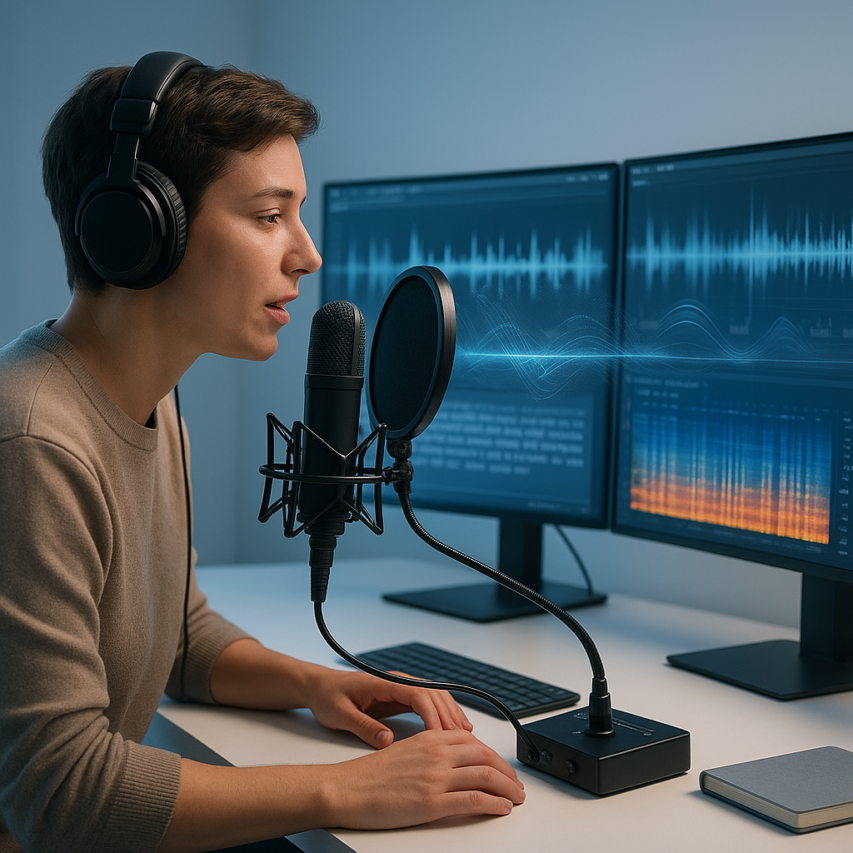
The digital revolution has fundamentally transformed how we interact with information, and at the forefront of this transformation lies voice and text conversion technology. Whether you’re a busy professional dictating notes during a commute, a content creator generating audio from written scripts, or a student converting lecture recordings into searchable text, these powerful tools have become indispensable in our daily workflows. Modern voice to text converter and text to voice converter solutions leverage advanced artificial intelligence to deliver accuracy and efficiency that seemed impossible just a few years ago.
From healthcare professionals documenting patient encounters to journalists transcribing interviews, and from accessibility advocates ensuring content reaches diverse audiences to multinational businesses breaking down language barriers, speech to text converter and voice speech to text converter technologies are reshaping entire industries. The sophistication of today’s text to sound converter capabilities means that the robotic, monotone voices of the past have given way to natural, expressive speech that can convey emotion and nuance.
This comprehensive guide will walk you through everything you need to know about voice and text conversion technologies, from understanding the underlying mechanisms to selecting the right tools for your specific needs, implementing best practices for optimal results, and preparing for the exciting developments on the horizon.
Understanding Voice and Text Conversion Technologies
Voice and text conversion technologies have revolutionized how we interact with digital devices, transforming natural speech into written text and converting written words into lifelike audio. These sophisticated systems rely on advanced artificial intelligence and machine learning algorithms to bridge the gap between human communication and digital processing.
What is Speech-to-Text Conversion
Speech-to-text conversion is the process of automatically transcribing spoken words into written text using computational algorithms. A voice to text converter captures audio input through microphones, processes the sound waves, and generates accurate text output in real-time or through batch processing.
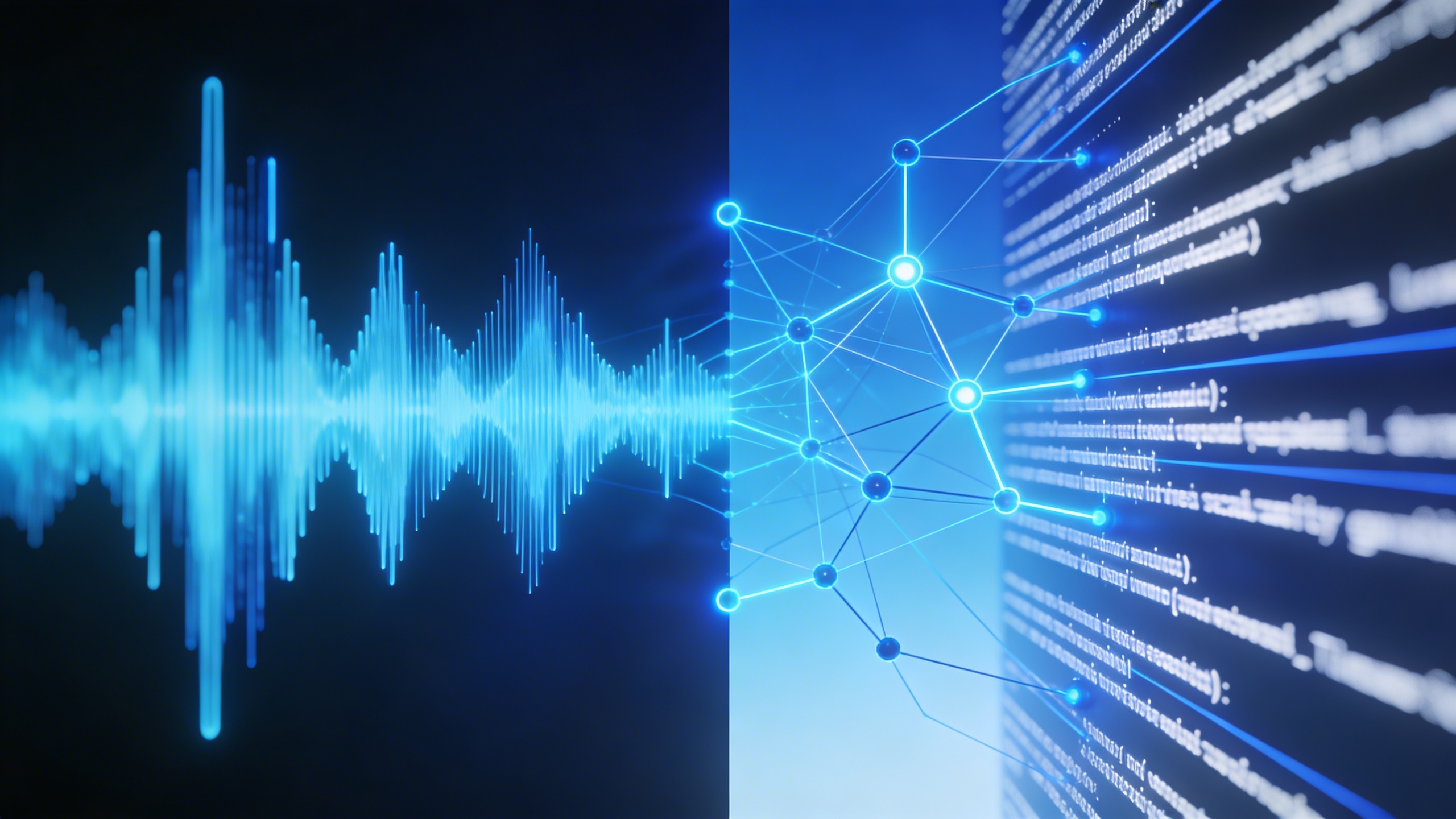
Modern speech to text converter systems operate through several key stages. First, the audio preprocessing stage filters background noise and enhances speech clarity. Next, acoustic modeling analyzes sound patterns and phonemes, while language modeling applies contextual understanding to improve accuracy. Finally, the decoder combines these elements to produce the most probable text sequence.
The effectiveness of any voice speech to text converter depends heavily on training data quality and algorithmic sophistication. Contemporary systems achieve accuracy rates exceeding 95% under optimal conditions, though performance varies based on speaker accent, background noise, and technical vocabulary complexity.
How Text-to-Speech Technology Works
Text-to-speech technology transforms written content into natural-sounding speech through a multi-step process that has evolved significantly with artificial intelligence advances. A text to voice converter first analyzes the input text for linguistic patterns, punctuation, and contextual meaning.
The core process begins with text normalization, where abbreviations, numbers, and special characters are converted into pronounceable formats. Next, phonetic analysis determines the correct pronunciation of each word, considering language rules and exceptions. The prosody generation stage adds natural rhythm, stress, and intonation patterns that make the output sound human-like rather than robotic.
Modern text to sound converter applications utilize neural networks to create remarkably realistic voices. These systems can adjust speaking speed, emotional tone, and even replicate specific voice characteristics. Advanced implementations offer multiple voice options, language support, and customizable parameters for different use cases, from accessibility applications to content creation.
The Science Behind Voice Recognition
Voice recognition technology operates on complex mathematical models that analyze acoustic signals and convert them into meaningful data. The foundation rests on digital signal processing, where continuous audio waves are sampled thousands of times per second and converted into numerical representations that computers can analyze.
Machine learning algorithms, particularly deep neural networks, form the backbone of modern voice recognition systems. These networks are trained on massive datasets containing millions of hours of spoken language, learning to identify patterns between acoustic features and corresponding text. The training process involves feeding the system paired audio and text samples, allowing it to develop sophisticated pattern recognition capabilities.
Real-time processing presents unique challenges compared to batch processing methods. Real-time systems must balance speed and accuracy, making decisions with limited context while maintaining low latency. Batch processing allows for more thorough analysis and higher accuracy by considering entire audio segments and applying bidirectional context analysis.
The accuracy of voice recognition depends on several technical factors. Sampling rate and bit depth affect audio quality, while algorithm complexity influences processing capabilities. Environmental factors such as background noise, speaker distance, and audio equipment quality significantly impact performance. Advanced systems incorporate noise cancellation, automatic gain control, and adaptive filtering to maintain consistent accuracy across varying conditions.
Contemporary voice recognition systems leverage cloud computing resources to access powerful processing capabilities and continuously updated language models. This approach enables smaller devices to perform sophisticated voice conversion tasks while benefiting from ongoing improvements in recognition accuracy and language support.
Types of Voice-to-Text Conversion Tools
The landscape of voice to text converter technologies offers diverse solutions tailored to different needs, environments, and security requirements. Understanding the three primary categories helps users select the most appropriate tool for their specific use cases, whether they prioritize speed, privacy, or advanced features.
Real-Time Speech Recognition Systems
Real-time speech recognition systems process audio input instantaneously, converting spoken words into text with minimal delay. These voice speech to text converter solutions excel in live environments where immediate transcription is essential, such as meetings, interviews, or live broadcasts.
The primary advantage of real-time systems lies in their ability to provide immediate feedback and corrections. Users can see their words appear on screen as they speak, allowing for instant verification and editing. This immediate processing makes them ideal for note-taking during lectures, capturing meeting minutes, or creating content through dictation.
Modern real-time systems achieve impressive accuracy rates, typically ranging from 85% to 95% depending on audio quality, speaker clarity, and background noise levels. However, their performance can fluctuate based on internet connectivity and processing power availability. Professional applications often integrate these systems with collaboration tools, enabling multiple participants to view and edit transcriptions simultaneously.
Offline Voice Conversion Solutions
Offline speech to text converter tools operate independently of internet connections, processing audio locally on the device. This approach addresses critical privacy concerns while ensuring consistent performance regardless of network availability.
Privacy represents the most significant advantage of offline solutions. Since audio data never leaves the device, sensitive conversations, proprietary information, and personal recordings remain completely secure. This makes offline tools particularly valuable for legal professionals, healthcare workers, journalists, and anyone handling confidential information.
The trade-off for enhanced privacy typically involves reduced accuracy compared to cloud-based alternatives. Offline systems rely on locally stored language models, which may be less comprehensive than their cloud counterparts. However, recent advances in edge computing have significantly improved offline accuracy, with some solutions achieving performance levels comparable to online alternatives.
Offline tools also provide consistent performance in environments with poor connectivity, such as remote locations, aircraft, or areas with unreliable internet service. For professionals who frequently work in such conditions, offline voice to text converter capabilities ensure uninterrupted productivity.
Cloud-Based Transcription Platforms
Cloud-based transcription platforms leverage powerful remote servers and sophisticated AI models to deliver the highest accuracy rates and most advanced features. These comprehensive text to voice converter and voice-to-text solutions typically offer the most robust functionality for complex transcription needs.
The accuracy advantage of cloud-based platforms stems from their access to continuously updated language models, vast datasets, and powerful processing capabilities. These systems often achieve accuracy rates exceeding 95% under optimal conditions, with advanced features like speaker identification, punctuation prediction, and technical vocabulary recognition.
Cloud platforms excel in handling multiple languages, dialects, and specialized terminology. They can adapt to different accents, speaking styles, and industry-specific jargon more effectively than offline alternatives. Many platforms also offer customization options, allowing users to train models on specific vocabularies or speaking patterns.
However, cloud-based solutions require careful consideration of data privacy and security policies. Organizations handling sensitive information must evaluate vendor security measures, data retention policies, and compliance certifications before implementation.
For users seeking a balance between advanced features and privacy protection, applications like Sozai offer cloud-powered accuracy with robust security measures, making them suitable for professional transcription needs while maintaining data protection standards.
The choice between these three types ultimately depends on specific requirements: real-time systems for immediate feedback, offline solutions for maximum privacy, and cloud platforms for highest accuracy and advanced features. Many professionals find value in using different types for different scenarios, selecting the most appropriate text to sound converter technology based on the specific context and requirements of each task.
Text-to-Speech Conversion Methods and Applications
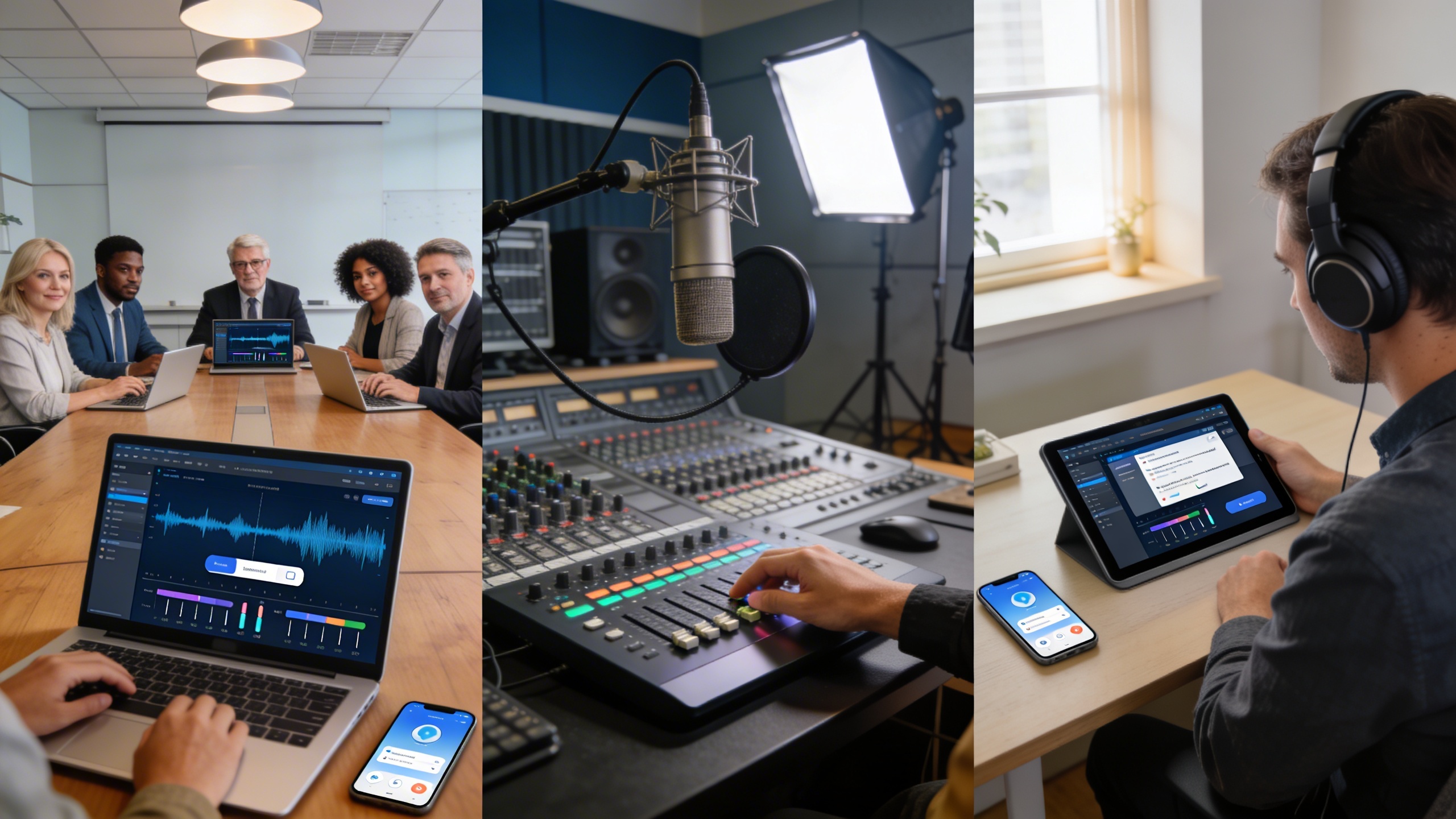
Text-to-speech technology has evolved dramatically from robotic, monotone outputs to sophisticated systems that produce natural-sounding human speech. Modern text to voice converter solutions leverage advanced neural networks and machine learning algorithms to transform written content into expressive, lifelike audio that serves diverse applications across industries and accessibility needs.
Natural Voice Synthesis Technologies
Contemporary voice synthesis relies on deep learning models that analyze vast datasets of human speech patterns, intonation, and emotional nuances. Neural text-to-speech systems create audio by understanding context, punctuation, and sentence structure to produce speech that mirrors natural human communication patterns.
The quality of modern text to sound converter technology depends on several key factors. Prosody modeling ensures proper rhythm, stress, and timing in speech output, while phoneme prediction accurately represents individual sounds within words. Advanced systems also incorporate emotional intelligence, adjusting tone and delivery based on textual context such as exclamation points, question marks, or formal language indicators.
High-quality voice synthesis now achieves near-human naturalness through techniques like WaveNet and Tacotron architectures. These systems analyze spectrograms and waveforms to generate audio that includes subtle breathing patterns, natural pauses, and realistic voice modulation that makes synthetic speech nearly indistinguishable from human recordings.
Voice Customization and Personalization
Modern platforms offer extensive voice customization capabilities that allow users to create unique vocal identities tailored to specific applications. Custom voice creation involves training models on individual speaker recordings, enabling organizations to develop branded voices for customer service, marketing, or educational content.
Voice cloning technology requires as little as 10-30 minutes of recorded speech to generate a synthetic voice that maintains the original speaker’s characteristics. This capability proves invaluable for content creators, businesses seeking consistent brand voice across platforms, and individuals who may lose their natural speaking ability due to medical conditions.
Personalization extends beyond voice timbre to include speaking style, pace, and emphasis patterns. Users can adjust parameters like speech rate, pitch range, and emotional expressiveness to match their content requirements. Professional applications benefit from voices optimized for specific domains, such as medical terminology pronunciation or technical documentation delivery.
Multi-Language Speech Generation
Global communication demands have driven significant advances in multilingual text-to-speech capabilities. Leading text to voice converter systems now support dozens of languages with native-level pronunciation accuracy and cultural appropriateness in speech patterns.
Cross-linguistic voice synthesis presents unique challenges, as each language contains distinct phonetic structures, tonal patterns, and rhythmic elements. Advanced systems maintain separate neural models for each language while preserving consistent voice characteristics across different linguistic outputs.
Accent and dialect support adds another layer of sophistication to multilingual synthesis. Users can select regional variations within languages, such as British versus American English, or Mandarin with Beijing versus Taiwanese pronunciation patterns. This granular control ensures that generated speech resonates appropriately with target audiences across different geographic regions.
Real-time language switching capabilities enable seamless transitions between languages within single documents, particularly valuable for international business communications, educational materials, and accessibility applications serving diverse user populations.
The accessibility applications of text-to-speech technology extend far beyond simple content consumption. Individuals with visual impairments rely on high-quality voice synthesis for document reading, web browsing, and digital communication. People with dyslexia benefit from audio reinforcement of written text, while those recovering from speech-related medical conditions use synthetic voices as communication aids.
Educational institutions leverage text-to-speech for language learning, allowing students to hear proper pronunciation and intonation patterns. Content creators use voice synthesis to produce audiobooks, podcasts, and multimedia presentations without requiring professional voice talent, democratizing audio content production across industries and applications.
Key Features to Look for in Conversion Tools
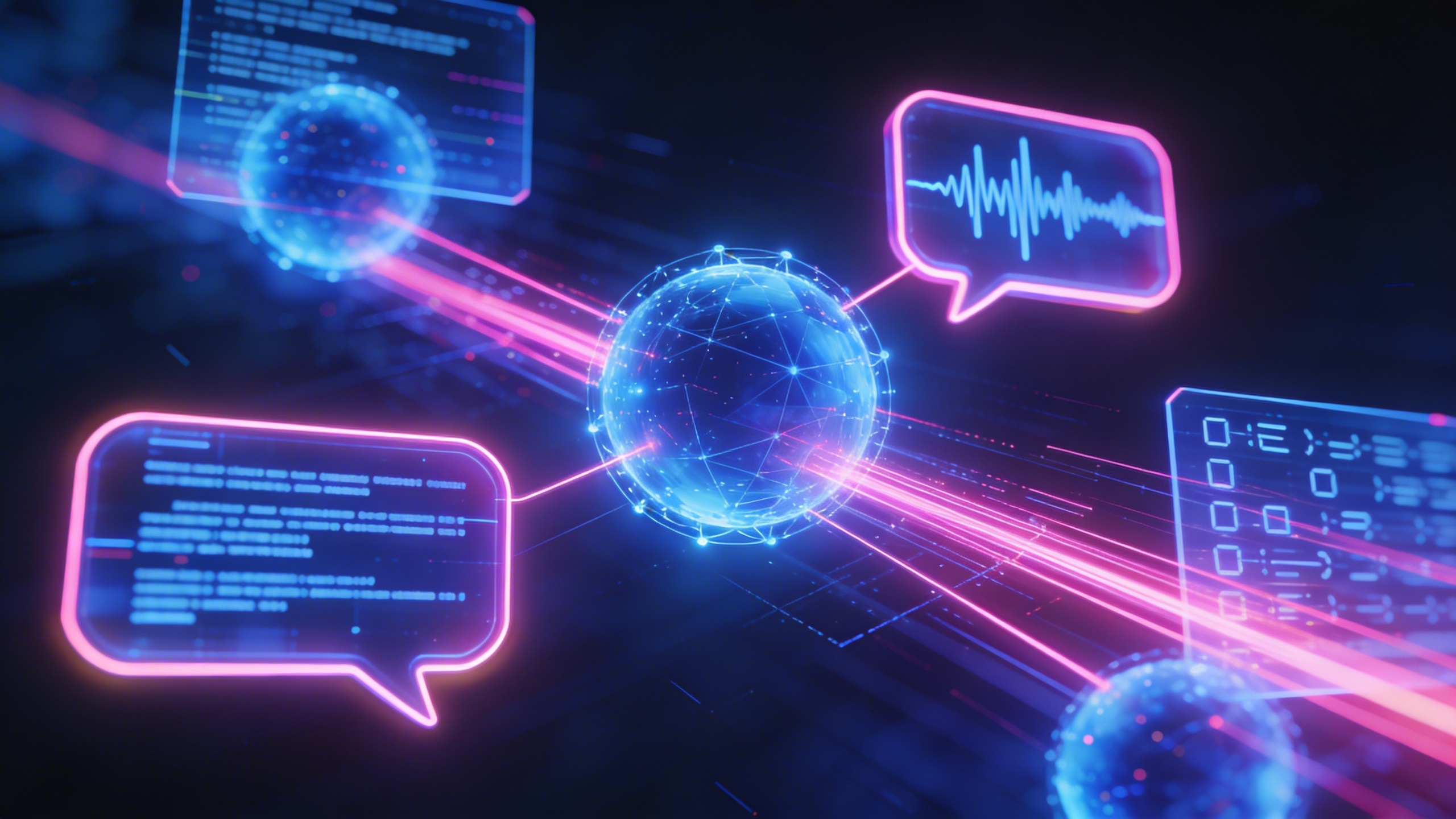
Selecting the right voice to text converter or text to voice converter requires careful evaluation of several critical features. The most effective speech to text converter tools share common characteristics that ensure reliable performance across diverse use cases, from business transcription to accessibility applications.
Accuracy and Language Support
The foundation of any reliable voice speech to text converter lies in its accuracy rates and language capabilities. Professional-grade tools typically achieve accuracy levels between 90-98% under optimal conditions, with performance varying based on audio quality, speaker accent, and background noise levels.
When evaluating accuracy, consider these benchmark factors:
- Word Error Rate (WER) measurements across different audio conditions
- Performance with various accents and speaking styles
- Handling of technical terminology and industry-specific vocabulary
- Real-time processing speed versus batch processing accuracy
Language support extends beyond simple translation capabilities. The best conversion tools offer comprehensive dialect recognition, punctuation insertion, and context-aware formatting. Look for platforms that support your required languages with native-level processing rather than secondary translations.
File format compatibility significantly impacts workflow efficiency. Essential supported formats include MP3, WAV, M4A, FLAC for audio inputs, and TXT, DOCX, PDF, SRT for text outputs. Advanced tools also handle video files (MP4, MOV, AVI) for extracting audio tracks during transcription processes.
Integration Capabilities and APIs
Modern conversion tools must seamlessly integrate with existing workflows and applications. API availability enables custom implementations while pre-built integrations reduce setup complexity for common platforms.
Critical integration features include:
- Cloud storage connections with Google Drive, Dropbox, and OneDrive for automatic file synchronization
- CRM and productivity suite integrations for direct import into Salesforce, Microsoft Office, or Google Workspace
- Webhook support for real-time notifications and automated processing triggers
- Mobile app compatibility ensuring consistent functionality across devices
For developers, comprehensive API documentation and SDKs in multiple programming languages facilitate custom implementations. REST APIs should provide endpoints for both batch processing and streaming conversions, with clear rate limiting and error handling protocols.
Text to sound converter capabilities benefit from similar integration standards, particularly for content management systems and e-learning platforms where automated narration enhances user experience.
Privacy and Security Standards
Data protection measures are non-negotiable when processing sensitive audio or text content. Enterprise-grade conversion tools implement multiple security layers to protect user information throughout the conversion process.
Essential security features include:
| Security Measure | Implementation | Benefit |
|---|---|---|
| End-to-end encryption | AES-256 encryption for data in transit and at rest | Prevents unauthorized access during processing |
| Zero-retention policies | Automatic deletion of processed files after specified timeframes | Minimizes data exposure risks |
| Compliance certifications | GDPR, HIPAA, SOC 2 Type II adherence | Meets regulatory requirements for sensitive industries |
Look for tools that process data locally when possible, reducing cloud dependency for sensitive content. On-device processing capabilities ensure that confidential information never leaves your controlled environment, particularly important for legal, medical, or financial applications.
Audit trails and user access controls provide additional oversight, enabling organizations to track usage patterns and maintain accountability across team members accessing conversion tools.
Professional Use Cases and Industry Applications
Voice and text conversion technologies have revolutionized how professionals work across industries, streamlining workflows and improving accessibility. From corporate boardrooms to content creation studios, these tools transform how we capture, process, and share information.
Business Meeting Transcription
Corporate environments rely heavily on accurate documentation, making a reliable voice to text converter essential for modern business operations. Meeting transcription eliminates the need for dedicated note-takers and ensures complete capture of discussions, decisions, and action items.
Professional transcription services benefit legal firms documenting depositions, healthcare providers recording patient consultations, and financial advisors maintaining compliance records. A high-quality speech to text converter can process multiple speakers, identify different voices, and maintain accuracy even in challenging acoustic environments.
Real-time transcription capabilities allow remote participants to follow conversations more effectively, particularly valuable for international teams dealing with language barriers or audio quality issues. Many organizations integrate transcription tools directly into video conferencing platforms, creating searchable archives of institutional knowledge.
For professionals who frequently conduct interviews or client consultations, tools like Sozai provide reliable transcription capabilities that work seamlessly across devices, ensuring important conversations are never lost due to technical limitations.
Content Creation and Media Production
The media industry has embraced voice and text conversion tools to accelerate content production workflows. Podcast producers use voice speech to text converter technology to generate episode transcripts, improving search engine optimization and accessibility for hearing-impaired audiences.
Video content creators leverage transcription tools for subtitle generation, reducing post-production time significantly. Instead of manually typing captions, creators can automatically generate accurate text from audio tracks, then refine timing and formatting. This process transforms hours of manual work into minutes of automated processing.
Text to voice converter applications serve content creators developing audio versions of written materials. Publishers convert blog posts, articles, and books into audiobooks or podcast episodes, expanding their audience reach without requiring professional voice talent for every project.
Documentary filmmakers and journalists use transcription technology to process interview footage efficiently. Rather than listening to hours of recordings repeatedly, they can search transcribed text for specific quotes, themes, or topics, dramatically reducing editing time.
Social media managers utilize these tools to repurpose content across platforms. A single video can generate transcripts for blog posts, social media captions, and email newsletter content, maximizing the value of each piece of original material.
Accessibility and Assistive Technology
Voice and text conversion technologies serve as crucial accessibility tools, breaking down communication barriers for individuals with disabilities. Text to sound converter applications enable visually impaired users to consume written content through high-quality synthetic speech, providing access to digital information that would otherwise be unavailable.
Educational institutions implement these technologies to support students with learning differences. Students with dyslexia benefit from text-to-speech functionality when reading assignments, while those with physical limitations use voice-to-text tools for completing written work. These accommodations level the playing field, ensuring all students can participate fully in academic activities.
Healthcare settings utilize conversion tools to assist patients with communication challenges. Speech therapy programs incorporate both voice recognition and speech synthesis to help patients practice pronunciation and develop communication skills. Medical professionals use transcription tools to document patient interactions while maintaining eye contact and building rapport.
Corporate accessibility initiatives rely on these technologies to create inclusive workplaces. Employees with hearing impairments benefit from real-time transcription during meetings and presentations, while colleagues with visual impairments use text-to-speech tools to access written communications and documentation.
Customer service departments implement voice and text conversion to improve support accessibility. Automated transcription helps agents document calls accurately, while text-to-speech capabilities enable support for customers who prefer audio communication over written chat interactions.
The integration of artificial intelligence has made these accessibility tools more sophisticated and user-friendly. Modern systems adapt to individual speech patterns, learn specialized vocabulary, and provide customizable output formats that meet specific user needs across diverse professional environments.
Best Practices for Optimal Conversion Results
Achieving professional-quality results with any voice to text converter or text to voice converter requires attention to detail across the entire conversion workflow. Whether you’re transcribing important meetings or creating audio content from written materials, following proven optimization techniques will dramatically improve accuracy and output quality.
Audio Quality Optimization Techniques
The foundation of accurate speech to text conversion starts with superior audio capture. Position your microphone 6-8 inches from your mouth at a slight angle to avoid breathing directly into the capsule. USB condenser microphones consistently outperform built-in laptop microphones for voice speech to text converter applications, reducing background noise and capturing clearer vocal frequencies.
Environmental factors play a crucial role in conversion accuracy. Choose rooms with soft furnishings like carpets, curtains, and upholstered furniture to minimize echo and reverberation. Hard surfaces create acoustic reflections that confuse conversion algorithms, leading to transcription errors. If you’re working in an untreated space, consider using a portable vocal booth or recording shield to isolate your voice from room acoustics.
Monitor your input levels carefully—audio that’s too quiet forces the system to amplify background noise, while overdriven audio creates distortion that degrades recognition accuracy. Aim for consistent levels that peak around -12dB to -6dB, providing adequate headroom while maintaining strong signal clarity.
Speaking Patterns for Better Recognition
Developing consistent speaking habits significantly improves results across different conversion platforms. Maintain a steady speaking pace of approximately 150-160 words per minute—fast enough to sound natural but slow enough for algorithms to process individual words accurately. Rushing through sentences creates word boundary confusion that even advanced systems struggle to resolve.
Articulation matters more than accent neutrality. Focus on clearly pronouncing consonants, especially at word endings where syllables often get dropped in casual speech. When using technical terminology or proper nouns, spell them out initially or speak them with deliberate emphasis to help the system learn your specific vocabulary patterns.
Pause strategically at natural sentence breaks rather than mid-phrase. This gives text to sound converter systems clear segmentation points and reduces run-on sentence errors in your final output. If you need to correct yourself during recording, pause briefly before restating the entire phrase rather than attempting partial corrections.
Post-Processing and Editing Workflows
Effective quality assurance begins with systematic review processes. Read through converted text while listening to the original audio, checking for homophone errors where words sound identical but have different meanings. Common mistakes include “their/there/they’re” substitutions and numeric transcription errors that require manual correction.
Develop standardized formatting protocols for consistent output. Create templates for different document types—meeting notes, interview transcripts, or content drafts—that include proper heading structures, speaker identification, and timestamp placement. This approach streamlines editing and ensures professional presentation across all your converted materials.
For critical documents, implement a two-pass editing system. Complete your initial accuracy review focusing solely on word-level corrections, then perform a second pass for grammar, punctuation, and formatting refinement. This methodical approach catches errors that single-pass editing often misses while maintaining document flow and readability.
Consider batch processing workflows for high-volume conversion projects. Queue multiple audio files for overnight processing, then dedicate focused editing sessions to review and refine the results. This separation of conversion and editing tasks improves both efficiency and attention to detail in your final outputs.
Future Trends in Voice and Text Conversion
The landscape of voice and text conversion technology continues evolving rapidly, driven by breakthrough innovations in artificial intelligence and machine learning. These emerging trends promise to transform how we interact with digital devices and process information across personal and professional environments.
Emerging AI Technologies
Next-generation artificial intelligence models are revolutionizing the accuracy and capabilities of voice to text converter systems. Advanced neural networks now process contextual nuances with unprecedented precision, understanding speaker intent beyond literal transcription. These sophisticated models incorporate real-time sentiment analysis, enabling speech to text converter applications to capture emotional undertones and conversational dynamics.
Large language models are enhancing text to voice converter technology through more natural-sounding synthesis. Modern systems generate speech patterns that mirror human intonation, breathing, and regional accents with remarkable fidelity. The integration of transformer architectures allows voice speech to text converter tools to maintain context across longer conversations, producing more coherent and accurate transcriptions even in complex multi-speaker scenarios.
Multimodal AI systems represent the next frontier, combining visual, auditory, and textual inputs for enhanced understanding. These systems can interpret gestures, facial expressions, and environmental context alongside spoken words, creating more comprehensive communication solutions.
Integration with Smart Devices
The proliferation of Internet of Things devices is creating seamless ecosystems where voice and text conversion operates across multiple touchpoints. Smart home environments now feature distributed microphone arrays that enable continuous, hands-free interaction with text to sound converter technology throughout living spaces.
Wearable devices are becoming sophisticated voice processing hubs, offering discrete transcription capabilities for professional meetings and personal note-taking. Advanced smartwatches and earbuds now feature local processing capabilities, reducing latency and improving privacy by minimizing cloud dependency.
Automotive integration represents a significant growth area, with vehicles incorporating advanced voice recognition systems for navigation, communication, and entertainment control. These systems adapt to individual speaking patterns and preferences, creating personalized driving experiences that prioritize safety through hands-free operation.
Enhanced Personalization Features
Adaptive learning systems are transforming voice and text conversion through continuous improvement based on individual usage patterns. These intelligent platforms learn from correction patterns, vocabulary preferences, and speaking styles to deliver increasingly accurate results over time.
Biometric voice authentication is becoming standard, allowing systems to recognize and adapt to specific users automatically. This personalization extends beyond basic recognition to include custom vocabulary sets, industry-specific terminology, and preferred output formats that streamline workflow integration.
Cross-platform compatibility ensures seamless synchronization across devices and applications. Modern conversion tools maintain user preferences, custom dictionaries, and learning models across smartphones, tablets, computers, and cloud services. This unified approach creates consistent experiences regardless of the device or platform being used.
Privacy-focused personalization represents an emerging trend, with local processing capabilities enabling customized experiences without compromising sensitive information. Edge computing allows devices to maintain personalized models locally while still benefiting from collective improvements in conversion accuracy and feature development.