
In today’s interconnected world, language barriers no longer need to be roadblocks to meaningful communication. Real-time speech translation technology has evolved from science fiction fantasy to everyday reality, enabling travelers, business professionals, and global citizens to speak and translate conversations instantly. Whether you’re ordering coffee in Tokyo, conducting international business meetings, or helping a foreign visitor navigate your city, these innovative tools transform spoken words across languages in seconds.
Modern speaking translator applications leverage advanced artificial intelligence and machine learning to deliver remarkably accurate translations that capture not just words, but context and nuance. From pocket-sized devices to smartphone apps, instant speech translator solutions have become essential tools for breaking down communication barriers in real-time scenarios.
This comprehensive guide explores the landscape of real-time translation technology, comparing top-performing apps and tools while examining crucial factors like accuracy, privacy, and practical applications. You’ll discover how to evaluate speech to text translator capabilities, understand the technology behind seamless real-time translation, and learn which solutions best match your specific communication needs—whether for travel, business, education, or personal use.
What Are Real-Time Speech Translation Tools?
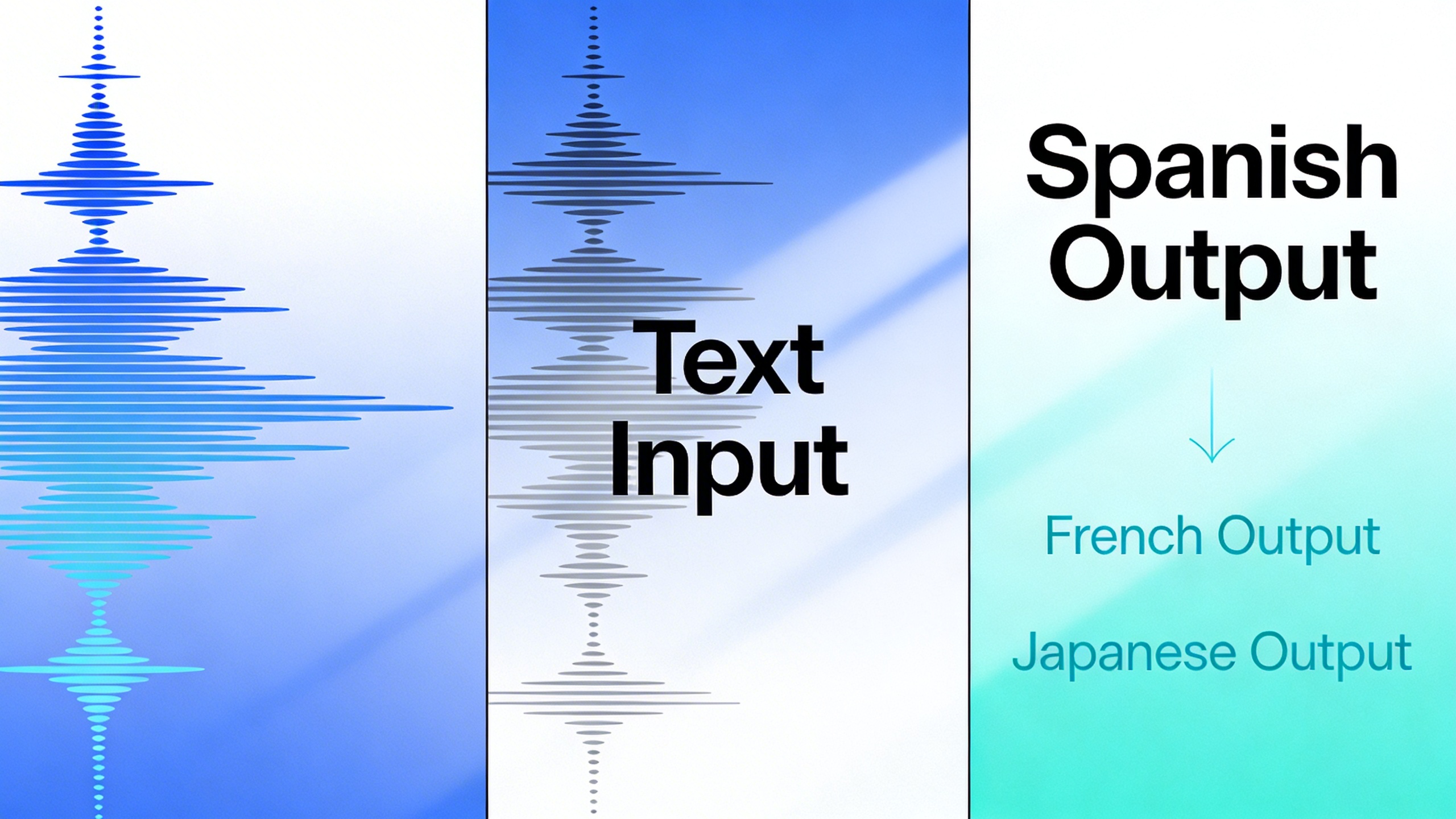
Real-time speech translation tools are sophisticated applications that instantly convert spoken words from one language to another, enabling seamless communication across language barriers. These powerful systems combine advanced speech recognition, machine translation, and text-to-speech synthesis to create a fluid conversational experience that feels almost magical in practice.
When you speak and translate using these tools, the entire process happens in seconds. A speaking translator captures your voice, processes the audio through multiple AI layers, and delivers both written and spoken output in your target language. This technology has revolutionized international business meetings, travel experiences, and cross-cultural communication by eliminating the traditional delays associated with human interpretation.
How Speech Translation Technology Works
Modern instant speech translator systems operate through a sophisticated four-stage pipeline that seamlessly transforms spoken words into translated output. The process begins with audio capture, where high-quality microphones record speech while filtering out background noise and echo. Advanced algorithms then segment the continuous audio stream into manageable chunks for processing.
The second stage involves speech recognition, where AI models convert audio waves into text. Neural networks trained on millions of hours of spoken language identify phonemes, words, and sentence structures with remarkable accuracy. This speech to text translator component must handle various accents, speaking speeds, and vocal characteristics while maintaining real-time performance.
Machine translation forms the third critical stage, where neural translation models convert the recognized text from the source language to the target language. These models understand context, idioms, and cultural nuances rather than simply performing word-for-word substitution. The final stage synthesizes the translated text into natural-sounding speech using text-to-speech technology that matches appropriate intonation and pronunciation patterns.
Key Components of Modern Translation Apps
Contemporary real-time translation applications integrate several essential components to deliver reliable performance. Neural speech recognition engines form the foundation, utilizing deep learning models trained on diverse linguistic datasets. These engines must process multiple languages simultaneously while maintaining low latency for real-time conversations.
Advanced noise cancellation and audio preprocessing ensure clear input quality even in challenging environments like busy restaurants or conference rooms. Many applications also incorporate contextual awareness systems that remember previous conversation segments to improve translation accuracy and maintain coherent dialogue flow.
User interface design plays a crucial role in making these tools accessible during live conversations. The best applications feature intuitive controls, clear visual feedback, and seamless switching between speaking and listening modes. Some tools also integrate with existing communication platforms, allowing users to incorporate real-time translation into video calls or messaging applications.
Accuracy vs Speed Trade-offs
Every real-time translation system faces fundamental trade-offs between processing speed and translation accuracy. Faster response times require simplified models that may miss subtle linguistic nuances, while more accurate translations often introduce noticeable delays that can disrupt natural conversation flow.
Current technology typically achieves 85-95% accuracy for common language pairs like English-Spanish or English-French, with performance varying significantly based on speaking clarity, accent strength, and domain-specific terminology. Technical or specialized conversations often challenge these systems more than casual dialogue due to industry jargon and complex sentence structures.
Processing latency represents another critical limitation, with most systems requiring 2-5 seconds between speech input and translated output. This delay, while brief, can create awkward pauses in natural conversation. Network connectivity also affects performance, as many translation engines rely on cloud-based processing rather than local device computation.
Despite these limitations, real-time translation technology continues advancing rapidly through improved neural architectures and larger training datasets. The gap between human interpretation and automated translation narrows each year, making these tools increasingly viable for professional and personal communication across language barriers.
Top Features to Look for in Speech Translation Apps
Selecting the right real-time translation app can dramatically improve your communication across language barriers. Whether you need an instant speech translator for international business meetings or a reliable speaking translator for travel adventures, understanding the essential features will help you make an informed decision. Modern translation apps vary significantly in their capabilities, and knowing what to prioritize ensures you choose a tool that meets your specific communication needs.
Language Support and Coverage
The foundation of any effective speak and translate application lies in its language coverage. Premium translation apps typically support 50 to 100+ languages, but the quality varies significantly between major languages like English, Spanish, and Mandarin versus less common regional dialects. When evaluating language support, consider both the breadth of available languages and the depth of translation accuracy for your specific language pairs.
Look for apps that offer bidirectional translation capabilities, allowing seamless conversation flow in both directions. Some applications excel at translating from English to other languages but struggle with reverse translations. Additionally, verify that your target languages include proper dialect recognition – for instance, distinguishing between European Portuguese and Brazilian Portuguese, or recognizing regional variations in Arabic or Chinese.
Professional users should prioritize apps that regularly update their language models and add support for emerging languages. The most reliable speaking translator apps maintain partnerships with native speakers and linguistic experts to ensure cultural context and idiomatic expressions are accurately captured, not just literal word-for-word translations.
Offline vs Online Functionality
The choice between offline and online functionality often determines whether your speech to text translator will work when you need it most. Online translation apps typically deliver superior accuracy by leveraging cloud-based AI models and real-time language processing. These applications can access vast databases of linguistic patterns and contextual information, resulting in more nuanced and accurate translations.
However, offline capabilities become crucial in scenarios where internet connectivity is unreliable or unavailable. International travelers frequently encounter areas with poor cellular coverage or expensive roaming charges, making offline translation features essential. The best instant speech translator apps offer downloadable language packs that enable core functionality without internet access, though with some reduction in translation sophistication.
Consider your primary use cases when weighing this feature. Business professionals conducting video conferences benefit from online modes that provide the highest accuracy, while adventure travelers exploring remote destinations require robust offline capabilities. Some premium apps offer a hybrid approach, switching seamlessly between online and offline modes based on connectivity availability.
Audio Quality and Noise Handling
Superior audio processing capabilities separate professional-grade translation apps from basic alternatives. Advanced noise cancellation technology ensures your real-time translation app can function effectively in challenging acoustic environments like busy restaurants, airport terminals, or crowded conference rooms. Look for applications that specifically mention noise reduction algorithms and multi-microphone support for optimal speech recognition.
The most effective speaking translator apps incorporate adaptive audio processing that adjusts to different speaking styles, accents, and volume levels. This feature proves particularly valuable when translating conversations between speakers with varying pronunciation patterns or when dealing with soft-spoken individuals in noisy environments.
Consider apps that offer conversation mode features, enabling hands-free operation where the application automatically detects when different speakers are talking and switches translation directions accordingly. This functionality transforms your device into a natural communication bridge, eliminating the need to manually toggle between languages during dynamic conversations.
Integration capabilities with other applications extend the utility of your chosen translation tool. The best speech to text translator apps connect seamlessly with note-taking applications, allowing you to capture and save important translated conversations for future reference. Some applications integrate with calendar apps, email clients, and messaging platforms, creating a comprehensive communication ecosystem that supports your multilingual interactions across different contexts and workflows.
When evaluating integration features, consider how the translation app fits into your existing digital workflow and whether it supports the platforms and services you use daily for professional and personal communication.
Best Real-Time Speech Translation Apps Compared
The landscape of real-time speech translation has evolved dramatically, offering solutions that cater to diverse needs from casual conversations to enterprise communications. Understanding how different platforms approach instant speech translation helps users make informed decisions based on their specific requirements and use cases.
Enterprise-Grade Translation Solutions
Professional environments demand robust speak and translate capabilities that can handle complex terminology, maintain security standards, and integrate seamlessly with existing workflows. Enterprise solutions typically offer superior accuracy for specialized vocabulary and provide administrative controls that consumer apps lack.
Microsoft Translator stands out in the enterprise space with its comprehensive API integration and support for technical jargon across multiple industries. The platform excels in conference settings where multiple participants need simultaneous translation, offering features like conversation transcription and speaker identification. However, the learning curve can be steep for non-technical users, and premium features require substantial investment.
Google Translate for Business provides exceptional real-time translation accuracy backed by extensive machine learning datasets. Its strength lies in handling conversational speech patterns and colloquialisms that often challenge other platforms. The service integrates well with Google Workspace, making it attractive for organizations already using Google’s ecosystem. The main limitation involves privacy concerns for sensitive business discussions and dependency on internet connectivity.
| Feature | Microsoft Translator | Google Translate Business |
|---|---|---|
| Language Support | 70+ languages | 100+ languages |
| Offline Capability | Limited | Selected languages |
| API Integration | Comprehensive | Extensive |
| Security Features | Enterprise-grade | Standard encryption |
Consumer-Friendly Mobile Apps
Mobile applications focus on user experience and accessibility, making speaking translator technology available to everyday users without technical expertise. These apps prioritize intuitive interfaces and quick setup while maintaining reasonable translation quality for common scenarios.
iTranslate leads the consumer market with its polished interface and reliable performance for casual conversations. The app handles tourist interactions exceptionally well, offering features like camera translation and offline mode for essential phrases. Users appreciate the clean design and straightforward operation, though advanced features require premium subscriptions that can become costly over time.
SayHi Translate appeals to users seeking a balance between functionality and simplicity. The app provides solid instant speech translator capabilities with a focus on natural conversation flow. Its strength lies in maintaining context during extended dialogues, making it suitable for business travelers and international students. The limitation involves occasional accuracy issues with technical terminology and regional dialects.
For users who need comprehensive voice-to-text capabilities alongside translation, solutions like Sozai offer powerful speech to text translator functionality that can complement translation workflows. While primarily focused on transcription, such tools provide valuable support for documenting translated conversations and creating searchable records of multilingual communications.
TripLingo targets travelers specifically, combining translation with cultural insights and local customs information. The app excels in providing context-appropriate translations for different formality levels, helping users navigate social situations effectively. However, the specialized focus means it may lack depth in professional or technical translation scenarios.
Browser-Based Translation Tools
Web-based platforms offer the advantage of universal access without requiring app installations, making them ideal for shared computers and quick translation needs. These tools leverage cloud computing power to deliver sophisticated translation capabilities through standard web browsers.
DeepL Translator has gained recognition for producing more natural-sounding translations, particularly for European languages. The platform’s neural network approach results in translations that better capture nuance and context compared to traditional statistical methods. Users report higher satisfaction with the quality of longer texts and complex sentences. The main drawbacks include limited language support compared to larger competitors and restricted free usage quotas.
Reverso Context distinguishes itself by providing translation examples from real-world usage, helping users understand how phrases function in different contexts. This approach proves valuable for learning proper usage patterns and avoiding literal translations that may sound unnatural. The platform works well for educational purposes and language learning, though real-time conversation support remains limited compared to dedicated speaking translator apps.
Browser extensions from major translation services offer seamless integration with web browsing activities. These tools automatically detect foreign language content and provide instant translation overlays, making international research and communication more accessible. The convenience factor is high, but performance depends heavily on internet connection quality and browser compatibility.
Pricing models across these platforms vary significantly, from freemium approaches with limited daily usage to subscription-based services offering unlimited access. Enterprise solutions typically employ usage-based pricing or annual licensing agreements, while consumer apps often use tiered subscription models with basic features available free and premium capabilities requiring monthly payments ranging from modest fees to substantial investments for professional features.
Use Cases and Applications
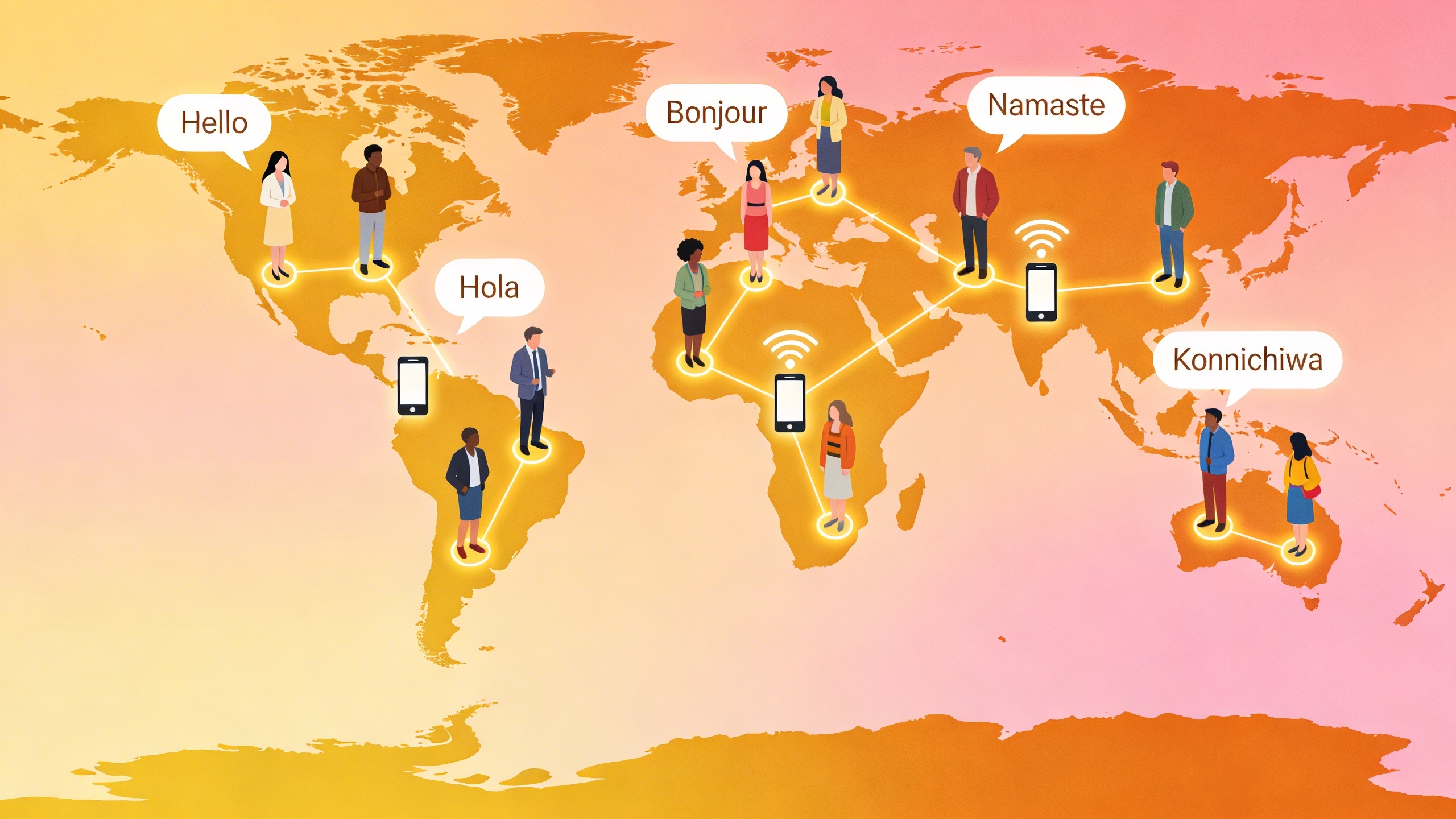
Real-time speech translation technology has revolutionized how we communicate across language barriers, opening up countless possibilities for instant understanding. These tools have found their way into virtually every sector where multilingual communication matters, transforming everything from boardroom negotiations to bedside conversations.
Business and Professional Communication
International business meetings represent one of the most critical applications for real-time translation technology. When executives from different countries need to collaborate on complex projects, a reliable speaking translator can eliminate the delays and potential misunderstandings that come with traditional interpretation services. These tools enable spontaneous discussions, quick decision-making, and more natural relationship building between international partners.
Customer service scenarios have been particularly transformed by instant speech translator capabilities. Support teams can now assist customers who speak different languages without requiring specialized multilingual staff for every interaction. This is especially valuable for e-commerce businesses, hospitality services, and technical support departments where immediate assistance is crucial for customer satisfaction.
Remote work environments have also embraced these technologies, particularly when teams span multiple countries. Video conferences become more inclusive when participants can speak in their native languages while others receive real-time translations, creating a more comfortable and productive working atmosphere.
Travel and Tourism
For travelers, speak and translate applications have become indispensable companions that open doors to authentic cultural experiences. Navigation assistance goes beyond simple directions—travelers can ask locals for recommendations, understand cultural nuances, and engage in meaningful conversations that would have been impossible without language skills.
Restaurant interactions showcase the practical power of these tools. Diners can understand detailed menu descriptions, ask about ingredients for dietary restrictions, and even engage with staff about local culinary traditions. This level of communication transforms dining from a potentially stressful experience into an opportunity for cultural discovery.
Emergency situations highlight the critical importance of instant translation capabilities. Whether dealing with medical issues, legal problems, or transportation difficulties, travelers need immediate understanding when stakes are high and professional interpreters aren’t readily available.
Educational and Learning Environments
Language learning support represents a growing application where speech to text translator functionality proves invaluable. Students can practice conversations with native speakers, receive immediate feedback on pronunciation, and build confidence through real-world interactions. These tools serve as bridges between classroom learning and practical application.
International educational exchanges have been enhanced significantly by real-time translation technology. Students participating in study abroad programs can focus on academic content rather than struggling with language barriers, while still gradually improving their target language skills through natural exposure.
Healthcare communication presents perhaps the most sensitive application area, where accurate understanding can be a matter of life and death. Medical professionals can communicate with patients who speak different languages, ensuring proper symptom description, treatment explanation, and informed consent processes. For professionals who regularly document patient interactions, tools like Sozai can provide accurate transcription services that support both clinical documentation and multilingual communication needs.
Research collaborations between international institutions have also benefited from these technologies, enabling scientists and academics to share findings, discuss methodologies, and collaborate on publications without language constraints limiting their potential partnerships.
Accuracy and Performance Considerations
The effectiveness of any speak and translate application depends heavily on several technical and contextual factors that can significantly impact translation quality. Understanding these limitations helps users set realistic expectations and choose the most suitable speaking translator for their specific needs.
Factors Affecting Translation Quality
Audio quality serves as the foundation for accurate real-time translation. Background noise, poor microphone quality, and distance from the recording device can dramatically reduce the accuracy of speech recognition, which directly affects translation output. Most instant speech translator apps perform optimally in quiet environments with clear, well-articulated speech at moderate speaking speeds.
Network connectivity plays an equally crucial role, as most real-time translation services rely on cloud-based processing. Weak internet connections can cause delays, incomplete translations, or service interruptions. Some premium applications offer offline capabilities for basic language pairs, though these typically provide reduced accuracy compared to their online counterparts.
Speaker volume and clarity significantly impact performance. Users who speak too quickly, mumble, or use excessive filler words often experience degraded translation quality. The optimal approach involves speaking clearly at a natural pace, pausing between sentences, and positioning the device appropriately for sound capture.
Accent and Dialect Recognition
Regional accents and dialects present ongoing challenges for speech to text translator technology. While major platforms have improved their recognition of common accent variations, speakers with strong regional dialects may encounter reduced accuracy rates. Applications trained primarily on standard pronunciation patterns often struggle with colloquialisms, local expressions, and pronunciation variations specific to certain geographic regions.
The training data used by AI models heavily influences accent recognition capabilities. Platforms with diverse datasets typically handle accent variations more effectively than those trained on limited linguistic samples. Users with pronounced accents may benefit from accent adaptation features available in some advanced applications, which learn individual speech patterns over time.
Context and Cultural Nuances
Cultural context preservation remains one of the most complex challenges in real-time translation. Direct word-for-word translations often fail to convey intended meanings, particularly with idiomatic expressions, humor, or culturally specific references. Advanced speaking translator applications increasingly incorporate contextual understanding algorithms that analyze surrounding phrases to provide more nuanced translations.
Technical terminology handling varies significantly across applications. Specialized vocabulary in fields like medicine, law, or engineering requires domain-specific training data that many general-purpose translation tools lack. Professional users may need to supplement real-time translation with specialized dictionaries or terminology databases.
Continuous improvement through AI learning represents a significant advantage of modern translation platforms. Machine learning algorithms analyze user interactions, correction patterns, and feedback to refine translation accuracy over time. This adaptive capability means that frequently used phrases and expressions become more accurately translated with regular use.
Gender-neutral language and formal versus informal speech registers add another layer of complexity. Some languages require different verb forms or pronouns based on the speaker’s relationship to the listener, information that instant speech translator apps must infer from limited context clues.
Users can optimize translation accuracy by speaking in complete sentences, avoiding technical jargon when possible, and providing context through descriptive language. Regular software updates and user feedback contribute to ongoing improvements in translation quality across all supported language pairs.
Privacy and Security in Speech Translation
When selecting a speak and translate solution for your organization or personal use, understanding the privacy and security implications becomes crucial. Voice data contains highly sensitive information, including personal conversations, business discussions, and confidential communications that require robust protection measures.
Data Protection Standards
Modern speaking translator applications implement multiple layers of encryption to safeguard user data. End-to-end encryption ensures that voice recordings remain protected during transmission between your device and translation servers. Leading platforms employ AES-256 encryption standards, the same level of security used by financial institutions and government agencies.
GDPR compliance has become a fundamental requirement for instant speech translator services operating in global markets. Users must have clear visibility into how their voice data is collected, processed, and stored. Reputable translation platforms provide detailed privacy policies explaining data retention periods, user rights for data deletion, and explicit consent mechanisms for voice processing.
Many platforms now offer automatic data deletion features, where voice recordings are permanently removed from servers within 24-48 hours after processing. This approach minimizes long-term privacy risks while maintaining translation quality through temporary data analysis.
On-Device vs Cloud Processing
The choice between local and cloud-based processing significantly impacts both privacy and performance. On-device speech to text translator capabilities eliminate the need to transmit voice data to external servers, providing the highest level of privacy protection. However, this approach typically supports fewer language pairs and may offer reduced accuracy compared to cloud-based alternatives.
Cloud processing enables access to more sophisticated AI models and broader language support, but requires careful consideration of data transmission security. Hybrid approaches are emerging where basic translations occur locally, while complex linguistic processing happens in secure cloud environments with strict data handling protocols.
Enterprise Security Requirements
Organizations implementing real-time translation solutions must address additional security considerations beyond consumer applications. Enterprise-grade platforms typically offer dedicated cloud instances, custom encryption keys, and compliance certifications including SOC 2 Type II and ISO 27001.
Administrative controls become essential for business deployments. IT departments require user access management, audit trails for translation activities, and integration capabilities with existing security infrastructure. Some platforms provide on-premises deployment options for organizations with strict data sovereignty requirements.
Role-based access controls ensure that sensitive translation features remain available only to authorized personnel. Advanced platforms offer session recording controls, allowing administrators to disable voice data storage for specific user groups or conversation types.
For organizations handling confidential information, consider platforms that offer air-gapped processing environments or specialized security certifications for government and healthcare applications. These enhanced security measures ensure that sensitive communications remain protected while maintaining the benefits of instant multilingual communication.
Future Trends and Choosing the Right Tool
Emerging Technologies in Speech Translation
The landscape of real-time translation is rapidly evolving, with artificial intelligence driving unprecedented improvements in accuracy and functionality. Neural machine translation models are becoming more sophisticated, enabling instant speech translator applications to handle complex linguistic nuances, cultural context, and even emotional tone. These advancements promise to make speak and translate experiences feel increasingly natural and conversational.
Edge computing integration represents another significant trend, allowing speaking translator apps to process language data locally on devices rather than relying solely on cloud servers. This development addresses both latency concerns and privacy requirements while maintaining translation quality. Additionally, multimodal translation capabilities are emerging, where apps can simultaneously process speech, text, and visual context to deliver more accurate real-time translation results.
Selection Criteria for Different Users
Choosing the optimal speech to text translator depends heavily on your specific use case and requirements. Business professionals should prioritize tools with robust meeting integration, professional terminology support, and enterprise-grade security features. Educational institutions benefit from platforms offering classroom-friendly interfaces and academic language processing capabilities.
Individual users should evaluate their primary languages, frequency of use, and device preferences. Consider whether you need offline functionality for travel scenarios or if cloud-based processing meets your connectivity requirements. Budget constraints also play a crucial role—while premium solutions offer advanced features, many free alternatives provide excellent basic real-time translation capabilities for casual use.
Technical requirements deserve careful consideration. Some users require API access for custom integrations, while others prefer simple mobile apps with intuitive interfaces. Assess your team’s technical expertise and infrastructure capabilities before committing to complex enterprise solutions.
Integration with Voice Technology Platforms
Modern translation tools increasingly integrate with broader voice technology ecosystems, creating seamless workflows across multiple platforms. Smart speakers, video conferencing systems, and productivity applications now offer built-in translation features that work alongside existing digital workflows.
For users who frequently work with recorded content, consider how translation tools complement transcription services. Platforms like Sozai demonstrate how voice technology integration can streamline workflows by combining accurate transcription with translation capabilities, particularly valuable for international meetings and multilingual content creation.
When evaluating integration capabilities, examine compatibility with your existing software stack. Look for tools that offer webhooks, APIs, or native integrations with popular platforms like Slack, Microsoft Teams, or Google Workspace. This connectivity ensures your instant speech translator becomes part of a cohesive productivity ecosystem rather than an isolated tool.
Cost-benefit analysis should factor in both immediate expenses and long-term scalability. Consider subscription models, usage-based pricing, and potential volume discounts as your translation needs grow. The most effective approach involves testing multiple solutions with real-world scenarios before making final decisions.