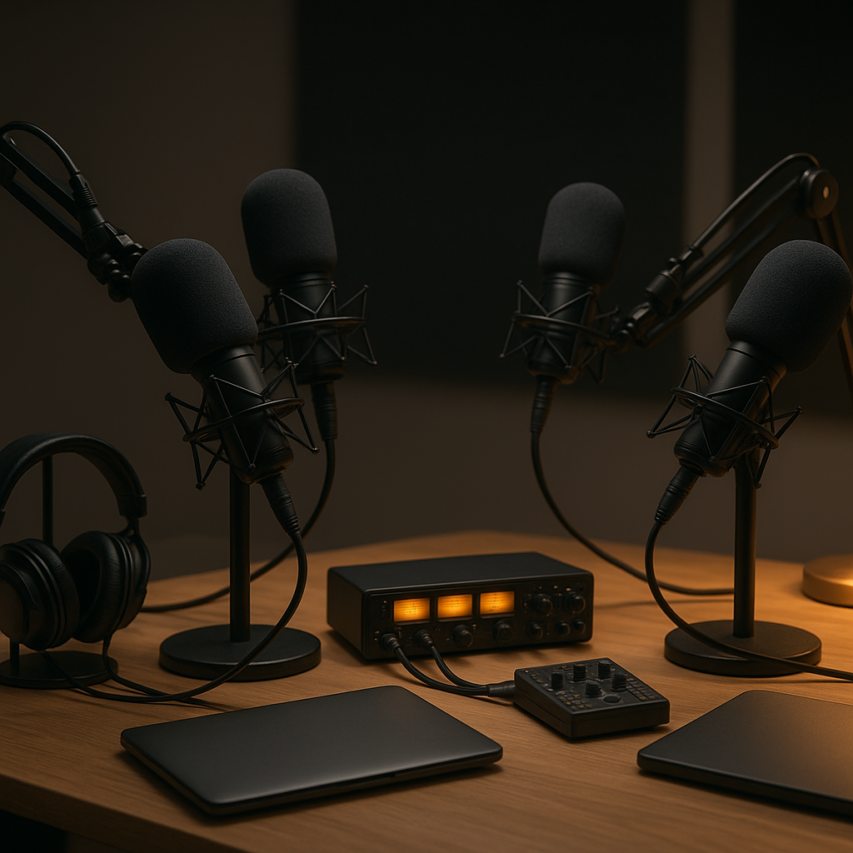
Your podcast microphone can make or break your show’s success. While compelling content forms the foundation of any great podcast, poor audio quality will drive listeners away faster than any other factor. The difference between a professional-sounding podcast and an amateur recording often comes down to one critical decision: choosing the right microphone for your specific setup, environment, and budget.
With hundreds of podcasting mics flooding the market—from budget USB options to professional XLR systems—selecting the perfect microphone feels overwhelming. Should you invest in a rode podcast microphone, or will a more affordable USB podcast microphone deliver the quality you need? The answer depends on your unique circumstances, recording environment, and long-term podcasting goals.
This comprehensive guide cuts through the confusion by breaking down everything you need to know about good podcast microphones. You’ll discover the fundamental differences between microphone types, learn how to match your equipment to your recording space, and gain a practical framework for making confident purchasing decisions. Whether you’re launching your first podcast or upgrading your existing setup, you’ll have the knowledge to choose a microphone that elevates your audio quality and keeps listeners engaged.
Understanding Podcast Microphone Fundamentals
Choosing the right podcast microphone starts with understanding the core technologies that shape audio quality. While the technical specifications might seem overwhelming at first, grasping these fundamentals will help you make informed decisions that dramatically improve your podcast’s sound quality and listener experience.
Dynamic vs Condenser Microphones
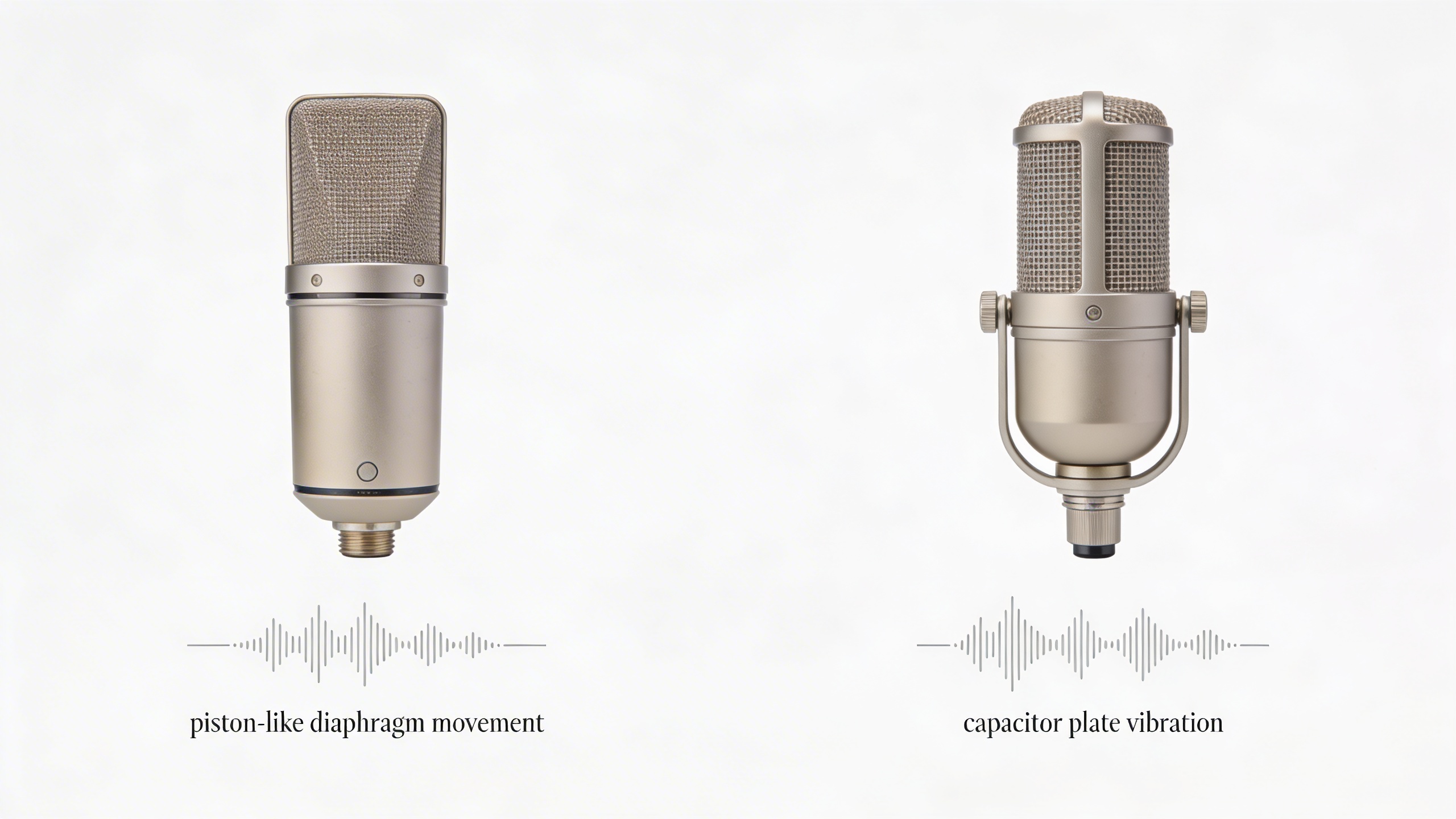
The choice between dynamic and condenser microphones represents one of the most critical decisions for podcast creators. Dynamic microphones work through electromagnetic induction, using a moving coil attached to a diaphragm that generates electrical signals when sound waves hit it. This robust construction makes them exceptionally durable and naturally resistant to background noise.
Condenser microphones operate differently, using a capacitor-based system with a thin diaphragm positioned close to a metal backplate. This design creates superior sensitivity and captures more detailed audio nuances, making them excellent for controlled recording environments. However, this sensitivity becomes a double-edged sword in untreated spaces where they pick up every ambient sound.
For most podcasters, dynamic microphones offer the practical advantage of rejecting room noise and handling variations in speaking distance without dramatic volume changes. Popular models like the Rode PodMic exemplify how modern dynamic designs can deliver broadcast-quality results in typical home recording setups. Condenser microphones shine in professional studios or well-treated spaces where their enhanced detail capture justifies the additional environmental control requirements.
Polar Patterns and Their Impact
The polar pattern defines how a microphone responds to sound from different directions, fundamentally affecting your recording’s isolation and clarity. Cardioid patterns, shaped like a heart when viewed from above, capture sound primarily from the front while rejecting noise from the sides and rear. This directional characteristic makes cardioid microphones ideal for solo podcasting and interview scenarios where you need consistent vocal pickup without room reflections.
Omnidirectional patterns capture sound equally from all directions, which can benefit roundtable discussions but often introduces unwanted ambient noise in less-than-perfect recording environments. Some podcasting mics feature switchable patterns, allowing you to adapt the microphone’s behavior to different recording scenarios without changing equipment.
The practical impact of polar patterns becomes evident when recording in various environments. A cardioid USB podcast microphone will maintain consistent audio quality even if you move slightly during recording, while an omnidirectional pattern requires more precise positioning and environmental control to achieve professional results.
Frequency Response and Audio Quality
Frequency response describes how a microphone reproduces different sound frequencies, typically measured from 20 Hz to 20 kHz to cover the full range of human hearing. However, for podcast applications, the most critical range spans 80 Hz to 15 kHz, where human speech fundamentals and harmonics reside.
Many good podcast microphones feature tailored frequency responses that enhance speech intelligibility. This often includes a subtle boost in the 2-5 kHz range where speech clarity lives, and a gentle roll-off below 100 Hz to minimize low-frequency rumble and handling noise. Some microphones also incorporate a presence peak around 10-12 kHz to add air and brightness to vocal recordings.
The frequency response directly impacts how your voice translates to listeners across different playback systems. A microphone with excessive low-end response might sound boomy on high-quality headphones but muddy on smartphone speakers. Conversely, a microphone with harsh high-frequency response could create listening fatigue during longer episodes.
Understanding these characteristics helps you select microphones that complement your voice and recording environment. Professional podcasters often choose microphones with relatively flat frequency responses in the speech range, allowing for precise control during post-production rather than relying on built-in coloration that cannot be easily corrected later.
These fundamental concepts form the foundation for evaluating any podcast microphone’s suitability for your specific needs and recording conditions.
USB vs XLR: Choosing Your Connection Type
The connection type you choose for your podcast microphone fundamentally shapes your recording setup, budget, and future growth potential. While both USB and XLR microphones can deliver excellent audio quality, they serve different needs and podcast production styles. Understanding these differences helps you select the right foundation for your podcasting journey.
USB Microphones: Plug-and-Play Convenience
USB podcast microphones offer the simplest entry point into professional-quality recording. These mics contain built-in analog-to-digital converters, allowing direct connection to your computer without additional equipment. Popular models like the Rode PodMic USB demonstrate how modern USB microphones can rival traditional XLR setups in sound quality.
The primary advantages of USB microphones include immediate usability and lower initial costs. You can start recording within minutes of unboxing, making them ideal for beginners or content creators who prioritize speed over complexity. Most USB podcast microphones also include headphone monitoring ports, allowing real-time audio feedback without additional hardware.
However, USB connections have limitations that become apparent as your podcast grows. You’re restricted to single-microphone recording in most cases, making guest interviews or co-host scenarios challenging. Additionally, you depend entirely on the microphone’s built-in preamp and converter quality, which varies significantly between models and price points.
XLR Microphones: Professional Flexibility
XLR microphones represent the professional standard for broadcast and recording applications. These mics require an audio interface or mixer but offer superior flexibility and upgrade potential. The separation between microphone and preamp allows you to optimize each component independently, creating a more tailored recording chain.
Professional podcasting setups typically favor XLR connections because they support multiple microphones simultaneously. This capability proves essential for interview-style shows, panel discussions, or any format requiring multiple speakers. XLR systems also provide better noise isolation and signal integrity over longer cable runs.
The investment in XLR podcasting mics extends beyond the microphone itself. You’ll need an audio interface, XLR cables, and potentially a mixer, increasing your initial budget. However, this modular approach means you can upgrade individual components over time rather than replacing entire systems.
When to Choose Each Option
Your choice between USB and XLR should align with your current needs and future ambitions. USB podcast microphones work best for solo creators, remote workers conducting virtual meetings, or podcasters testing the waters before committing to larger investments. They’re particularly valuable when portability matters or when recording in various locations.
XLR microphones suit podcasters planning multi-person shows, those wanting maximum audio control, or creators building long-term professional setups. If you envision your podcast growing beyond solo episodes or requiring consistent studio-quality output, XLR provides the scalability you’ll eventually need.
Budget considerations often drive the initial decision, but think beyond upfront costs. A quality USB microphone might cost $150-300, while an equivalent XLR setup could require $400-600 initially. However, good podcast microphones in XLR format typically maintain their value better and integrate into expanded setups more seamlessly.
Consider your technical comfort level as well. USB microphones minimize technical barriers, while XLR setups require understanding gain staging, phantom power, and signal routing. Both approaches can produce professional results when implemented correctly, making your specific workflow and growth plans the deciding factors.
Top Podcast Microphone Categories and Recommendations
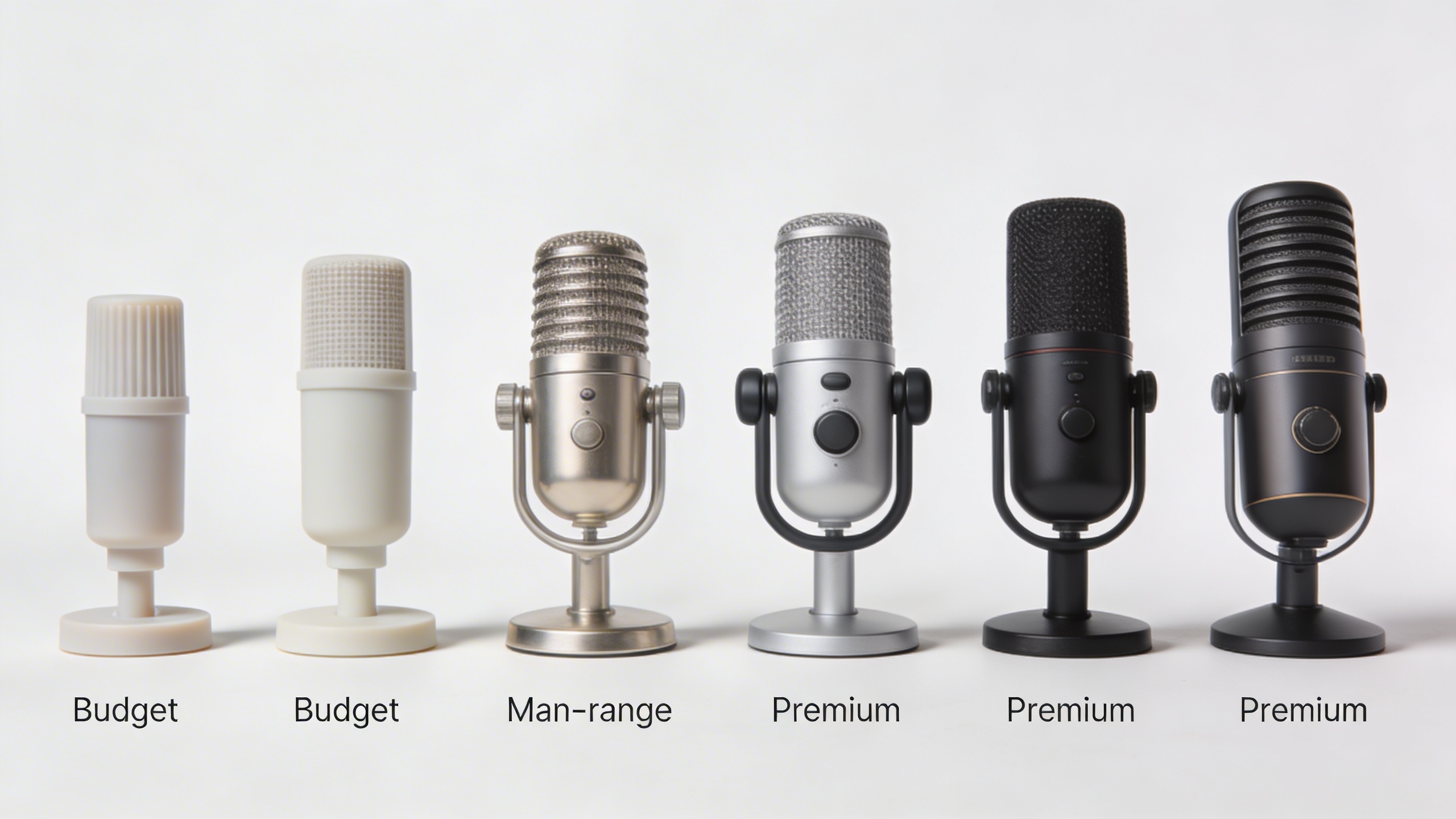
Selecting the right podcast microphone depends heavily on your budget, recording environment, and production goals. The market offers excellent options across every price range, from entry-level USB models that deliver professional results to studio-grade equipment used by major podcast networks. Understanding what each category offers helps you make an informed investment that matches your current needs while providing room to grow.
Budget-Friendly Options Under $100
Entry-level podcasting mics prove that professional audio quality doesn’t require a massive investment. The Audio-Technica ATR2100x-USB stands out as a versatile choice, offering both USB and XLR connectivity in a single unit. This dual-connection capability means you can start with USB simplicity and upgrade to an audio interface later without replacing your microphone.
The Samson Q2U follows a similar philosophy, providing broadcast-quality dynamic performance at an accessible price point. Its cardioid pickup pattern effectively isolates your voice while rejecting background noise, making it ideal for home recording environments that aren’t acoustically treated. The built-in headphone monitoring allows real-time audio checking without additional equipment.
For content creators seeking maximum convenience, the Blue Yeti Nano offers plug-and-play USB connectivity with surprisingly robust audio quality. Its compact design saves desk space while the real-time LED meter provides visual feedback on input levels. The included desktop stand positions the microphone optimally for most recording setups.
These budget options typically feature:
- USB connectivity for immediate computer compatibility
- Built-in headphone monitoring capabilities
- Cardioid pickup patterns for voice isolation
- Durable construction suitable for regular use
- Minimal setup requirements for quick recording sessions
Mid-Range Professional Microphones
The $100-300 range represents the sweet spot for serious podcasters who want professional results without premium pricing. The Rode PodMic has become synonymous with quality podcasting, featuring a broadcast-dynamic capsule specifically designed for spoken word content. Its internal shock mounting reduces handling noise, while the robust build quality ensures years of reliable performance.
Another standout in this category is the Shure SM58, a legendary dynamic microphone that has dominated live performance venues for decades. Its exceptional feedback rejection and consistent frequency response make it equally effective for podcast recording. The SM58’s reputation for durability means many podcasters consider it a lifetime investment.
The Electro-Voice RE20 represents the gold standard for broadcast applications, offering the warm, rich tone heard on countless radio shows and podcasts. Its Variable-D technology minimizes proximity effect, maintaining consistent tone regardless of distance from the microphone. While primarily an XLR microphone, its professional pedigree justifies the investment in a quality audio interface.
Mid-range microphones typically provide:
- Superior dynamic range and frequency response
- Professional-grade construction and components
- Enhanced noise rejection capabilities
- Consistent performance across various recording conditions
- Compatibility with professional audio equipment
Premium Studio-Grade Equipment
High-end podcast microphones cater to professional studios and content creators who demand absolute audio excellence. The Shure SM7B has achieved legendary status among podcasters and radio professionals, delivering the warm, smooth tone heard on major podcast networks. Its sophisticated internal shock isolation and pop filter eliminate mechanical noise and plosives without external accessories.
For podcasters seeking condenser microphone sensitivity with professional features, the Rode Procaster offers dynamic microphone benefits in a broadcast-quality package. Its tight cardioid pattern and low self-noise make it suitable for both treated and untreated recording environments.
The Electro-Voice RE320 combines the classic RE20 heritage with modern enhancements, including improved shock mounting and refined frequency response. Its consistent performance across different voice types makes it a favorite among podcast networks that host multiple speakers.
Premium microphones deliver:
- Exceptional signal-to-noise ratios for pristine recordings
- Advanced internal shock mounting systems
- Refined frequency response curves optimized for voice
- Professional-grade components ensuring long-term reliability
- The audio quality standards expected by discerning listeners
When evaluating good podcast microphones across these categories, consider your current recording environment, technical expertise, and growth plans. A quality usb podcast microphone in the budget category may serve your needs perfectly, while professional studios often justify premium investments through improved workflow efficiency and superior audio quality that enhances listener engagement.
Recording Environment Considerations
Your recording environment plays a crucial role in determining which podcast microphone will deliver the best results for your show. Even the most expensive microphone can sound amateur in a poorly treated space, while a well-chosen mic in an optimized environment can produce broadcast-quality audio on a modest budget.
Home Studio Setup Optimization
When setting up a dedicated home studio, your room’s acoustics should guide your microphone selection. Hard surfaces like bare walls, windows, and wooden floors create reflections that can make your audio sound hollow or echoey. Dynamic microphones excel in these challenging environments because their tight pickup patterns naturally reject room noise and reflections.
For treated home studios with acoustic panels, foam, or heavy curtains, condenser microphones become viable options. These sensitive mics capture rich detail and warmth but require controlled acoustic environments to prevent unwanted room tone from creeping into your recordings. Consider the size of your space as well—larger rooms typically need more directional microphones to maintain audio clarity.
Position your podcast microphone at least three feet away from walls and corners where sound reflections concentrate. If you’re working in a small room, corner placement with proper acoustic treatment behind the microphone can minimize problematic reflections while maintaining intimate vocal presence.
Portable and Travel-Friendly Options
Mobile podcasting presents unique challenges that favor specific microphone characteristics. USB podcast microphone models offer significant advantages for travel recording since they eliminate the need for separate audio interfaces and complex cable setups. Many podcasters rely on compact dynamic mics that can handle varying acoustic conditions without requiring extensive setup time.
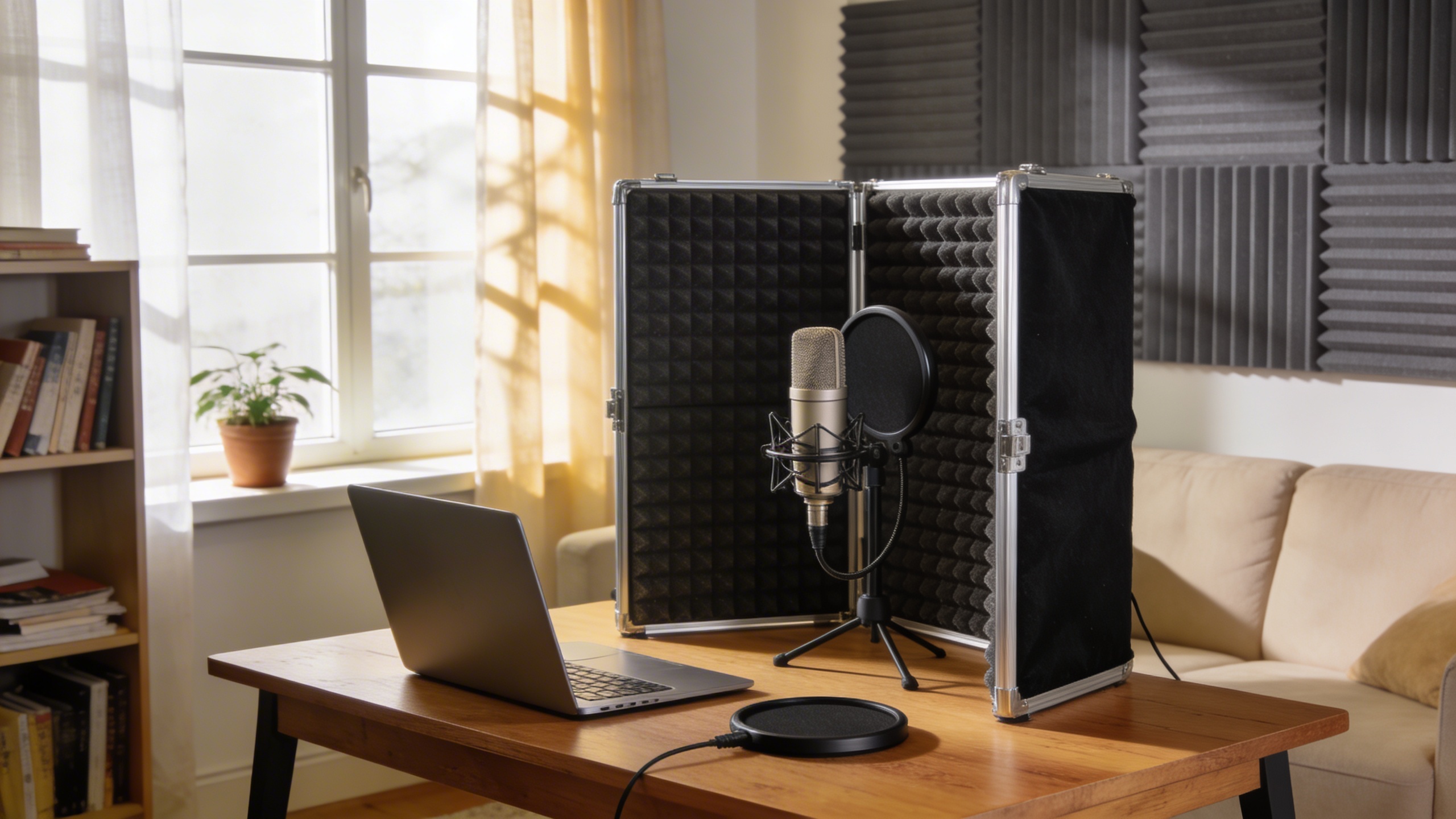
When recording in hotels, coffee shops, or temporary locations, prioritize microphones with excellent background noise rejection. Dynamic mics with supercardioid patterns work exceptionally well for capturing clear vocals while minimizing ambient noise from air conditioning, traffic, or nearby conversations. Some podcasters pack lightweight acoustic shields or portable isolation booths to create consistent recording conditions regardless of location.
Battery-powered recording solutions become essential for truly mobile podcasting. Look for microphones that can operate without phantom power or consider portable recorders with built-in microphones for emergency recording situations.
Noise Rejection and Room Treatment
Understanding your microphone’s noise rejection capabilities helps you work effectively within your space’s limitations. Good podcast microphones feature directional pickup patterns that focus on your voice while rejecting sounds from other directions. This characteristic proves invaluable when recording in less-than-ideal acoustic environments.
For untreated spaces, consider these practical solutions: heavy blankets hung behind your recording position, recording inside a closet full of clothes, or using a reflection filter mounted behind your microphone. These simple treatments can dramatically improve your audio quality without expensive renovations.
HVAC systems present common challenges for podcasting mics. Schedule recording sessions when heating or cooling systems cycle off, or choose microphones with excellent low-frequency rejection to minimize rumble and hum. Some podcasters install quiet exhaust fans or upgrade to variable-speed HVAC systems to maintain comfortable recording conditions while minimizing noise interference.
Remember that consistent recording conditions matter more than perfect acoustics. Listeners adapt to your show’s acoustic signature, but inconsistent audio quality from episode to episode can distract from your content and harm listener retention.
Essential Podcast Equipment Beyond the Microphone
While selecting the right podcast microphone forms the foundation of your audio setup, creating professional-quality recordings requires a complete ecosystem of supporting equipment. Understanding how these components work together ensures your investment in good podcast microphones delivers maximum value and consistent results.
Audio Interfaces and Mixers
If you’ve chosen an XLR podcast microphone over a USB podcast microphone, an audio interface becomes essential for connecting your mic to your computer. Entry-level interfaces like the Focusrite Scarlett Solo provide clean preamps and phantom power for condenser mics, while multi-input models accommodate multiple podcasting mics for interview formats.
Mixers offer real-time control over your audio, allowing you to adjust levels, apply basic EQ, and monitor your sound during recording. Popular options include the Rode PodMic USB (which includes built-in mixing capabilities) and standalone mixers that complement traditional podcast microphone setups. Consider your current needs and future growth when choosing between a simple interface and a full mixer.
Headphones and Monitoring
Quality headphones serve as your primary tool for monitoring audio quality during recording and editing. Closed-back headphones prevent audio bleed into your microphone, while providing accurate sound reproduction for detecting issues in real-time.
Studio monitors or reference speakers complement headphones for editing sessions, offering a different perspective on your audio mix. However, headphones remain crucial during live recording to catch problems before they become permanent parts of your podcast episodes.
Accessories and Support Gear
Several accessories can dramatically improve your recording quality and workflow efficiency. Boom arms position your microphone optimally while reducing handling noise and vibrations. Shock mounts isolate your mic from physical vibrations, while pop filters eliminate plosive sounds that can ruin otherwise perfect takes.
Acoustic treatment doesn’t require expensive studio foam—strategic placement of blankets, curtains, or portable vocal booths can significantly improve your recording environment. Cable management solutions keep your setup organized and prevent accidental disconnections during important recordings.
For podcasters who frequently conduct remote interviews or need to transcribe their episodes, tools like Sozai can streamline the post-production workflow by providing accurate AI-powered transcription services.
Budget allocation typically follows the 50-30-20 rule: 50% for your primary microphone, 30% for interface/mixer and headphones, and 20% for accessories and acoustic treatment. This approach ensures balanced investment across all components while leaving room for future upgrades as your podcast grows.
Remember that the best podcasting setup grows with your needs. Start with essential components and gradually add specialized gear as you identify specific requirements for your unique podcasting style and content format.
Microphone Setup and Optimization Techniques
Even the most expensive podcast microphone won’t deliver professional results without proper setup and optimization. The difference between amateur and professional-sounding audio often comes down to technical execution rather than equipment quality. These proven techniques will help you maximize your microphone’s potential and achieve consistently excellent recordings.
Proper Positioning and Distance
Microphone placement directly impacts your audio quality and listener experience. Position your podcast microphone 6-8 inches from your mouth, maintaining this distance consistently throughout your recording session. This sweet spot captures clear vocals while minimizing room noise and breath sounds.
Keep the microphone slightly off-axis from your mouth—position it at chin level rather than directly in front of your lips. This technique reduces plosive sounds (harsh P and B sounds) without requiring additional equipment. For dynamic microphones like the popular Rode PodMic, you can work closer, around 4-6 inches, due to their directional pickup pattern.
Avoid the common mistake of speaking across the microphone capsule. Instead, speak into the side of the microphone where the manufacturer’s logo typically appears. USB podcast microphone models often include helpful positioning guides or LED indicators to assist with proper placement.
Gain Staging and Input Levels
Proper gain staging ensures clean, distortion-free recordings with optimal signal-to-noise ratio. Set your input levels so your voice peaks between -12dB and -6dB on your recording software’s meters. This range provides sufficient headroom for natural volume variations while maintaining strong signal strength.
Start with conservative gain settings and gradually increase until you achieve proper levels. Most good podcast microphones include built-in headphone monitoring, allowing you to hear exactly what you’re recording in real-time. Use this feature to identify and correct audio issues before they become permanent recording problems.
Monitor your levels continuously during recording sessions. Sudden volume changes often indicate positioning inconsistencies or technical issues that require immediate attention.
Common Setup Mistakes to Avoid
Several recurring mistakes plague podcasters regardless of their microphone choice. Avoid placing podcasting mics too close to computer fans, air conditioning units, or other noise sources. These background sounds become amplified and difficult to remove in post-production.
Never rely solely on automatic gain control features found in many USB podcast microphone models. While convenient, these systems often create inconsistent audio levels and unwanted noise pumping effects. Manual level control provides superior results and professional consistency.
Resist the urge to over-process your audio during recording. Clean, properly recorded source material always produces better final results than heavily processed audio with underlying technical issues.
Making Your Final Decision: A Practical Framework
Selecting the right podcast microphone requires a systematic approach that balances your current needs with future growth potential. This framework helps you navigate the decision-making process with confidence and avoid costly mistakes.
Assessing Your Specific Needs
Begin by evaluating your unique podcasting situation. Solo hosts typically benefit from a USB podcast microphone like the Rode PodMic USB for its simplicity and professional sound quality. Interview-style shows require multiple microphones with consistent polar patterns to capture each speaker clearly. Consider your recording frequency—daily podcasters need durable options that can withstand regular use, while occasional creators might prioritize versatility over ruggedness.
Your technical comfort level significantly influences the best choice. Beginners often find USB connections more intuitive, while experienced creators may prefer XLR systems for their expandability. Document your typical recording scenarios, guest frequency, and mobility requirements to create a clear picture of your priorities.
Budget Planning and Future-Proofing
Effective budget planning extends beyond the initial microphone cost. Factor in necessary accessories like boom arms, shock mounts, and audio interfaces for XLR models. A $200 microphone might require an additional $150 in supporting equipment, while a quality USB option could be ready to use immediately.
Future-proofing involves choosing good podcast microphones that can grow with your show. The Rode Podcast series exemplifies this approach—offering both USB and XLR variants that maintain consistent sound characteristics as you upgrade your setup. Consider whether you’ll eventually want multiple microphones, remote recording capabilities, or professional studio integration.
Testing and Evaluation Process
Before committing to any podcasting mics, establish a testing protocol. Many retailers offer return policies that allow real-world evaluation. Record sample episodes in your actual environment using your typical speaking style and energy levels. Test background noise rejection, proximity effect sensitivity, and handling noise.
Compare recordings side-by-side with reference audio from established podcasts in your genre. Pay attention to vocal clarity, natural tone reproduction, and how the microphone responds to volume variations. This hands-on approach reveals performance characteristics that specifications alone cannot convey, ensuring your final choice delivers the professional results your podcast deserves.