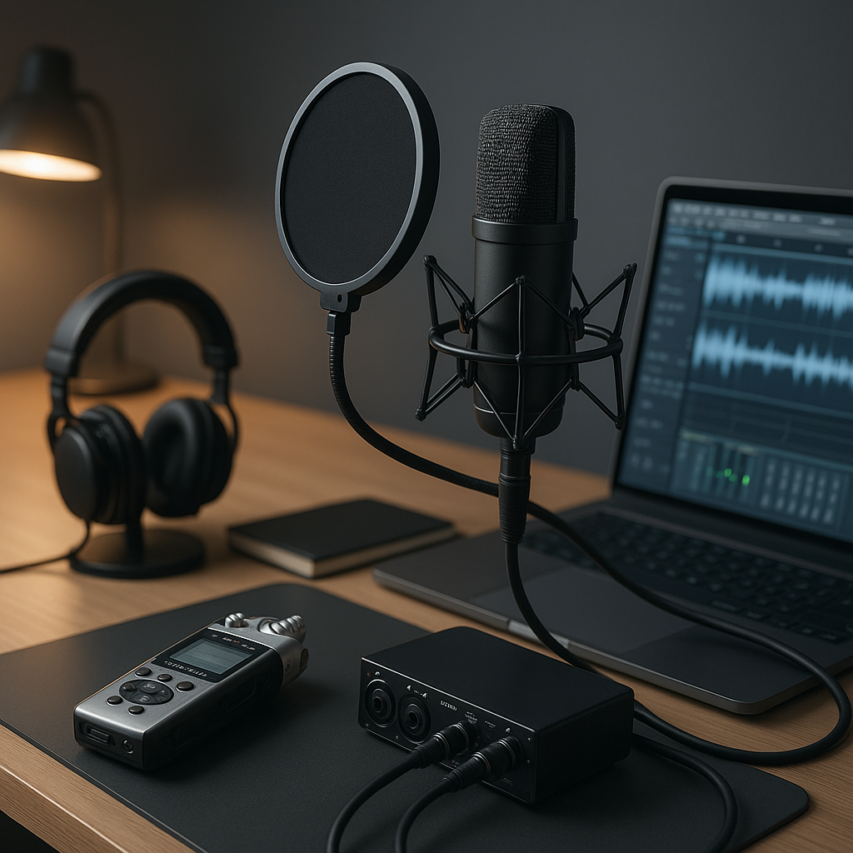
In our increasingly digital world, the ability to capture high-quality audio has become essential for professionals, creators, and everyday users alike. Whether you’re a podcaster seeking crystal-clear recordings, a journalist conducting interviews, a student taking lecture notes, or a business professional documenting meetings, the right audio recorder can dramatically enhance your productivity and creative output. From traditional handheld devices to sophisticated screen and audio recorder software, today’s recording solutions offer unprecedented flexibility and quality.
The landscape of audio recording technology has evolved rapidly, with AI-powered features, cloud integration, and multi-platform compatibility becoming standard expectations rather than premium features. Modern sound recorder options range from budget-friendly smartphone apps to professional-grade equipment that rivals studio setups. Some users even require specialized solutions like hidden audio recorder functionality for discreet documentation needs.
This comprehensive guide examines 15 top-tier audio recording solutions across every category and budget range. We’ll explore cutting-edge technology trends, compare professional and consumer options, analyze AI-enhanced transcription capabilities, and provide practical recommendations to help you select the perfect recording tool for your specific requirements and workflow.
Understanding Audio Recording Technology in 2026
The landscape of audio recording has transformed dramatically over the past decade, with 2026 marking a pivotal year where artificial intelligence, cloud connectivity, and advanced digital processing converge to create unprecedented recording capabilities. Modern audio recorder solutions now offer features that were once exclusive to professional studio equipment, making high-quality recording accessible to everyone from podcasters to corporate professionals.
Digital vs Analog Recording Fundamentals
While analog recording maintains its place in specialized applications, digital audio recording has become the dominant standard due to its versatility and reliability. Digital systems convert sound waves into binary data, allowing for precise manipulation, storage, and transmission without quality degradation. Modern sound recorder devices leverage advanced analog-to-digital converters (ADCs) with sampling rates up to 192 kHz and bit depths of 32-bit, capturing audio with remarkable fidelity.
The key advantage of digital recording lies in its non-destructive editing capabilities and infinite reproduction without quality loss. Unlike analog systems where each copy introduces noise, digital files maintain their original quality regardless of how many times they’re duplicated or processed. This fundamental difference has enabled the development of sophisticated features like real-time noise cancellation, automatic gain control, and intelligent audio enhancement.
Audio Quality Standards and Formats
Understanding audio quality metrics is essential for selecting the right recording solution. Sample rate determines how many times per second the audio is measured, with 44.1 kHz being the standard for most applications and 48 kHz preferred for video production. Bit depth affects dynamic range, with 16-bit suitable for basic recordings and 24-bit recommended for professional work.
Contemporary audio recording formats have evolved beyond traditional MP3 and WAV files. Lossless formats like FLAC and ALAC preserve every detail of the original recording, while advanced codecs such as AAC and Opus provide excellent compression efficiency. Many modern devices now support multiple format recording simultaneously, allowing users to capture both a high-quality master file and a compressed version for immediate sharing.
| Format | Quality | File Size | Best Use Case |
|---|---|---|---|
| WAV/AIFF | Uncompressed | Large | Professional editing |
| FLAC | Lossless | Medium | Archival storage |
| AAC | High quality | Small | Streaming/sharing |
| MP3 | Good quality | Very small | General use |
Cloud Integration and AI-Powered Features
The integration of cloud services and artificial intelligence has revolutionized how we approach audio recording and management. Modern screen and audio recorder applications automatically sync recordings across devices, enabling seamless workflow continuity. Cloud storage eliminates the concern of lost recordings while providing virtually unlimited capacity for extensive audio libraries.
AI-powered features have become standard expectations rather than premium additions. Automatic transcription converts speech to text in real-time, while intelligent noise reduction algorithms distinguish between desired audio and background interference. Smart organization features use machine learning to categorize recordings by content type, speaker identification, and topic classification.
Voice activity detection has become particularly sophisticated, with modern systems capable of distinguishing between different speakers and automatically segmenting recordings based on conversation patterns. This technology proves invaluable for meeting recordings, interviews, and educational content where multiple participants are involved.
Security features have also evolved to meet privacy demands, with end-to-end encryption becoming standard for sensitive recordings. Some applications now offer hidden audio recorder functionality for discrete recording scenarios, while maintaining compliance with legal requirements and ethical guidelines.
The convergence of these technologies means that today’s audio recorder devices and applications offer capabilities that extend far beyond simple sound capture, transforming them into comprehensive content creation and management platforms.
Professional Audio Recorders for Content Creators
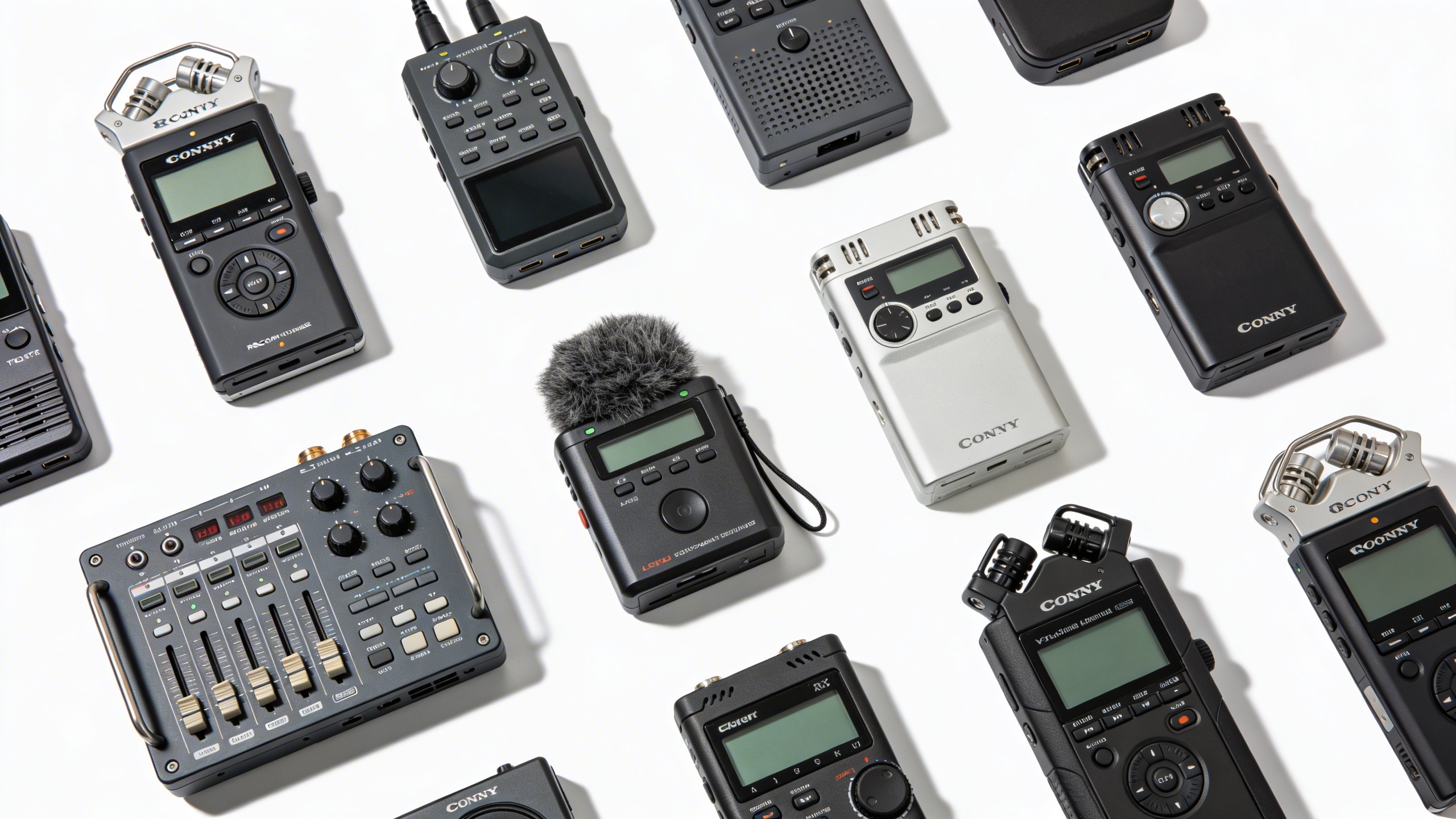
Content creators demand audio recording solutions that deliver professional results without compromising mobility or workflow efficiency. Whether you’re producing podcasts, conducting field interviews, or capturing high-fidelity audio for video content, selecting the right audio recorder becomes crucial for maintaining production standards while meeting tight deadlines and budget constraints.
The modern content creation landscape requires equipment that adapts to diverse recording environments, from controlled studio settings to unpredictable field conditions. Professional audio recorders designed for content creators must balance exceptional sound quality with practical features like extended battery life, intuitive controls, and seamless file management systems.
Broadcast-Quality Portable Recorders
Broadcast-quality portable recorders represent the pinnacle of mobile audio recording technology, offering studio-grade performance in compact, field-ready packages. These devices typically feature professional XLR inputs, phantom power capabilities, and advanced preamp circuitry that rivals dedicated studio equipment.
The Zoom F6 and Sound Devices MixPre series exemplify this category, providing 32-bit float recording that eliminates the possibility of clipping while maintaining exceptional dynamic range. These units support multiple input configurations, allowing content creators to capture everything from single-voice narrations to complex multi-microphone setups with broadcast-standard clarity.
Key features that distinguish broadcast-quality portable units include timecode synchronization for video production, advanced limiting and filtering options, and robust metadata tagging systems. Many models offer dual-card recording for redundancy, ensuring critical content remains protected during important recording sessions.
Battery performance becomes particularly important for field recording, with top-tier models offering 10-15 hours of continuous operation. Professional sound recorder units in this category often include external battery options and USB-C power delivery for extended recording sessions.
Multi-Track Recording Solutions
Multi-track recording capabilities enable content creators to capture complex audio scenarios with precision and flexibility. These advanced audio recording systems allow simultaneous capture of multiple sources while maintaining individual control over each channel during post-production.
Professional multi-track recorders typically offer 4-8 channels of simultaneous recording, with some flagship models supporting up to 16 channels. This capability proves invaluable for podcast creators conducting panel discussions, musicians recording live performances, or documentary filmmakers capturing ambient sound alongside dialogue.
The workflow advantages of multi-track recording extend beyond capture to post-production efficiency. Content creators can isolate individual speakers, apply targeted processing to specific channels, and create professional mixes without the limitations of single-track recordings. Advanced models include built-in mixing capabilities, allowing real-time monitoring and basic processing during recording sessions.
File management becomes critical with multi-track systems, as projects can generate substantial amounts of data. Professional units offer flexible file naming conventions, automatic folder organization, and compatibility with major digital audio workstations for seamless project transfer.
Podcast and Interview Specialists
Podcast-specific audio recorders prioritize ease of use, reliable performance, and features tailored to conversational content. These devices often include automatic gain control, noise reduction algorithms, and simplified interfaces that allow creators to focus on content rather than technical operation.
Many podcast-oriented recorders feature built-in processing that applies broadcast-standard EQ and compression in real-time, reducing post-production requirements. Some models include automatic backup recording at lower levels, providing insurance against technical failures during critical interviews.
For remote interviews and distributed recording scenarios, modern podcast recorders often include smartphone integration and cloud connectivity features. These capabilities enable content creators to coordinate recordings across multiple locations while maintaining consistent audio quality standards.
Interview-specific features include discrete recording modes for sensitive conversations, where a hidden audio recorder function operates without obvious visual indicators. Professional models also offer marker systems for noting important moments during long-form conversations, streamlining the editing process.
Investment considerations for podcast creators should balance current needs with growth potential. Entry-level professional units start around $200-400, while broadcast-quality systems can exceed $1,000. The key lies in selecting equipment that supports your current production scale while offering expansion capabilities as your content creation demands evolve.
For creators who frequently work with transcription workflows, choosing an audio recorder with clear file organization and high-quality output ensures compatibility with transcription services and voice-to-text applications, streamlining the entire content production pipeline from recording to final delivery.
Screen and Audio Recording Software Solutions
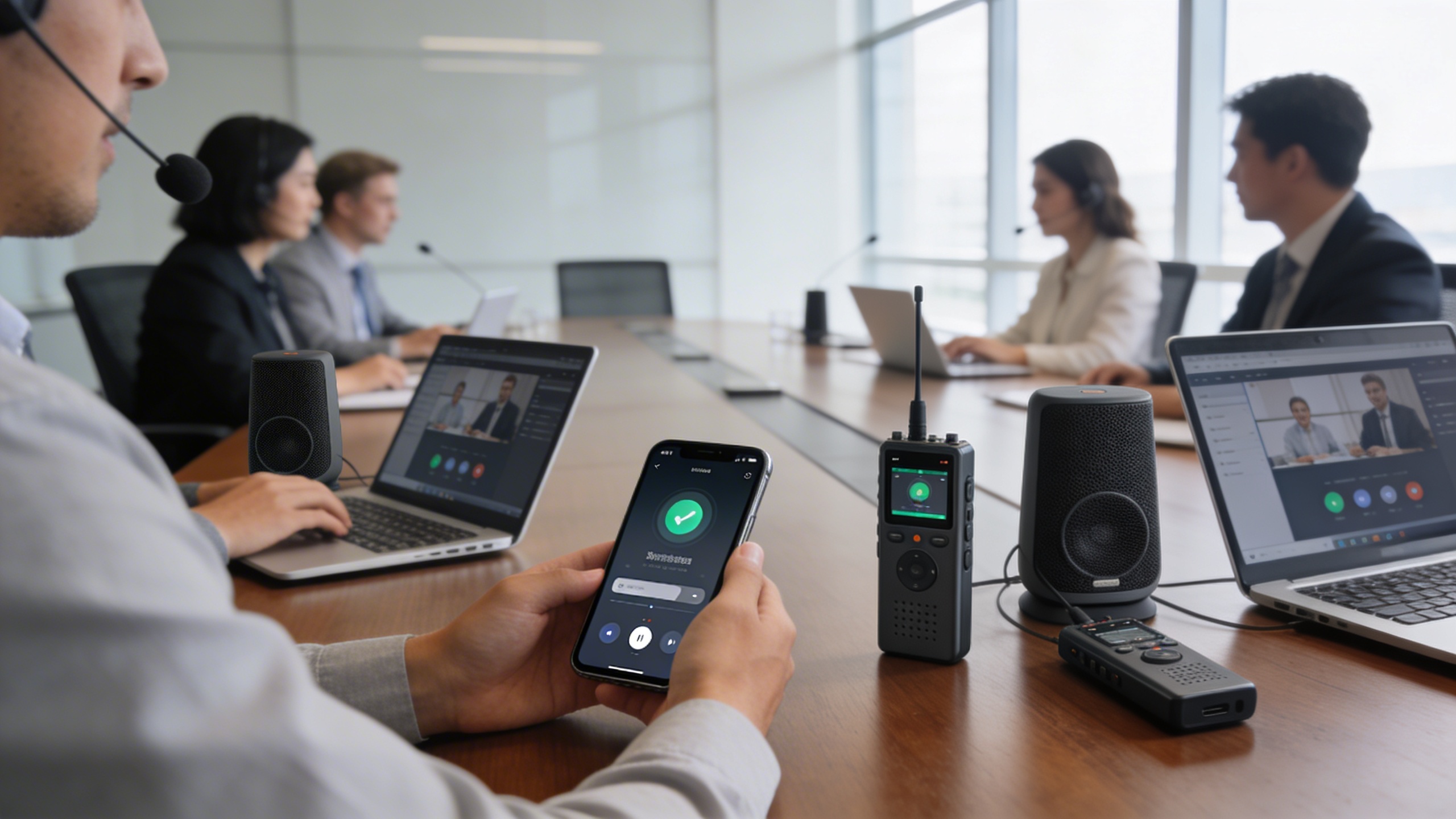
Modern content creation often requires capturing both visual and audio elements simultaneously. Screen and audio recording solutions have evolved to meet this demand, offering seamless integration between screen capture and high-quality audio recording. These versatile tools serve professionals who need to create tutorials, record presentations, capture gameplay, or document software demonstrations with crystal-clear sound.
The best screen and audio recorder applications provide comprehensive recording capabilities that extend far beyond basic screen capture. They integrate system audio recording, microphone input, and advanced audio processing features that rival dedicated audio recording software. This convergence of technologies eliminates the need for multiple applications while maintaining professional-grade output quality.
Desktop Recording Applications
Desktop recording applications represent the most powerful category of screen and audio recording solutions. These comprehensive programs offer extensive customization options for both video and audio capture, making them essential tools for professional content creators and educators.
OBS Studio leads this category with its open-source architecture and professional-grade features. The software excels at capturing system audio alongside screen recordings, offering multiple audio sources, real-time mixing capabilities, and advanced noise suppression. Its modular plugin system allows users to extend functionality with specialized audio processing tools that enhance recording quality significantly.
Camtasia provides a more user-friendly approach while maintaining professional capabilities. The software includes built-in audio editing tools, automatic noise reduction, and seamless integration between screen capture and audio recording workflows. Its timeline-based editor allows precise synchronization of multiple audio tracks with screen recordings.
For users requiring a hidden audio recorder functionality within screen recording workflows, applications like Bandicam offer discreet recording modes. These tools can capture system audio and microphone input without visible indicators, making them valuable for monitoring applications or creating authentic user experience recordings.
Browser-Based Recording Tools
Browser-based recording solutions have gained prominence due to their accessibility and cross-platform compatibility. These tools eliminate installation requirements while providing robust audio recording capabilities directly within web browsers.
Loom exemplifies the power of browser-based recording technology. The platform captures high-quality audio alongside screen recordings using WebRTC technology, ensuring consistent performance across different operating systems. Its cloud-based processing automatically optimizes audio levels and reduces background noise without requiring manual intervention.
Screencastify offers similar capabilities with enhanced audio processing features. The tool provides real-time audio monitoring, allowing users to adjust microphone levels during recording sessions. Its integration with Google Workspace makes it particularly valuable for educational and business environments where seamless sharing is essential.
These browser-based solutions excel in collaborative environments where quick sharing and accessibility take priority over advanced editing capabilities. They typically include automatic transcription features, making recorded content more searchable and accessible to diverse audiences.
Mobile Screen Recording Options
Mobile screen recording has evolved from basic functionality to sophisticated audio recording solutions that rival desktop applications. Modern smartphones include built-in screen recording capabilities with advanced audio capture features.
iOS devices offer native screen recording through Control Center, capturing both internal audio and microphone input simultaneously. The system provides excellent sound quality and integrates seamlessly with the device’s audio processing capabilities. Third-party applications like Record it! extend these capabilities with additional audio editing features and export options.
Android devices vary in their native capabilities, but applications like AZ Screen Recorder provide consistent functionality across different manufacturers. These tools offer multiple audio source options, including internal audio recording, external microphone input, and mixed audio streams that combine both sources.
For content creators who need comprehensive mobile recording solutions, applications like Sozai provide advanced audio recording capabilities that complement screen capture workflows. These specialized tools offer superior audio processing and transcription features that enhance the value of recorded content.
Performance optimization remains crucial for mobile screen and audio recording. Modern applications implement hardware acceleration and efficient compression algorithms that minimize battery drain while maintaining audio quality. Advanced features like automatic gain control and noise reduction ensure professional results even in challenging recording environments.
Specialized Recording Solutions for Unique Needs
Beyond standard recording applications, certain situations demand specialized audio recording solutions designed for unique challenges. These scenarios often involve environmental constraints, legal considerations, or specific technical requirements that standard equipment cannot address effectively.
Discreet and Compact Recorders
Compact recording devices serve legitimate purposes in journalism, research, and personal documentation. Modern miniature recorders offer surprising audio quality despite their small form factor, with some devices no larger than a USB drive yet capable of hours of clear recording.
When selecting a discreet audio recorder, prioritize models with one-touch recording activation and extended battery life. Look for devices offering at least 8-10 hours of continuous recording with clear audio pickup from 3-6 feet away. Many compact recorders now include voice activation features that automatically start recording when sound is detected, conserving battery and storage space.
Legal compliance remains paramount when using any recording device. Always verify local and federal laws regarding consent requirements before recording conversations. Most jurisdictions require either single-party or all-party consent, and violating these laws can result in serious legal consequences. Never use recording equipment for unauthorized surveillance or in private spaces where individuals have reasonable expectations of privacy.
Meeting and Conference Recording
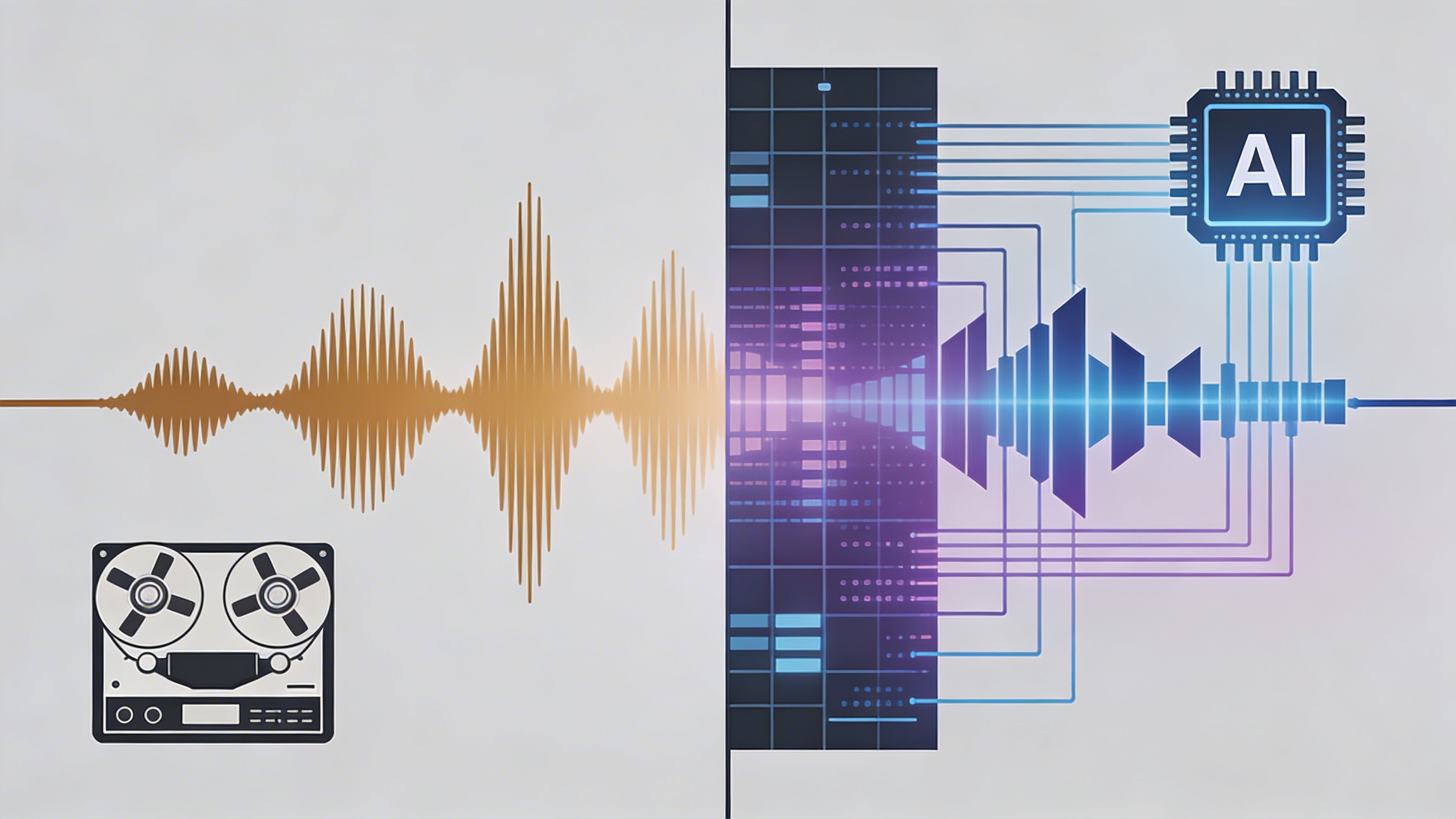
Professional meeting environments present unique audio challenges, including multiple speakers, background noise, and varying distances from the recording device. Specialized conference recording solutions address these issues through directional microphones, noise cancellation, and automatic gain control.
Conference-specific audio recorders typically feature omnidirectional pickup patterns optimized for boardroom environments. Look for models with automatic speaker identification and timestamping capabilities that help organize recordings for later review. Some advanced systems can distinguish between different voices and create separate audio tracks for each participant.
For hybrid meetings combining in-person and remote participants, consider solutions that integrate both room audio and screen recording capabilities. This dual approach ensures comprehensive documentation of presentations, discussions, and shared materials. Many modern conference rooms benefit from dedicated sound recorder systems that automatically sync with calendar applications and begin recording at scheduled meeting times.
Field Recording and Environmental Audio
Environmental recording demands equipment capable of withstanding harsh conditions while maintaining audio fidelity. Weather resistance, extended battery life, and robust construction become critical factors when recording outdoors or in challenging environments.
Professional field recording equipment should offer weatherproof housing rated for the specific conditions you’ll encounter. Many field recorders include interchangeable microphone systems, allowing adaptation to different acoustic environments. Wind noise reduction becomes particularly important, with specialized windscreens and low-cut filters essential for outdoor recording.
Battery management strategies become crucial during extended field sessions. Consider recorders with hot-swappable battery systems or external power bank compatibility. Some field recording professionals carry multiple battery packs and memory cards to ensure uninterrupted documentation of time-sensitive environmental events.
Storage capacity planning also differs significantly for field work. Environmental recordings often capture extended periods of ambient sound, requiring substantial storage space. Look for recorders supporting high-capacity memory cards and offering multiple file format options to balance quality with storage efficiency.
Temperature extremes can affect both battery performance and electronic components. Professional field recorders often include temperature compensation features and operate reliably across wider temperature ranges than consumer devices. Always test equipment in similar conditions before critical recording sessions to identify potential issues.
AI-Enhanced Audio Recording and Transcription
The integration of artificial intelligence into audio recording technology has revolutionized how we capture, process, and utilize recorded content. Modern AI-powered audio recorder solutions combine traditional recording capabilities with intelligent processing features that automatically enhance audio quality, generate accurate transcriptions, and streamline post-recording workflows.
AI enhancement benefits extend far beyond simple recording functionality. These intelligent systems can automatically adjust recording levels, reduce background noise in real-time, and optimize audio quality based on environmental conditions. Whether you’re using a professional sound recorder in a studio setting or a screen and audio recorder for remote presentations, AI algorithms continuously analyze and improve your recordings without manual intervention.
Real-Time Transcription Capabilities
Real-time transcription represents one of the most significant advances in audio recording technology. Modern AI-powered systems can convert speech to text instantly, allowing users to see transcriptions appear as they speak. This capability proves invaluable for journalists conducting interviews, students attending lectures, or professionals recording meeting notes.
The accuracy of real-time transcription has improved dramatically, with leading systems achieving over 95% accuracy in optimal conditions. These systems adapt to different accents, speaking speeds, and technical terminology, making them suitable for diverse recording scenarios. For users seeking reliable transcription capabilities, tools like Sozai offer advanced AI-powered transcription that works seamlessly across multiple platforms and recording environments.
Real-time transcription also enables immediate editing and correction, allowing users to refine their content while recording continues. This feature significantly reduces post-production time and ensures more accurate final transcripts.
Voice Recognition and Speaker Identification
Advanced audio recording systems now incorporate sophisticated voice recognition technology that can distinguish between multiple speakers in a single recording. This speaker identification capability automatically labels different voices, making it easier to organize and search through lengthy recordings.
Voice recognition extends beyond simple identification to include voice biometric analysis, which can detect emotional states, stress levels, and speaking patterns. This information proves valuable for content creators analyzing their delivery style or researchers studying communication patterns.
Multi-speaker scenarios, common in conference calls or group interviews, benefit significantly from these features. The system can automatically create separate transcript sections for each speaker, complete with timestamps and confidence scores for each identified voice segment.
Automated Audio Enhancement
AI-driven audio enhancement eliminates many traditional post-processing steps by applying intelligent filters and corrections during recording. These systems can automatically remove background noise, adjust volume levels, and enhance speech clarity without degrading audio quality.
Adaptive noise cancellation represents a key advancement, where AI algorithms learn to distinguish between desired audio and unwanted ambient sounds. This technology proves particularly valuable when using a hidden audio recorder in challenging environments or recording with mobile devices in noisy locations.
Future-proofing considerations include the continuous learning capabilities of AI systems, which improve over time through machine learning algorithms. These systems adapt to user preferences, recording environments, and content types, becoming more effective with extended use. As AI technology continues advancing, users investing in AI-enhanced audio recording solutions position themselves to benefit from ongoing improvements without requiring hardware upgrades.
Budget-Friendly Audio Recording Options
Quality audio recording doesn’t require breaking the bank. Today’s budget-friendly solutions offer impressive capabilities that can meet most recording needs while providing a clear upgrade path as requirements grow. Understanding the trade-offs between cost and features helps you make informed decisions that maximize value without compromising essential functionality.
Free and Open-Source Solutions
Open-source audio recording software provides professional-grade features without licensing costs. Audacity remains the gold standard for free audio editing and recording, offering multi-track recording, noise reduction, and format conversion capabilities that rival paid alternatives. OBS Studio excels as a screen and audio recorder, particularly valuable for content creators who need simultaneous video and audio capture.
Reaper offers an extended 60-day trial with full functionality, making it an excellent entry point for users exploring digital audio workstations. These solutions typically require more technical knowledge but provide unlimited usage without subscription fees, making them ideal for learning audio production fundamentals.
Entry-Level Hardware Recommendations
Hardware audio recorder options under $100 deliver surprising quality for basic recording needs. The Zoom H1n Handy Recorder provides professional XY stereo recording in a compact form factor, while USB microphones like the Audio-Technica ATR2100x-USB offer direct computer connection with professional sound quality.
Portable sound recorder devices such as the Tascam DR-05X include built-in microphones, SD card storage, and battery operation for field recording applications. These entry-level devices often lack advanced features like multiple input channels or phantom power, but they establish a solid foundation for upgrading to more sophisticated equipment as needs evolve.
Consider the total cost of ownership when evaluating hardware options. Entry-level recorders may require additional accessories like windscreens, stands, or external microphones to achieve optimal results in various recording environments.
Smartphone Recording Applications
Modern smartphones function as capable audio recording devices with the right applications. Voice Memos on iOS and Sound Recorder on Android provide basic recording functionality, while third-party apps offer enhanced features like noise cancellation, format selection, and cloud synchronization.
Professional mobile recording apps such as RecForge II and Hi-Q MP3 Voice Recorder include advanced features like gain control, file compression options, and scheduling capabilities. Some applications even function as discrete hidden audio recorder solutions for interviews or meetings where visible recording equipment might be intrusive.
For users requiring both recording and transcription capabilities, apps like Sozai combine high-quality audio capture with AI-powered transcription, eliminating the need for separate recording and conversion workflows. This integration proves particularly valuable for journalists, students, and professionals who regularly convert spoken content to text.
Smartphone recording quality depends heavily on microphone placement, environmental conditions, and app settings. External microphones designed for mobile devices can significantly improve recording quality while maintaining portability and cost-effectiveness.
Choosing the Right Audio Recorder for Your Needs
Selecting the perfect audio recorder requires a strategic approach that balances immediate requirements with long-term objectives. The abundance of options in 2026 makes systematic evaluation essential for making an informed decision that delivers lasting value.
Assessment Framework and Decision Matrix
Begin your evaluation by categorizing your primary use cases. Content creators need different features than business professionals conducting interviews or students recording lectures. Consider audio quality requirements first—podcasters demand broadcast-quality recording capabilities, while meeting participants may prioritize convenience and transcription accuracy over studio-grade sound.
Create a decision matrix weighing portability against functionality. A compact sound recorder excels for field interviews but may lack the input options needed for multi-microphone setups. Screen and audio recorder combinations serve digital content creators who need synchronized visual and audio capture, while traditional audio recording devices focus purely on sound quality and battery life.
Evaluate security requirements carefully. Professionals handling sensitive information might need encrypted storage or discrete recording capabilities, while others prioritize ease of sharing and collaboration features.
Integration with Existing Workflows
Modern audio recording solutions must seamlessly connect with your current technology ecosystem. Examine file format compatibility—your chosen recorder should export to formats that work with your editing software, cloud storage, and sharing platforms without conversion headaches.
Consider how recordings will flow from capture to final output. Tools like Sozai demonstrate the value of integrated transcription capabilities, automatically converting audio recordings into searchable text that accelerates content creation and meeting follow-ups. This integration eliminates manual transcription steps and reduces project timelines significantly.
Assess synchronization capabilities across devices. Cloud-based solutions enable recording on one device while accessing files immediately on another, supporting flexible work arrangements and collaborative projects.
Future-Proofing Your Investment
Technology evolution makes future compatibility crucial for long-term value. Choose audio recorders with regular firmware updates and active developer support. Platforms that embrace emerging standards like spatial audio or advanced noise cancellation algorithms will remain relevant as requirements evolve.
Scalability considerations matter equally. Your recording needs may expand from simple voice memos to complex multi-track productions. Select solutions that offer upgrade paths or modular expansion rather than requiring complete replacement as requirements grow.
Battery technology and storage capacity improvements continue advancing rapidly. Prioritize devices with replaceable components or cloud storage integration to extend useful life beyond hardware limitations.