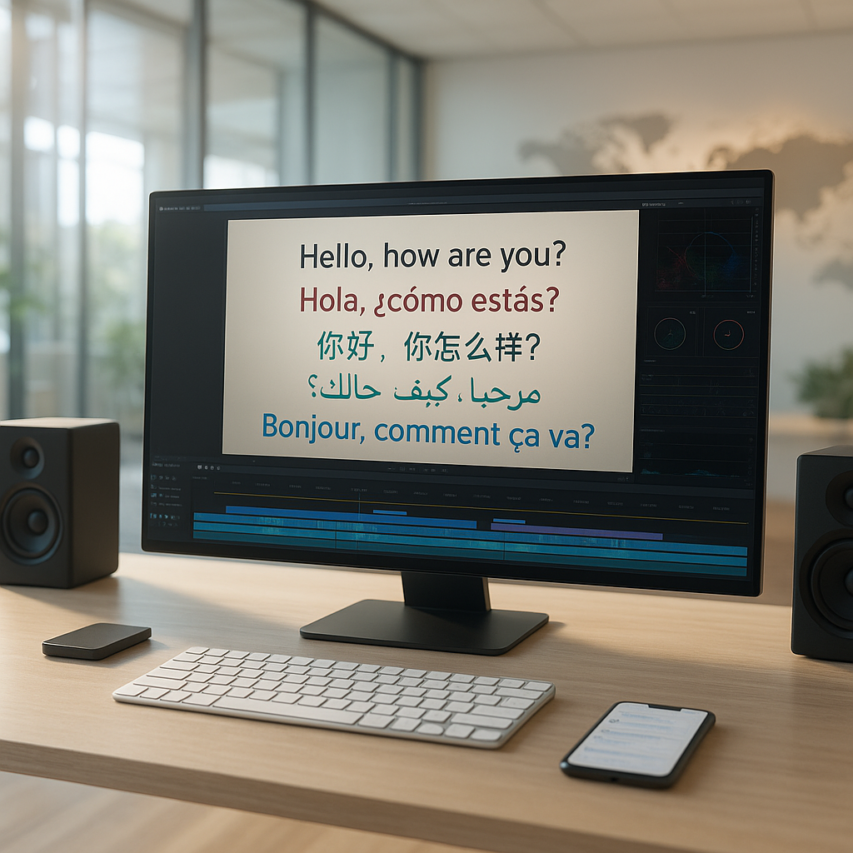
The digital landscape has transformed dramatically as businesses and content creators recognize the immense value of reaching global audiences through multilingual video content. What once required expensive production teams and lengthy localization processes can now be accomplished in minutes using advanced AI video translation technology. From educational institutions sharing knowledge across language barriers to multinational corporations expanding their market reach, the ability to translate video content efficiently has become a critical competitive advantage in today’s interconnected world.
Modern AI translate video solutions have revolutionized how we approach content localization, offering sophisticated features like automatic speech recognition, neural machine translation, and voice synthesis that deliver surprisingly accurate results. Whether you need to translate video to English for international audiences or convert content into dozens of languages simultaneously, these tools have made professional-quality video translation services accessible to organizations of all sizes. The technology has evolved far beyond simple subtitle generation, now offering voice dubbing, lip-sync capabilities, and cultural adaptation features that preserve the original message’s intent and emotional impact.
This comprehensive guide explores the leading platforms transforming multilingual content creation, essential features that separate basic tools from professional solutions, and practical strategies for implementing AI video translation in your workflow. You’ll discover cost-effective approaches, industry-specific applications, and emerging trends that will shape the future of global video communication.
Understanding AI Video Translation Technology
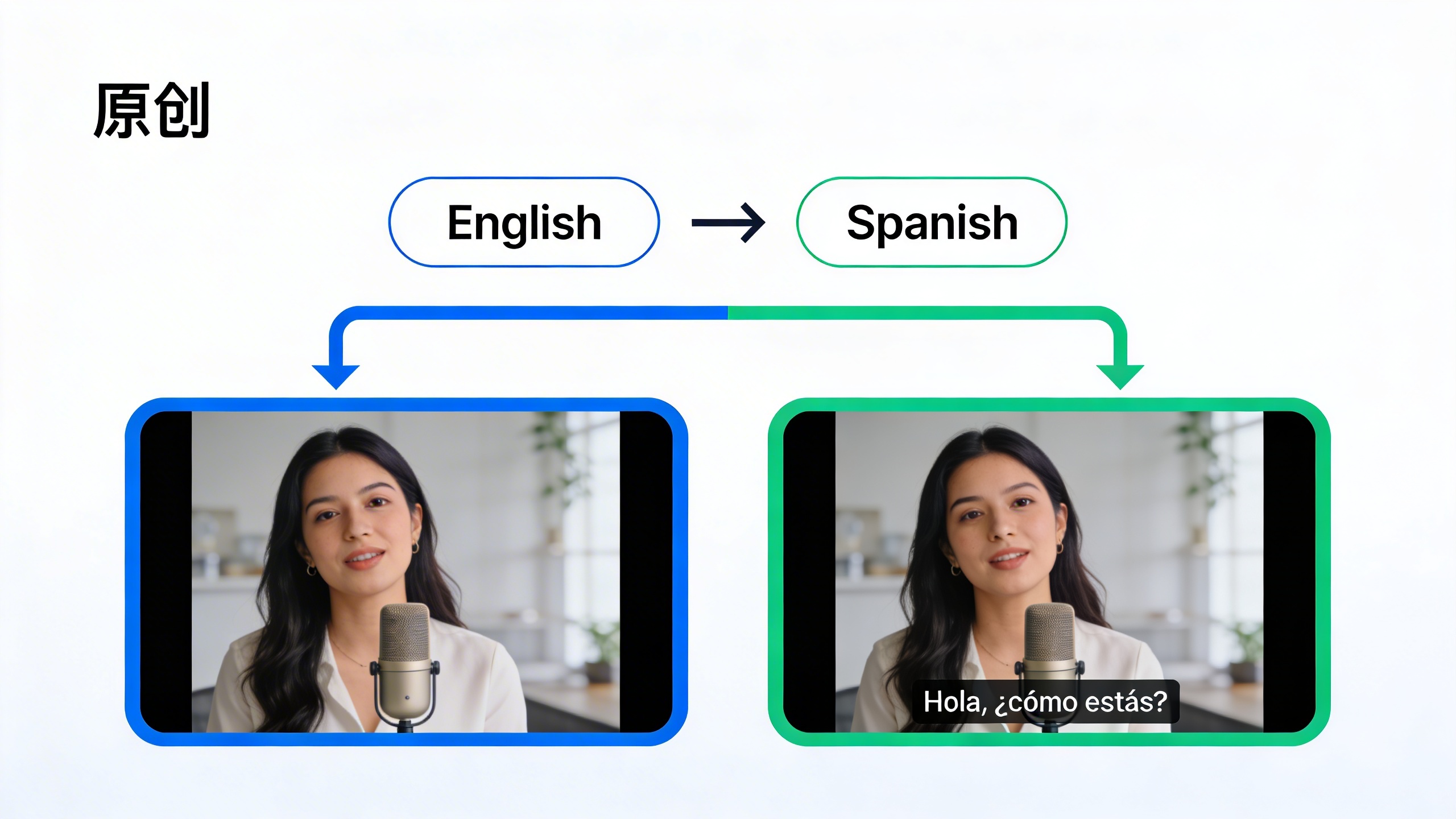
AI video translation has revolutionized how content creators, businesses, and educators share their message across language barriers. This sophisticated technology combines multiple artificial intelligence systems to automatically convert spoken content in videos from one language to another, making global communication more accessible than ever before.
How AI Video Translation Works
The process of AI video translation involves several interconnected steps that work seamlessly together. First, the system performs speech recognition to convert the audio track into text transcription. Advanced algorithms analyze the audio waveforms, identifying speech patterns, pauses, and speaker changes while filtering out background noise and music.
Once the transcription is complete, neural machine translation engines process the text to translate it into the target language. These AI models have been trained on millions of text pairs, allowing them to understand context, idioms, and cultural nuances that traditional translation methods often miss. The final step involves either generating subtitles or creating synthetic speech in the target language, depending on the chosen output format.
Modern systems can translate video to English and dozens of other languages with remarkable accuracy, often achieving translation quality that rivals human translators for many types of content. The entire process can be completed in minutes rather than the hours or days required for manual translation.
Types of Video Translation Services
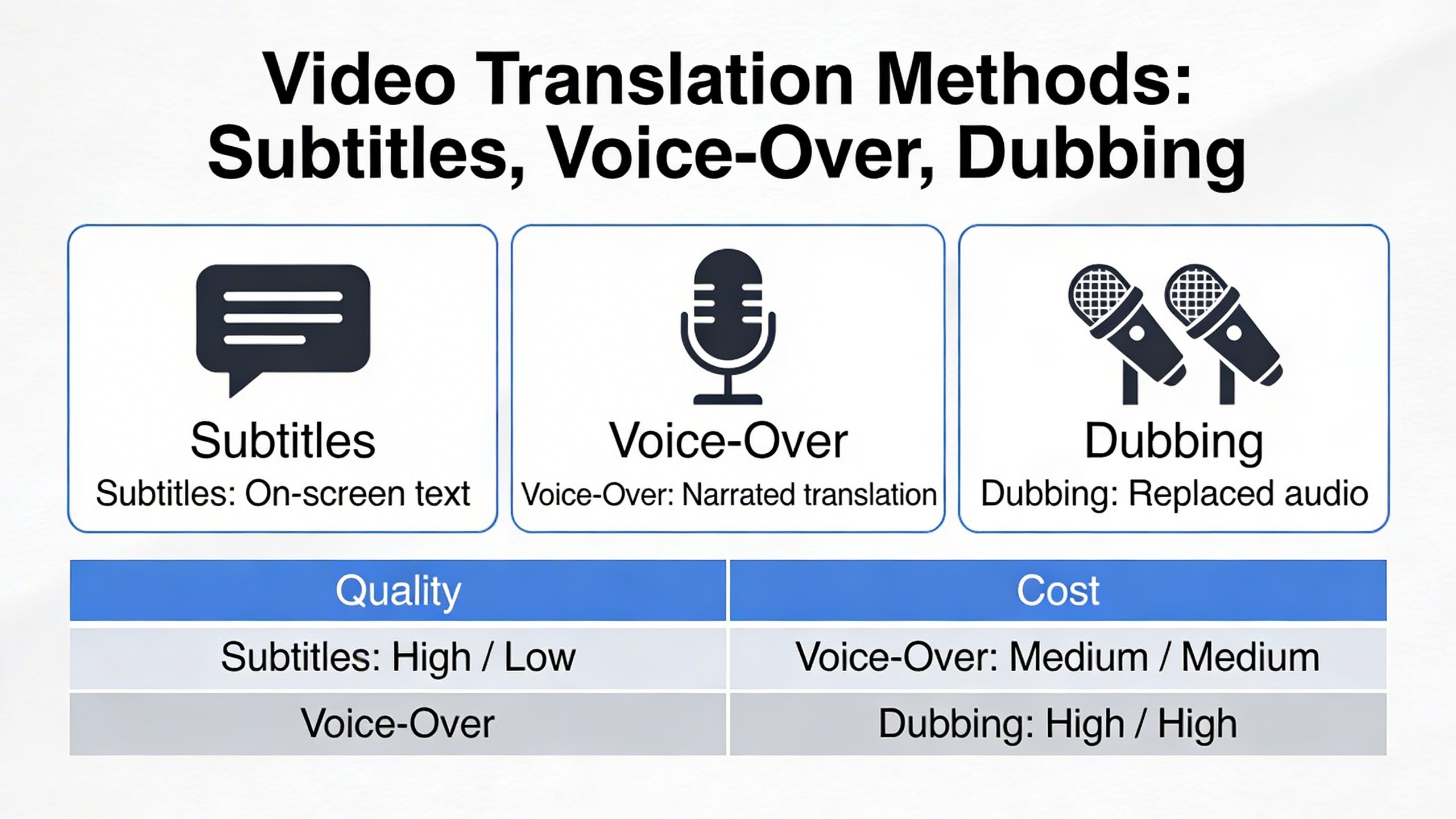
Video translation services offer three primary output formats, each serving different needs and preferences:
Subtitle Translation creates text overlays that appear on screen while preserving the original audio. This approach is cost-effective and maintains the authentic voice of the original speaker. Viewers can choose to read along while hearing the original language, making it ideal for educational content and interviews.
Dubbing Translation replaces the original audio track with translated speech, typically using synthetic voices that match the timing of the original speaker. This creates a more immersive viewing experience, particularly for entertainment content, though it requires more sophisticated lip-sync technology to maintain visual coherence.
Voice-over Translation layers translated audio over the original track, often with the original audio reduced in volume. This method is commonly used for documentaries and news content, allowing viewers to hear both the original and translated versions simultaneously.
Each approach has distinct advantages depending on your content type, audience preferences, and budget considerations. Many modern platforms allow users to choose their preferred format when they translate video content.
Key Technologies Behind Modern Solutions
Several breakthrough technologies power today’s advanced video translation services. Automatic Speech Recognition (ASR) has evolved dramatically, now capable of handling multiple speakers, accents, and technical terminology with high accuracy. These systems can distinguish between speech and non-speech audio, ensuring that music and sound effects remain untranslated.
Neural Machine Translation (NMT) represents the core intelligence behind accurate translations. Unlike earlier rule-based systems, NMT models understand context across entire sentences and paragraphs, producing more natural and coherent translations. These models continuously learn from new data, improving their performance over time.
Text-to-Speech (TTS) technology has reached near-human quality, with some systems offering voice cloning capabilities that can match the original speaker’s tone and style. Advanced TTS engines support emotional expression and proper pronunciation of names, technical terms, and regional variations.
Processing options typically fall into two categories: real-time translation for live streaming and video calls, and batch processing for pre-recorded content. Real-time systems prioritize speed and low latency, while batch processing can achieve higher accuracy by analyzing the complete audio context before generating translations.
The integration of these technologies has made it possible to ai translate video content at scale, opening new opportunities for global content distribution and cross-cultural communication. As these systems continue to improve, the gap between human and machine translation continues to narrow, making professional-quality video translation accessible to creators of all sizes.
Top AI Video Translation Platforms Comparison
The market for ai video translation has evolved dramatically, offering solutions for every budget and use case. From enterprise-grade platforms handling thousands of hours monthly to streamlined tools perfect for individual creators, choosing the right service depends on your specific needs, volume requirements, and quality expectations.
Enterprise-Level Solutions
Enterprise platforms dominate when organizations need to translate video content at scale with guaranteed accuracy and compliance standards. These solutions typically offer advanced customization options, dedicated support teams, and integration capabilities with existing content management systems.
| Platform | Languages Supported | Accuracy Rate | Starting Price | Key Features |
|---|---|---|---|---|
| Microsoft Translator | 100+ | 95-98% | Custom pricing | Azure integration, custom models, batch processing |
| Google Cloud Translation | 135+ | 94-97% | $20/million chars | AutoML, glossaries, real-time translation |
| Amazon Translate | 75+ | 93-96% | $15/million chars | Custom terminology, active learning, formality control |
Enterprise solutions excel at handling complex workflows where teams need to translate video content across multiple departments. These platforms typically process requests through APIs, making them ideal for companies that want to ai translate video content automatically as part of their content production pipeline.
Mid-Range Professional Tools
Professional video translation services bridge the gap between enterprise complexity and creator simplicity. These platforms offer sophisticated features without requiring extensive technical integration, making them perfect for marketing agencies, educational institutions, and growing businesses.
Synthesia leads this category with its AI avatar technology, allowing users to translate video presentations while maintaining visual consistency. The platform supports over 120 languages and offers template libraries that streamline the process to translate video content for international audiences. Pricing starts at $30 monthly for basic plans, scaling to $90 for professional features.
Papercup focuses specifically on voiceover translation, using AI to clone speaker voices across languages. This approach proves particularly valuable for documentary makers and corporate training videos where maintaining the original speaker’s tone and delivery style enhances viewer engagement. Their accuracy rates typically range from 92-95% depending on source language complexity.
Rask AI combines transcription, translation, and voice synthesis in a unified workflow. Users can upload videos, select target languages, and receive fully translated content with synchronized audio. The platform’s strength lies in its ability to handle various video formats while preserving timing and emotional context during translation.
Budget-Friendly Options for Small Creators
Individual creators and small businesses often need cost-effective solutions that deliver quality results without enterprise-level complexity. These tools focus on ease of use while providing essential video translation services at accessible price points.
Kapwing offers a straightforward approach to translate video content, combining automatic transcription with translation capabilities. Their free tier allows up to 7 minutes of video processing monthly, while paid plans start at $20. The platform excels at social media content optimization, automatically formatting translated videos for different platforms.
Flixier provides cloud-based video editing with integrated translation features. Users can generate subtitles, translate them into multiple languages, and export videos with embedded captions. The service particularly appeals to YouTube creators who need to translate video to english or other major languages quickly and affordably.
For creators who primarily work with audio content or need accurate transcriptions before translation, tools like Sozai can streamline the initial transcription process. High-quality transcriptions form the foundation of effective video translation, ensuring that subsequent translation steps maintain accuracy and context.
VEED.io rounds out the budget category with its browser-based editor that includes automatic subtitle generation and translation. The platform supports over 100 languages and offers real-time collaboration features, making it suitable for small teams working on international content projects.
When evaluating these options, consider your monthly video volume, required language pairs, and quality standards. Enterprise solutions justify their cost through superior accuracy and integration capabilities, while mid-range tools offer the best balance of features and affordability. Budget options work well for creators testing international markets or producing content with less stringent accuracy requirements.
Essential Features to Look for in Video Translation Tools
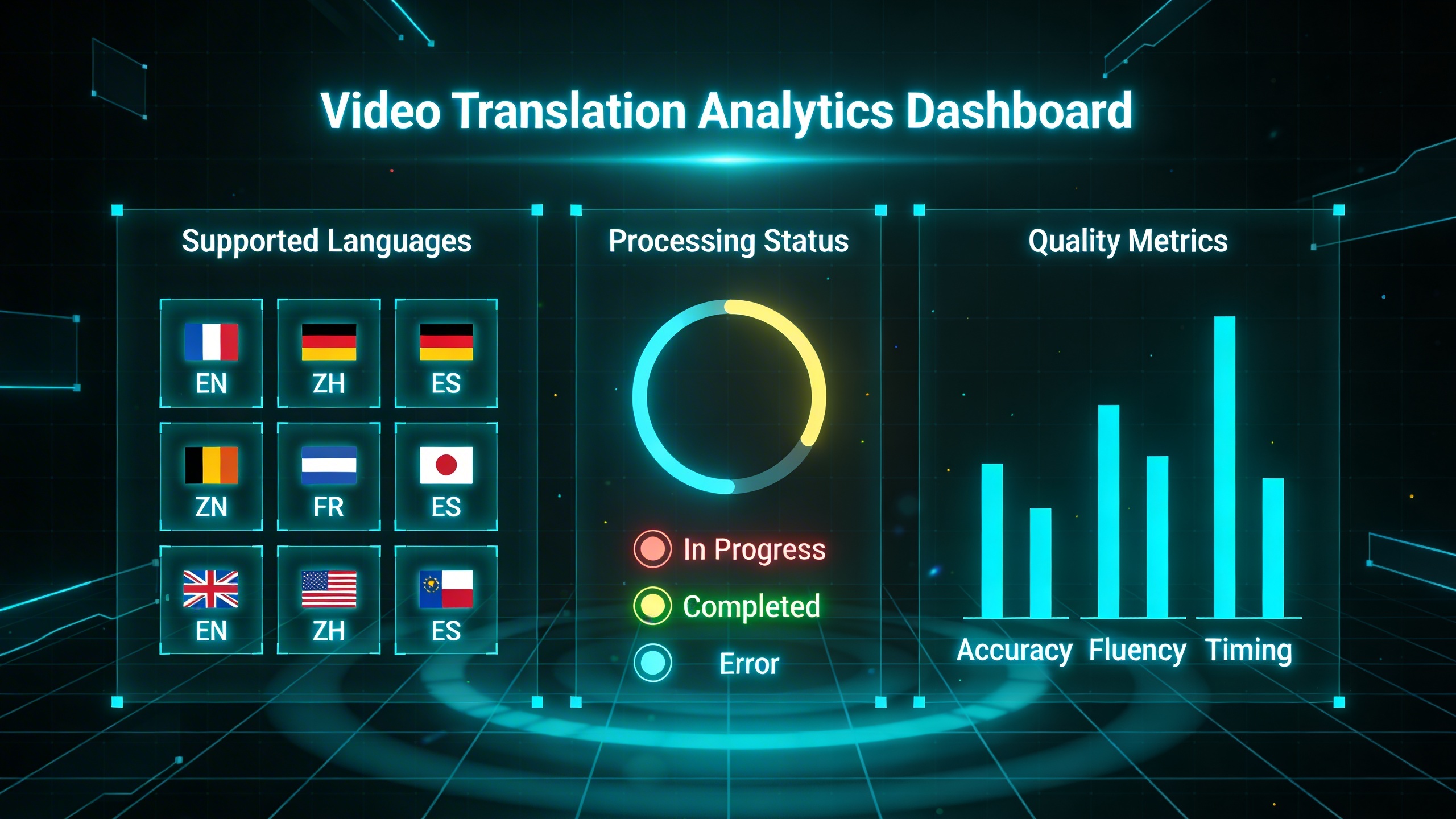
Selecting the right AI video translation platform requires careful evaluation of key features that directly impact the quality and usability of your translated content. The most effective video translation services combine advanced machine learning algorithms with user-friendly interfaces to deliver professional results that meet diverse content creation needs.
Accuracy and Language Support
Translation accuracy serves as the foundation of any reliable video translation service. Leading platforms achieve accuracy rates between 85-95% for major language pairs, with performance varying based on audio quality, speaker accent, and content complexity. When you translate video content, look for services that support your specific language combinations with demonstrated proficiency in technical terminology, colloquialisms, and cultural nuances.
Comprehensive language support extends beyond simple word-for-word translation. The best AI video translation tools offer support for 50+ languages, including less common dialects and regional variations. For businesses looking to translate video to English or expand into emerging markets, verify that your chosen platform handles bidirectional translation effectively and maintains context across different linguistic structures.
Consider platforms that provide confidence scores for their translations, allowing you to identify sections that may require human review. Some services also offer domain-specific training, which significantly improves accuracy for specialized content like medical presentations, legal documents, or technical tutorials.
Output Format Options
Flexible output formats ensure your translated content integrates seamlessly into existing workflows and distribution channels. Professional video translation services should support multiple subtitle formats including SRT, VTT, ASS, and SSA files, each optimized for different platforms and use cases.
When you ai translate video content, timing precision becomes critical. Look for tools that offer frame-accurate subtitle timing with customizable display durations, reading speed optimization, and automatic line breaking based on character limits. Advanced platforms provide subtitle positioning controls, allowing you to adjust text placement to avoid obscuring important visual elements.
Audio output options deserve equal attention, particularly for content requiring voiceovers. Services offering multiple audio formats (MP3, WAV, AAC) with adjustable bitrates and sample rates provide greater flexibility for post-production workflows. Some platforms also generate separate audio tracks for each language, simplifying the creation of multilingual video versions.
Editing and Customization Capabilities
Robust editing features distinguish professional-grade platforms from basic translation tools. Essential editing capabilities include real-time preview functionality, allowing you to review translations while maintaining visual context with the original video. Interactive timeline editors enable precise timing adjustments, while split-screen interfaces facilitate side-by-side comparison of source and translated content.
Voice cloning and synthetic speech quality have evolved dramatically, with leading platforms offering natural-sounding voiceovers that preserve speaker characteristics and emotional tone. When evaluating AI video translation options, test the voice synthesis quality across different languages and speaking styles. Premium services provide voice customization options, including pitch adjustment, speaking pace control, and emotional inflection settings.
Custom terminology management proves invaluable for maintaining brand consistency across translated content. Look for platforms offering glossary integration, where you can define preferred translations for industry-specific terms, product names, and branded terminology. Advanced systems learn from your corrections, improving accuracy for future translations while maintaining your organization’s unique voice and style.
Quality assurance features such as automated spell-checking, grammar validation, and consistency monitoring help ensure professional results. The most effective platforms combine these automated checks with human review workflows, allowing seamless collaboration between AI translation and human editors when precision demands exceed automated capabilities.
Step-by-Step Guide to Translating Videos with AI
Successfully implementing AI video translation requires careful preparation and strategic decision-making throughout the process. This comprehensive workflow ensures optimal results whether you’re creating multilingual marketing content, educational materials, or entertainment videos for global audiences.
Preparing Your Video Content
Audio quality serves as the foundation for accurate AI video translation. Before uploading your content, ensure your source audio meets professional standards. Clean audio with minimal background noise produces significantly better translation accuracy than recordings with echo, static, or competing sound sources.
Start by normalizing audio levels to prevent volume inconsistencies that can confuse AI processing algorithms. Remove or reduce background music during dialogue segments, as overlapping audio tracks often interfere with speech recognition accuracy. If your original recording contains multiple speakers, consider separating their audio tracks when possible to improve speaker identification and translation precision.
File format requirements vary across different video translation services, but most platforms accept standard formats including MP4, MOV, AVI, and MKV. Compress large files to reduce upload times while maintaining quality—most AI systems work effectively with 1080p resolution at 30fps. For optimal processing speed, keep individual video segments under 2GB when possible.
Consider the speaking pace and clarity of your original content. Videos with clear pronunciation, moderate speaking speeds, and distinct pauses between sentences typically yield superior translation results. If you’re creating content specifically for translation, speak slightly slower than normal conversational pace and enunciate clearly.
Choosing the Right Translation Method
Modern AI video translation platforms offer multiple approaches to translate video content, each suited for different use cases and quality requirements. Subtitle-only translation provides the most cost-effective solution for basic multilingual accessibility, while voice dubbing creates immersive experiences for entertainment and marketing content.
Automated subtitle generation works well for educational content, webinars, and corporate communications where viewers expect to read along. This method preserves the original speaker’s voice and emotional delivery while providing linguistic accessibility. Many creators use this approach to translate video to English or other target languages quickly and affordably.
Voice cloning and dubbing technologies have advanced significantly, enabling AI systems to maintain speaker characteristics while delivering translations in natural-sounding target languages. This method works particularly well for marketing videos, product demonstrations, and content where maintaining brand voice consistency across languages is crucial.
Hybrid approaches combine automated translation with human review, offering balanced speed and accuracy. Professional video translation services often employ this method for high-stakes content where cultural nuance and perfect accuracy are essential.
Quality Control and Post-Processing
Effective quality control begins immediately after your AI translate video process completes. Review the initial output for obvious errors in timing, speaker attribution, and contextual accuracy. Pay special attention to technical terminology, proper nouns, and culturally specific references that AI systems sometimes misinterpret.
Establish a systematic review workflow that includes native speakers of your target languages. Even the most advanced AI video translation technology benefits from human oversight, particularly for nuanced content or specialized subject matter. Create a checklist covering timing synchronization, translation accuracy, cultural appropriateness, and technical quality.
Timing adjustments often require fine-tuning after initial processing. Ensure subtitles appear and disappear at natural reading speeds, typically displaying for 1-7 seconds depending on text length. For dubbed content, verify that lip-sync alignment feels natural and that emotional inflection matches the original speaker’s intent.
Export options should align with your distribution strategy. Social media platforms favor different subtitle formats—Instagram prefers burned-in captions, while YouTube supports separate subtitle files. Create multiple export versions optimized for each platform’s technical requirements and audience preferences.
Consider creating backup versions with both subtitles and dubbing for maximum flexibility. This approach allows you to test audience preferences and adapt your strategy based on engagement metrics across different markets and platforms.
Industry-Specific Applications and Use Cases
Different industries leverage AI video translation technology in unique ways, each with specific requirements and challenges. Understanding these sector-specific applications helps organizations choose the right approach for their video translation needs and maximize the impact of their multilingual content strategies.
Educational Content and E-Learning
Educational institutions and e-learning platforms use AI video translation to democratize access to knowledge across language barriers. Universities creating massive open online courses (MOOCs) can translate video to English and dozens of other languages simultaneously, expanding their global reach exponentially.
Training video localization requires careful attention to technical terminology and cultural context. Corporate learning departments must ensure that safety protocols, compliance procedures, and skill-based training maintain their precision when translated. AI translate video solutions excel at maintaining consistency across training modules, ensuring that critical information remains accurate regardless of the target language.
Content accessibility compliance has become increasingly important in educational settings. Modern video translation services help institutions meet ADA requirements and international accessibility standards by providing accurate captions and translations that serve both multilingual audiences and hearing-impaired learners.
Marketing and Business Communications
Global marketing teams rely on AI video translation to adapt campaigns across diverse markets while maintaining brand consistency. Product launch videos, testimonials, and promotional content require more than literal translation—they need cultural adaptation to resonate with local audiences.
Marketing professionals face unique challenges when they translate video content for different regions. Humor, cultural references, and emotional appeals that work in one market may fall flat or even offend in another. Successful global marketing campaign adaptation involves understanding local customs, values, and communication styles while preserving the core brand message.
Business communications, including executive presentations and investor relations content, demand high accuracy and professional tone. AI video translation tools have evolved to handle formal business language effectively, maintaining the gravitas and precision required for corporate communications across multiple languages.
Entertainment and Media Production
The entertainment industry has embraced AI video translation as a cost-effective alternative to traditional dubbing and subtitling processes. Streaming platforms use these technologies to rapidly localize content for global audiences, reducing time-to-market from months to days.
Independent filmmakers and content creators benefit significantly from accessible video translation services. Small production companies can now compete globally by offering their content in multiple languages without the prohibitive costs of traditional localization methods.
Cultural adaptation considerations become particularly complex in entertainment. Jokes, wordplay, and cultural references require creative solutions that go beyond direct translation. Advanced AI systems now incorporate cultural context databases to suggest appropriate adaptations for different markets.
Media production workflows increasingly integrate AI translation at multiple stages. From initial script translation to final post-production subtitling, these tools streamline the entire localization pipeline. Content creators can now plan for multilingual distribution from the outset rather than treating translation as an afterthought.
The rise of user-generated content on social media platforms has created new opportunities for AI video translation. Creators can expand their audience reach by automatically translating their videos into multiple languages, opening up revenue streams in markets they previously couldn’t access.
Each industry’s unique requirements continue to drive innovation in AI video translation technology, pushing developers to create more sophisticated solutions that understand context, culture, and communication nuances across diverse sectors.
Cost Analysis and ROI Considerations
Understanding the financial implications of AI video translation is crucial for making informed decisions about which platform best serves your needs. The investment in video translation services can vary dramatically based on your chosen approach, content volume, and quality requirements.
Pricing Models Explained
Most platforms that translate video content offer two primary pricing structures. Per-minute pricing typically ranges from $0.50 to $3.00 per minute of video content, making it ideal for occasional users or those testing different services. This model works well when you need to translate video to English or other languages sporadically.
Subscription-based pricing usually starts around $20-50 monthly for basic plans, scaling up to $200-500 for enterprise solutions. These plans often include monthly minute allowances, priority processing, and advanced features like custom terminology databases. For businesses regularly producing multilingual content, subscription models typically offer better value once you exceed 20-30 minutes of translation per month.
Enterprise customers often negotiate custom pricing based on volume commitments, with some AI video translation platforms offering significant discounts for annual contracts or high-volume usage exceeding 1,000 minutes monthly.
Cost vs Quality Trade-offs
Budget-friendly video translation services may compromise on accuracy, particularly with technical terminology, cultural nuances, or complex audio conditions. Premium platforms invest heavily in advanced AI models and quality assurance, resulting in translation accuracy rates of 85-95% compared to 70-80% for basic services.
Consider these hidden costs when evaluating options:
- Additional fees for rush processing or priority queues
- Charges for subtitle formatting, timing adjustments, or custom styling
- Costs for human review services or post-editing support
- Storage fees for processed videos and subtitle files
- API usage charges that may exceed included quotas
The quality difference becomes particularly apparent in professional contexts where poor translations can damage brand reputation or create compliance issues in regulated industries.
Calculating Return on Investment
When you ai translate video content instead of using traditional human translation services, time savings represent the most immediate benefit. Professional human translators typically require 6-8 hours per finished minute of video content, while AI video translation platforms complete the same work in 5-15 minutes.
For a 10-minute corporate training video, human translation might cost $800-1,200 and take several days, while AI services cost $15-30 and deliver results within an hour. This efficiency enables rapid market expansion and content localization that would otherwise be prohibitively expensive.
Revenue impact calculations should factor in audience expansion potential. Companies report 15-25% increases in engagement when offering content in viewers’ native languages. For educational platforms or marketing campaigns, this translates directly to higher conversion rates and customer acquisition.
Consider the compound benefits: faster time-to-market for international campaigns, reduced project management overhead, and the ability to test multiple markets simultaneously without significant upfront investment. Many organizations find that AI video translation pays for itself within the first quarter through expanded reach and improved content accessibility.
Future Trends and Best Practices
The landscape of AI video translation continues to evolve rapidly, with emerging technologies reshaping how organizations approach multilingual content creation. Understanding these trends and implementing proven best practices will position your video translation strategy for long-term success.
Emerging Technologies in Video Translation
Real-time translation capabilities are advancing at an unprecedented pace, with neural networks now processing speech patterns and contextual nuances in milliseconds. Modern AI video translation platforms leverage transformer architectures that understand cultural context, enabling more accurate translations that preserve the original speaker’s intent and emotional tone.
Voice synthesis technology represents another breakthrough area, where AI systems can now replicate speaker characteristics including accent, pitch, and speaking cadence. This advancement allows organizations to translate video content while maintaining the authentic voice of their presenters, creating a more natural viewing experience for international audiences.
Computer vision integration is enhancing subtitle placement and timing accuracy, automatically detecting scene changes and speaker transitions to optimize text positioning. These systems can identify when to pause translations during music segments or visual demonstrations, improving overall content flow.
Quality Assurance Strategies
Implementing robust quality control measures requires a multi-layered approach combining automated validation and human oversight. Successful video translation services employ confidence scoring algorithms that flag potentially inaccurate translations for manual review, ensuring consistent quality across all output languages.
Establishing standardized terminology databases becomes crucial for organizations producing regular video content. These glossaries ensure consistent translation of technical terms, brand names, and industry-specific language across all video materials, maintaining brand voice integrity in every target language.
Post-production validation workflows should include native speaker reviews for critical content, particularly for customer-facing videos or training materials. Many organizations implement staged approval processes where AI translate video outputs undergo progressive refinement before final publication.
Integration with Content Management Systems
Modern content management platforms are incorporating direct API connections with translation services, enabling seamless workflow automation from video upload to multilingual distribution. These integrations eliminate manual file transfers and reduce the time required to translate video content from hours to minutes.
Automated publishing workflows can now distribute translated videos across multiple platforms simultaneously, with each version optimized for specific regional audiences. Smart scheduling systems consider time zones and cultural preferences to maximize engagement rates for international viewers.
Metadata synchronization ensures that video descriptions, tags, and thumbnails are properly translated and localized for each target market. Advanced systems can even adapt visual elements like text overlays and graphics to accommodate different reading patterns and cultural preferences.
Cloud-based collaboration tools are streamlining the review process, allowing distributed teams to provide feedback on translations in real-time. These platforms maintain version control and audit trails, ensuring accountability throughout the translation workflow while enabling rapid iteration and improvement.
As organizations scale their multilingual video strategies, investing in integrated solutions that combine AI translation capabilities with comprehensive content management becomes essential for maintaining efficiency and quality standards across global markets.