
Traditional flashcard creation has evolved dramatically with the advent of artificial intelligence, transforming how students and professionals approach learning and memory retention. Modern ai flashcard generators leverage sophisticated algorithms to automatically convert textbooks, lecture notes, PDFs, and other study materials into personalized learning decks, eliminating hours of manual card creation while optimizing content for maximum retention.
These intelligent tools analyze your source material to identify key concepts, generate relevant questions, and create targeted flashcards that adapt to your learning patterns. Unlike static paper cards or basic digital versions, AI-powered flashcard makers use spaced repetition algorithms, difficulty assessment, and personalized scheduling to present information precisely when your brain is ready to reinforce specific knowledge gaps.
This comprehensive guide explores the most effective ai flashcard maker options available today, from free flashcard generator tools perfect for casual learners to advanced platforms designed for professional certification and academic excellence. You’ll discover essential features that separate exceptional tools from basic alternatives, learn proven strategies for maximizing retention, and understand how to select the perfect flashcard generator for your unique learning style and goals.
What Are AI Flashcard Generators and How Do They Work
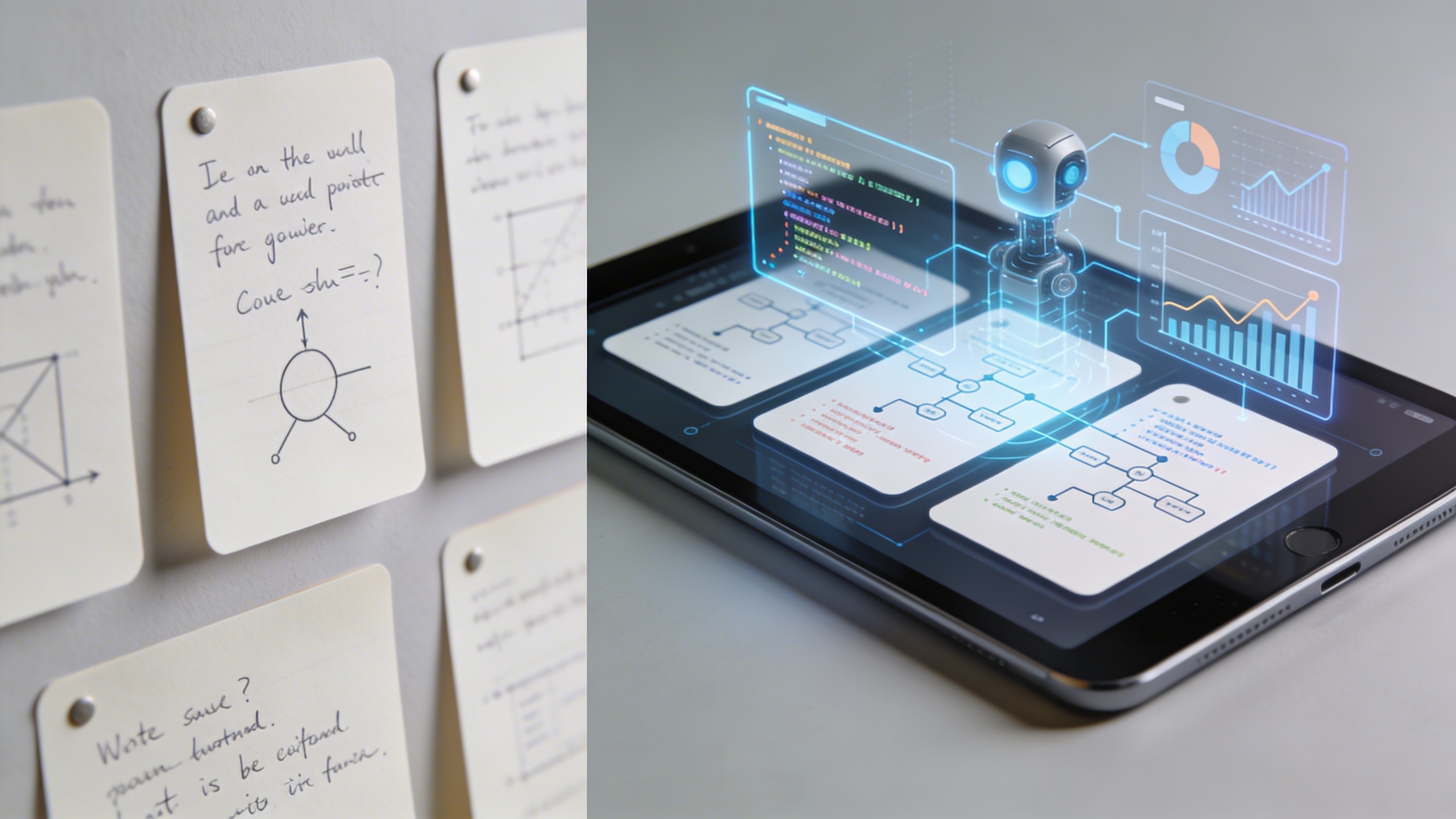
An ai flashcard generator represents a significant evolution in digital learning tools, combining artificial intelligence with proven memorization techniques to create personalized study experiences. These intelligent systems analyze your learning patterns, optimize content presentation, and adapt to your individual retention rates, making them far more effective than traditional static flashcards.
Understanding AI-Powered Learning Technology
Modern ai flashcard maker tools leverage machine learning algorithms to transform how students interact with educational content. Unlike conventional flashcard systems that present information in predetermined sequences, AI-powered platforms continuously analyze user performance data to identify knowledge gaps and learning preferences.
The core technology behind these systems involves natural language processing algorithms that can automatically extract key concepts from textbooks, lecture notes, or uploaded documents. When you input study material, the flashcard generator analyzes the content structure, identifies important terms and definitions, and creates relevant question-answer pairs without manual intervention.
Machine learning models within these platforms track your response accuracy, reaction times, and retention patterns across multiple study sessions. This data feeds back into the system, allowing the ai flashcard generator to adjust difficulty levels, modify presentation timing, and prioritize content areas where you struggle most. The result is a dynamic learning environment that evolves with your progress.
Key Features That Set AI Flashcards Apart
Traditional paper flashcards or basic digital versions follow a one-size-fits-all approach, presenting the same content in identical sequences regardless of individual learning needs. AI-enhanced flashcard maker platforms offer several distinctive advantages that transform the study experience.
Adaptive content generation stands as the most significant differentiator. While conventional tools require manual card creation, intelligent systems can process entire textbooks or lecture transcripts to automatically generate comprehensive flashcard sets. This automation saves hours of preparation time while ensuring comprehensive coverage of study material.
Smart difficulty adjustment represents another crucial advancement. The flashcard generator monitors your performance patterns and automatically increases or decreases question complexity based on your demonstrated mastery level. Cards covering concepts you’ve mastered appear less frequently, while challenging topics receive additional reinforcement.
Multi-modal learning support allows modern platforms to incorporate images, audio clips, and interactive elements beyond simple text-based cards. Some free flashcard generator options now include voice recognition features, enabling hands-free study sessions and pronunciation practice for language learners.
The Science Behind Spaced Repetition Algorithms
Spaced repetition forms the scientific foundation that makes ai flashcard maker tools exceptionally effective for long-term memory retention. This learning technique, backed by decades of cognitive psychology research, involves presenting information at increasing intervals to strengthen neural pathways and combat the forgetting curve.
The forgetting curve, first documented by psychologist Hermann Ebbinghaus, demonstrates how rapidly we lose newly acquired information without reinforcement. Traditional study methods often fail to account for this natural memory decay, leading to inefficient cramming sessions and poor long-term retention.
Advanced flashcard generator algorithms implement sophisticated spaced repetition schedules that optimize review timing based on individual forgetting patterns. When you correctly answer a flashcard, the system schedules the next review for a longer interval. Incorrect responses trigger more frequent repetitions until the concept becomes firmly established in long-term memory.
Research indicates that spaced repetition can improve retention rates by up to 200% compared to traditional study methods. The ai flashcard generator takes this concept further by personalizing intervals based on your unique learning characteristics, creating an optimized review schedule that maximizes efficiency while minimizing study time.
These intelligent systems also incorporate active recall principles, forcing your brain to retrieve information rather than passively reviewing notes. This cognitive effort strengthens memory consolidation and improves your ability to access learned information during exams or real-world applications.
Top AI Flashcard Generators for Students and Professionals
The market for AI flashcard generators has evolved rapidly, offering learners diverse options ranging from comprehensive premium platforms to specialized academic tools. Each solution brings unique strengths to the table, whether you’re a medical student memorizing complex terminology or a professional preparing for certification exams.
Premium AI Flashcard Platforms
Premium ai flashcard maker platforms deliver advanced features that justify their subscription costs through sophisticated AI algorithms and comprehensive learning ecosystems. Anki Pro leads this category with its spaced repetition system that adapts to individual learning patterns, automatically adjusting card frequency based on your performance history.
The platform’s ai flashcard generator creates cards from uploaded documents, lecture notes, and even audio recordings. Users consistently report improved retention rates when the system identifies knowledge gaps and prioritizes challenging concepts. Pricing starts at $9.99 monthly, with annual plans offering significant savings for committed learners.
Quizlet Plus transforms traditional flashcard creation through its intelligent content suggestions and multimedia integration capabilities. The platform’s AI analyzes your study materials and generates relevant flashcards while suggesting images, audio clips, and mnemonic devices that enhance memory formation. The collaborative features allow study groups to share and refine flashcard sets collectively.
For professionals seeking enterprise-grade solutions, RemNote combines flashcard generation with comprehensive note-taking functionality. Its hierarchical structure enables users to create interconnected knowledge networks, where flashcards automatically inherit context from related concepts. This approach proves particularly valuable for complex subjects requiring deep understanding rather than rote memorization.
Free AI Flashcard Tools
Budget-conscious learners can access powerful free flashcard generator options without sacrificing essential functionality. Brainscape offers a robust free tier that includes basic AI-powered card creation and spaced repetition algorithms. While premium features require subscription, the free version provides sufficient capabilities for most individual study needs.
The platform’s confidence-based repetition system asks users to rate their knowledge level for each card, enabling the AI to optimize review schedules accordingly. This self-assessment approach often produces better learning outcomes than purely algorithm-driven systems.
StudyBlue delivers community-powered learning through its free flashcard maker that leverages collective intelligence. Users can access millions of user-generated flashcard sets while contributing their own materials to the shared knowledge base. The AI recommendations help discover relevant study materials created by peers facing similar academic challenges.
Open-source alternatives like Mochi provide complete control over your learning data while offering sophisticated ai flashcard generator capabilities. Advanced users appreciate the customization options and privacy benefits, though setup requires more technical knowledge than mainstream platforms.
Specialized Academic Solutions
Certain disciplines benefit from flashcard generators designed specifically for their unique requirements. Osmosis caters exclusively to medical students and healthcare professionals, incorporating clinical images, case studies, and USMLE-style questions into its AI-generated flashcards.
The platform’s medical AI understands anatomical terminology, drug interactions, and pathophysiology concepts, creating contextually appropriate study materials that align with medical education standards. Integration with popular medical textbooks ensures accuracy and relevance for board exam preparation.
Language learners gravitate toward Lingvist, which uses natural language processing to create vocabulary flashcards from authentic texts and conversations. The AI identifies high-frequency words and phrases while considering grammatical context and cultural nuances. Pronunciation guides and usage examples transform simple vocabulary cards into comprehensive language learning tools.
For technical subjects, Brilliant generates problem-solving flashcards that emphasize conceptual understanding over memorization. The platform’s AI creates multi-step problems and guides learners through solution processes, making it invaluable for mathematics, physics, and computer science students.
| Platform | Starting Price | Best For | Key AI Feature |
|---|---|---|---|
| Anki Pro | $9.99/month | Serious learners | Adaptive spaced repetition |
| Quizlet Plus | $7.99/month | Visual learners | Multimedia suggestions |
| Brainscape | Free | Budget users | Confidence-based repetition |
| Osmosis | $39/month | Medical students | Clinical context awareness |
When selecting an ai flashcard generator, consider your specific learning objectives, budget constraints, and preferred study methods. Premium platforms offer advanced features and seamless experiences, while free alternatives provide excellent value for casual learners or those exploring AI-powered study tools for the first time.
Essential Features to Look for in AI Flashcard Makers
Choosing the right ai flashcard generator requires careful evaluation of features that directly impact your learning efficiency. The most effective flashcard maker platforms combine intelligent automation with flexible customization options, creating a personalized learning experience that adapts to your unique study patterns and goals.
Content Import and Auto-Generation Capabilities
Modern ai flashcard makers excel at transforming various content sources into structured study materials. The best platforms support multiple input formats including PDFs, Word documents, PowerPoint presentations, web articles, and even audio recordings. When evaluating a flashcard generator, prioritize tools that can process your existing study materials without requiring manual reformatting.
Advanced content recognition capabilities distinguish premium platforms from basic alternatives. Look for systems that can identify key concepts, definitions, and relationships within your source material. Some ai flashcard generators can extract information from textbook chapters and automatically create question-answer pairs, while others analyze lecture notes to generate contextually relevant study cards.
The quality of auto-generation directly correlates with the underlying natural language processing technology. Superior platforms maintain context awareness, ensuring that generated flashcards accurately reflect the original material’s meaning and complexity level.
Customization and Personalization Options
Effective learning requires materials tailored to individual preferences and cognitive styles. A robust ai flashcard maker should offer extensive customization options that extend beyond basic text formatting. Essential features include the ability to add images, audio clips, mathematical formulas, and code snippets to enhance memory retention through multi-sensory learning.
Template variety enables learners to match their study cards to specific subject requirements. Science students benefit from flashcard generators that support chemical formulas and diagrams, while language learners need tools that accommodate pronunciation guides and cultural context. The most versatile platforms provide pre-built templates for common academic disciplines alongside completely customizable options.
Adaptive difficulty settings represent another crucial personalization feature. Quality ai flashcard generators analyze your performance patterns and automatically adjust question complexity, focusing more attention on challenging concepts while reducing repetition of mastered material.
Progress Tracking and Analytics
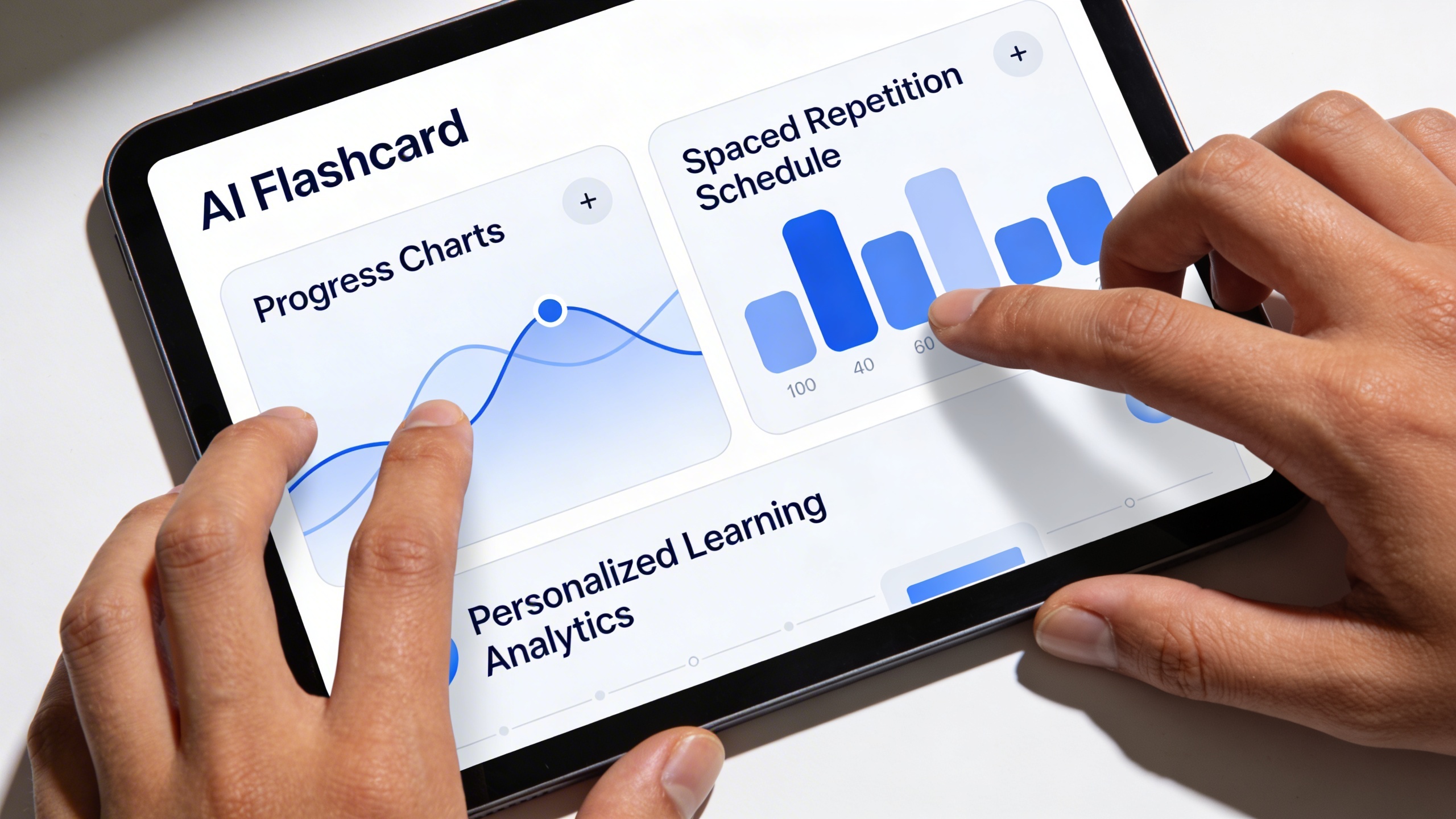
Comprehensive learning analytics transform study sessions from passive review into data-driven skill development. The most effective flashcard makers provide detailed insights into your learning patterns, including accuracy rates, response times, and retention curves over extended periods.
Visual progress indicators help maintain motivation and identify knowledge gaps before they impact academic performance. Look for platforms that offer color-coded difficulty ratings, streak counters, and projected mastery timelines. These metrics enable strategic study planning and help optimize time allocation across different subjects.
Advanced analytics features include spaced repetition algorithms that schedule review sessions based on forgetting curves and confidence levels. The best ai flashcard generators learn from your mistakes, automatically increasing exposure to problematic concepts while spacing out reviews of well-understood material.
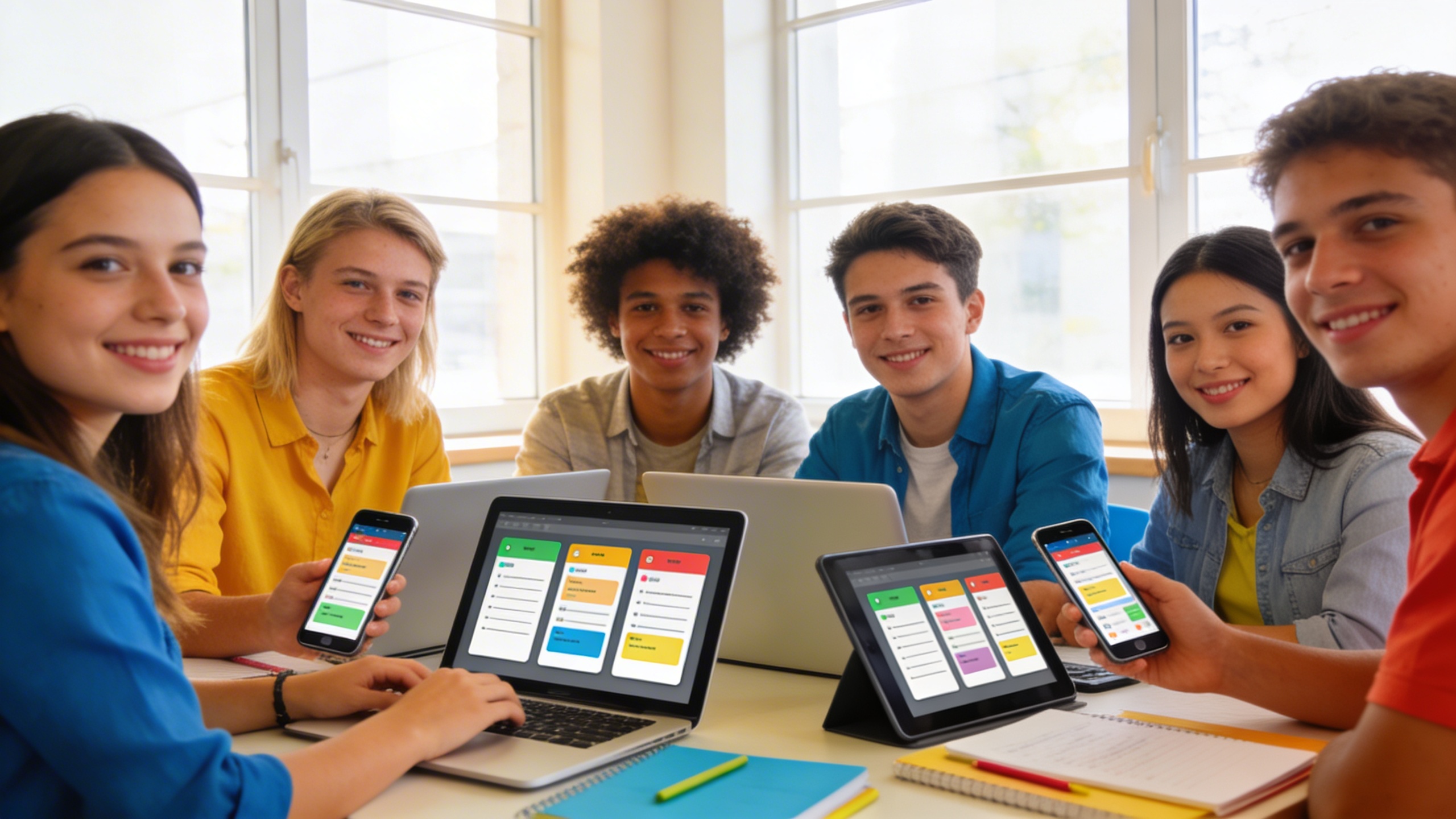
Mobile accessibility ensures consistent learning opportunities regardless of location or device availability. Cross-platform synchronization allows seamless transitions between desktop study sessions and mobile review periods, maximizing study efficiency throughout your daily routine. Choose a free flashcard generator that maintains full functionality across all supported devices while preserving your progress and customizations.
How to Choose the Right AI Flashcard Generator for Your Needs
Selecting the perfect ai flashcard generator requires careful consideration of your unique learning requirements, budget constraints, and existing study ecosystem. The most effective flashcard maker for one learner may not suit another, making it essential to evaluate multiple factors before committing to a platform.
Assessing Your Learning Style and Goals
Your learning preferences should drive your choice of flashcard generator. Visual learners benefit from platforms that support rich media integration, allowing you to incorporate images, diagrams, and color-coded content into your cards. If you’re an auditory learner, prioritize ai flashcard makers that offer text-to-speech functionality or allow audio recordings.
Consider your specific academic or professional goals. Medical students preparing for board exams need different features than language learners building vocabulary. Some generators excel at creating complex, multi-layered cards for technical subjects, while others focus on simple, rapid-fire review sessions. Evaluate whether you need advanced features like spaced repetition algorithms, progress tracking, or collaborative study options.
The volume of content you plan to study also matters significantly. If you’re creating thousands of cards across multiple subjects, look for platforms with robust organization tools, tagging systems, and bulk import capabilities. For lighter study loads, a simple free flashcard generator might suffice.
Budget Considerations and Value Comparison
Free flashcard generators offer excellent starting points for casual learners or those testing the waters. However, premium features often justify subscription costs for serious students. Calculate the cost per hour of study time to determine true value rather than focusing solely on monthly fees.
Many ai flashcard generators offer tiered pricing models. Entry-level plans typically include basic card creation and review features, while premium tiers add advanced analytics, unlimited storage, and collaboration tools. Consider your long-term needs when choosing between plans, as upgrading later may require migrating existing content.
Factor in hidden costs such as additional storage, premium templates, or advanced AI features. Some platforms charge separately for bulk content generation or specialized subject matter support. Compare total ownership costs across your expected usage period rather than just initial subscription fees.
Integration with Existing Study Tools
The best ai flashcard maker seamlessly integrates with your current study workflow. If you take notes in specific apps or use particular learning management systems, ensure your chosen platform supports these connections. Look for features like direct import from note-taking apps, synchronization with calendar systems, or integration with popular study platforms.
Cross-platform compatibility ensures you can study anywhere, anytime. Your flashcard generator should work consistently across desktop, tablet, and mobile devices with automatic synchronization. This flexibility becomes crucial during intensive study periods when you need to maximize every available moment.
Consider API availability if you use specialized study tools or want to create custom workflows. Some platforms allow integration with productivity apps, enabling automated card creation from meeting notes or research documents. This level of integration can significantly reduce manual content creation time while maintaining study momentum.
Evaluate export options early in your decision process. You should be able to extract your content in standard formats if you decide to switch platforms later, protecting your investment in created study materials.
Best Practices for Using AI Flashcard Generators Effectively
Maximizing the potential of your ai flashcard generator requires strategic planning and thoughtful implementation. The quality of your study materials depends not only on the tool itself but also on how you prepare content, structure your learning sessions, and integrate flashcards with other study methods.
Optimizing Content Input for Better AI Generation
The foundation of effective AI-generated flashcards lies in providing high-quality source material. When uploading documents or text to your flashcard maker, ensure the content is well-structured and clearly written. Remove unnecessary formatting, headers, and footnotes that might confuse the AI processing engine.
Break down complex topics into digestible chunks before feeding them into your ai flashcard maker. Instead of uploading an entire chapter, focus on specific concepts or sections. This approach allows the AI to create more targeted and coherent question-answer pairs that align with your learning objectives.
Use clear, concise language in your source materials. If you’re working with technical documents or dense academic texts, consider creating simplified summaries first. Many professionals find success by dictating key points into a voice-to-text application, which can then be processed by the flashcard generator for optimal results.
Review and edit the generated flashcards immediately after creation. While AI technology has advanced significantly, human oversight ensures accuracy and relevance. Look for questions that are too vague, answers that lack context, or cards that duplicate information unnecessarily.
Creating Effective Study Schedules
Implementing spaced repetition principles transforms your free flashcard generator into a powerful long-term retention tool. Start with daily review sessions of 15-20 minutes, focusing on new cards and those you’ve struggled with previously. Gradually increase intervals between reviews as your mastery improves.
Organize your flashcard decks by difficulty level and subject matter. Create separate study sessions for foundational concepts versus advanced applications. This segmentation allows you to allocate appropriate time and mental energy to different types of material.
Track your performance metrics consistently. Most ai flashcard generators provide analytics showing which cards you answer correctly and which require additional attention. Use this data to adjust your study schedule, spending more time on challenging concepts while maintaining periodic review of mastered material.
Set realistic daily and weekly goals. Rather than attempting to memorize hundreds of cards in a single session, aim for consistent progress over time. Quality engagement with fewer cards typically produces better results than rushed exposure to large volumes of information.
Combining AI Flashcards with Other Learning Methods
Integrate your flashcard generator results with active learning techniques for comprehensive understanding. After reviewing flashcards, practice applying the concepts through problem-solving exercises, case studies, or real-world scenarios. This multi-modal approach reinforces memory pathways and improves practical application skills.
Create connections between flashcard content and visual learning aids. Draw diagrams, create mind maps, or use color-coding systems that correspond to your digital flashcards. These visual associations strengthen recall and provide alternative pathways for accessing stored information.
Engage in group study sessions where participants quiz each other using AI-generated flashcards. This social learning component adds accountability and reveals knowledge gaps that might not surface during solo study sessions. Different perspectives on the same material often illuminate new understanding angles.
Regular self-assessment beyond flashcard practice validates your learning progress. Take practice tests, complete assignments, or teach concepts to others to ensure your flashcard study translates into genuine comprehension and retention.
Common Challenges and Solutions When Using AI Flashcard Tools
While AI flashcard generators offer tremendous learning advantages, users often encounter specific challenges that can impact their study effectiveness. Understanding these common obstacles and implementing proven solutions ensures you maximize the benefits of your chosen flashcard maker while avoiding typical pitfalls.
Overcoming AI-Generated Content Limitations
AI flashcard generators sometimes produce content that lacks nuance or contains subtle inaccuracies. The most effective solution involves implementing a systematic review process where you verify each generated flashcard against your source material. Create a habit of fact-checking definitions, formulas, and complex concepts before adding them to your study deck.
Another common limitation occurs when the ai flashcard maker oversimplifies complex topics or fails to capture important context. Combat this by editing generated cards to include relevant examples, mnemonics, or additional details that enhance understanding. Many successful learners use AI-generated content as a starting point, then customize each card to match their learning style and knowledge level.
Managing Information Overload
Free flashcard generator tools often create extensive decks that can overwhelm learners, leading to decreased motivation and poor retention. Implement strategic content curation by organizing cards into smaller, focused categories based on difficulty level, topic importance, or learning objectives. This approach prevents cognitive overload while maintaining steady progress.
Set realistic daily review limits based on your schedule and attention span. Research suggests that reviewing 20-30 cards per session produces better results than attempting to process hundreds of cards at once. Use spaced repetition algorithms built into most flashcard generators to automatically prioritize cards that need more attention while reducing frequency for well-mastered content.
Ensuring Long-Term Retention
Many users struggle with transferring knowledge from flashcards to real-world application. Address this challenge by incorporating varied question formats within your ai flashcard generator. Mix definition-based cards with scenario-based questions, visual recognition tasks, and application problems that mirror how you’ll actually use the information.
Create connections between flashcard content and practical experiences through elaborative rehearsal. When reviewing cards, spend extra time linking new information to existing knowledge or personal experiences. This technique significantly improves long-term retention compared to simple memorization.
Avoid the common pitfall of becoming overly dependent on recognition rather than recall. Periodically test yourself without looking at answer choices, and practice explaining concepts in your own words. Regular self-testing in varied contexts ensures that your flashcard generator serves as a foundation for deep learning rather than superficial memorization.
Track your progress using built-in analytics features to identify patterns in your learning and adjust your study approach accordingly. This data-driven method helps optimize your flashcard maker usage for sustained academic success.
Future of AI-Powered Learning and Flashcard Technology
The landscape of educational technology continues to evolve rapidly, with AI flashcard generators positioned at the forefront of this transformation. These intelligent learning tools are becoming increasingly sophisticated, offering learners unprecedented levels of customization and effectiveness in their study routines.
Emerging Trends in Educational AI
Advanced machine learning algorithms are revolutionizing how flashcard makers analyze and adapt to individual learning patterns. Modern ai flashcard maker platforms now incorporate natural language processing that can extract key concepts from complex academic texts, automatically generating relevant questions and answers. These systems are becoming more intuitive, capable of understanding context and creating flashcards that target specific knowledge gaps rather than simply converting text into basic question-and-answer pairs.
The integration of multimodal learning approaches represents another significant advancement. Future flashcard generator tools will seamlessly combine visual, auditory, and kinesthetic elements to accommodate diverse learning preferences. This holistic approach ensures that learners can engage with content through their preferred sensory channels, dramatically improving retention rates and comprehension.
Integration with Voice and Audio Technologies
Voice technology is transforming the traditional flashcard experience by enabling hands-free learning sessions. Students can now create flashcards through voice dictation, making the content creation process more efficient and accessible. This audio integration allows learners to study while commuting, exercising, or performing other activities, maximizing their available study time.
The incorporation of speech recognition and text-to-speech capabilities enables dynamic pronunciation practice for language learners. Advanced ai flashcard generator platforms can assess pronunciation accuracy and provide real-time feedback, creating an immersive learning environment that traditional paper-based methods cannot match.
Personalized Learning Pathways
The future of flashcard technology lies in hyper-personalization, where AI systems create individualized learning journeys based on comprehensive data analysis. These intelligent platforms will track performance metrics, identify optimal review intervals, and automatically adjust difficulty levels to maintain the ideal challenge-to-success ratio for each learner.
Predictive analytics will enable free flashcard generator tools to anticipate when specific information is likely to be forgotten, proactively scheduling review sessions before knowledge decay occurs. This proactive approach to spaced repetition represents a significant advancement over current reactive systems, ensuring that learners maintain long-term retention with minimal effort.
As these technologies mature, we can expect seamless integration across multiple devices and platforms, creating a unified learning ecosystem that adapts to each individual’s unique cognitive profile and learning objectives.